What Is Tactile Learning? 7 Tips for Hands-On Education
Learn about this approach to learning and how you can bring it to your home or classroom.

Tactile learning:
Involves learning through touch, hands-on activities, and movement.
Tactile learning is a valuable approach to education that allows children to actively engage with the material they’re learning, complementing auditory, visual, and reading/writing methods.
Incorporating tactile learning into everyday activities provides kids with an additional way to connect with new ideas, making learning experiences more interactive and dynamic. Here are a few key elements of tactile learning and tips for integrating it into your daily schedule, whether you’re at home or in a classroom.
Tip: ABCmouse offers a variety of learning pathways, providing children with engaging, supplemental activities that complement their educational journey and reinforce key skills.
What is Tactile Learning?
In tactile learning, sometimes known as kinesthetic learning, students learn through hands-on, physical activities.
Tactile learning is often described as a multi-sensory learning because a child first hears or sees new material and then furthers their comprehension by exploring the material with their hands and through movement. Because it uses the sense of touch, tactile learning is thought to be more engaging and more likely to help children retain information.
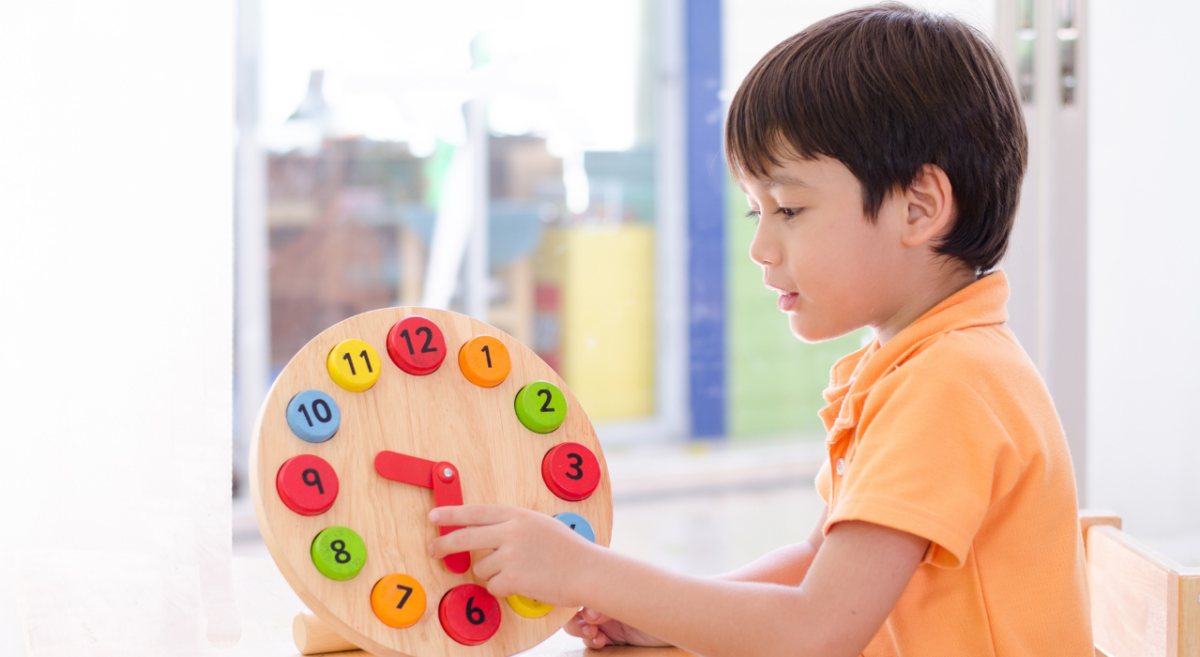
Tactile learning is also helpful for developing problem-solving strategies, as students are encouraged to think creatively when they encounter challenges with hands-on activities and rely on their own instincts to find solutions.
Tactile learning typically introduces new concepts with activities and exploring or creating things by hand, which means manipulatives and hands-on projects are a major part of this learning approach. Tactile learning is active learning, meaning children engage with a lesson with their whole body. They’re encouraged to move and interact with their surroundings and their learning materials.
Add Tactile Learning to Everyday Activities
Tactile learning typically introduces new concepts with activities and exploring or creating things by hand, which means manipulatives and hands-on projects are a major part of this learning approach.
Tactile learning is active learning, meaning children engage with a lesson with their whole body. They’re encouraged to move and interact with their surroundings and their learning materials.
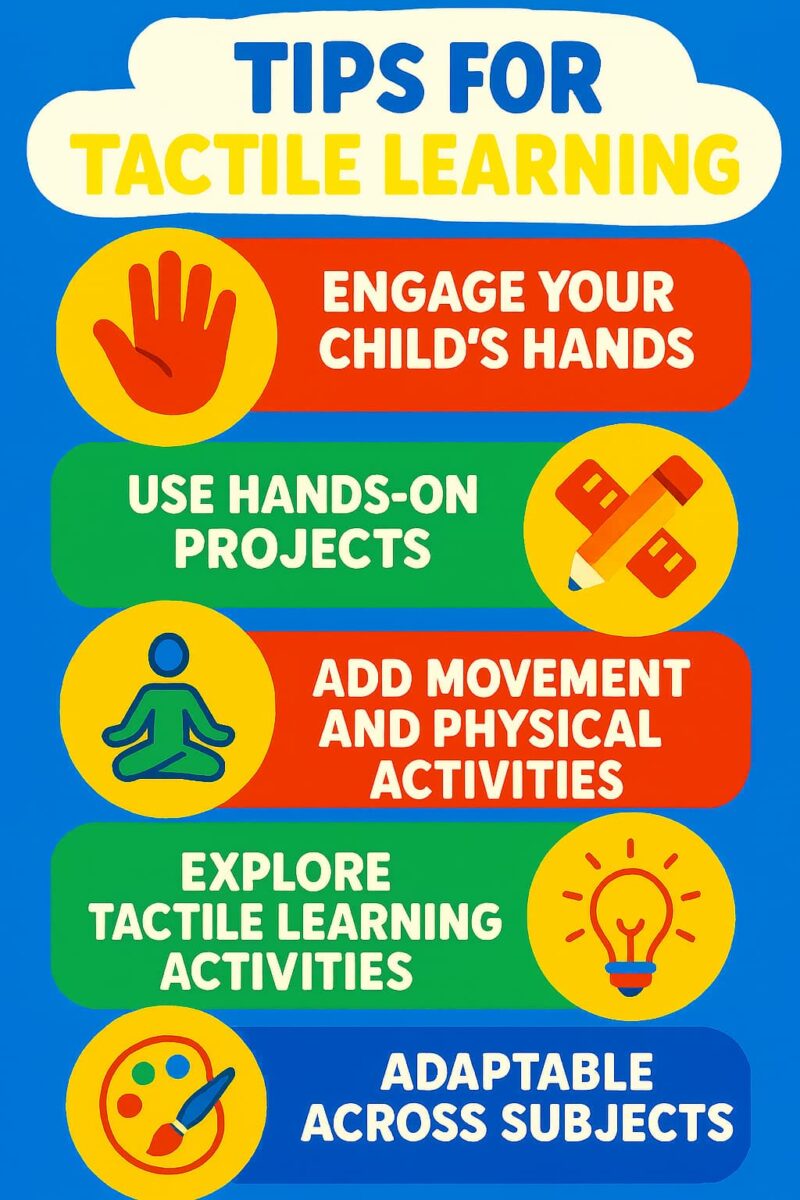
Engage Your Child’s Hands
Look for ways to involve your child’s hands and their sense of touch in learning. You can do this in large and small ways. For example, when explaining new topics, encourage your child to take notes or highlight text as you read through material together. During read-aloud stories, invite your child to draw out what they’re hearing, build with clay, string beads, or knit.

You can also use manipulatives, which are concrete objects that allow students to explore an idea with their hands. Manipulatives can include any object from your home, such as blocks or beads, marbles, fabric scraps, or cotton balls. Manipulatives are often used to teach addition or subtraction and other math concepts.
Use Hands-on Projects
Hands-on projects and activities are an important part of tactile learning as it allows children to explore concepts themselves. Try including learning that involve making or doing things by hand, such as build-it-yourself kits, science experiments, gathering and sorting objects, art projects, and playing with board games.

Add Movement and Physical Activity
Tactile learning is tied to kinesthetic learning, which involves learning through movement. Add movement into learning by providing yoga or stretching breaks, exploring a topic through an activity, and or even just moving to a new learning environment. You can also bring learning into daily walks and outdoor exploration or by enjoying field trips.

Examples of Tactile Learning Activities
- If you’re learning about rocks, try going outside to look for different kinds. Have your child feel the rocks and notice how they look and feel different. Talk about why some are smooth and some are rough, or why they have different colors.
- Making a diorama is another fun way to learn with your hands. You can build a little world that shows where animals live, famous places, or even a scene from your child’s favorite story. It’s a great way to make learning exciting and hands-on!
- When learning about fractions, cut paper into halves, quarters, and eighths. You can even do some baking and talk about how fractions are used when measuring ingredients.

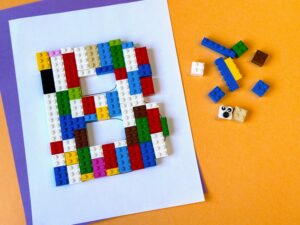
- When learning letter shapes and sounds, let your child make the letters with finger paint, or use sand or dirt to shape the letters with their hands.
- Look for picture books that have different textures in the illustrations so your child can feel as they read.
- Try using writing tools that feel different, like smooth gel pens, dusty chalk, freshly-sharpened pencils, or felt-tip markers, to make writing more fun and exciting!
Benefits of Tactile Learning
Tactile learning offers a wide range of advantages that support a child’s educational journey by engaging their senses and encouraging active participation. Here are some of the key benefits:
✅ Adaptable Across Subjects
Tactile learning is versatile and can be applied to a variety of subjects, including math, science, art, and language arts, making it an effective teaching method for diverse educational needs.
✅ Enhanced Memory Retention
Hands-on activities help create stronger neural pathways in the brain, making it easier for children to recall information. This active engagement helps kids retain lessons.
✅ Deeper Understanding of Concepts
By involving multiple senses—such as touch, sight, and movement—tactile learning enables children to develop a deeper understanding of new ideas.
✅ Increased Motivation and Engagement
Children are often more motivated and actively involved in their education when they learn through tactile methods. The interactive nature of these activities keeps them excited and engaged in exploring new topics.
✅ Improved Cognitive Development
Tactile learning fosters critical cognitive skills such as exploration, logical reasoning, problem-solving, and hypothetical thinking. These abilities play an important role in a child’s intellectual growth and academic success.
✅ Boosts Creativity
Hands-on projects encourage children to think outside the box and explore creative solutions, nurturing innovation and imagination.
✅ Supports Collaboration
Many tactile activities, such as group projects or experiments, promote teamwork and communication skills, helping children learn to work effectively with others.
How ABCmouse Can Support Tactile Learning
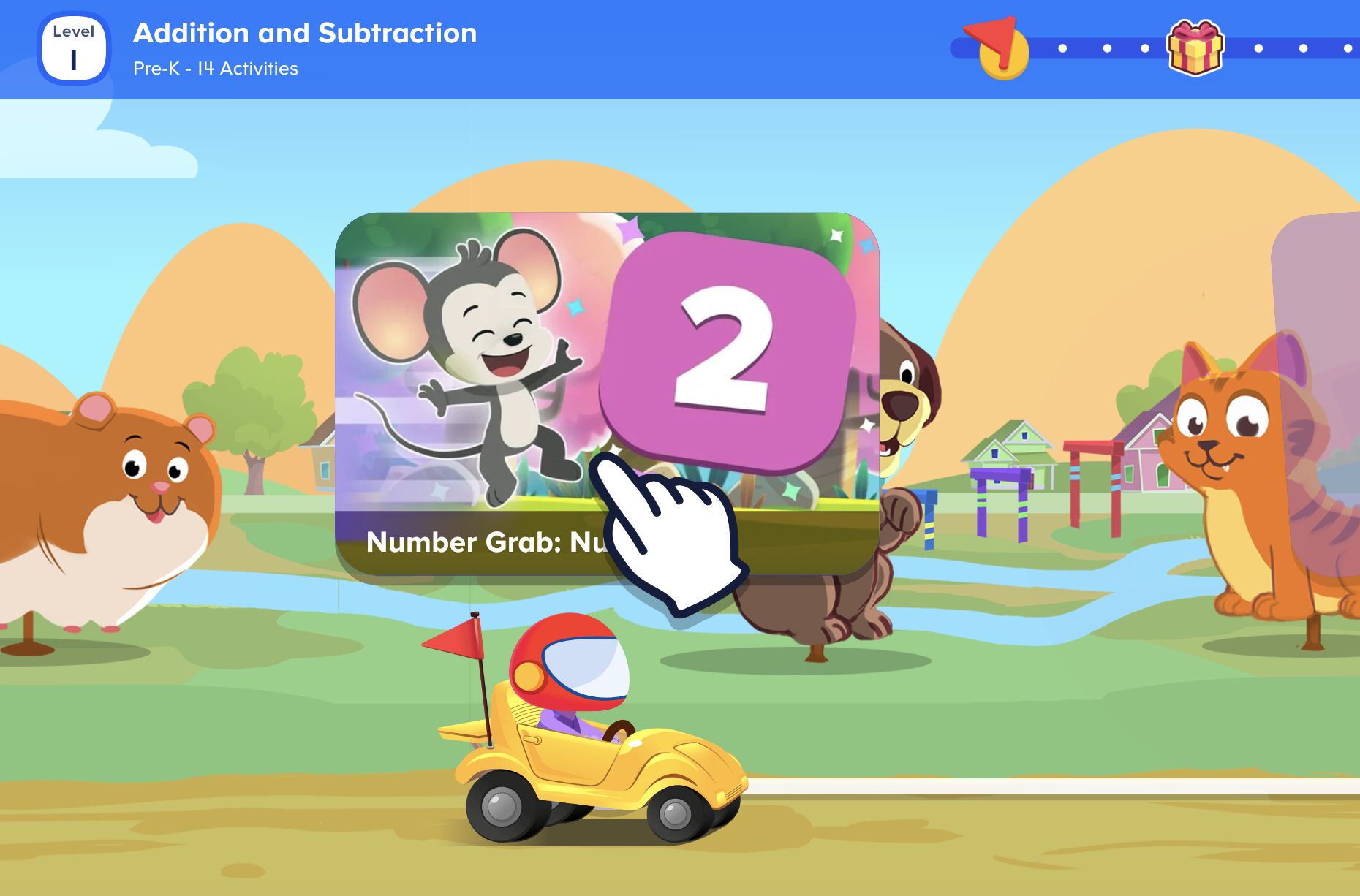
ABCmouse presents information in a variety of ways, offering multiple opportunities for children to engage and connect with the material. The tactile aspect of learning is encouraged through our offline, hands-on activities that can be integrated into your child’s learning routine, such as our free printables and extensive lists of educational activities and crafts.
Online Learning Tools
ABCmouse covers a wide range of subjects, including science, social studies, reading, math, art, and music. ABCmouse provides interactive games, puzzles, and printables, which can complement these hands-on activities, making learning more engaging.
Check Out ABCmouse ➜
Frequently Asked Questions (FAQ) About Tactile Learning
How do I know if my child is a tactile learner?
Tactile learners often prefer hands-on activities and may struggle with traditional lecture-based or purely visual learning. Signs include enjoying building or crafting, fidgeting during lessons, or learning better through physical interaction with materials.
What is the difference between kinesthetic learning and tactile learning?
While both kinesthetic and tactile learning involve hands-on activities, they differ in focus. Tactile learning emphasizes learning through touch and manipulating objects, such as using blocks or clay. Kinesthetic learning, on the other hand, involves full-body movement and learning through physical activities, like dancing, running, or acting out concepts. Both approaches engage the body but in slightly different ways.
Can tactile learning help children with special needs?
Yes, tactile learning is thought to be beneficial for children with special needs. It provides an engaging, multi-sensory approach that can help improve focus, comprehension, and retention.
What materials do I need for tactile learning at home?
You don’t need expensive tools! Everyday items like blocks, beads, clay, sand, paper, and even kitchen utensils can be used for tactile learning. Many tactile activities can also be done with free printables or DIY projects.
How much time should I dedicate to tactile learning each day?
This depends on your child’s age. For younger children, 20-30 minutes of hands-on activities per subject can be effective. Older children may benefit from incorporating tactile learning into specific lessons or projects a few times a week.
Are there any downsides to tactile learning?
Tactile learning can sometimes be messy or require more preparation compared to traditional methods. Additionally, it may not suit every child or subject equally, so it’s important to balance tactile activities with other learning styles.
How can I make tactile learning more engaging for older kids?
For older children, focus on more complex hands-on activities like science experiments, model building, or interactive group projects. Incorporating real-world applications, such as cooking to teach fractions or building circuits for science, can make tactile learning more age-appropriate and exciting.
Can tactile learning be incorporated into online education?
Yes! Many online platforms, like ABCmouse, offer offline activities such as printables and crafts that complement digital lessons. You can also pair online learning with hands-on projects to reinforce concepts taught in virtual classrooms.
More from ABCmouse:
-

What Are CVC Words? Plus, Examples and Free Activities
Discover the importance of CVC words in early reading skills! Explore examples, teaching tips, and engaging free activities to help children decode simple consonant-vowel-consonant patterns, laying…
-

What Are Irregular Plural Nouns? (Examples and FREE Printable Lists)
Explore irregular plural nouns with simple explanations, examples, and printable lists for kids. Learn about common patterns and discover effective tips for teaching and memorizing these…
-
Prefixes for Kids with Activities & Printable Lists
Help kids understand prefixes with this simple guide! Learn the basics of prefixes, their meanings, and why they’re important for young readers. Includes printable lists, fun…
-
The Power of Shared Reading – Simple Tips and Tricks
Boost your child’s literacy skills with shared reading. Learn how this interactive approach enhances vocabulary, comprehension, and print awareness. Explore four easy steps to turn story…
-
The Simple View of Reading: Tips for Parents and Teachers
Discover the Simple View of Reading, a proven model highlighting the importance of both decoding and language comprehension in achieving strong reading skills. Learn how to…
-
How to Teach Consonants Letters and Sounds
Help your child grasp the concept of consonants with simple tips and engaging activities. Learn about consonant sounds, voiced vs. unvoiced consonants, and the tricky letter…