What Are Vowels? Definition, Examples & Types (For Kids)
A strong understanding of vowels can boost reading skills. Get insights on long and short vowels, vowel teams, the ‘Schwa’ sound, and more.
What are Vowels?
Vowels are letters that represent open speech sounds made when air flows freely through the mouth.
In the English alphabet, vowels are essential because they form the core sounds in most words and help connect consonants to create readable speech.

What Are the 5 Vowels?
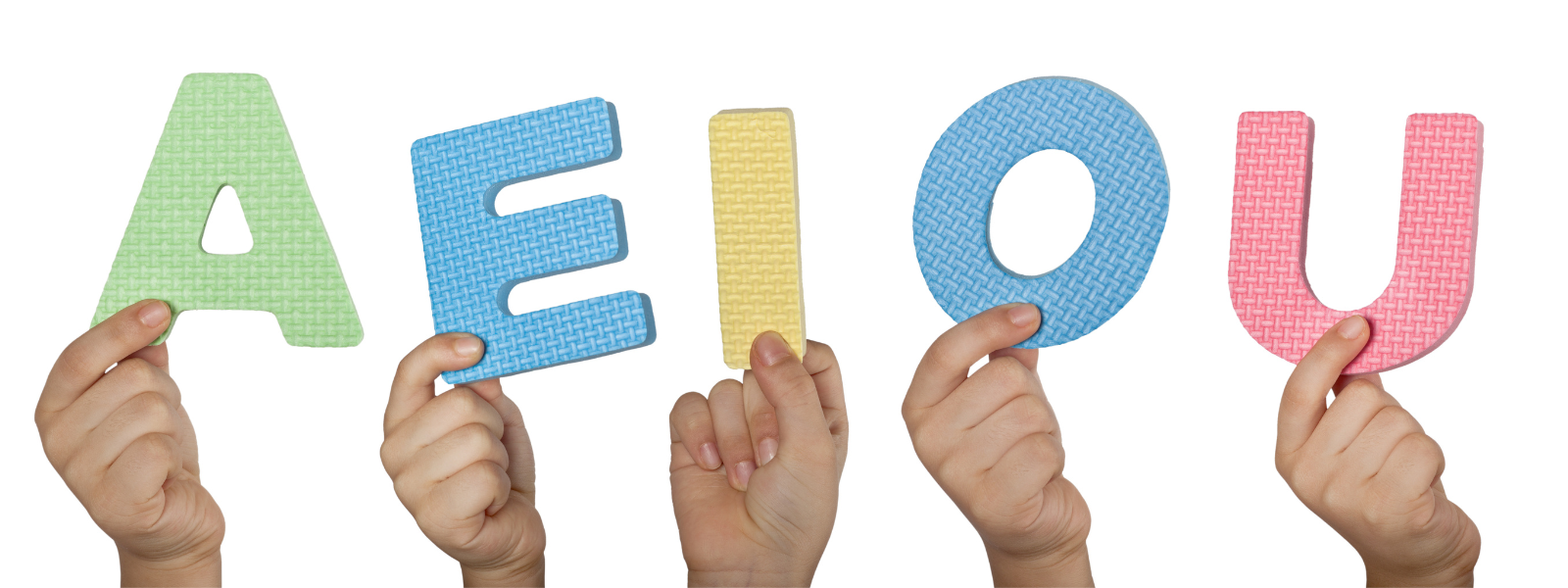
The five vowels in the English alphabet are A, E, I, O, and U. Each vowel can make more than one sound, including short vowel sounds (as in apple or cat) and long vowel sounds (as in acorn or cake). Learning to recognize these vowel sounds is an important step in early reading development.
Sometimes the letter Y can also act as a vowel, depending on how it is used in a word.
Vowels Versus Consonants
The alphabet is made up of 26 letters, five of which are vowels: A, E, I, O, and U. The other 21 letters, such as B, C, D, F, T, and Z, are called consonants. Vowel sounds are made with an open vocal tract (air flows freely). Consonant sounds are made with some obstruction (lips, tongue, teeth).
Try this: Say the letter A and hold the sound for five seconds. Notice how nothing needs to move to make the sound. Now say the sound for the letter B (“buh”). Your lips come together to block air to make the sound.
Why Are Vowels Special?
Vowels act as key building blocks to most words, making it essential for children to fully understand the sounds each vowel makes and how those sounds can change. Learning the basics and nuances of vowels can deepen your child’s understanding of phonics (the relationship between letters and the sounds they make), phonemes (distinct units of sound in a language), decoding, and ultimately help to improve their literacy and spelling skills.
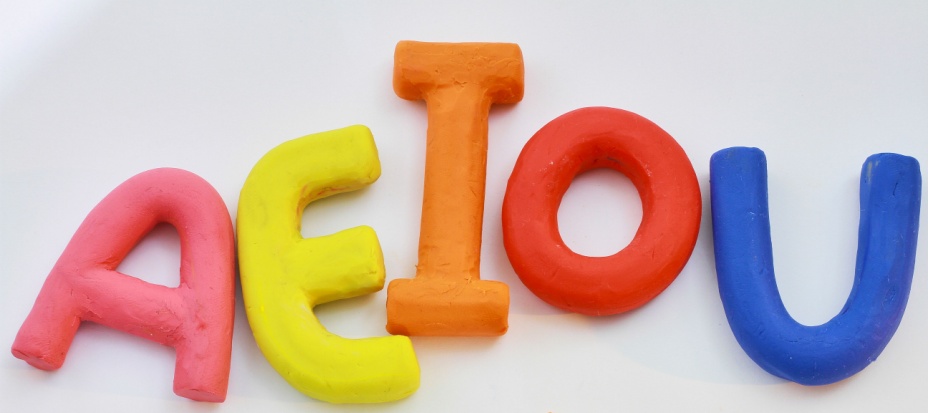
What are Vowels? Vowels are letters that correspond to speech sounds made when air flows freely through the mouth, without being obstructed by the tongue, lips, or throat.
Short Vowels Versus Long Vowels
Vowels can make two distinct sounds–a short vowel sound and a long vowel sound. The ability to identify when a word uses a short or long vowel sound takes practice and is a milestone in growing literacy skills.
What Are Short Vowels?
Just as their name suggests, short vowel sounds are quicker to say and represent shorter letter sounds. When a single vowel occurs between consonants, it is often the short vowel sound. This is common in CVC words (like cat), though English has exceptions. Here are a few examples of words using short vowel sounds:
- “a” as in “apple”
- “e” as in “elephant”
- “i” as in “igloo”
- “o” as in “octopus”
- “u” as in “umbrella”
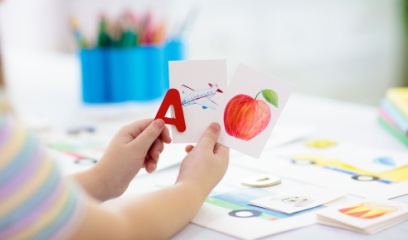
What Are Long Vowels?
Long vowels sound just like the name of the letter and are often taught after short vowels. They’re usually made with pairs of letters, such as ea, or with the vowel-consonant-e pattern as in the words rake. Here are a few examples of words using long vowel sounds:
- “a” as in “acorn”
- “e” as in “eagle”
- “i” as in “ice cream”
- “o” as in “zone”
- “u” as in “unicorn”
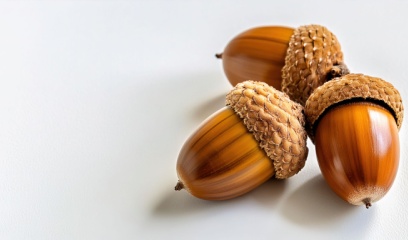
Short vowel sounds are typically taught before longer vowel sounds because long vowel sounds often require an understanding of more complex concepts, such as two letters together (oi or ea) making a sound or the impact a silent “e” can have on the letter sounds in a word.
| Vowel | Short Sound Example | Long Sound Example |
|---|---|---|
| A | apple | acorn |
| E | elephant | eagle |
| I | igloo | ice |
| O | octopus | open |
| U | umbrella | unicorn |
How to Teach Short Vowels
Short vowel sounds are more straightforward and are used in simpler words that young children encounter frequently, making them a good place to start when introducing vowels. Before diving into vowel instruction, be sure your child can recognize the letters of the alphabet, which allows them to understand that the letters A, E, I, O, and U are vowels.
Here are a few tips to help guide your approach to teaching short vowel sounds to your child.
- Use CVC words. Teach short vowel sounds using CVC words, such as cat and jet, emphasizing the short vowel sound in each word. CVC words are often easier for children to decode or sound out.
- Practice with word families. Word families, which repeat the same vowel-consonant ending and rhyme, can help children identify the same short vowel sound in different words.
- Teach one short vowel sound at a time. Don’t move on to the next short vowel sound until your child seems to have a solid understanding of the vowel you’re currently working on.
- Use a variety of vowel activities. Incorporating a hands-on approach to teaching vowel sounds can help children stay engaged with learning and creates different educational opportunities for them.
- Practice with short vowel word lists. Reinforce short vowel sounds by practicing with carefully selected short vowel words, organized by vowel sound. Word lists give children repeated exposure to the same vowel patterns and help build confidence with decoding and reading.
How to Teach Long Vowels
Transition to teaching long vowel sounds after your child demonstrates mastery of short vowel sounds and can handle more advanced vowel patterns, such as silent “e” or vowel teams, such as”ai” in rain.
There are four common patterns that contribute to long vowel sounds. Understanding these patterns can help parents teach long vowel sounds and can aid children in knowing when a long vowel sound is used in a word.
Four Common Patterns to Long Vowel Sounds
- Vowel-Consonant-e: This is also known as the “magic e” pattern, where a vowel is followed by a consonant and then an “e,” which makes the vowel long, as in the words cake, hope, and tire.
- Vowel Teams: Certain pairs of vowels work together to form a long vowel sound, such as “ea” in beat or “ai” in train. Learn more about vowel teams below.
- Open Syllables: In an open syllable (where the vowel is at the end of the syllable), the vowel is long, as in the words me, go, piano, and she.
- “I” or “O” Plus Two Consonants. When the letters “I” or “O” come before two consonants, the “i” and the “O” typically take on a long vowel sound, as in find, cold, and child.
- Practice with long vowel word lists. Using long vowel word lists allows children to see and practice common long vowel patterns, helping reinforce spelling and reading skills.
What About Y?

You may have heard the phrase, “a, e, i, o, u and sometimes y.” It’s important to teach your child about Y and how it can be both a consonant and a vowel depending on the word it’s used in.
If the word has no other vowel like (gym or my), or if it appears at the end of a word (candy), it can be a vowel. However, it’s considered a consonant when it’s the first letter of the word, as in yard or yank.
Vowel Teams
Along with short and long vowel sounds come more nuanced aspects of vowels, such as vowel teams. A vowel team is a combination of two or more letters that work together to make a single vowel sound. Vowel teams can be made up of vowel digraphs, diphthongs, or longer combinations of letters.
Vowel digraphs: two vowels working together to make one sound, such as “ai” and “ea.”
Examples: rain, green, goat
Diphthongs: two vowels working together to create a sliding sound, such as “oi” and “ou.”
Examples: boy, join, trout
Longer combinations: three or more letters producing a sound, such as “eigh” and “ough.”
Examples: neigh, tough
The Schwa Sound
The “schwa” sound is a vowel sound that occurs in unstressed syllables, where a vowel doesn’t make a long or short sound. It’s often described as a “lazy” vowel sound that sounds like a short “uh” or the short “u” sound but is softer and weaker. It’s also the most common vowel sound in the English language.
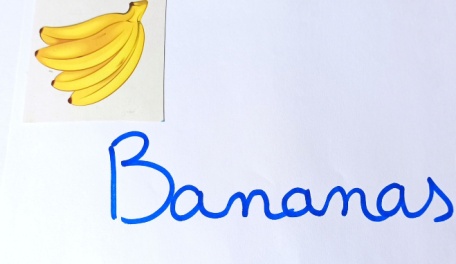
Words with the Schwa Sound:
- ‘o’ in bottom
- ‘a’ in banana
- ‘e’ in chicken
- ‘o’ in bacon
- ‘a’ in away
R-Controlled Vowels
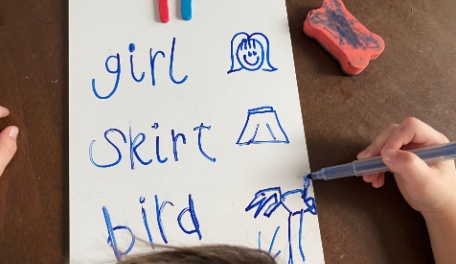
R-controlled vowels, also known as “Bossy R,” refer to a vowel’s sound changing to an entirely new sound when that vowel is followed by the letter R.
For example, the words four, mark, and chirp have r-controlled vowels. In other words, an R-controlled vowel occurs when a vowel is directly followed by the letter ‘r’ and loses its typical long or short vowel sound.
R-controlled Vowel Sounds
- /or/ sound: in words such as four, fort, store, core
- /er/ sound: in words such as bird, girl, pearl, treasure
- /ar/ sound: in words such as car, far, dark, arm
The ABCmouse Approach to Vowels
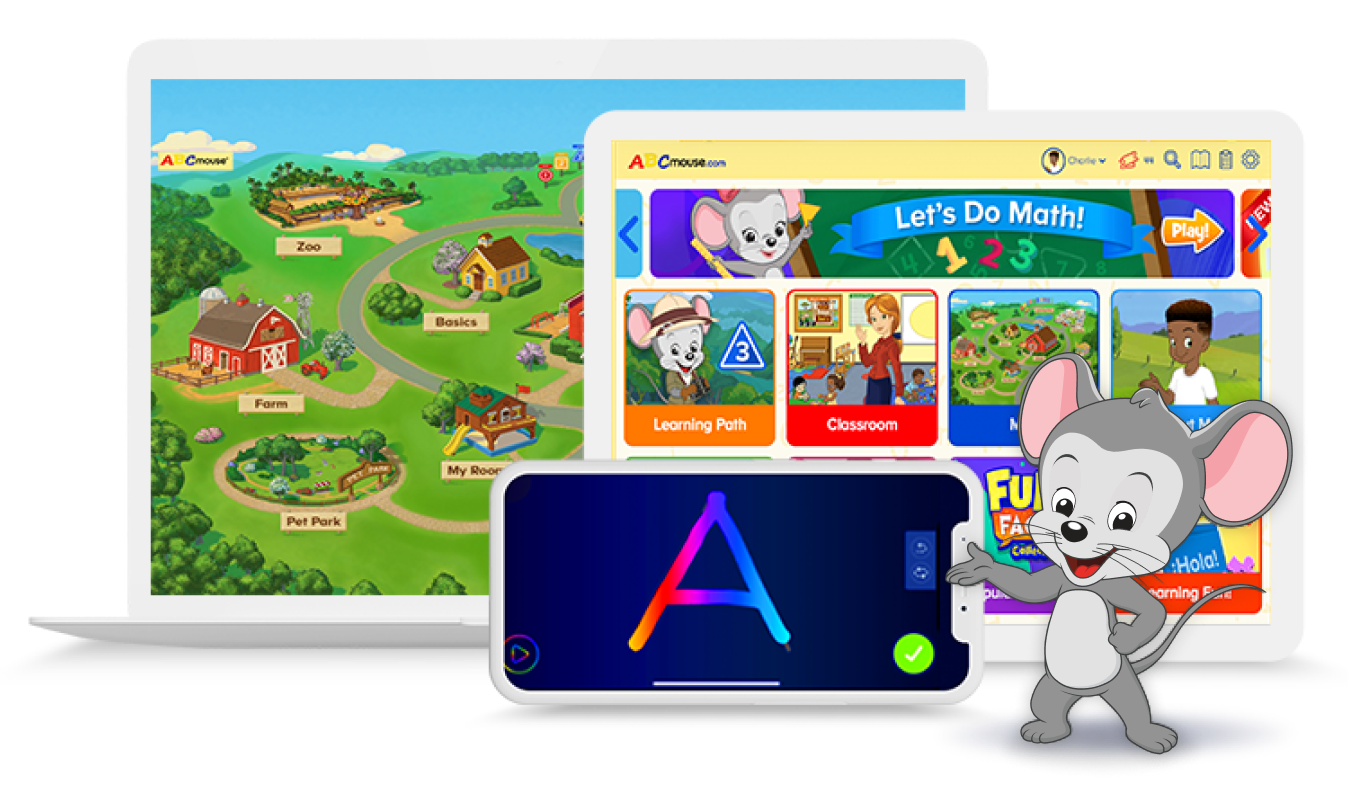
ABCmouse provides an interactive and engaging approach to learning, including vowels and their sounds. Many ABCmouse vowel activities focus on identifying vowels and distinguishing between short and long vowel sounds and vowel teams. This practice helps children grow their understanding of different vowel sounds in a way that feels like play.

An ABCmouse subscription includes hundreds of interactive books, educational games, puzzles, and more, many of which offer children a range of ways to practice vowel sounds to help develop their literacy skills.
- Word Search Games
- Vowel Sound Puzzles
- Cutout Puzzles
- Vowel Sound Games
- Read-Aloud Books
ABCmouse’s early childhood and elementary curriculum is backed by research and created by expert teachers with decades of experience in early literacy instruction. ABCmouse’s interactive reading games can help children learn the phonics fundamentals needed to become successful and confident readers, including short vowel sounds, long vowel sounds, and consonant sounds. Best of all, our fun reading games span the entire range of early reading. From the beginning of preschool through the end of second grade, ABCmouse can help your child learn and grow their understanding of vowel sounds.
Frequently Asked Questions:
What are vowels for kids?
Vowels are letters that help make the sounds in words. For kids, vowels are easy-to-hear sounds made when the mouth is open, like the sounds in apple, egg, and umbrella. The five main vowels are A, E, I, O, and U.
Parents can also explore our free printable vowel word lists and vowel worksheets for extra practice.
How many vowels are there in the English alphabet?
There are five vowels in the English alphabet: A, E, I, O, and U. Sometimes the letter Y can also act as a vowel, depending on how it is used in a word.
What is the difference between short vowels and long vowels?
Short vowel sounds are quick sounds, like the a in cat or the e in bed. Long vowel sounds say the letter’s name, like the a in cake or the o in home.
Why are vowels important for reading?
Vowels are important because most words need at least one vowel to be read aloud. Understanding vowel sounds helps children sound out words, improve decoding skills, and become more confident readers.
When do children learn vowels?
Children usually begin learning vowels in preschool and kindergarten. They often start with short vowel sounds and simple words before moving on to long vowels, vowel teams, and more advanced reading patterns.
ABCmouse’s expert advice review process:
Our team of ABCmouse Curriculum Experts, made up of talented professionals in early childhood education and development, take a close look at educational content and learning claims. They put in the effort to make sure our information is accurate and current. We have a certified educator or another respected authority review the content, matching their expertise with the topic at hand. They’ll make sure the content is thorough and follows the latest research and educational guidelines. If they think we can make things even better, they’ll chat with our editorial team, and we’ll make those improvements right away. Only after a reviewer gives their thumbs-up does a piece of content get the official stamp of approval in the byline.
More Vowel Resources
-

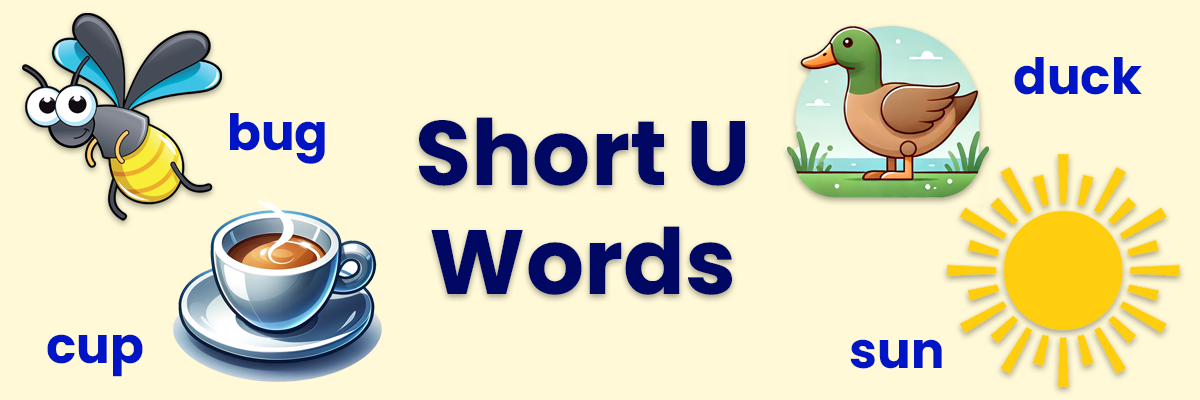
Short U Words for Kids (Free Printable List)
Discover free printable short ‘U’ word lists, including CVC words, sight words, and blends, to help kids master the short ‘U’ sound. Explore engaging activities like…
-

Vowel Activities for Kids
Engage kids in learning vowel sounds with 18 fun activities and games! From sorting vowel sounds to treasure hunts, these hands-on activities will help children practice…
-

Vowel Worksheets for Second Grade
Boost your second grader’s vowel knowledge with engaging printable worksheets. Explore fun exercises to master vowel sounds, including word searches and sentence writing, perfect for enhancing…
-
Vowel Worksheets for First Grade
Boost first graders’ vowel knowledge with free printable worksheets on long sounds and more. Perfect for phonics learning, these activities enhance reading skills. Explore a range…
-
What Are Vowels? Definition, Examples & Types (For Kids)
What are vowels? Learn what A, E, I, O, U (and sometimes Y) are, with simple definitions and kid-friendly examples. Perfect for parents and early readers.