
Fascinating North Carolina Facts for Kids (Free Printable List)
Learn fun and amazing facts about North Carolina, from its first people to its wild horses and major landmarks!
Share
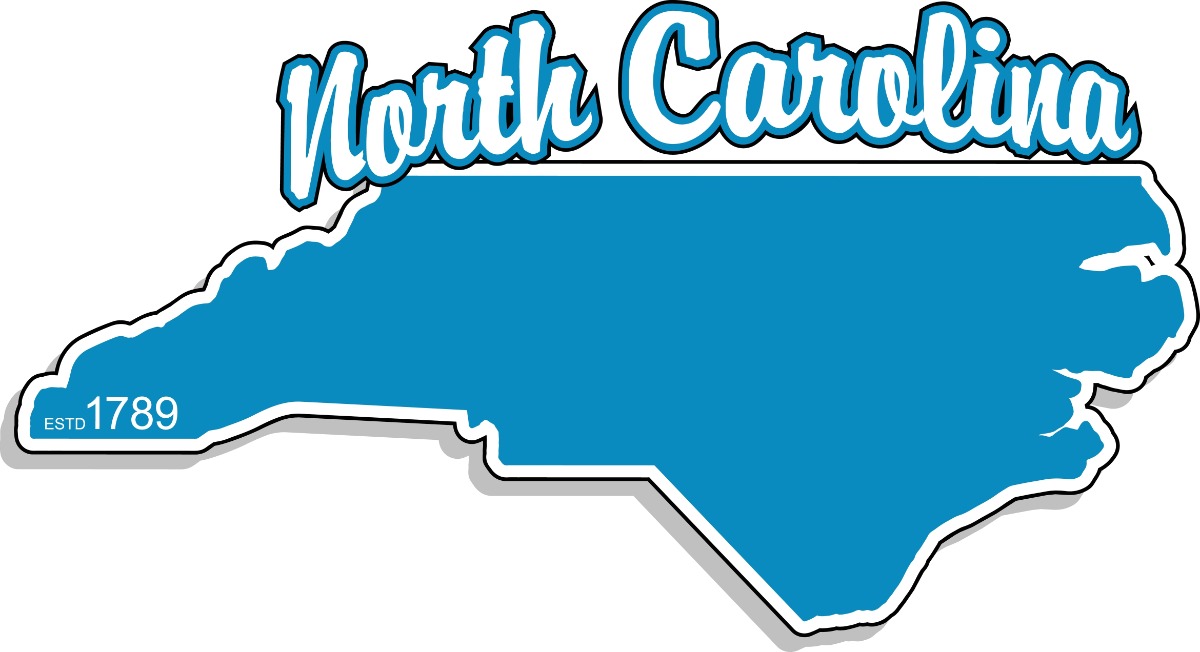
From the Outer Banks to the Great Smoky Mountains, North Carolina is full of incredible places to explore! Its history will intrigue you too, from the earliest inhabitants to the Lost Colony at Roanoke, the first days of statehood to its major role in the Civil Rights Movement. This state is full of wild places and wildlife that includes sea turtles and the “Grand Canyon of the East.” Discover all this and more with this roundup of North Carolina facts for kids.
Be sure to download our printable list of North Carolina state facts and share it with your class as you study the states or use it at home to prepare for a family vacation!

NORTH CAROLINA STATE FACTS
State Nickname:
Tar Heel State
Date of Statehood:
November 21, 1789
State Colors:
Red and Blue
State Shell:
Scotch Bonnet
State Motto:
Esse quam videri
(To be, rather than to seem)
State Song:
The Old North State
State Capital:
Raleigh
State Vegetable:
Sweet Potato
State Frog:
Pine Barrens Treefrog
State Tree:
Pine Tree
?
DID YOU KNOW?
In colonial times, North Carolina made tar, pitch, and turpentine from its longleaf pine trees to help protect wooden ships. The sticky tar often got on workers’ feet, which led people to call them “Tar Boilers”—a nickname that eventually stuck and helped inspire the name “Tar Heels.”
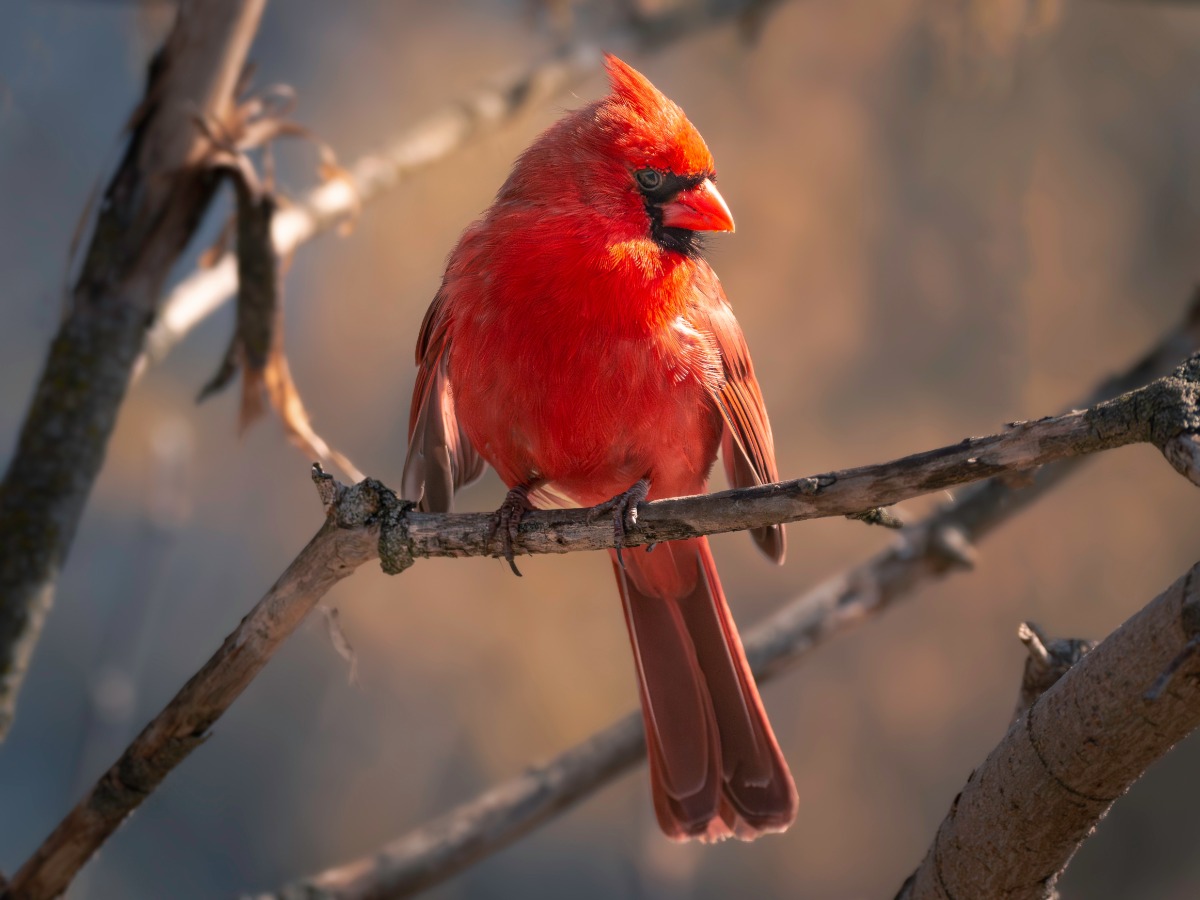
State Bird:
Northern Cardinal
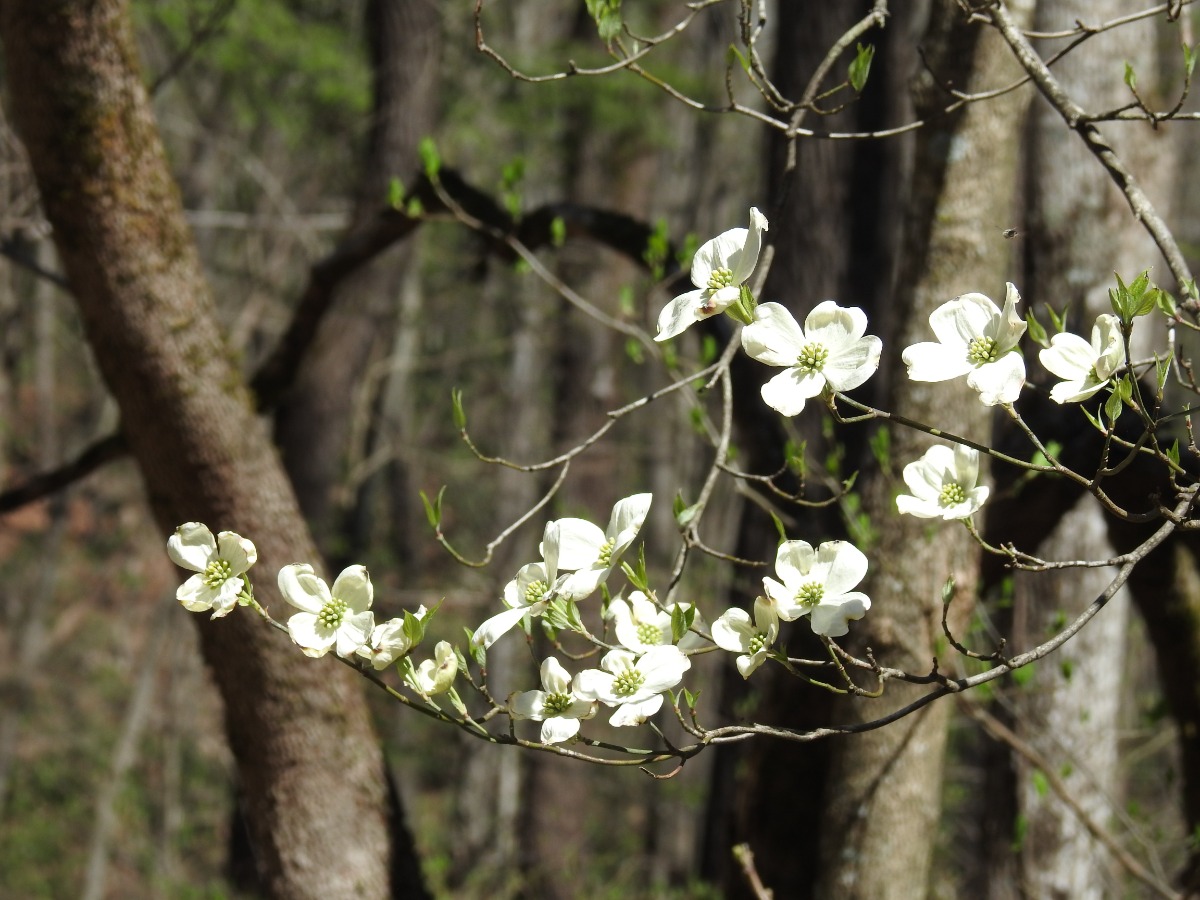
State Flower:
Dogwood
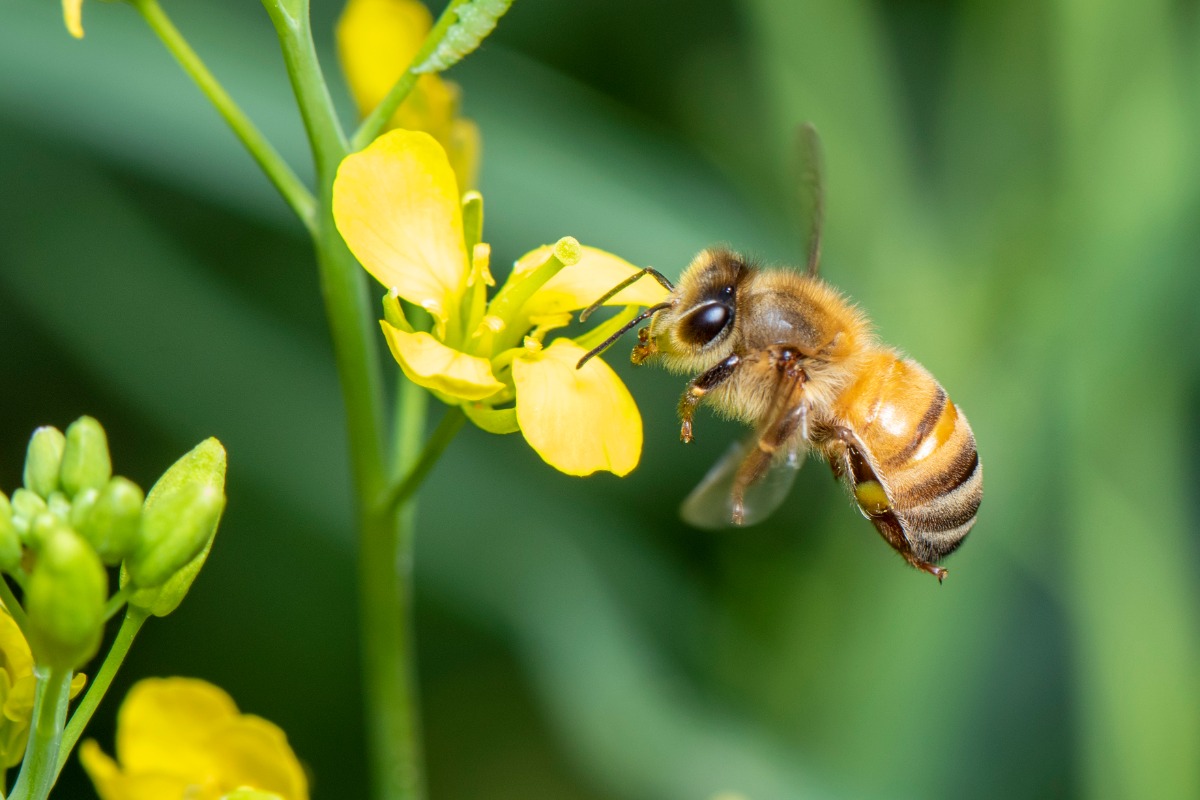
State Insect:
Honeybee
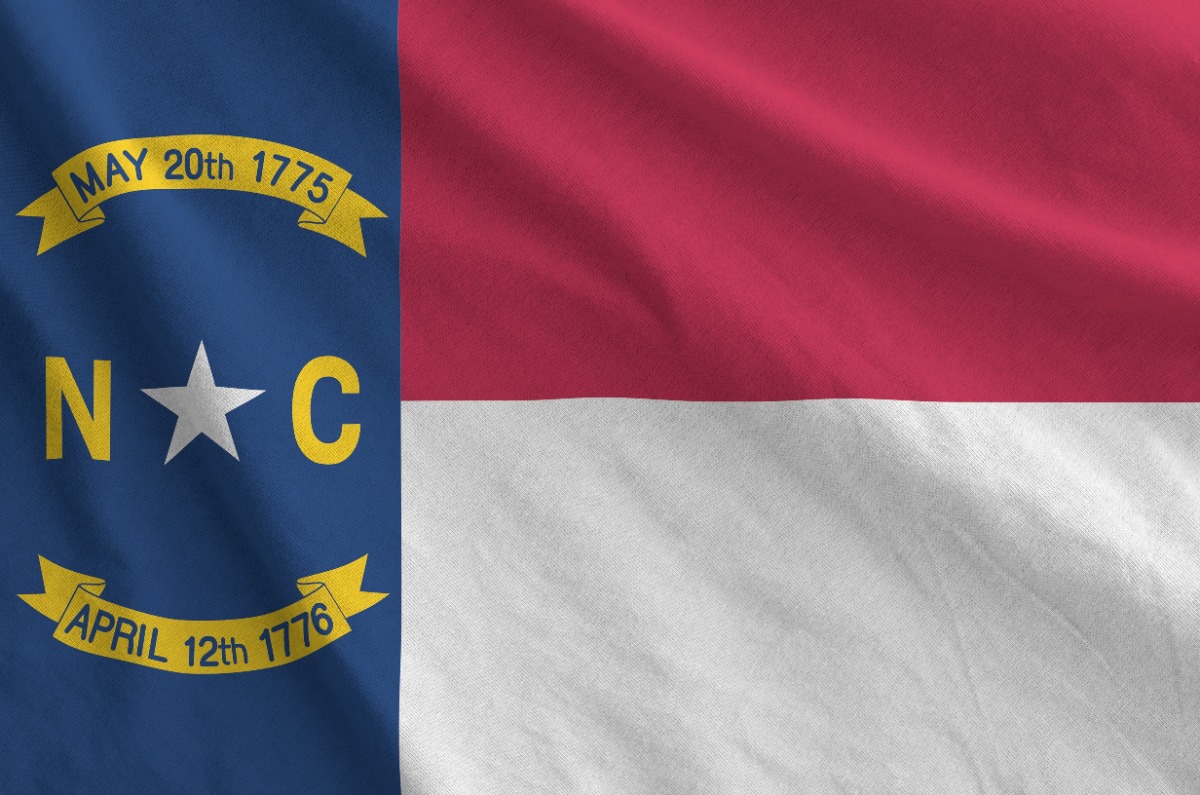
State Flag:
Flag of North Carolina
?
DID YOU KNOW?
The North Carolina flag has two dates: May 20, 1775 and April 12, 1776.
May 20, 1775, is the day some North Carolinians say they signed the Mecklenburg Declaration of Independence, claiming freedom from Britain before the rest of the colonies. April 12, 1776, marks the Halifax Resolves, when North Carolina became the first colony to officially support breaking away from British rule.
NORTH CAROLINA FUN FACTS
Fun Fact #1:
North Carolina is #28 on the list of U.S. states by size, at 53,819 total square miles. It’s the 9th most populous state, with just over 11 million residents.
Fun Fact #2:
On December 17, 1903, Wilbur and Orville Wright made the first controlled, powered airplane flight at Kitty Hawk on the Outer Banks of North Carolina. That first flight lasted 12 seconds and traveled just 120 feet!
Fun Fact #3:
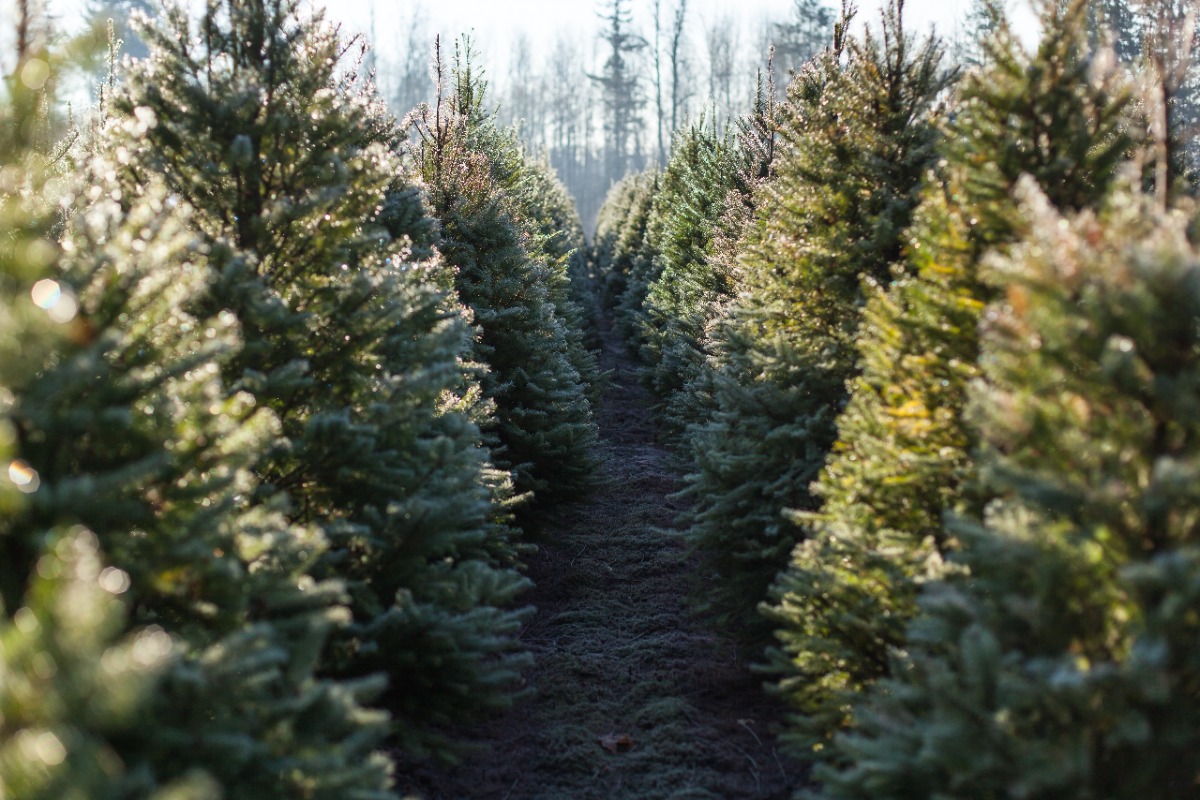
North Carolina is among the largest growers of live Christmas trees in the United States (after Oregon). The state produces more than 3.2 million cut trees, mostly Fraser firs, and in 2024, North Carolina supplied the official White House Christmas tree.
Fun Fact #4:
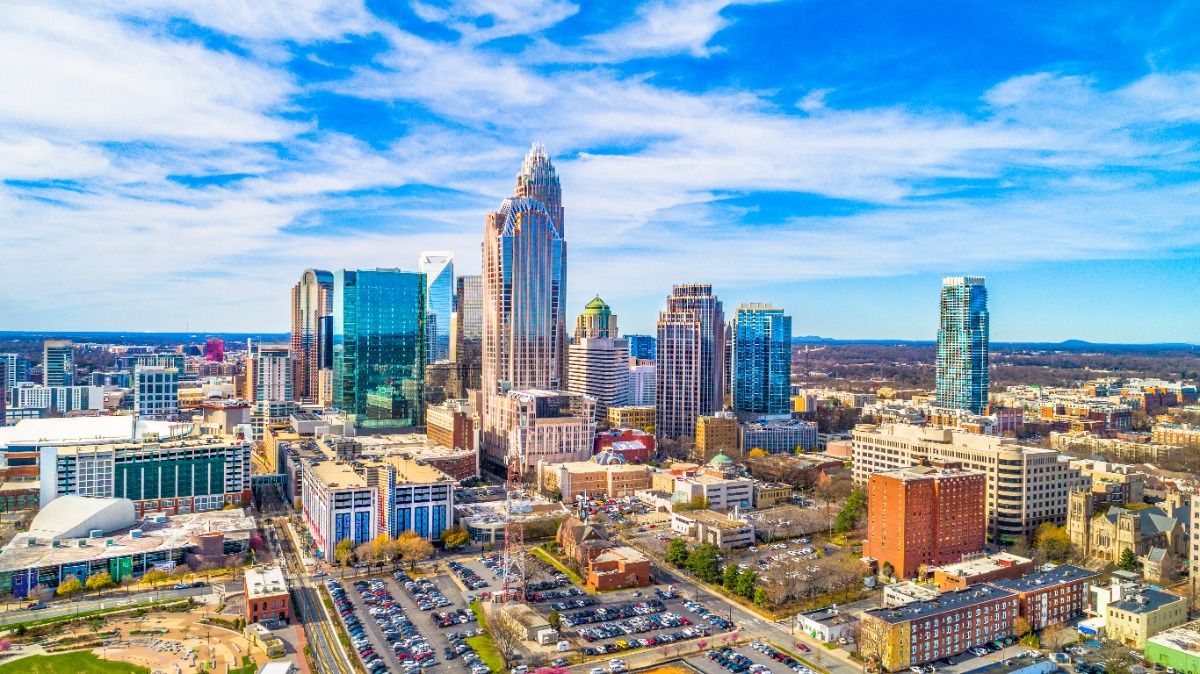
Charlotte is the biggest city in North Carolina, with more than 960,000 people. Other major cities include Raleigh, the capital, along with Greensboro, Durham, and Winston-Salem.
Fun Fact #5:
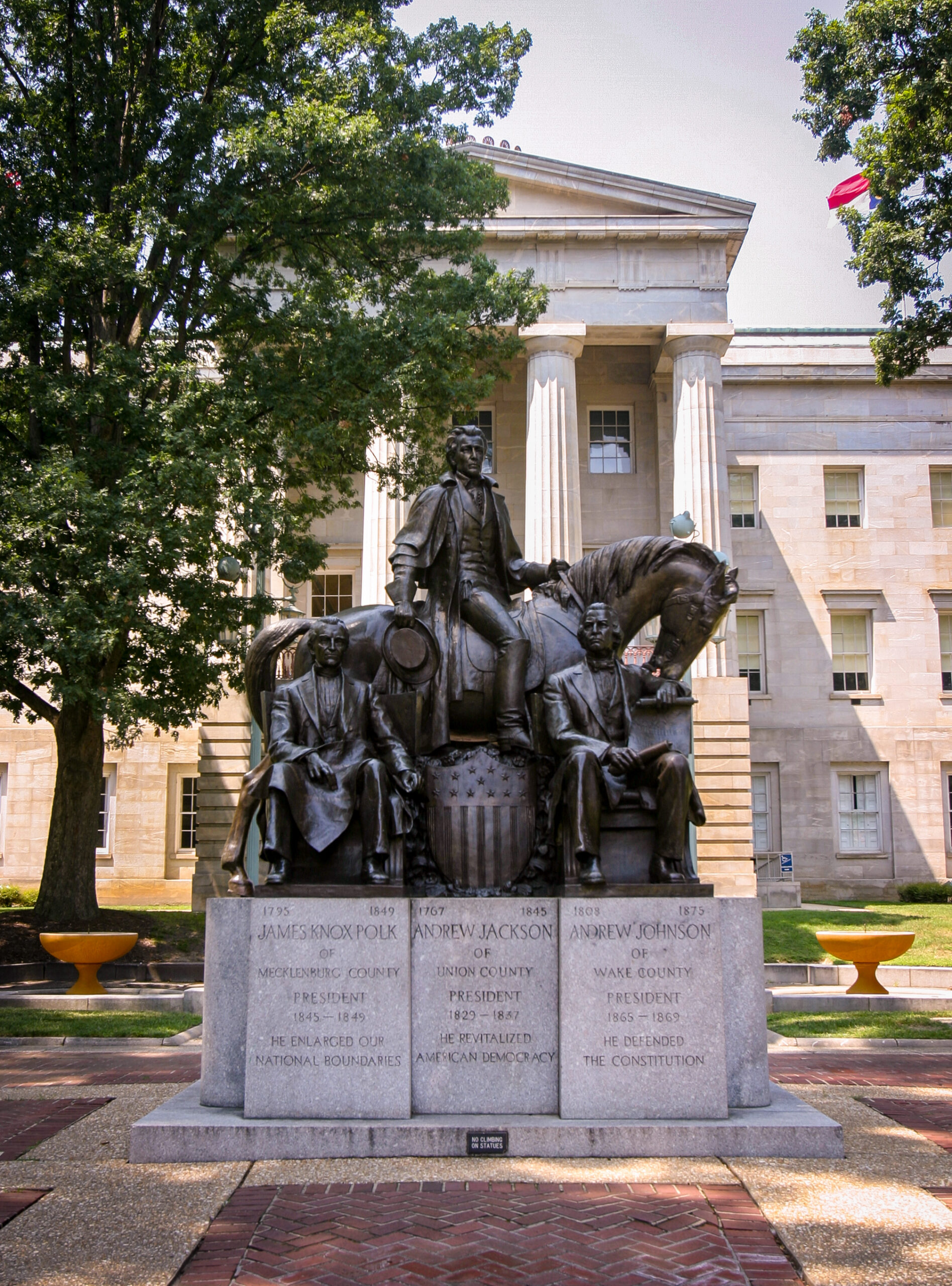
Three U.S. presidents were born in North Carolina: Andrew Jackson, James K. Polk, and Andrew Johnson (although some argue that Jackson was born in South Carolina or near the border of the Carolinas).
Fun Fact #6:
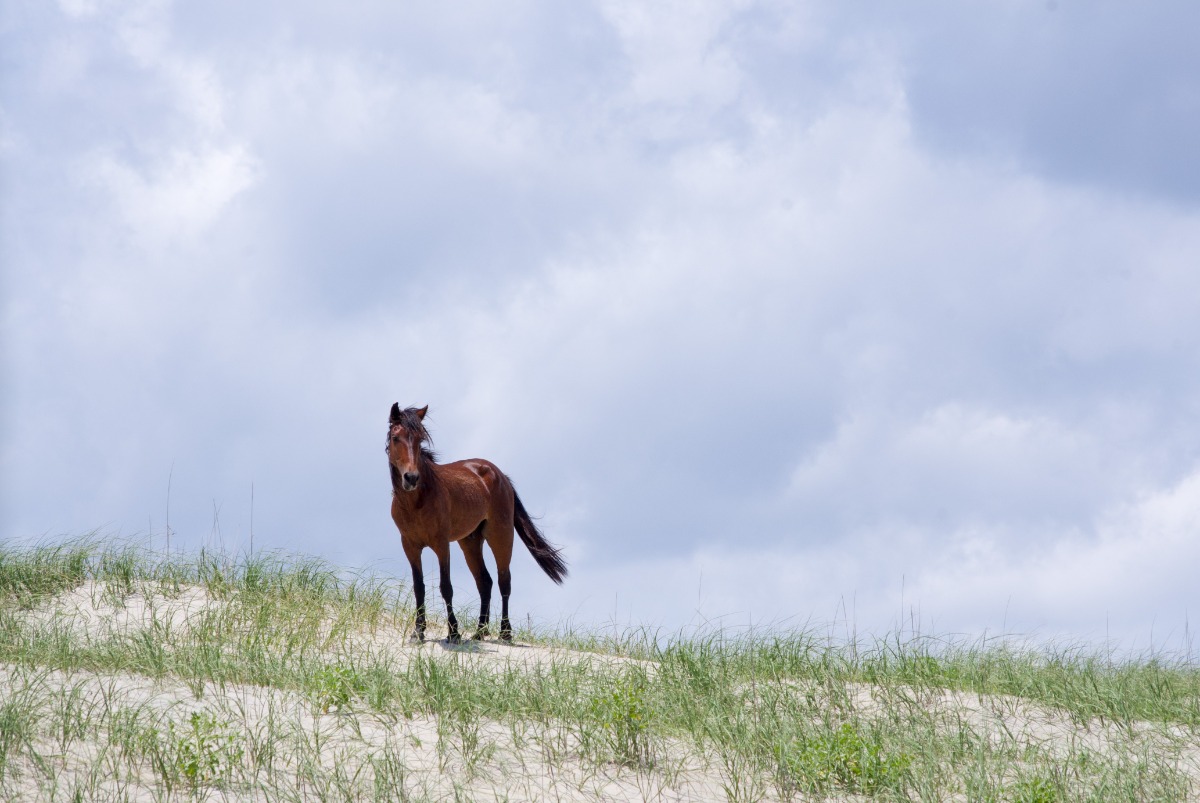
The Outer Banks are home to several herds of wild Spanish mustangs, descendants of those left behind by early explorers in the 16th century. You can see them at places like Corolla and Shackleford Banks.
Fun Fact #7:
Pepsi-Cola was invented in the small town of New Bern, North Carolina in 1898 by a local pharmacist named Caleb Bradham. He originally called his mixture “Brad’s Drink,” but changed it to Pepsi-Cola because it was marketed as a cure to dyspepsia, another name for indigestion.
Fun Fact #8:
The Biltmore Estate is a huge mansion in Asheville, North Carolina, built in the late 1800s by millionaire George Vanderbilt. It’s the largest house in the United States, with grand rooms, beautiful gardens, and a working farm, and is open to the public.

Fun Fact #9:
Krispy Kreme doughnuts were also born in North Carolina! Vernon Rudolph bought a “secret recipe” from a New Orleans chef and began selling the sweet treats in 1937.
Fun Fact #10:
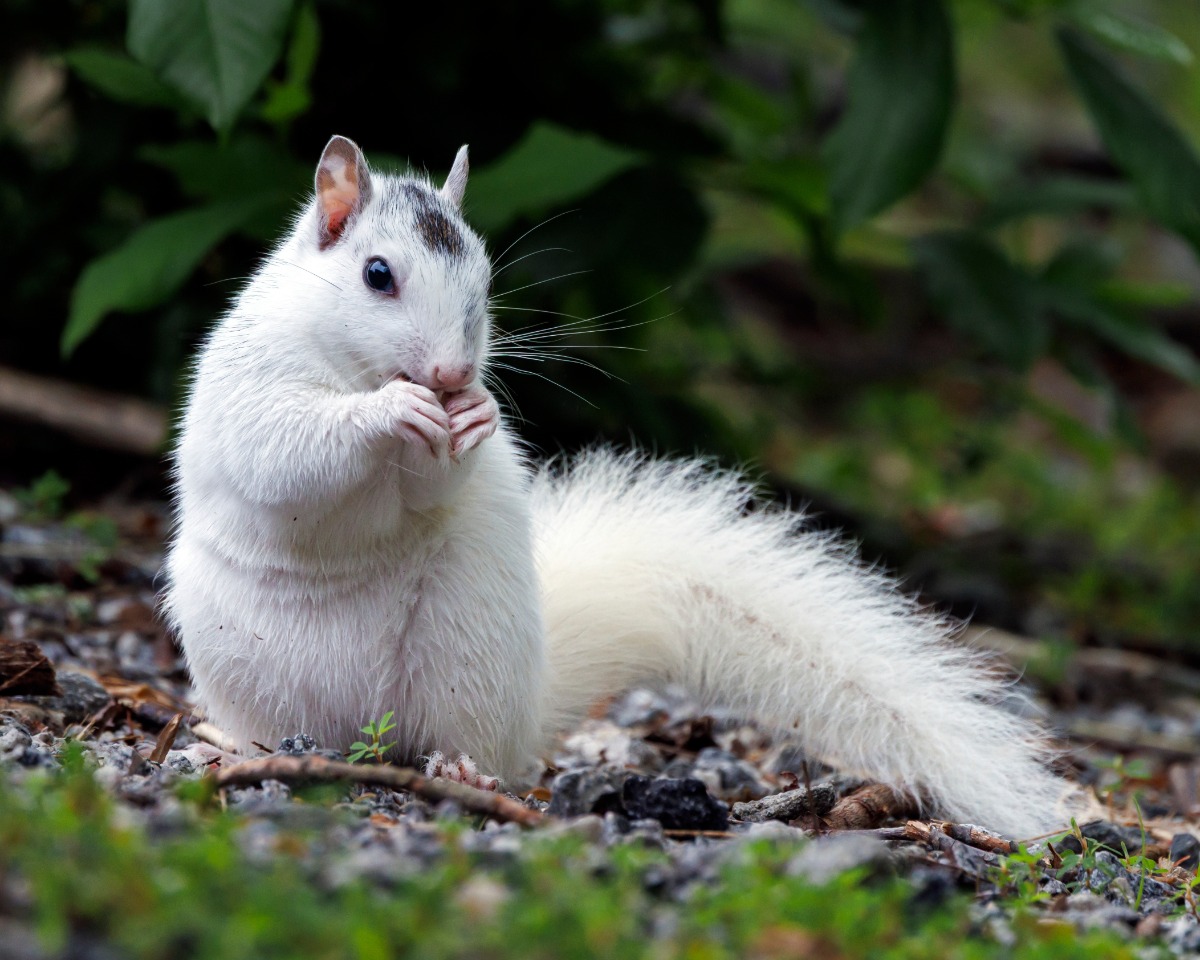
The city of Brevard, North Carolina is home to a large population of white squirrels, a variant of the eastern gray squirrel. According to legend, they arrived in 1949 on a carnival animal truck. Today, they’re protected by the city and many visitors come just to see them.
NORTH CAROLINA GEOGRAPHY FACTS
Regions/Physiographic Provinces:
Coastal Plain, Piedmont,
Mountains
Climate:
Humid Subtropical (Coastal), Subtropical Highlands (Mountains)
Location:
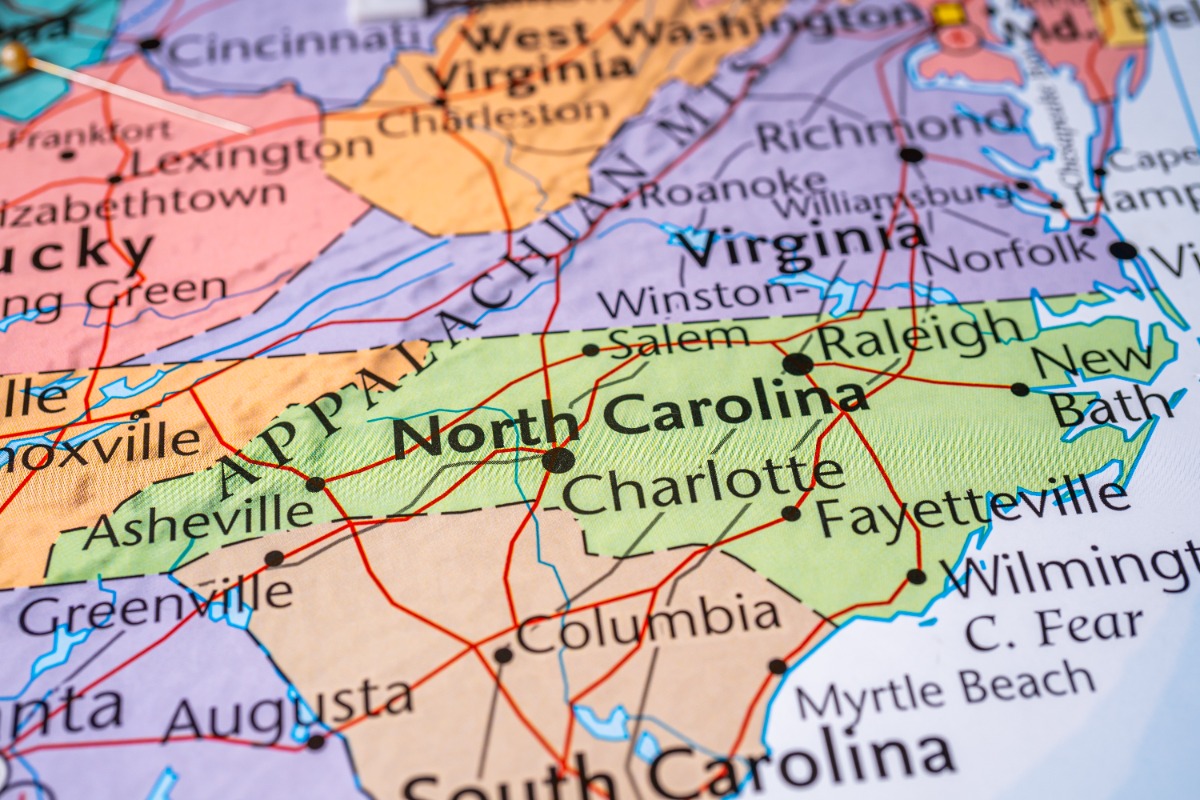
North Carolina is located on the southeastern coast of the United States. It is bordered to the north by Virginia and to the south by South Carolina and Georgia. To the west, it borders Tennessee; on the east, North Carolina meets the Atlantic Ocean.
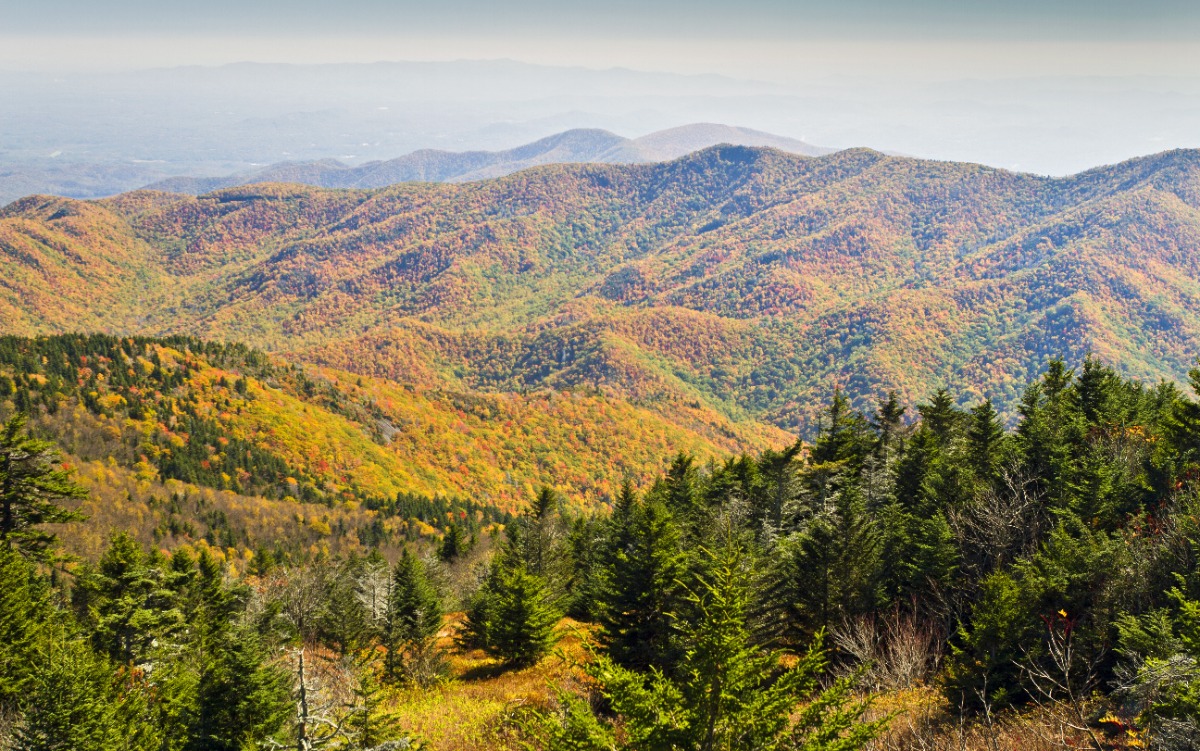
Mount Mitchell
Landmarks:
Mount Mitchell, Blue Ridge Parkway, Piedmont, Outer Banks, Cape Hatteras, Cape Lookout, Great Dismal Swamp, Kitty Hawk, Linville Gorge
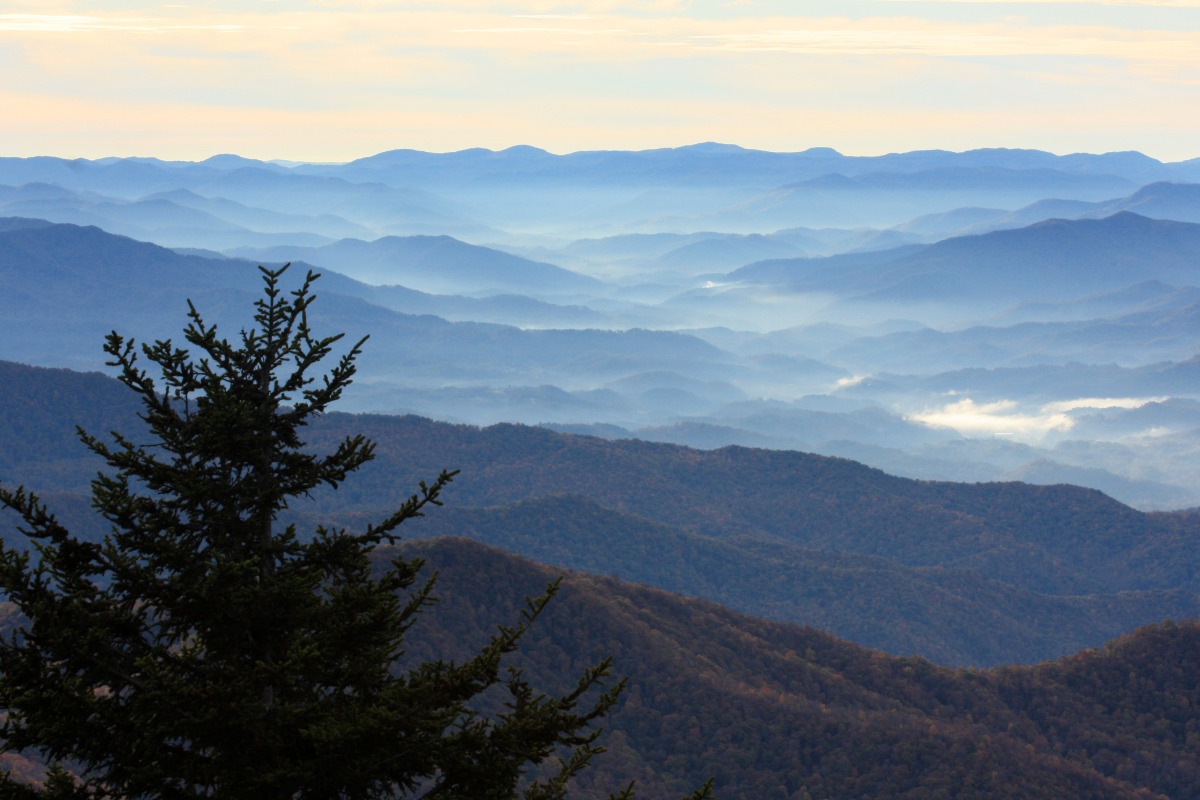
Great Smoky Mountains
Mountain Ranges:
Great Smoky Mountains, Blue Ridge Mountains, Black Mountains
?
DID YOU KNOW?
Linville Gorge, located in the Pisgah National Forest, is sometimes called the “Grand Canyon of the East.” The gorge runs for 12 miles, and is 2,000 feet deep with the Linville River at the bottom.
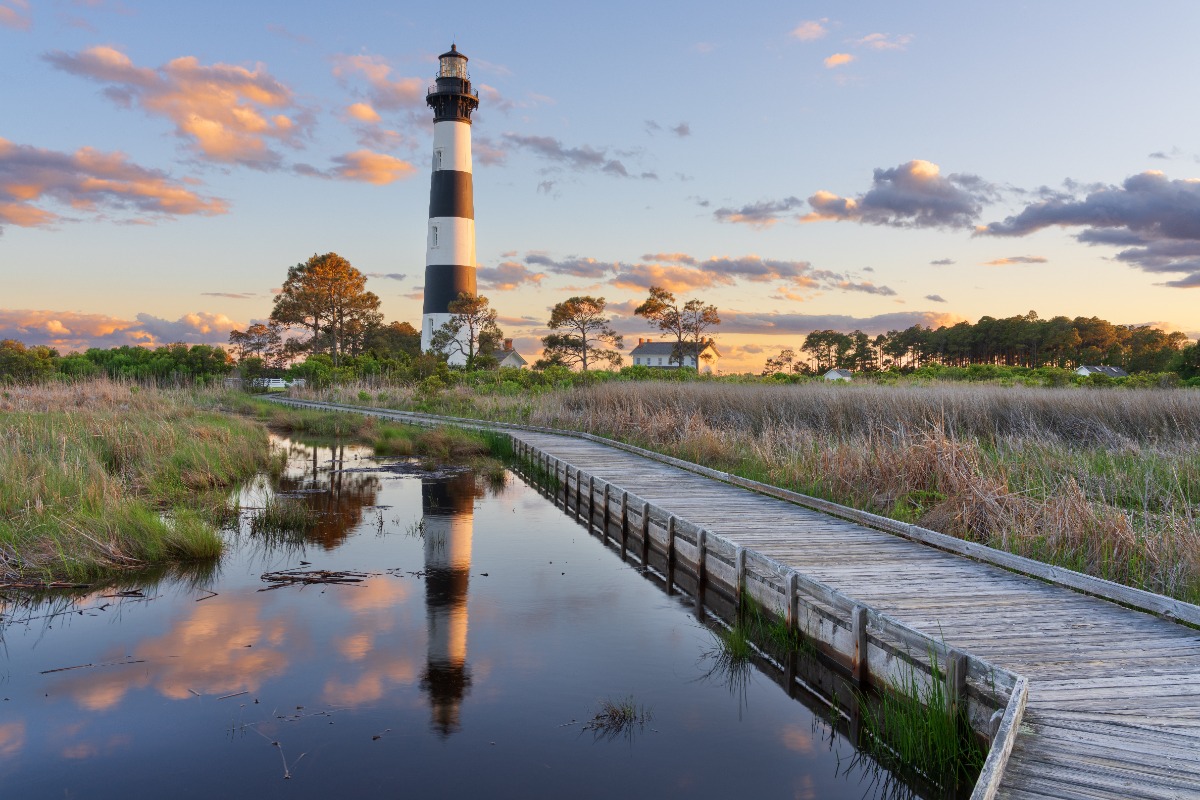
Bodie Island Lighthouse
Outer Banks:
This series of barrier islands lies just offshore of eastern North Carolina, running for more than 175 miles. Major islands in the chain include Currituck Banks; Bodie, Hatteras, Ocracoke, and Portsmouth islands; and North Core, South Core, and Shackleford banks.
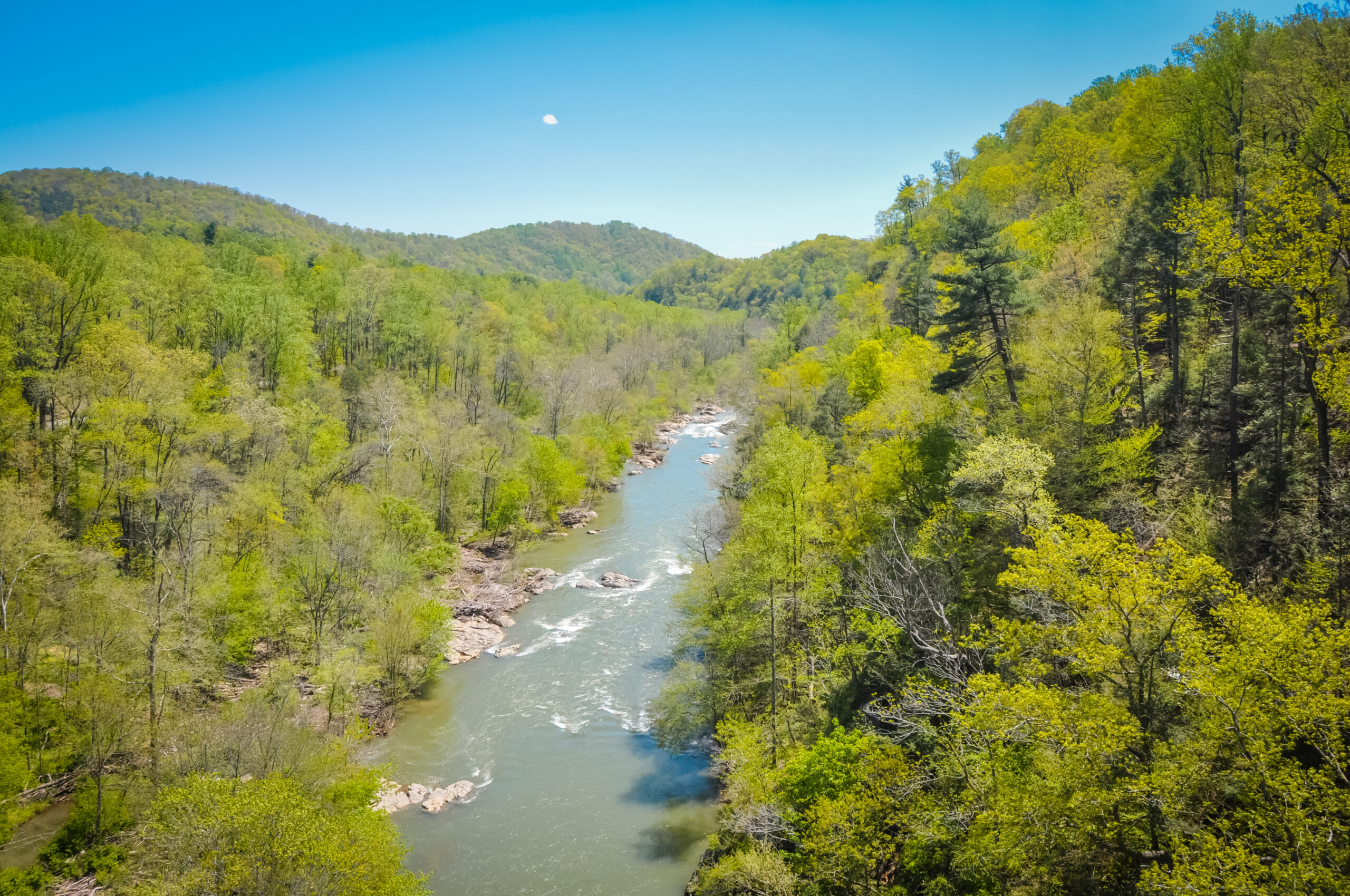
Roanoke River
Major Rivers:
The Roanoke River is the longest river in North Carolina, followed by the New River, the Neuse River, the Pee Dee River, and the Catawba River.
National Parks:
Great Smoky Mountains National Park
Highest Point:
Mount Mitchell (6,684 feet)
?
DID YOU KNOW?
Mount Mitchell is the tallest mountain in the United States east of the Mississippi River.
NORTH CAROLINA WILDLIFE & NATURE FACTS
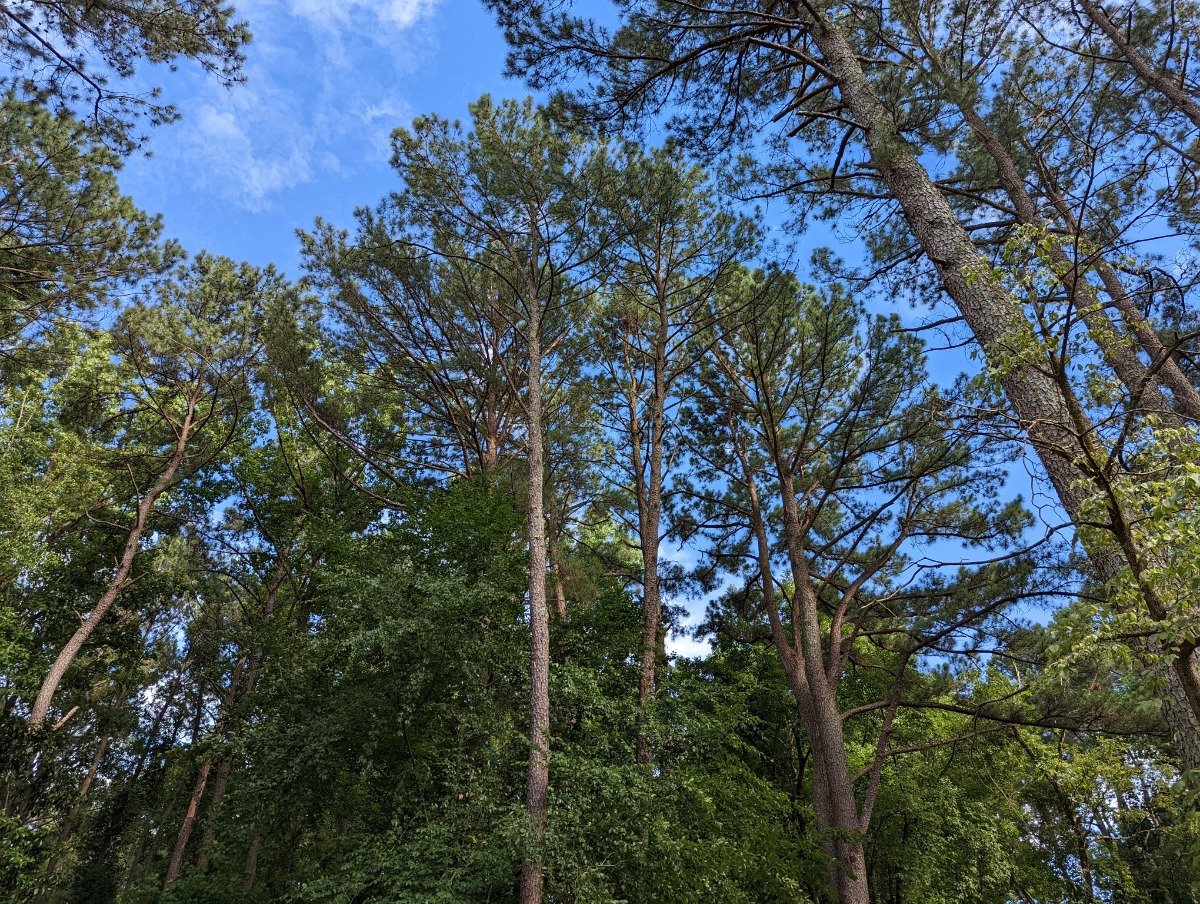
Loblolly pine
Common Trees:
Loblolly pine, longleaf pine, white ash, boxelder, flowering dogwood, red maple, Florida maple, devil’s walking stick, pignut hickory, eastern redbud, sweetgum, American beech, yellow poplar, red oak, white oak, chestnut oak
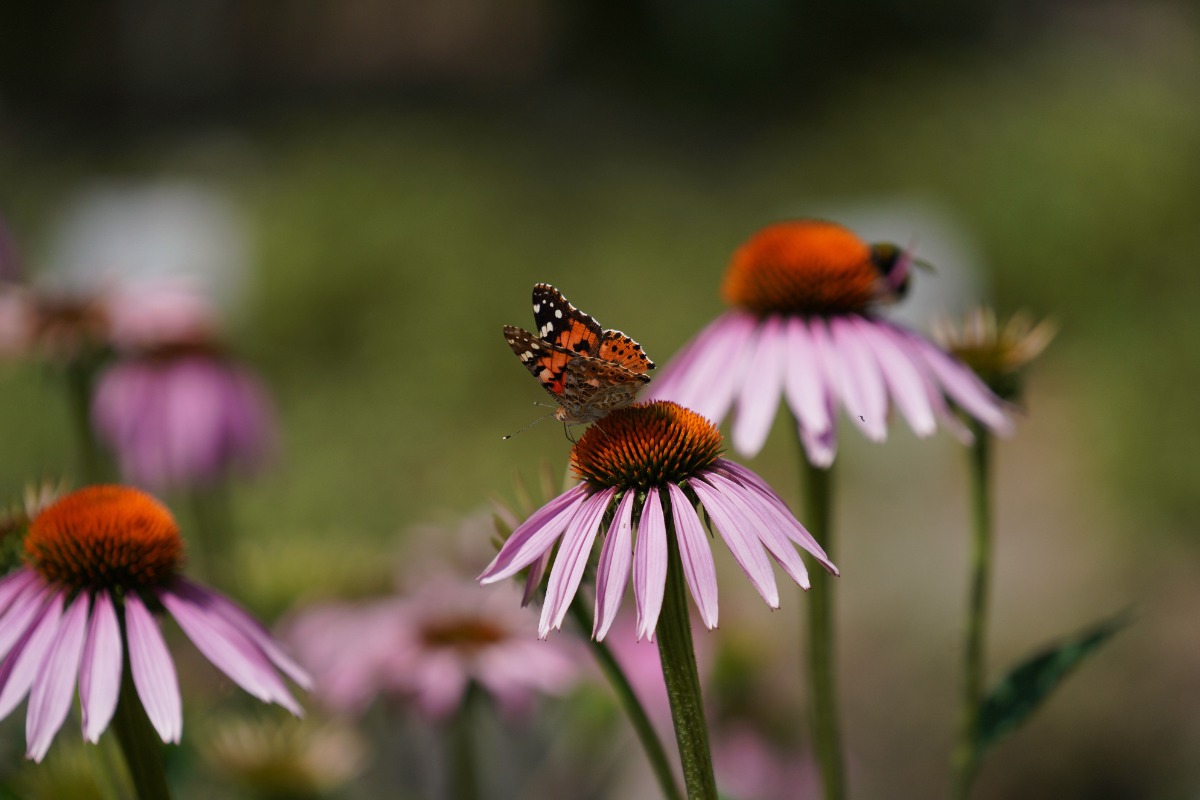
Purple coneflower
Common Plants and Flowers:
Black-eyed Susan, cardinal flower, butterfly weed, purple coneflower, wild bergamot, Carolina jessamine, mountain laurel, rhododendron, flame azalea, sweetshrub, foamflower, trout lily, bloodroot, and Dutchman’s breeches
?
DID YOU KNOW?
While it might seem like an exotic plant, the Venus flytrap is actually native to the U.S., where the original plants only grew in a small area of longleaf pine in North and South Carolina. Charles Darwin once called it “one of the most wonderful plants in the world.”
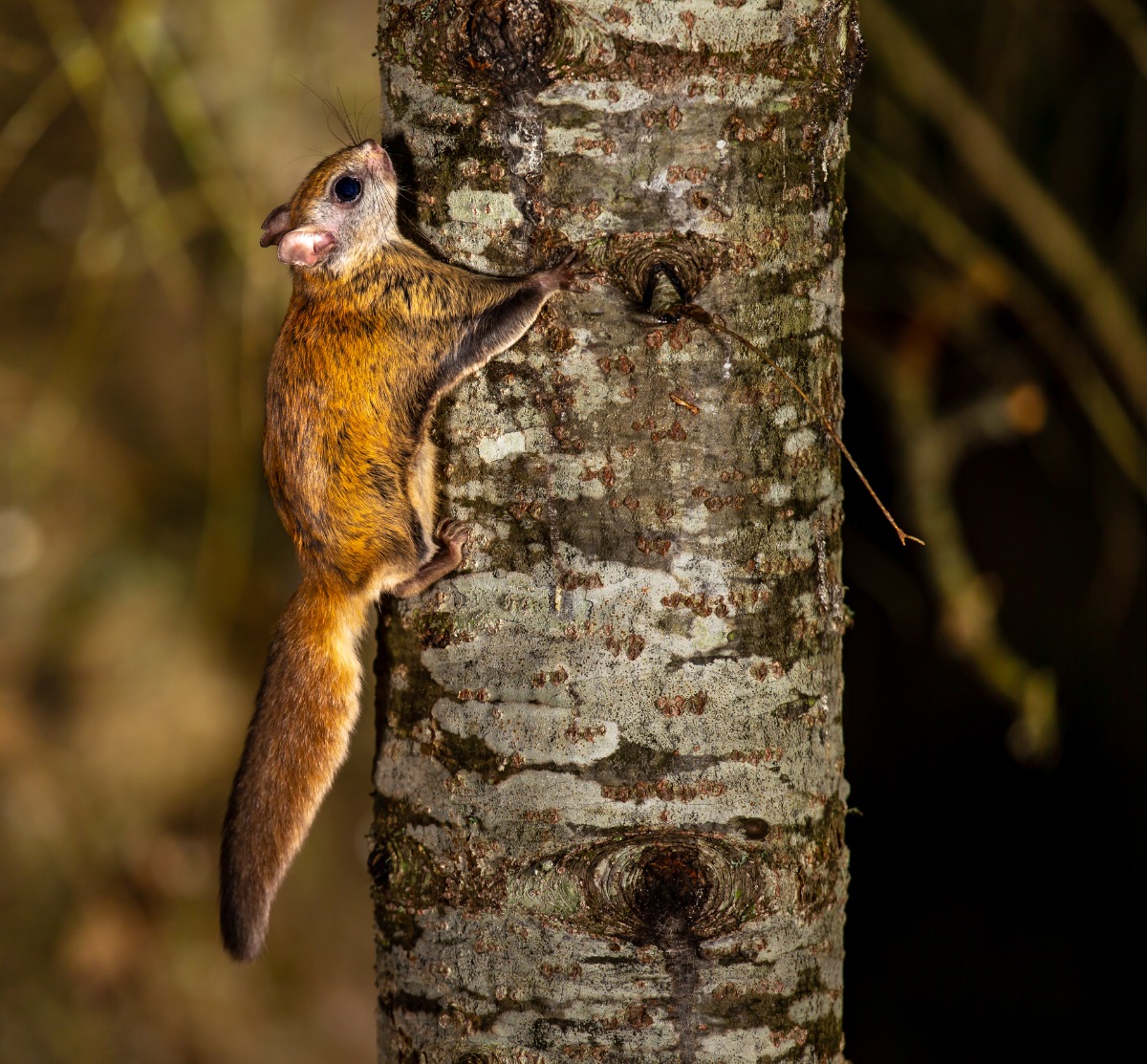
Northern flying squirrel
Common Mammals:
Beaver, black bear, bobcat, northern flying squirrel, coyote, fox squirrel, gray fox, gray squirrel, mink, muskrat, raccoon, red fox, red wolf, southern flying squirrel, striped skunk, Virginia big-eared bat, white-tailed deer, wild boar
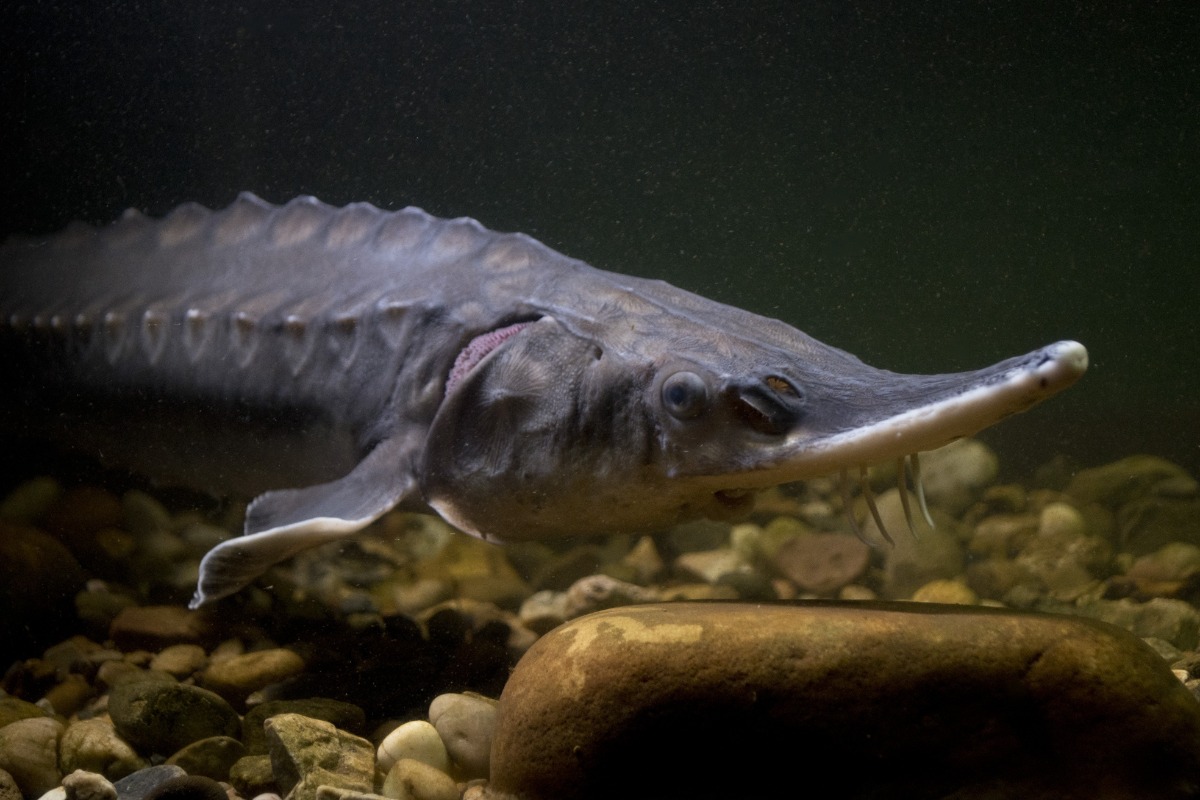
Atlantic sturgeon
Common Fish and Aquatic Life:
American shad, Atlantic sturgeon, black crappie, bluegill, Carolina madtom, channel bass (red drum), crayfish, largemouth bass, Roanoke hogsucker, sea turtle, southern Appalachian brook trout, striped bass, tangerine darter, white crappie, walleye
Selected Endangered/
Threatened Species:
Atlantic sturgeon, Carolina northern flying squirrel, red wolf, bog turtle, spruce-fir moss spider, West Indian manatee, Kemp’s Ridley sea turtle
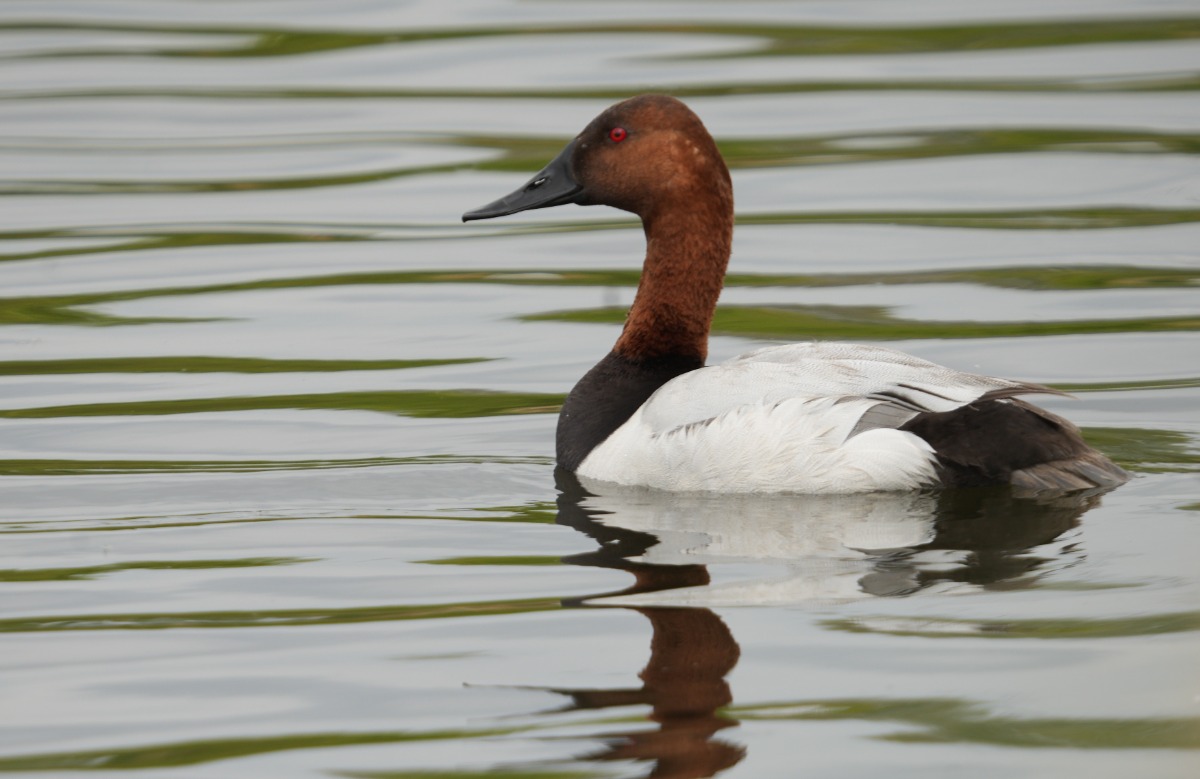
Canvasback duck
Common Birds:
Black duck, Canada goose, canvasback duck, northern cardinal, clapper rail, eastern wild turkey, great horned owl, mallard, mourning dove, northern bobwhite quail, osprey, red-shouldered hawk
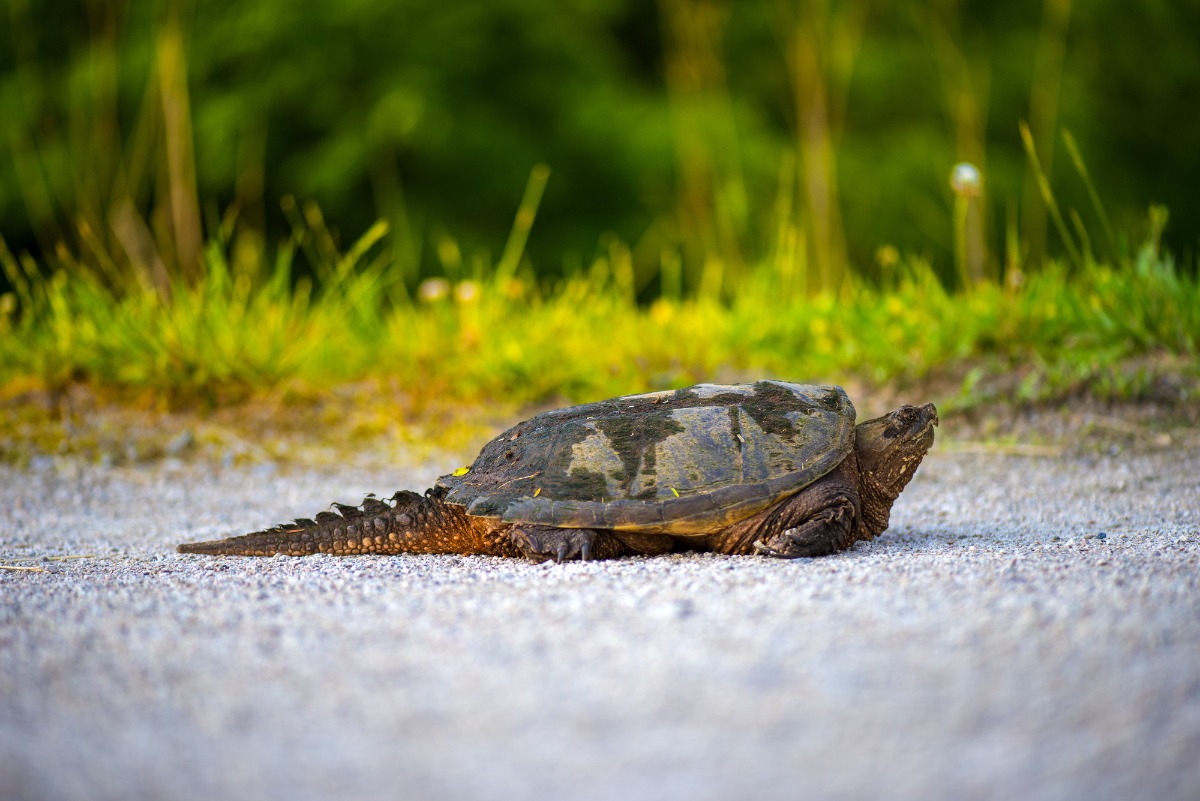
Snapping turtle
Common Reptiles and Amphibians:
Eastern box turtle, snapping turtle, green anole, five-lined skink, corn snake, eastern rat snake, copperhead, American toad, spring peeper, bullfrog, marbled salamander
Selected Invasive Species:
Feral swine, hemlock wooly adelgid, nutria, emerald ash borer, zebra mussel
?
DID YOU KNOW?
Three species of sea turtles lay their eggs on North Carolina beaches: loggerhead, green, and leatherback.
NORTH CAROLINA HISTORY FACTS
First Inhabitants:
Paleo-Indians first arrived in the area now called North Carolina around 10,000 years ago. They lived in small groups, hunting and foraging for food, and moving on when food became scarce.
Native Tribes:
Over time, these indigenous people formed into various tribes like the Tuscarora, Cherokee, and Catawba. They shared cultural traits and spoke related languages such as Siouan, Iroquoian, and Algonquian.
?
DID YOU KNOW?
For a time in the mid-1400s, the Creek people moved north into the Pee Dee River valley, pushing out the Siouan tribes. But before the Europeans arrived, the Siouan tribes had pushed out the Creek and reclaimed their land.
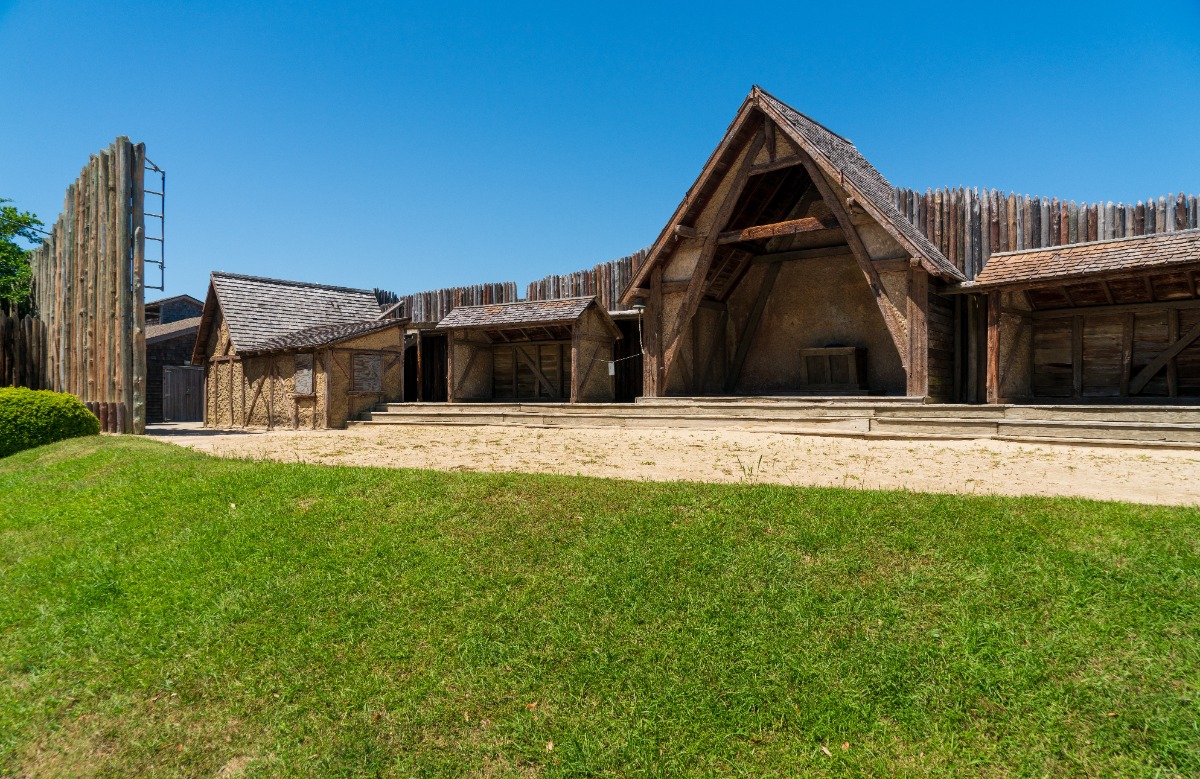
The First English Settlement in the United States at Fort Raleigh National Historic Site
Lost Colony at Roanoke:
In July, 1587, about 150 men, women, and children formed a colony on Roanoke Island, supported by Sir Walter Raleigh of England. By the time supply missions were able to return in 1590, all the people had vanished. To this day, no one is quite certain what happened to them.
Tuscarora War:
By the early 18th century, the Tuscarora were angry because European settlers were taking their land, making unfair trades, and capturing Native people to sell as slaves. Fighting broke out, and after several battles from 1711-1713, the Tuscarora were defeated. Many moved north to join the Iroquois in present-day New York, far from their ancestral home.
Original Colony:
Initially, North and South Carolina were all part of the larger colony of Carolina, but the area proved too large to be under one governor. In 1691, a deputy governor was appointed for the northern part of the colony. Then, in 1712, North Carolina and South Carolina officially split. Each became one of the Original 13 Colonies.
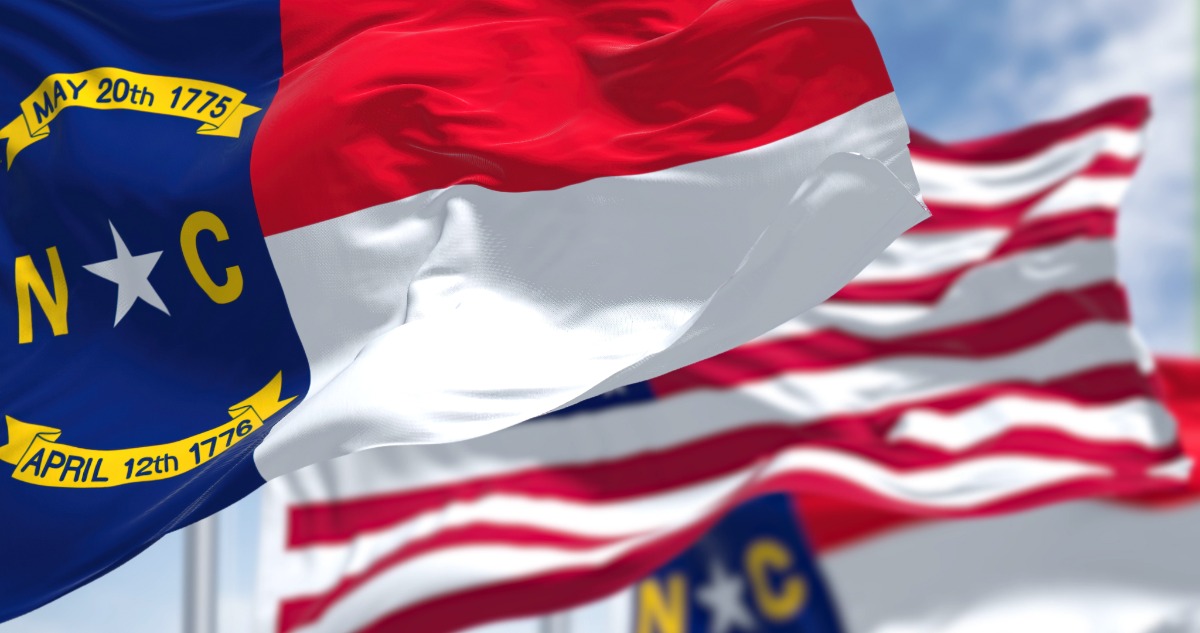
North Carolina state flag alongside the national flag of the United States of America
Halifax Resolves:
Throughout the 18th century, the 13 Colonies became more and more discontented with the way England treated them. They began discussing a move toward independence, holding Continental Congress meetings to discuss it. In April of 1776, North Carolina agreed to send their delegates to vote for independence. At the same time, they became the first colony to authorize its delegates to vote for independence from Great Britain, creating a document known as the Halifax Resolves.
?
DID YOU KNOW?
Some believe that an earlier declaration of independence was written May 20, 1775 in Mecklenburg. However, historians don’t all agree this actually happened, even though this date does appear on the North Carolina flag.
Revolutionary War:
North Carolina was home to several important battles in the Revolutionary War. In 1776, Patriots defeated Loyalists at the Battle of Moore’s Creek Bridge, keeping them from taking control of the colony. The 1780 battle at King’s Mountain was a turning point in the war, while the British technically won the Battle of Guilford Courthouse (1781), their major losses brought the end of the war closer.
Statehood:
On November 21, 1789, the North Carolina General Assembly became the 12th state to ratify the United States Constitution. North Carolina was an important agricultural resource in the new country, growing crops like tobacco, cotton, and corn.
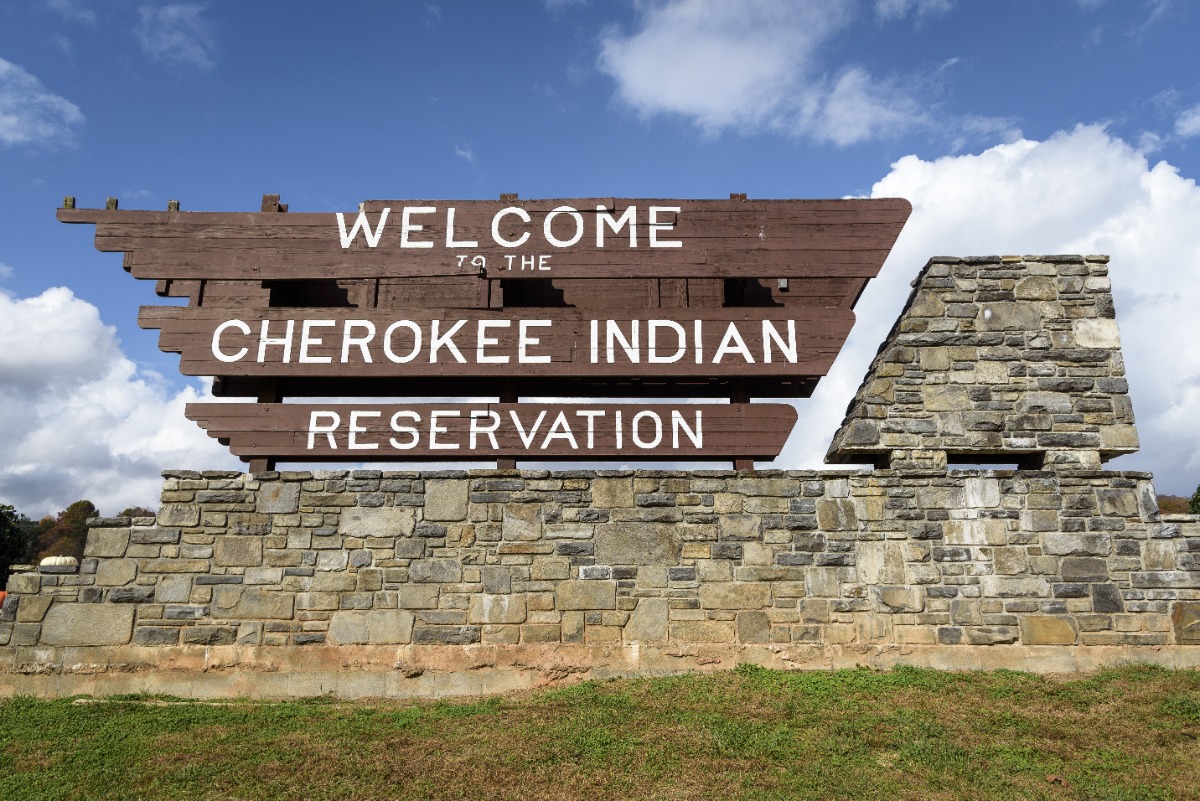
Cherokee Indians reservation sign
Trail of Tears:
In 1838, the government, which wanted to use Native American land for farming and mining, forced tribes like the Cherokee to leave and move west, following what later became known as the Trail of Tears. Many died of illness, starvation, and exposure on the way to their new homes in what is now Oklahoma.
Civil War:
North Carolina seceded from the Union May 20, 1861, joining the Confederacy. The Battle of Bentonville, fought in March 1865, was the largest battle in the state and also one of the last in the war.
Reconstruction Era:
After the Civil War ended, North Carolina and its fellow former Confederate States had to undergo Reconstruction led by the Federal Government before they were permitted to rejoin the Union. African Americans were given greater legal rights, though they often faced local illegal discrimination and even violence. This time of Federal control lasted until 1877.
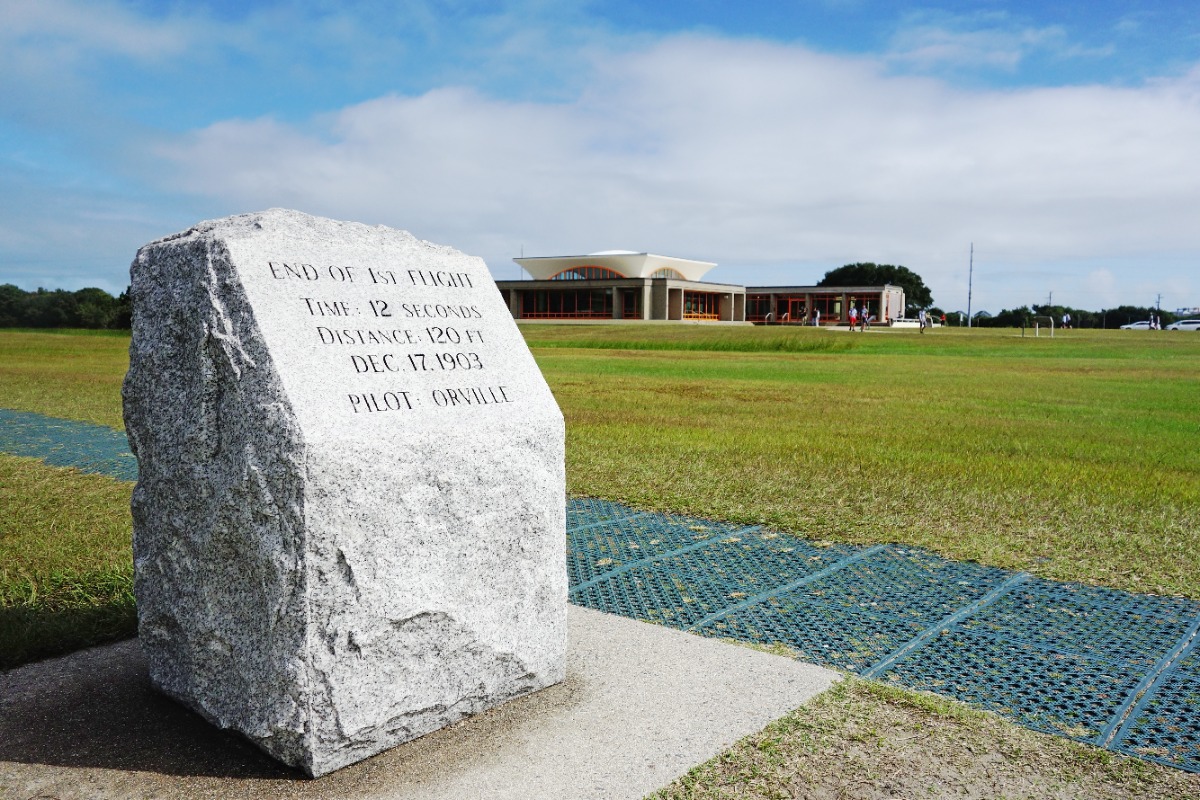
Marker from the Wright Brother’s first successful fight
Wright Brothers:
In 1903, Wilbur and Orville Wright made history with the first controlled, powered flight on Kill Devil Hill at Kitty Hawk. They chose the area for its strong, steady winds. Their first plane had a 12-horsepower motor, and on December 17, Orville piloted the plane for its first 12-second flight.
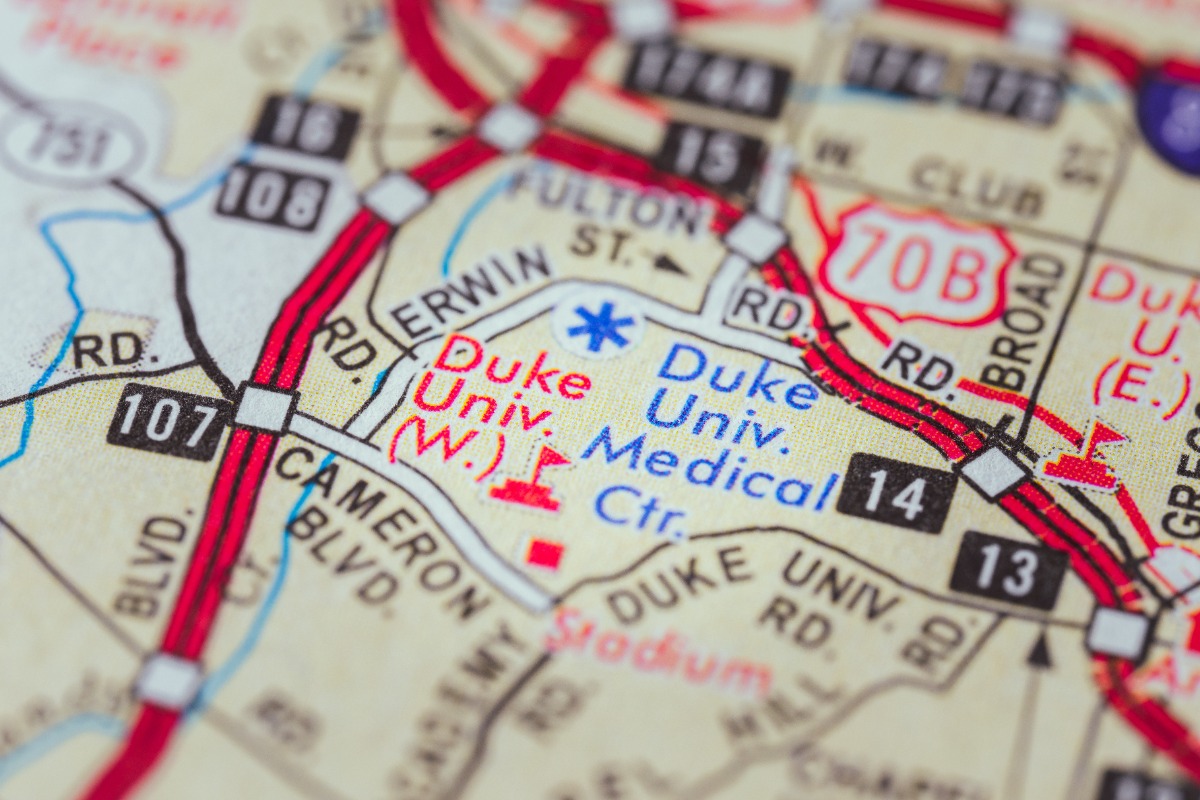
Map of Duke University located within RTP
Research Triangle Park:
In 1959, Research Triangle Park (RTP) opened near the cities of Raleigh, Durham, and Chapel Hill, which form a “triangle.” RTP is known for jobs in medicine, computers, and science, and it helped make North Carolina a center for innovation and new ideas, then and now.
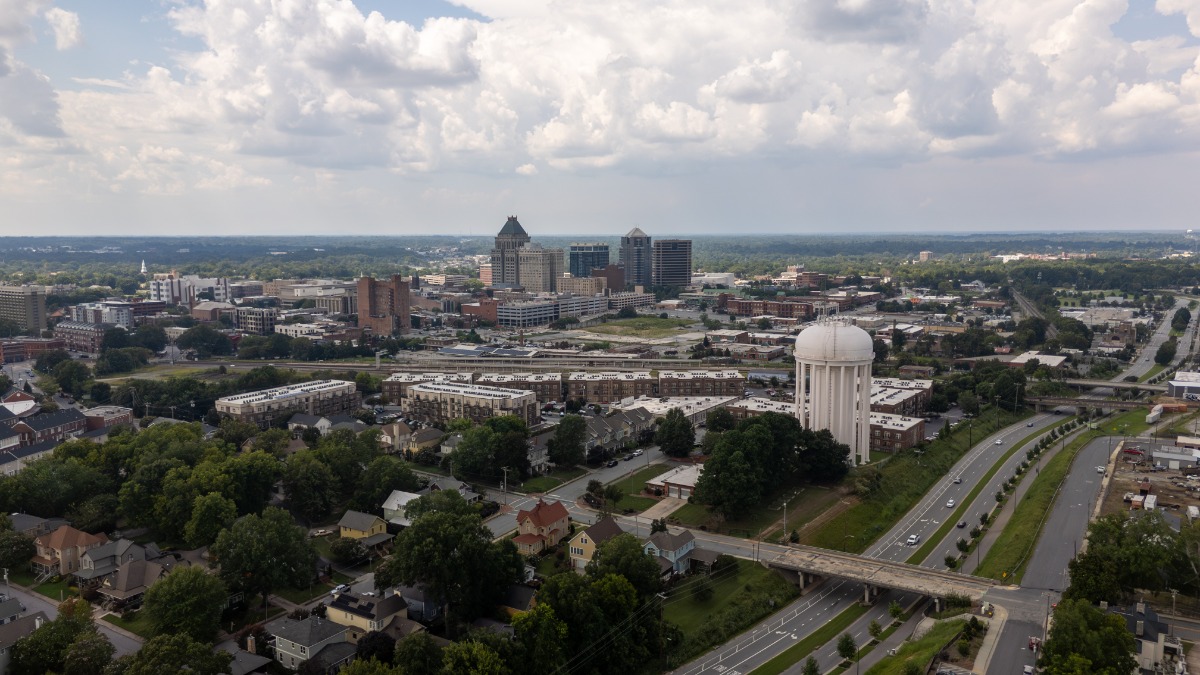
Aerial view of the Greensboro, NC
Civil Rights:
Greensboro was the site of a series of sit-ins that added to the momentum to the Civil Rights Movement in the 1960s. Four young Black men sat down at the “Whites Only” counter of the Greensboro Woolworth’s in February 1960, refusing to leave until they were served. In the days and weeks that followed, sit-ins expanded to other businesses in the area, with hundreds of participants. By the end of the summer, the city had desegregated all public eating places.

Keep Exploring Fun Facts About States Across America
-

Ohio Facts for Kids
Discover fun and surprising Ohio facts for kids—covering history, nature, geography, and more. Includes a free printable list to share.
-

North Carolina Facts for Kids (Free Printable List)
Discover fun North Carolina facts for kids, from state symbols and wildlife to history, geography, landmarks, and a free printable facts list.
-

New York Facts for Kids
Discover interesting New York facts for kids—covering history, nature & landmarks. Includes a free printable for learning at home or school.
-

Interesting Michigan Facts for Kids (Free Printable List)
Explore Michigan with fun facts for kids about the Great Lakes State, including its history, wildlife, state symbols, landmarks, and a free printable list
-

Interesting Facts About California
Discover fun facts about California for kids! Learn about its wildlife, history, landmarks, and geography. Download a free printable list for easy learning.
-

Fascinating Pennsylvania Facts for Kids (Free Printable List)
Discover fun Pennsylvania facts for kids, from state symbols and wildlife to history, geography, landmarks, and a free printable facts list.
-

90+ Fun Texas Facts Kids Will Love to Learn
Discover 90+ fun Texas facts for kids—covering history, animals, geography, and more. Great for learning or planning a trip!
-
100+ Illinois Facts for Kids (Free Printable List)
Discover 100+ Illinois facts for kids, including history, wildlife, geography, and fun trivia, plus free printable worksheets for easy learning.
-

100+ Georgia State Facts for Kids (Free Printable List)
Discover 100+ Georgia facts for kids, from history and geography to wildlife and fun trivia—plus a free printable list for easy learning.
-

100+ Fun Florida Facts Kids Will Love to Learn
Explore fun Florida facts for kids—from animals and landmarks to weather and history—plus grab a free printable for learning at home or school.