What Is Montessori Homeschooling?
Get insights on this popular approach to learning and how to incorporate it into your homeschool.
Dr. Maria Montessori, Italy’s first female physician, began her Montessori method of educating children in the late 1800s and early 1900s. She opened the Casa dei Bambini, or Children’s House, where she observed how a child’s innate desire to learn, explore, and master new skills suited them well through their education. Dr. Montessori’s theories and techniques are still widely used in homeschools worldwide.
In Montessori homeschooling, children are encouraged to take ownership of their education. In this child-led approach, parents create an environment conducive to learning the Montessori way and follow their child’s natural curiosity and interests to find connections to learning.
The Seven Key Elements of Montessori Homeschooling
Montessori education includes the following seven key elements:
- A Well-Organized Environment
A Montessori homeschool includes minimal yet effective educational toys and manipulatives that are accessible on low shelves. The learning areas are tidy, simple, organized, and logical.
- Child-Directed Learning
When children feel a sense of control in their learning, their confidence and independence grows. Within a Montessori homeschool, a child is encouraged to select an activity and work on it uninterrupted for as long as the child is interested, then promptly return it to its place and find the next activity.

- Freedom to Move
It’s believed that movement is closely related to cognition, so children in Montessori homeschooling programs are encouraged to move freely while using their learning materials.
- Didactic Materials
The Montessori curriculum includes beautifully-crafted learning materials which teach a single skill or concept. There is a logical progression to these manipulatives.
- Mixed-Age Learning
Montessori homeschooling works great for families with multiple children. Younger siblings observe and model the behavior of the older kids, and older siblings enjoy the natural leadership and responsibility of being a role model for the younger children.
- Focus on Intrinsic Motivation
Grades, stickers, and awards aren’t used in Montessori homeschooling. Instead, home educators work hard at helping their children keep their natural love for learning and mastering a new task as their motivation.
- Hands-on Learning
The Montessori method believes that interacting with materials is one of the best ways to learn. Instead of memorizing math facts, children count concrete materials. Instead of textbooks, children use wooden letters (moveable alphabet) to learn to read and write.
Easy Ways to Add Montessori to Your Homeschool
Create a learning environment that offers choices for your children and let them explore it freely.
You can change the learning options daily or weekly or leave several in place for longer periods of time. The Montessori method believes that giving children a choice about what they’re learning helps them feel a sense of control and success.
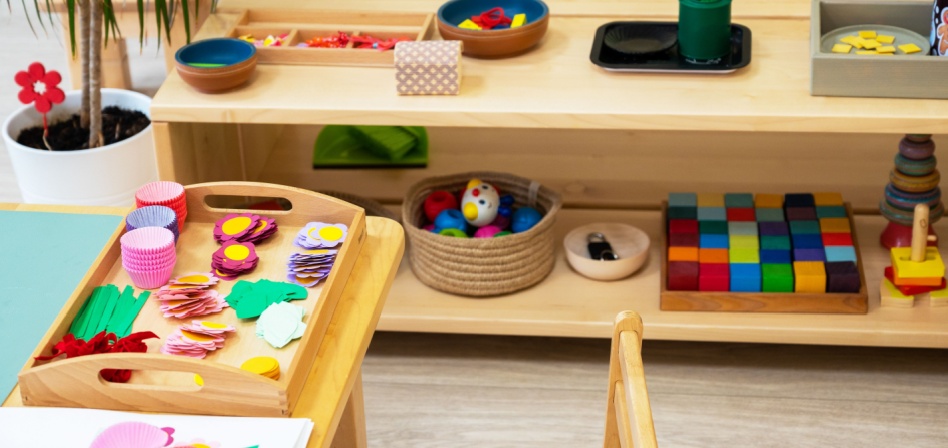
The Montessori method also supports the idea of natural learning.
Provide your child opportunities to help make dinner, clean up the learning space, or organize their books. Keep tools for these tasks available to them and in a size they can easily manipulate.
Promote self care.
The Montessori method teaches children the importance of caring for oneself, including brushing their hair and teeth and getting dressed.
Spend time in nature and appreciate music.
Developing an appreciation for the outdoors and for music are important parts of Montessori homeschooling. Music appreciation can even involve pots and pans or dried beans in a container.

Help your child learn self-regulation.
Another element of the Montessori approach is teaching children to behave in a way that’s appropriate for the environment they’re in. Montessori typically happens in a mixed-age classroom and older children often help demonstrate appropriate ways to behave in different circumstances. Home educators can also guide children through this by modeling and encouraging positive behavior.
Advantages and Disadvantages of Montessori Homeschooling
| Advantages of Montessori | Disadvantages of Montessori |
|---|---|
| Fosters independence and an innate love for learning without extrinsic motivation. | Can lack consistent implementation due to its extensive material and theories. |
| Children build confidence and independence as they master hands-on skills progressively. | May be difficult to transition to higher education without any grades or physical results. |
| A child-led approach helps children feel respected as they learn and move at their own pace. | If transitioning to a Montessori school, tuition can be costly. |
Montessori Homeschool Curriculum
Many of the pieces of curricula labeled as Montessori are recommendations rather than required. Home educators are welcome to select their own coursework and programs to tie into the Montessori philosophy.
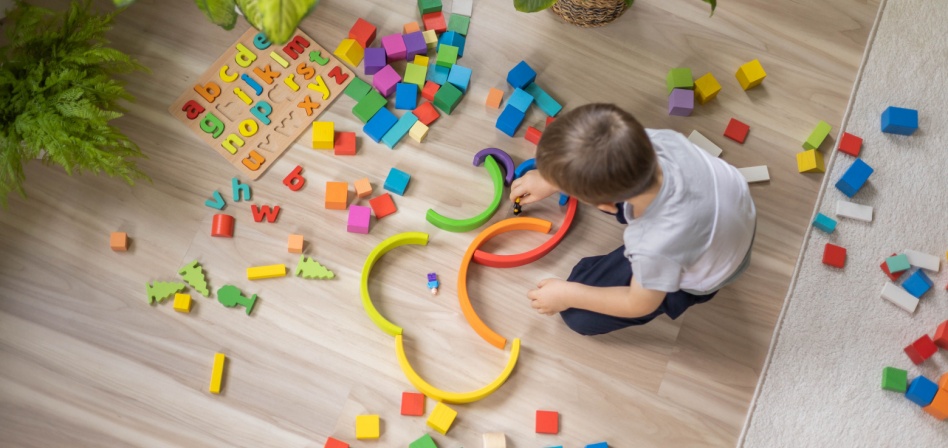
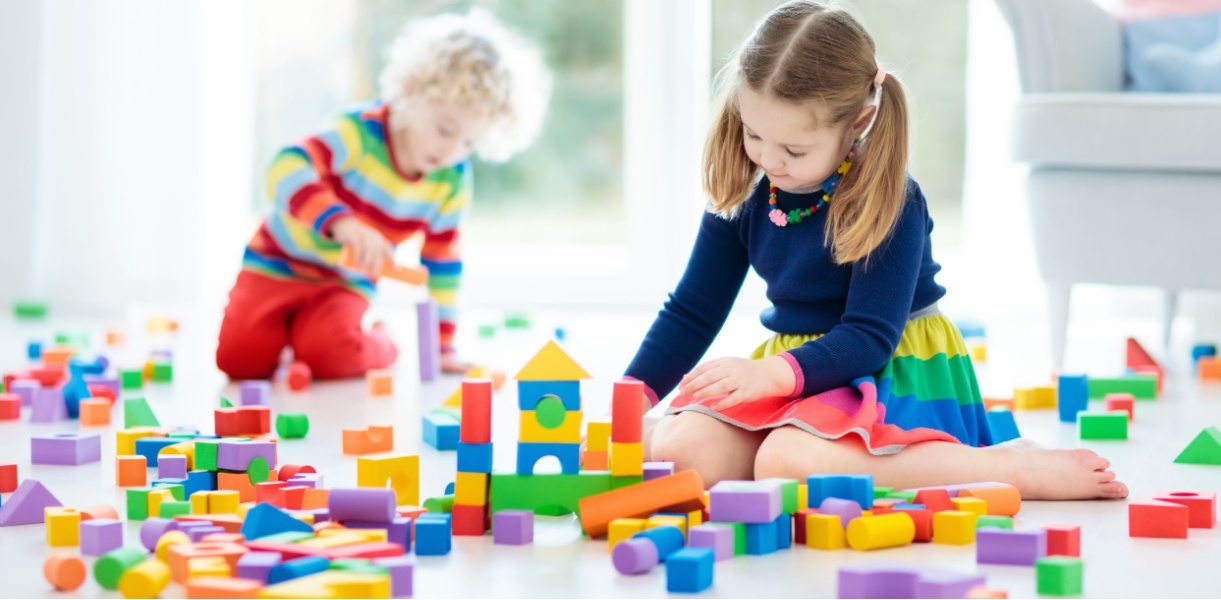
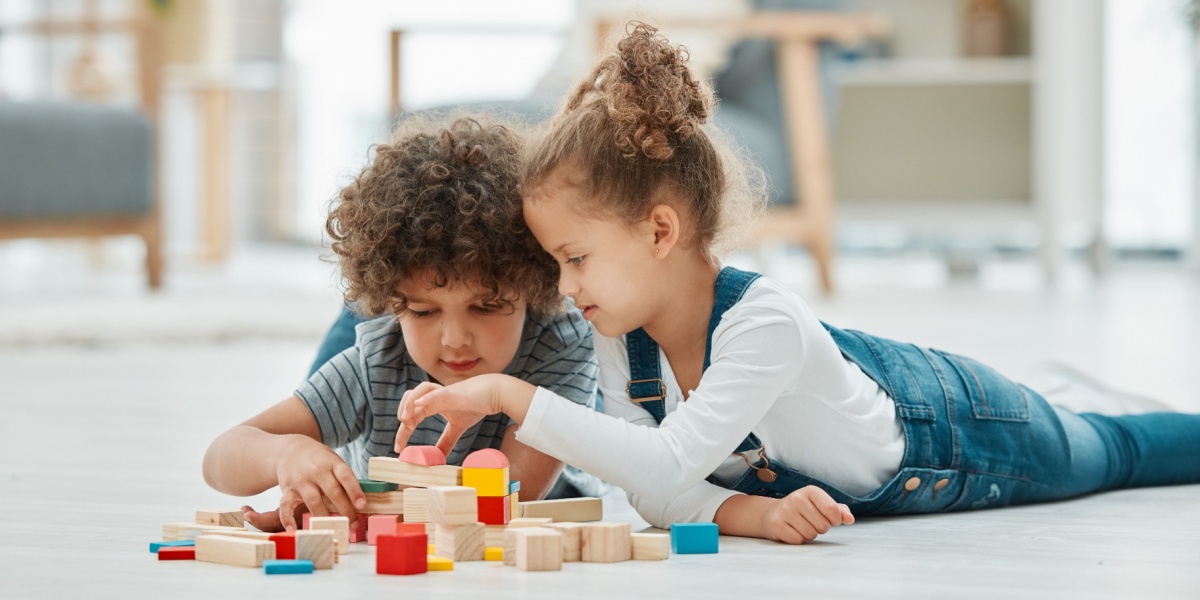
A key way to ensure your learning space is primed for a Montessori approach is to provide plenty of learning activities for your children. This can include playdoh, studying and taking apart flowers and pinecones from outside, building with blocks, looking through books, or spelling words out with alphabet tiles.
More from ABCmouse:
-

What Is Parallel Play
Discover how parallel play supports early social development with easy activity ideas for toddlers and preschoolers to play side by side.
-

What Is Sensory Play? Benefits, Ideas, and Activities for Learning
Discover how sensory play supports learning, motor skills, and emotional growth through fun, hands-on activities for kids.
-
Cooperative Play Explained: Why It Matters and How to Encourage It
Explore how cooperative play builds social and emotional skills in young kids, with tips to support this key stage of early development.
-

The 6 Stages of Play in Child Development (And How to Support Each One)
Explore each stage of play from unoccupied to cooperative, with age guidelines, examples, and tips to support your child’s growth.
-

Back to School Books to Excite and Reassure Young Students
Explore this fun list of reassuring back-to-school books to help kids ease anxiety and build excitement for their first day of school.
-

Back to School Tips for Parents and Families to Start the Year Off Right
Discover smart back-to-school tips for routines, organization, and academic success to help families ease into the new school year.