35+ International Literacy Day Activities for Kids
Share
Celebrate International Literacy Day on September 8 with fun literacy activities for kids, including reading, writing, phonics, vocabulary, and classroom ideas.
International Literacy Day is celebrated every September 8 to recognize the importance of literacy and encourage reading and learning around the world. For 2026, International Literacy Day centers on the theme “Literacy for people, the planet and prosperity.” It recognizes how literacy can help create more inclusive communities, support a more sustainable world, and open doors to greater opportunities. This year’s celebration is also especially significant, as it marks the 60th anniversary of International Literacy Day.
International Literacy Day is important for children because it shines a spotlight on literacy and makes reading, writing, and learning something to celebrate. For young children in particular, the day can help:
- Build excitement around reading and writing by making literacy feel special, fun, and worth celebrating.
- Encourage more time spent with books and words, whether children are reading independently, listening to a read-aloud, practicing phonics, or telling and writing stories.
- Highlight the value of literacy skills, helping children understand that reading and writing allow them to learn new things, express their ideas, and explore their interests.
- Bring adults and children together around literacy, giving parents, caregivers, and teachers another opportunity to read with children and support their developing skills.
- Help nurture a love of reading, especially when the day is celebrated with enjoyable, low-pressure experiences centered around books and stories.
For parents, home educators, and teachers, International Literacy Day is a great opportunity to celebrate reading, writing, and learning with children. Use our list of 35+ reading-related activities below to help celebrate this world-wide holiday with preschoolers and elementary students at home or in the classroom.
What Is International Literacy Day?
International Literacy Day is observed each year to highlight the importance of literacy and the role that reading and writing play in people’s lives. Established by UNESCO in 1966 and first celebrated in 1967, the day brings worldwide attention to literacy and efforts to help more people develop these essential skills.
International Literacy Day is sometimes referred to as World Literacy Day, but International Literacy Day is the official name of the UNESCO observance. As explained on the UNESCO International Literacy Day site, International Literacy Day was started to “remind policy-makers, practitioners, and the public of the critical importance of literacy for creating more literate, just, peaceful, and sustainable society.”
Activities for International Literacy Day
Creating special activities for International Literacy Day is a wonderful way to celebrate the intention and meaning of the holiday. However, parents, teachers, and home educators can add engaging, hands-on activities to reading practice every day of the year to help kids build a positive relationship with reading.
Reading Activities for International Literacy Day
Hold a Family or Class Read-a-Thon
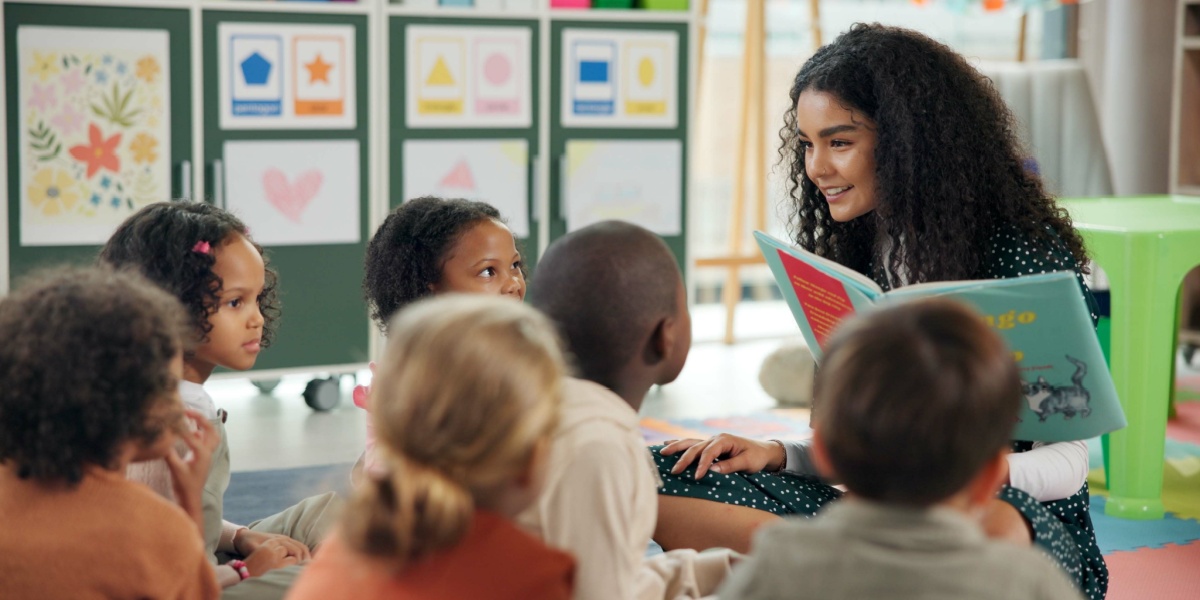
Work together to create a reading goal for the day and see how many books or minutes everyone can read.
Need help choosing books for kids? Our list of 150+ books for kids can help!
Read Around the World
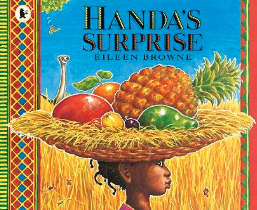
To celebrate the international focus of the day, choose picture books or stories set in different countries or cultures. Take it one step further and enjoy a snack from that country or culture while you read.
Have a Mystery Reader

Invite a parent, teacher, principal, friend, or grandparent to read to your students or kids. Have them read aloud from behind a hanging sheet or curtain and see if kids can guess the mystery reader.
Try Buddy Reading
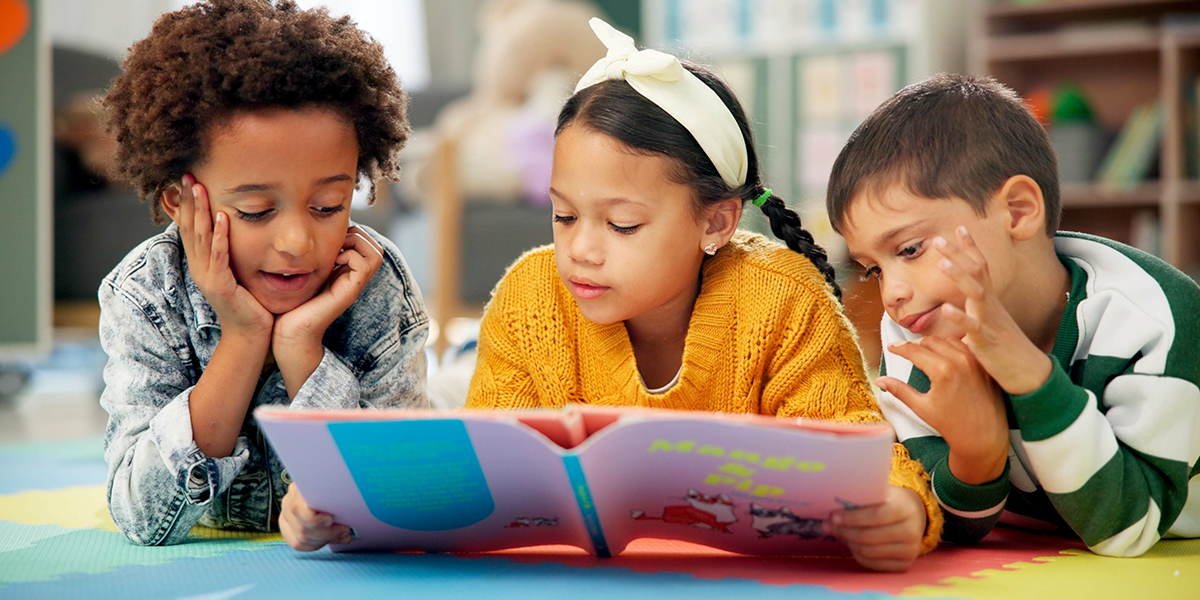
Pair children together, an older reader with a younger reader, or a even a child reading aloud to a pet. When reading with a younger child, pick books they can try reading and take turns reading or talking about the pictures and story.
Build a Cozy Reading Spot

Make reading feel extra special by creating a comfortable place where children can settle in with a book. Add pillows, blankets, stuffed animals, or fairy lights to create an inviting space kids will want to return to even after International Literacy Day is over.
Recommend a Favorite Book
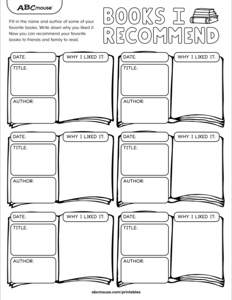
Ask children to choose a book they love and tell someone else why they should read it. They can share their recommendation aloud, write a short review, or create a colorful book recommendation card to display at home or in the classroom. Use our free Books I Recommend printable for this activity (or any of the reading logs and challenges you find along with it).
Phonics and Word-Building Activities for International Literacy Day
Go on a Letter or Sound Hunt
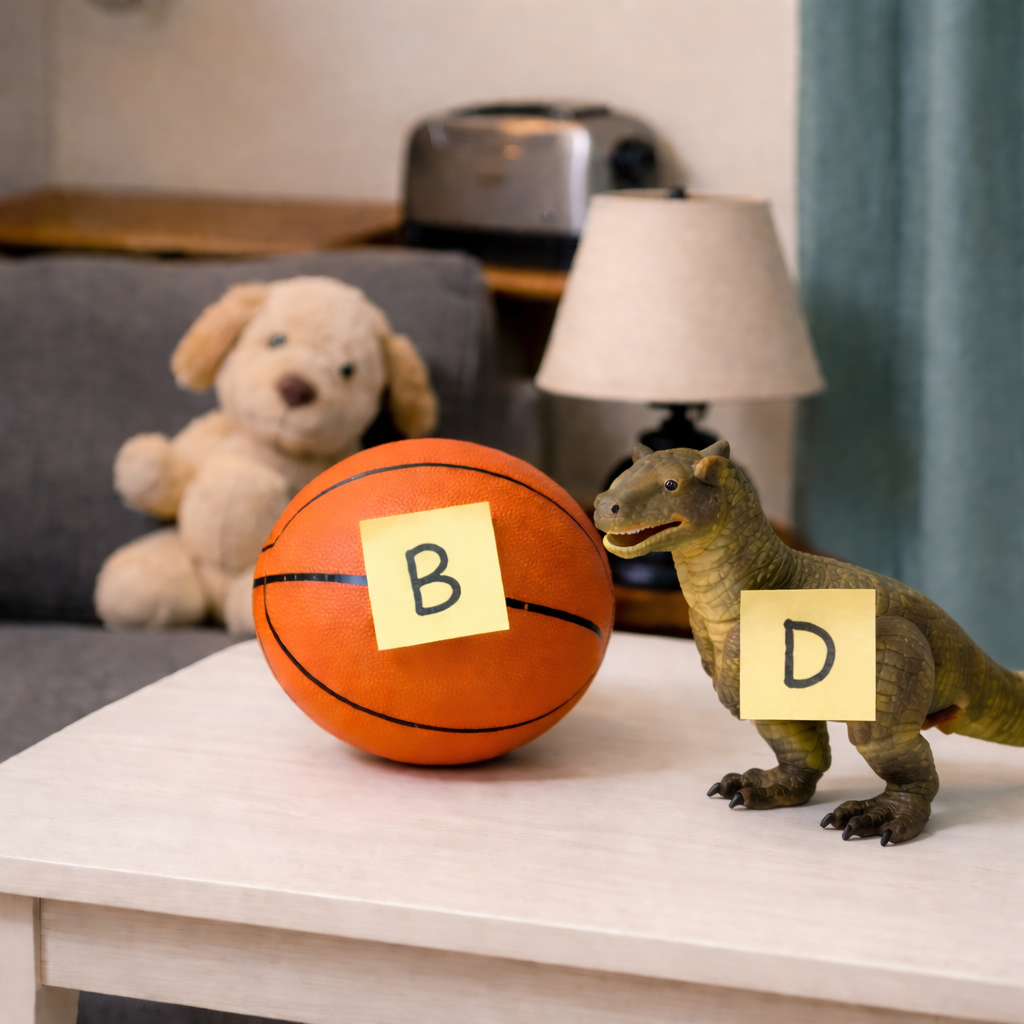
Choose a letter or beginning sound and challenge children to find objects that start with it. For example, if you’re practicing the /b/ sound, children might find a book, ball, button, or backpack.
Build Words with Letter Tiles
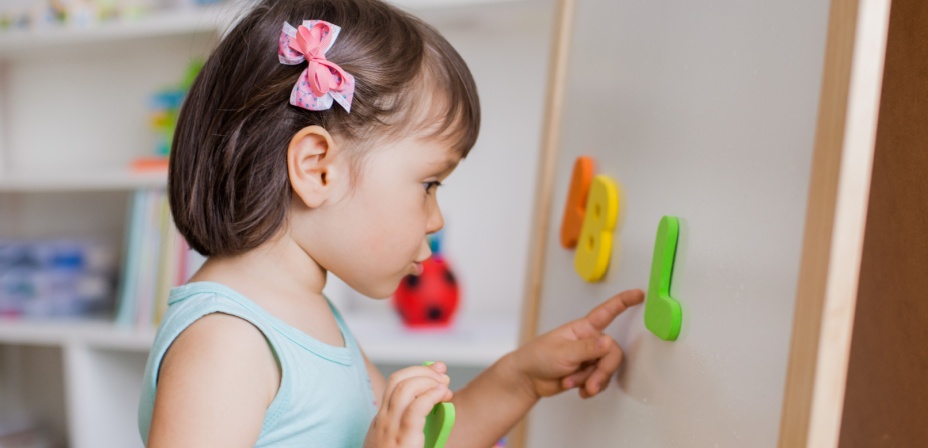
Use magnetic letters, letter tiles, or homemade letter cards to build simple words. Younger learners can practice making their names or CVC words such as cat and hop, while more experienced readers can experiment with changing one letter to create new words.
Play a Rhyming Word Game

Choose a simple word, such as cat, and take turns thinking of words that rhyme with it. For younger children, you can say two words and ask whether they rhyme, helping them listen closely to the sounds within words.
Explore Word Families
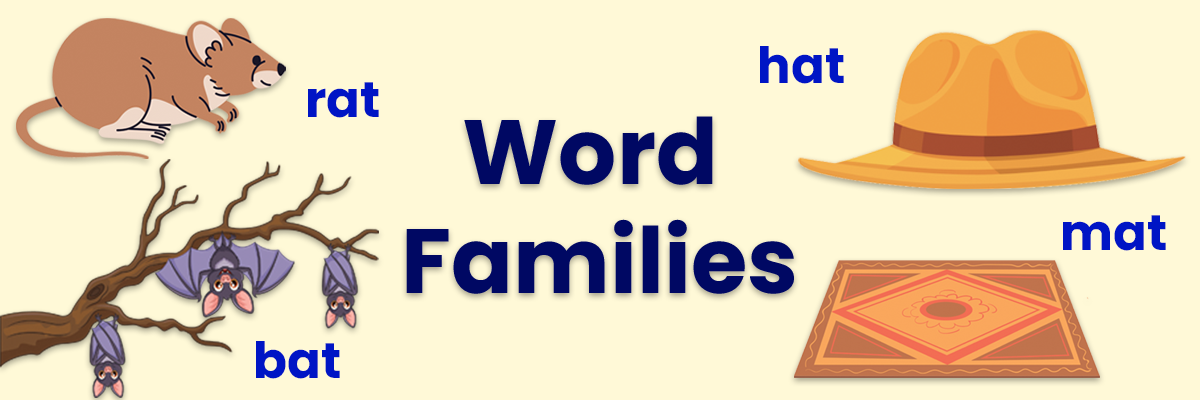
Pick a common word family, such as -at, -ig, or -op, and see how many words children can create by changing the beginning sound. Write the words down as you go so children can see how recognizing familiar spelling patterns can help them read new words. Use our free printable list of word family words to keep the game going.
Go on a Word Hunt
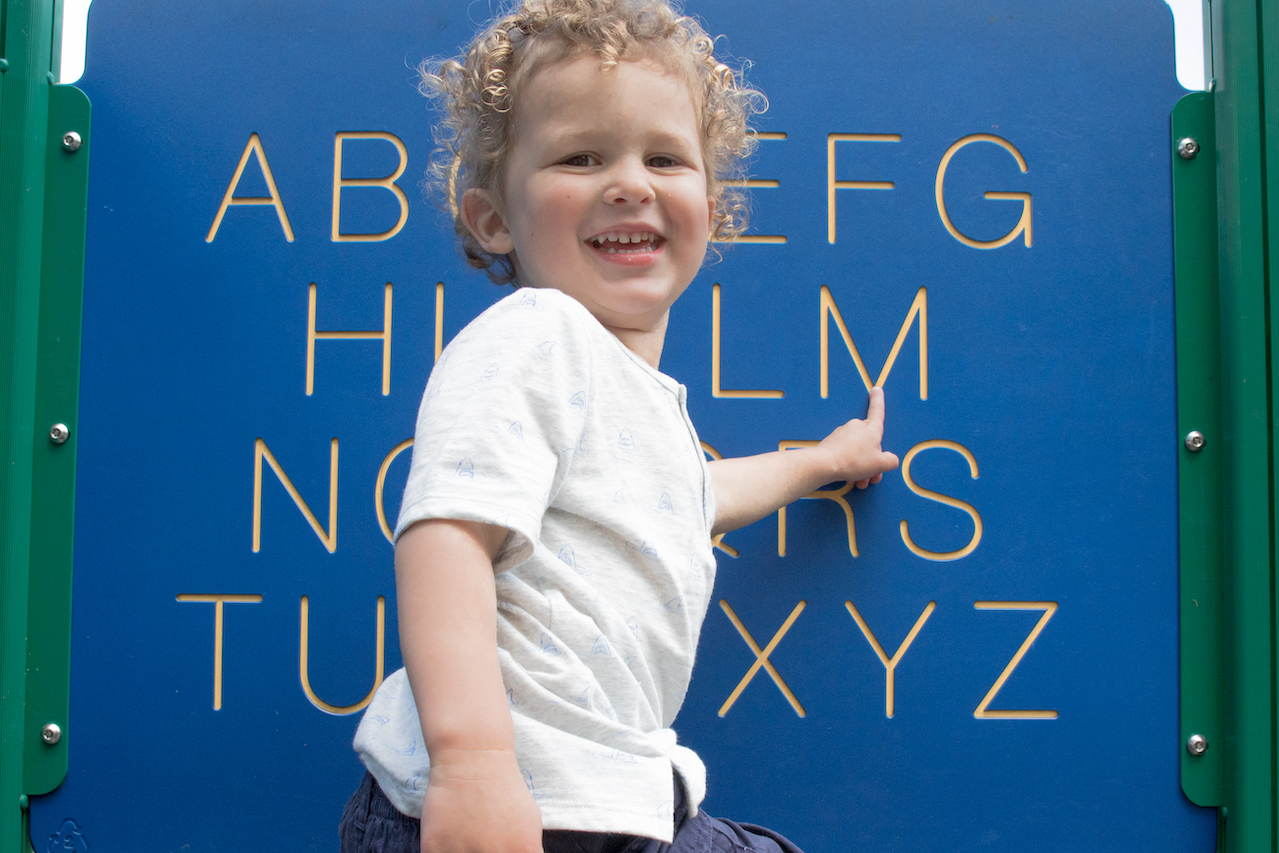
Challenge children to find words (or letters, for younger learners) all around them, not just in books. Look for words on signs, food packages, menus, classroom labels, magazines, or other everyday items to show children just how much they use literacy in daily life.
Play a Phonics Game
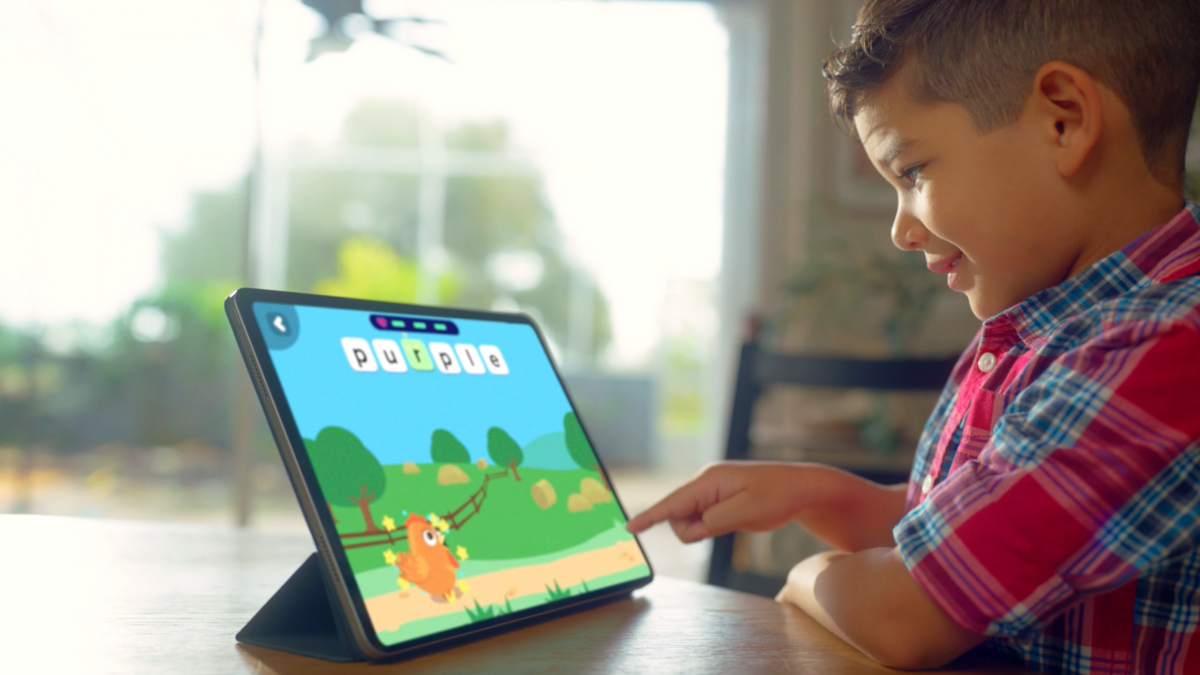
Turn phonics practice into play with a game focused on letters, sounds, blending, or word building. Try a favorite hands-on game or use an age-appropriate online phonics activity to give children another engaging way to practice their developing reading skills.
Vocabulary and Sight Word Activities for International Literacy Day
Choose a Word of the Day
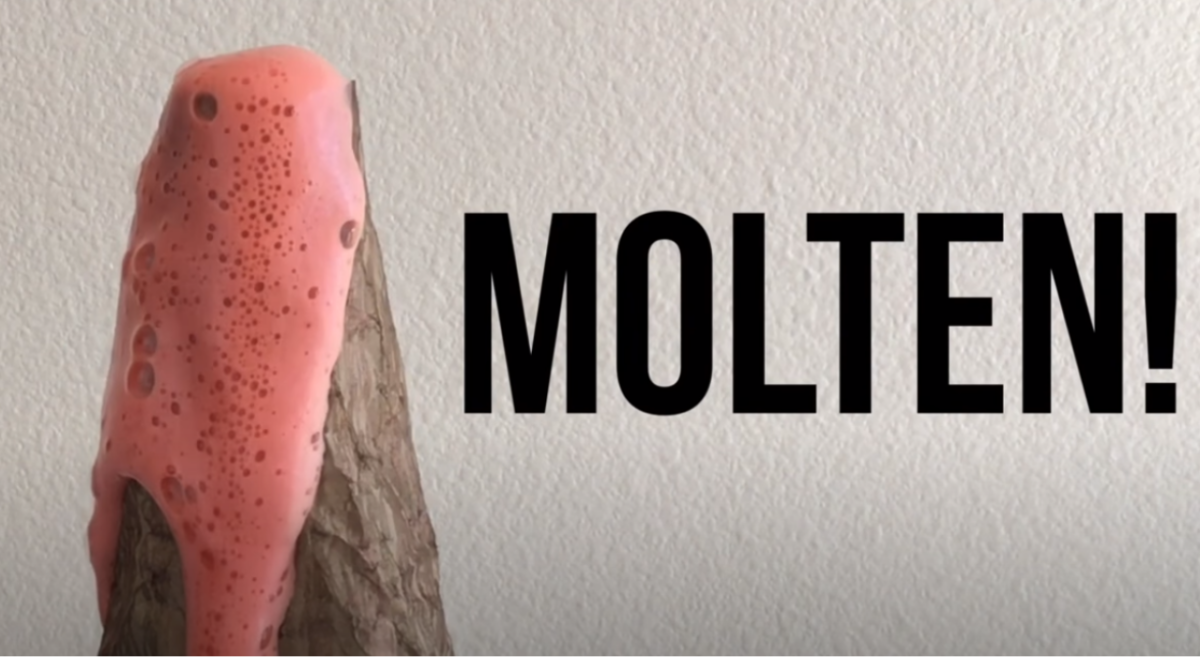
Pick an interesting new word to learn together for International Literacy Day. Talk about what it means, use it in a few sentences, build a lesson plan around it, and challenge children to find opportunities to use the word themselves throughout the day. In this example, children explore the word molten by creating a DIY volcano.
Make a Literacy Day Word Wall
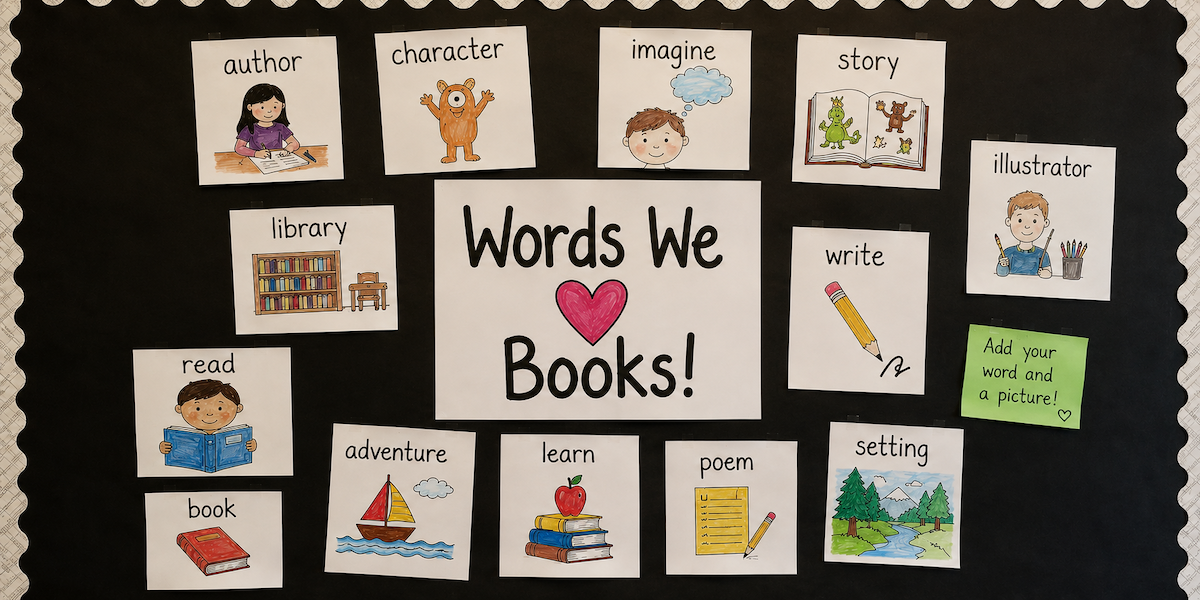
Create a collection of words connected to books, reading, and writing, such as author, character, library, imagine, and story. Invite children to contribute words and decorate the display with pictures or illustrations that help explain their meanings.
Play Sight Word Bingo
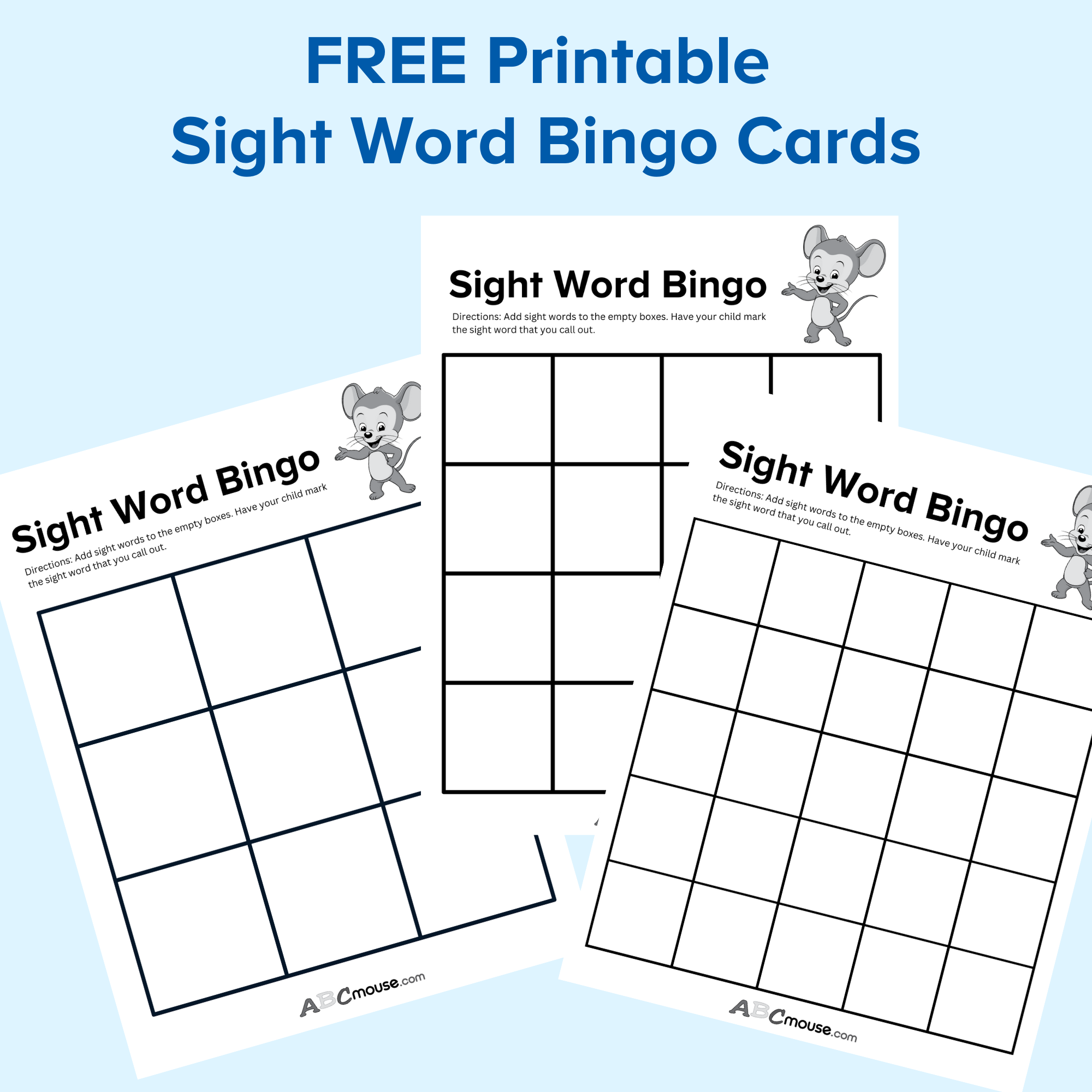
Fill bingo cards with sight words children are currently learning, then call out the words one at a time. Children can cover each word they recognize, turning repeated word-reading practice into a familiar game. Our free printable blank Bingo cards are perfect for writing in your own sight words.
Go on a Word Scavenger Hunt
Choose a few familiar sight words or vocabulary and challenge children to find them in books, signs, labels, or other printed materials. Each time they spot one, have them read it aloud and keep track of how many times they find it. Use our sight word lists for preschool through second grade to create your list.
Start a New-Word Jar
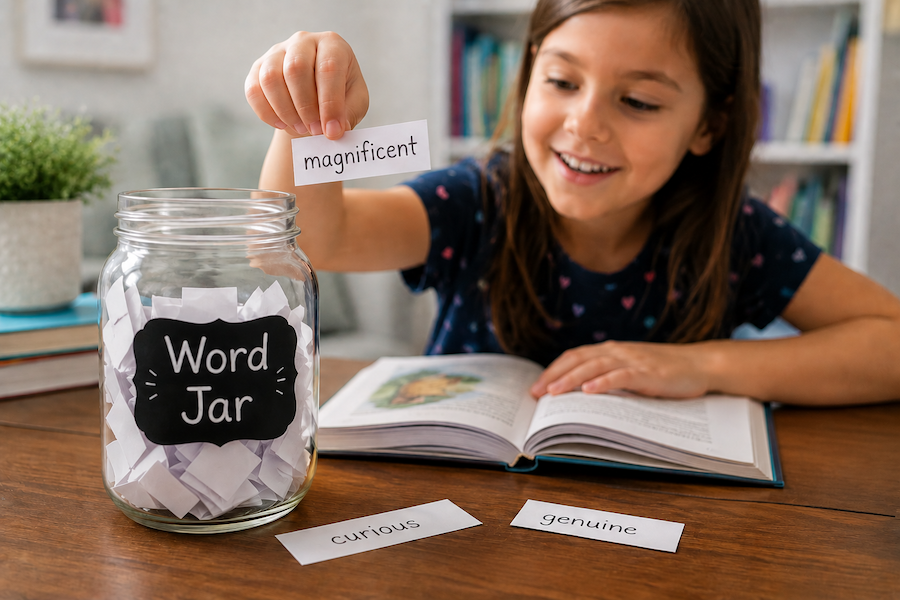
Encourage children to notice unfamiliar or interesting words they encounter while reading. Write each one on a slip of paper and add it to a jar, then periodically pull out a few words to discuss their meanings and practice using them in conversation.
Reading Comprehension Activities for International Literacy Day
Retell a Favorite Story

After reading a book together, ask children to retell what happened in their own words. Prompt them to think about what happened at the beginning, middle, and end to practice recalling and organizing important story events.
Draw a Favorite Part of a Book
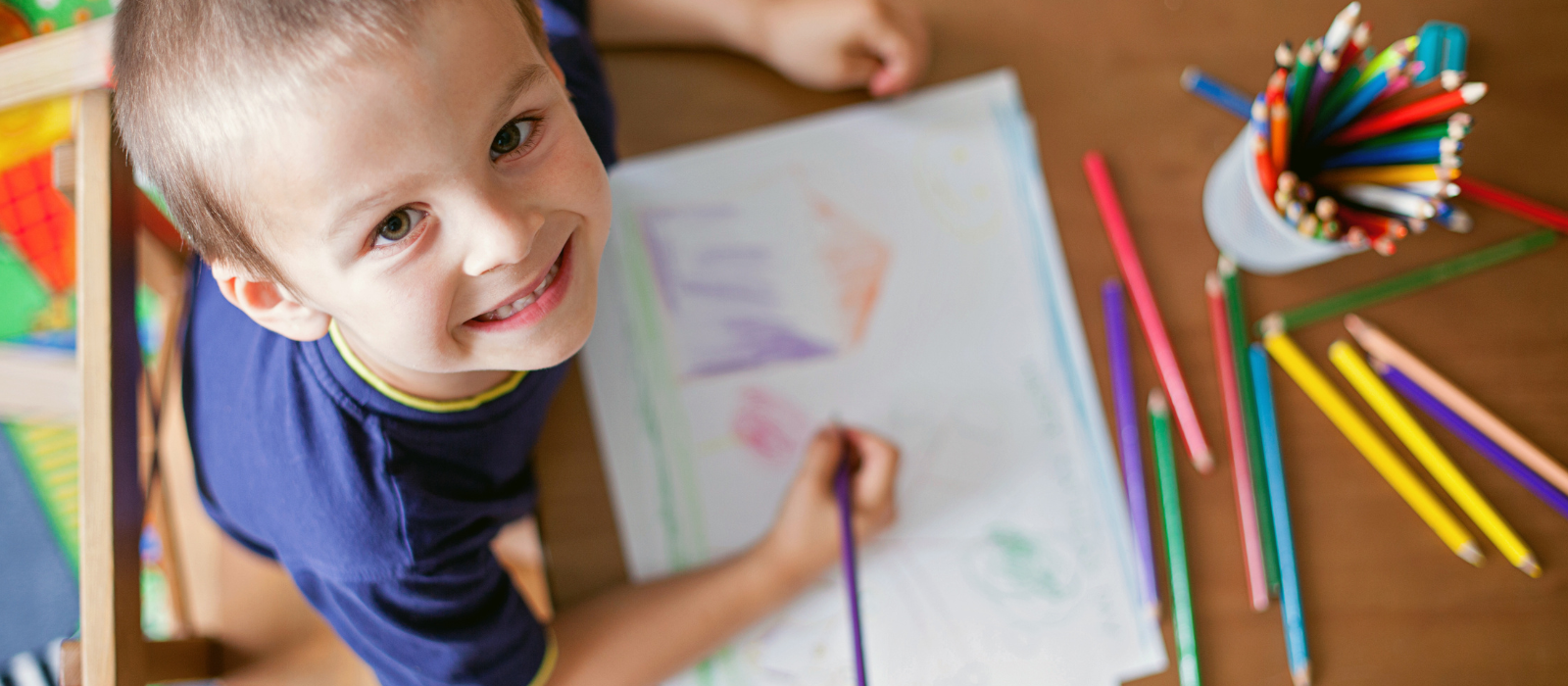
Invite children to draw the scene, character, or moment they liked best from a story. Ask them to explain their picture and why they chose that part, encouraging them to think and talk about what they read.
Make Story Sequence Cards
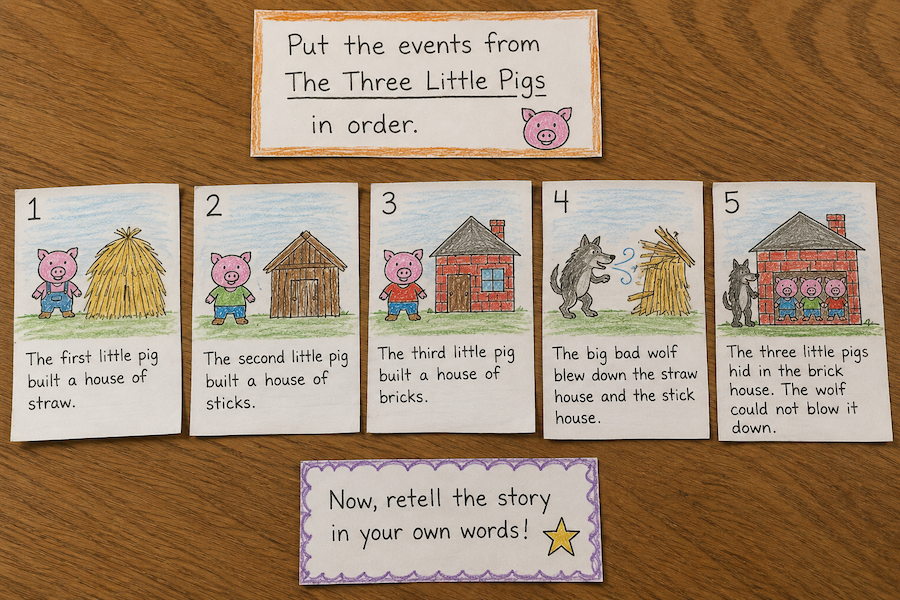
Choose several important events from a familiar story and draw or write each one on a separate card. Mix up the cards and have children put the events back in order, then use the completed sequence to retell the story.
Ask “What Happens Next?”

Pause at an interesting point during a read-aloud and ask children to predict what they think will happen next. After reading on, compare their prediction with the story and talk about what clues helped them make their guess.
Create a Character Profile
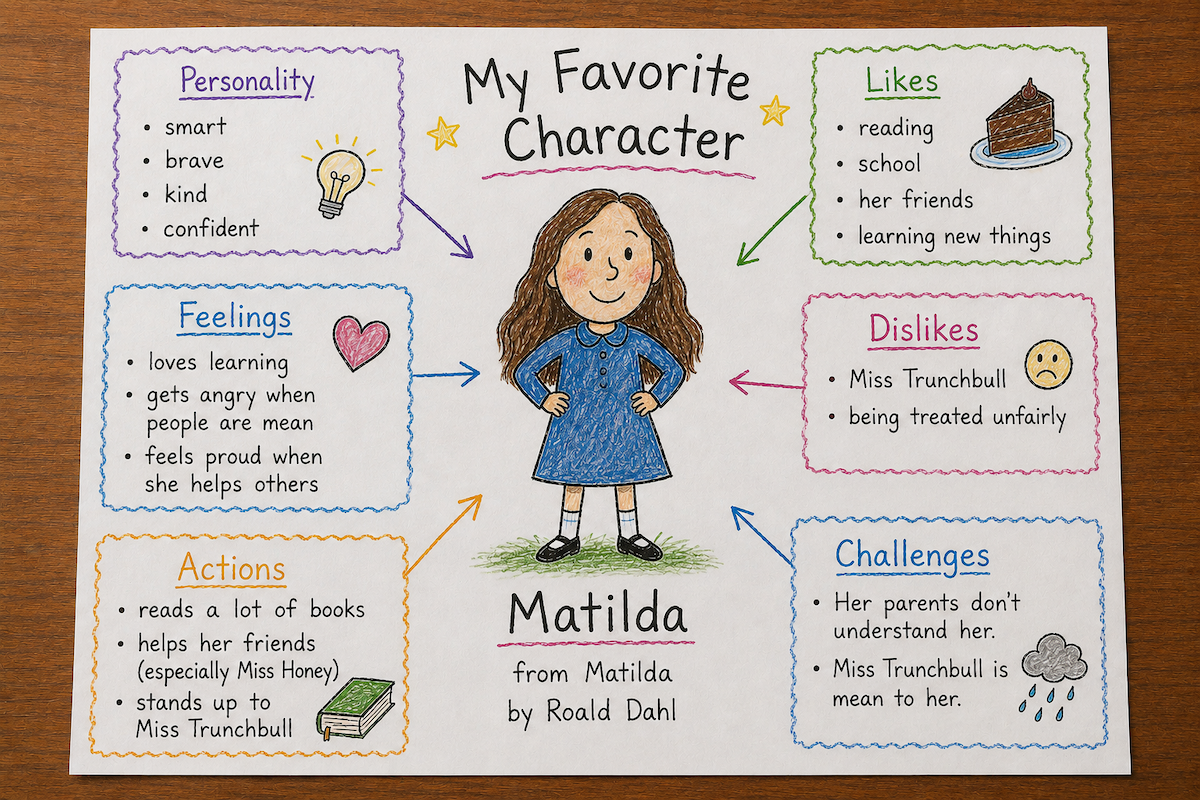
Choose a favorite character and explore what makes that character unique. Children can draw the character and add details about their personality, feelings, actions, likes, dislikes, or challenges they face in the story.
Writing and Storytelling Activities Activities for International Literacy Day
Write Your Own Mini Book

Fold a few pieces of paper together to make a simple blank book and invite children to become authors and illustrators. They can create a story about anything they choose, while younger children can draw the pictures and dictate their story to an adult.
Finish a Story Starter
Give children an intriguing opening sentence and let their imaginations take over. Try a prompt such as, “When I opened the book, something amazing happened…” and encourage them to tell, draw, or write what happens next.
Write a Letter to a Favorite Book Character
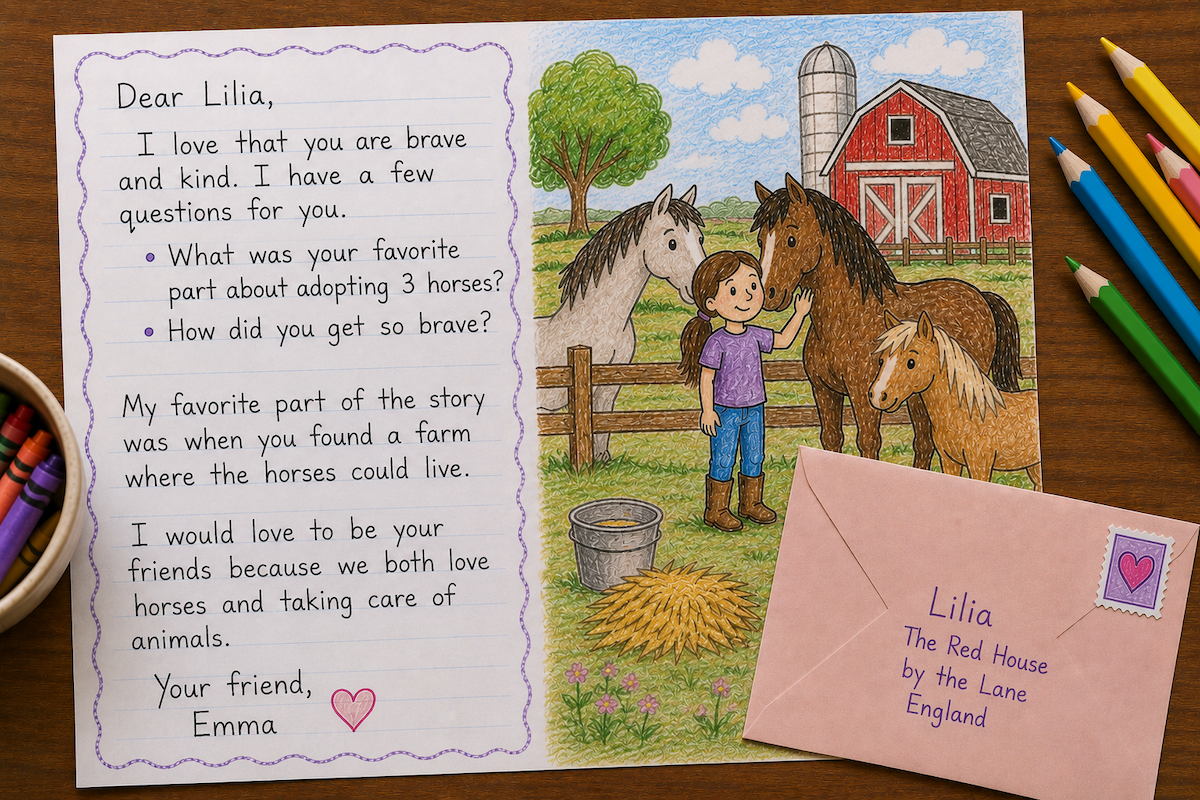
Have children imagine they can send a letter to a character from a favorite story. They might ask the character questions, offer advice, describe their favorite part of the story, or explain why they would like to be friends.
Create a Comic Strip
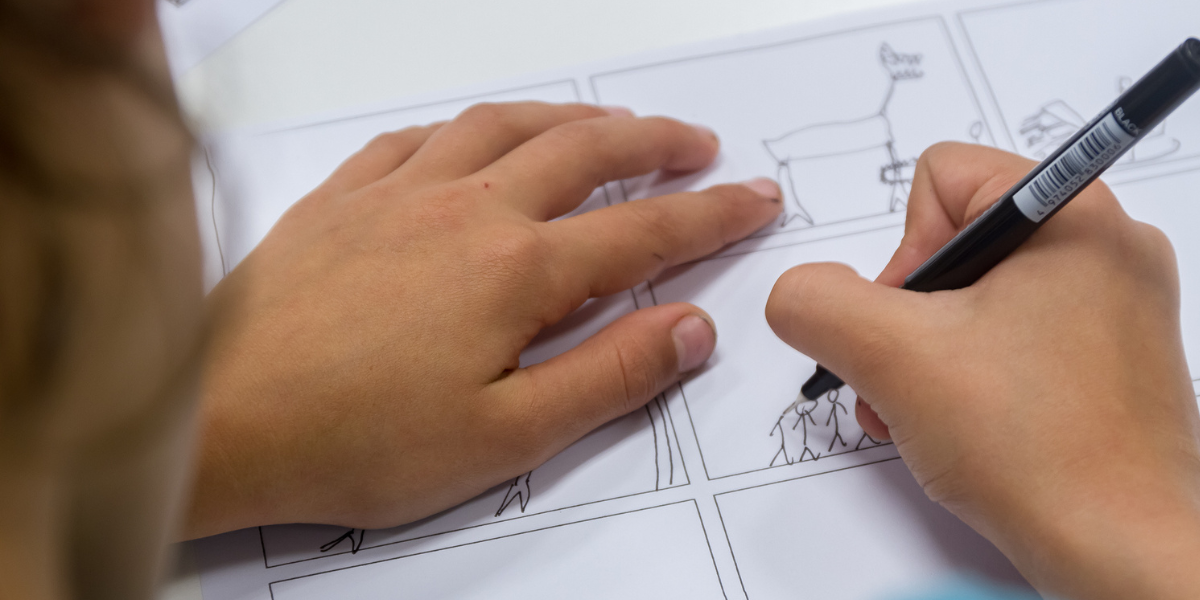
Give children several blank comic panels and invite them to tell a story using pictures, dialogue, and captions. Comics can be especially appealing to children who are reluctant writers because they allow storytelling to begin with drawing and build naturally into writing.
Write a Book Review
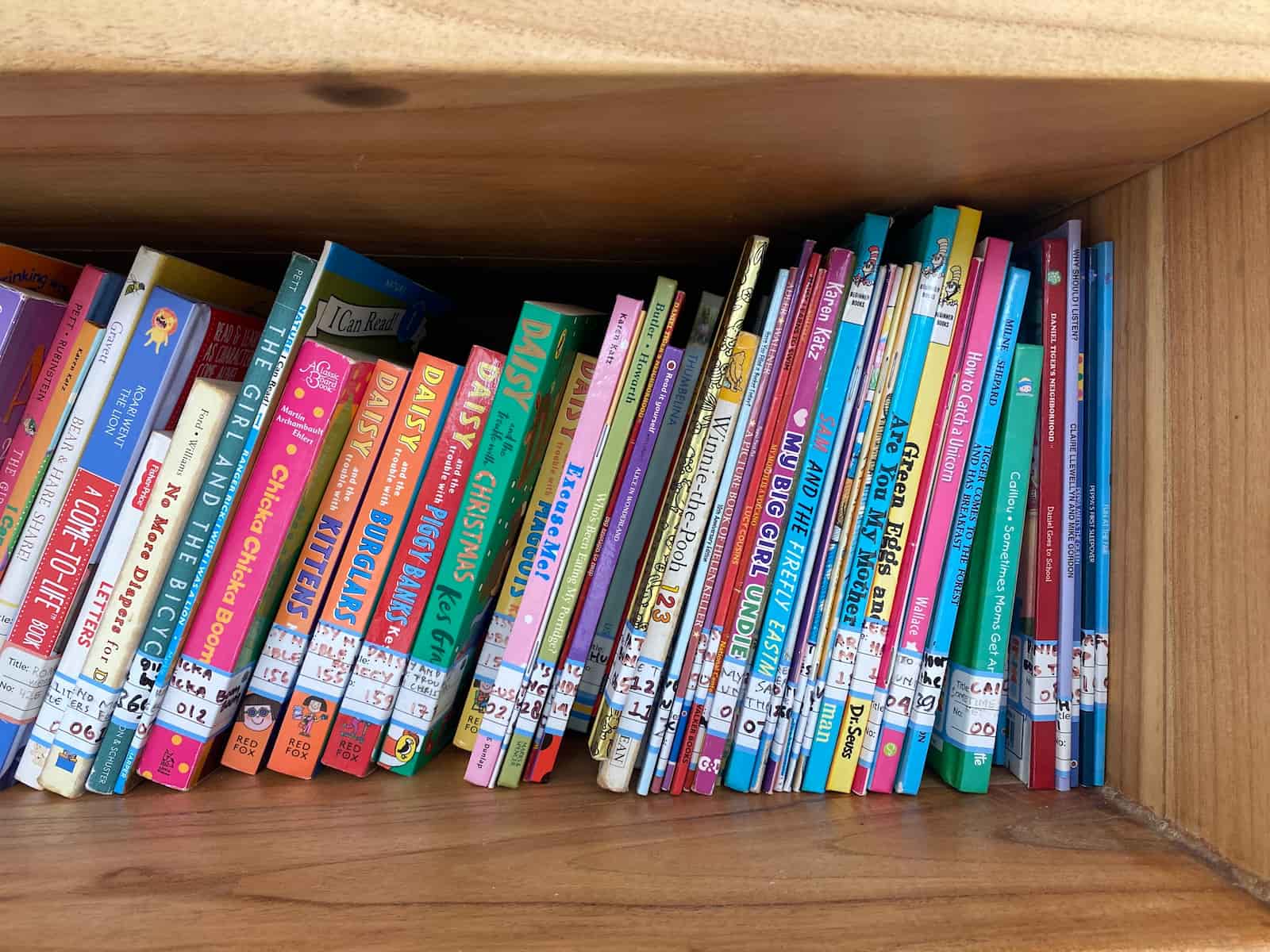
After finishing a book, ask children to share what they thought about it. They can describe their favorite part, give the book a rating, and explain whether they would recommend it to another reader.
International Literacy Day Classroom Activities
Set Up Literacy Activity Stations
Turn different areas of the classroom into literacy stations where students can rotate through activities such as independent reading, word building, writing, vocabulary games, and listening to stories. Adjust each station to the skills your students are currently practicing.
Set a Classroom Reading Goal
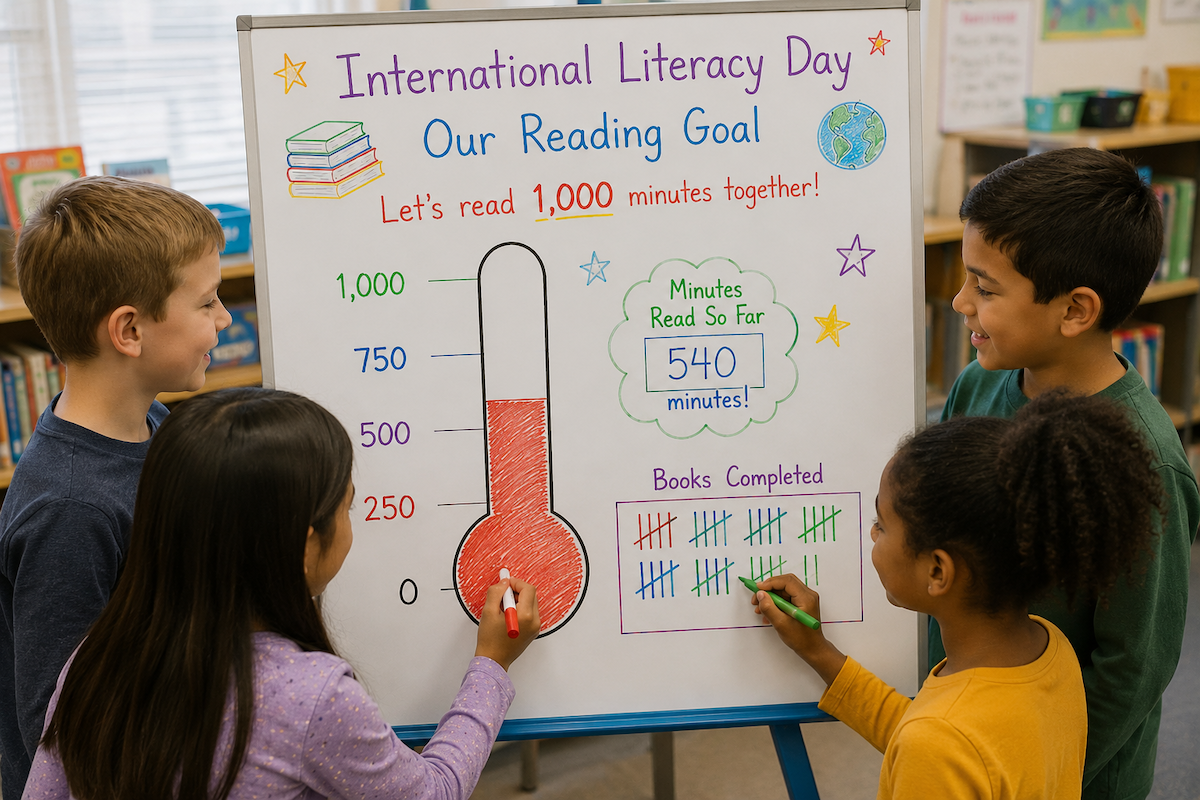
Work together to choose a reading goal for International Literacy Day, such as reading for a certain number of combined minutes or completing a set number of books. Keep a visual tally so students can watch their collective reading accomplishments grow throughout the day.
Create a “Books Around the World” Display
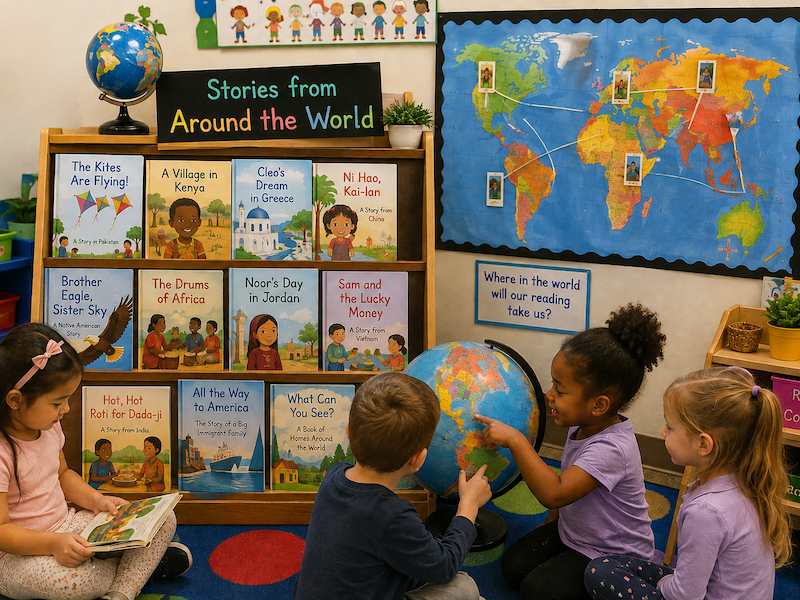
Gather books featuring stories, settings, characters, and cultures from around the world and display them together in the classroom or library. Invite students to explore the books and use a map or globe to find some of the places represented in their reading.
Organize a Classroom Book Swap

Invite students to bring in a gently used book they are ready to pass along and exchange it for something new to read. Be sure to plan the swap so every child can participate, including having extra books available for students who don’t bring one from home.
Make an International Literacy Day Bulletin Board
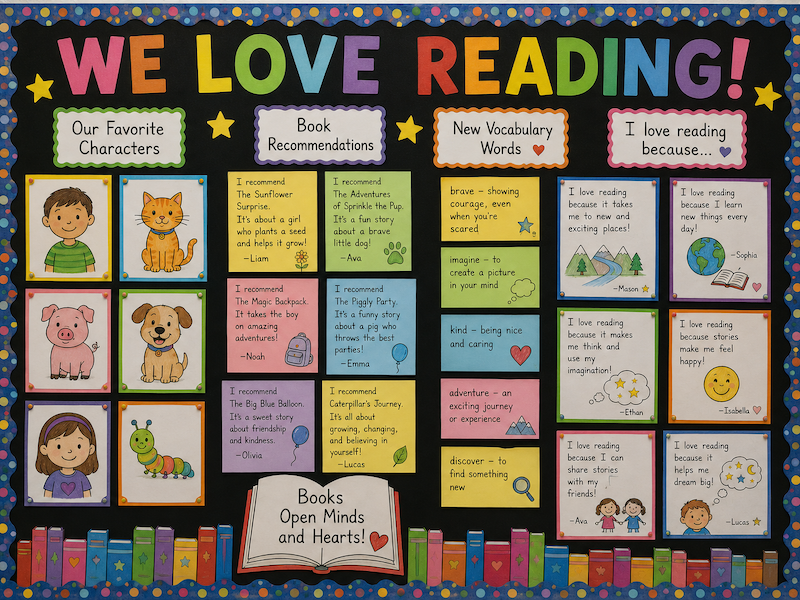
Create a collaborative display celebrating books, words, and reading. Students might contribute drawings of favorite book characters, book recommendations, new vocabulary words, or responses to a prompt such as “I love reading because…” to make the board their own.

Get more reading activities by grade level here:
Printable Activities for International Literacy Day by Grade
Nursery Rhyme Words & Lyrics
Best for: Toddler, Preschoolers, Kindergarteners
Take reading practice beyond books with the words and lyrics to 100+ nursery rhymes. Kids will enjoy listening as adults read these classic tales. Nursery rhymes also expose children to the rhythm, rhyme, and sounds of language, which are key aspects of phonemic awareness.
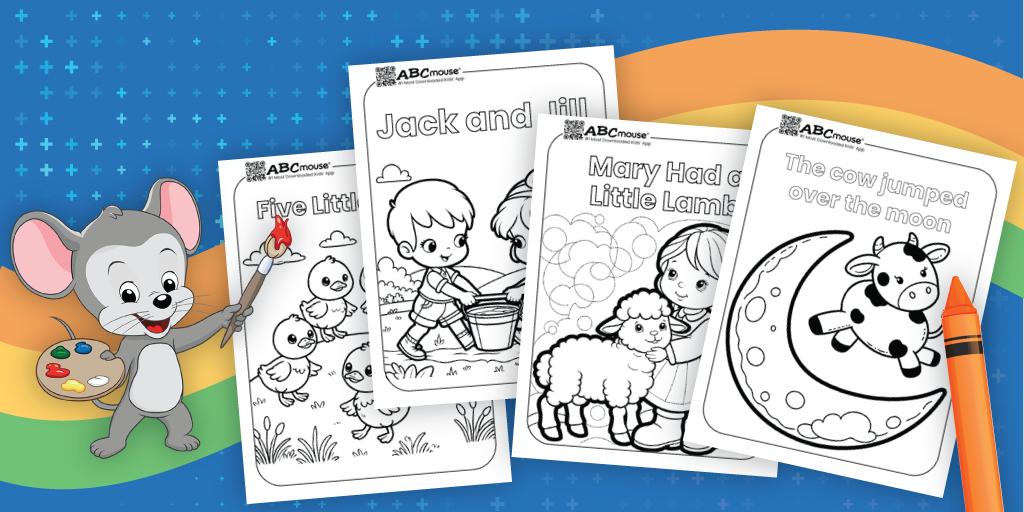
Nursery Rhyme Coloring Pages
Best for: Toddler, Preschoolers, Kindergarteners
Pair these coloring pages with our printable nursery rhymes, and kids can enjoy coloring as they listen to an adult reading.
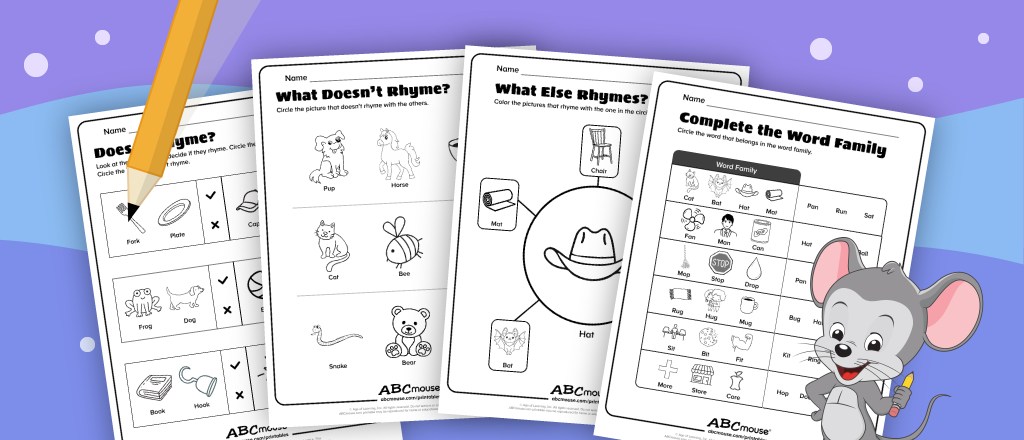
Rhyming Worksheets
Best for: Toddlers–2nd Graders
Make rhyming practice fun and engaging with playful rhyming worksheets tailored to different skill levels, including simple picture matching for young learners to fun fill-in-the-blank poems for more advanced readers.
Alphabet Coloring Pages
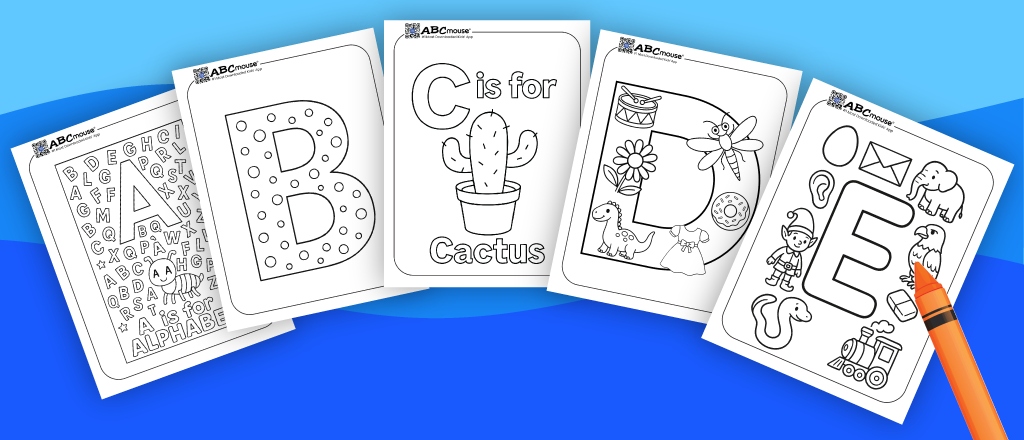
Best for: Toddler, Preschoolers, Kindergarteners
Turn learning the shapes and sounds of the alphabet into a creative activity with these free printable alphabet coloring pages for kids.
Color-by-Sight Words
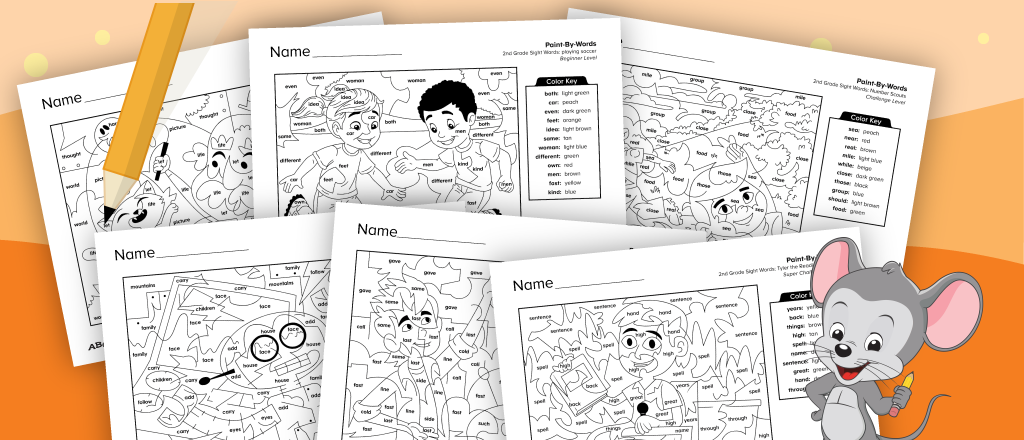
Best for: Kindergarteners
Put a fresh twist on identifying sight words with coloring pages that provide sight word practice as kids color in an image.
900+ Jokes for Kids

Best for: Preschoolers and Up
Fill reading practice with loads of laughter by having kids take turns reading jokes to each other or family members. Print out knock knock jokes, Dad jokes, dinosaur jokes, holiday jokes, and more!
Reading Worksheets for Preschoolers
Best for: Preschoolers
Our free printable preschool reading worksheets focus on letter recognition and early handwriting practice, helping to build the skills young kids need to become fluent readers and writers.
Kindergarten Reading Worksheets
Best for: Kindergarten
Make rhyming practice fun and engaging with playful rhyming worksheets tailored to different skill levels, including simple picture matching for young learners to fun fill-in-the-blank poems for more advanced readers.
Simple Ways Families Can Build Literacy Every Day
- Read together every day.
- Let children choose books that interest them.
- Talk about stories before, during, and after reading.
- Point out words in everyday life.
- Play rhyming and word games.
- Encourage writing and drawing. Use our seasonal and holiday writing prompts to get started.
- Use engaging reading games and activities.

Learn simple ways to grow your child’s literacy skills with our 10 Easy Steps to Help Teach a Child to Read.
Build Literacy Skills with ABCmouse
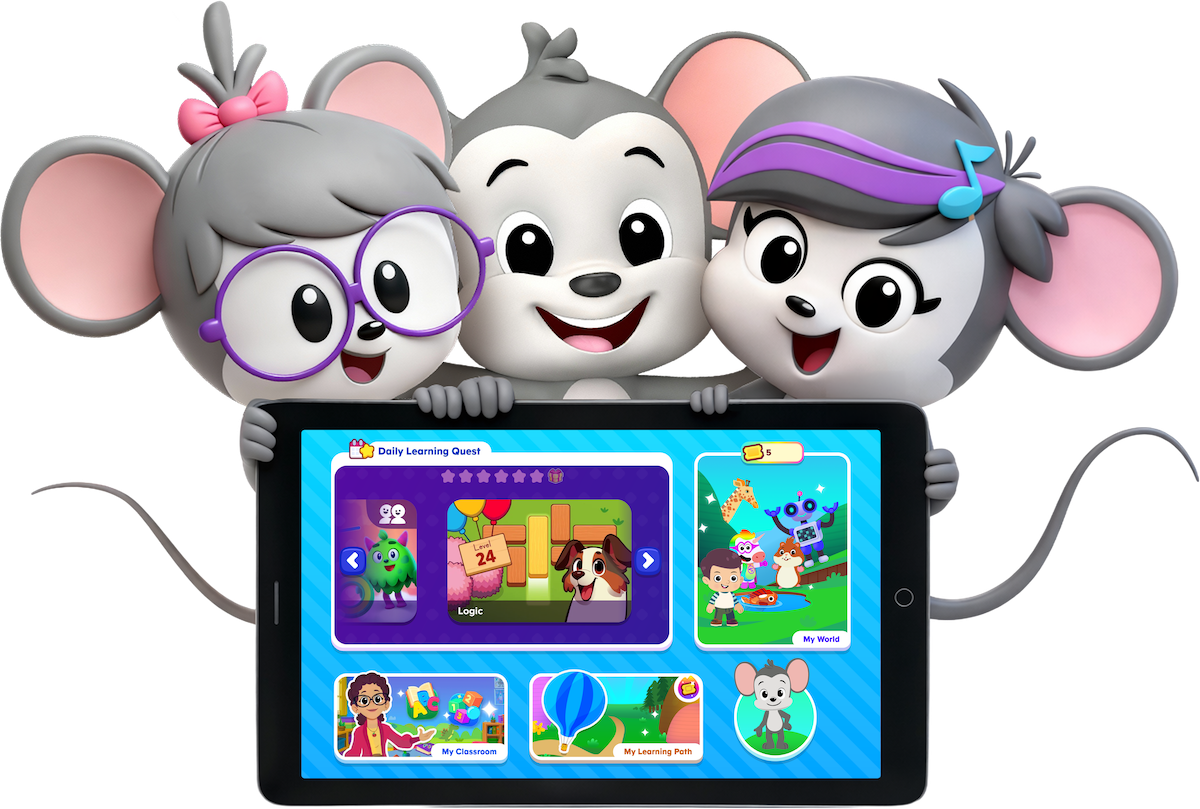
International Literacy Day only comes once a year, but children can build reading skills every day. ABCmouse provides a structured reading curriculum for preschool through second grade that helps children progress from letters and sounds to phonics, high-frequency words, vocabulary, fluency, comprehension, and independent reading. Plus, research shows that ABCmouse boosts early literacy skills.* See for yourself by having children ages 2–8 play a few of our free-to-play reading games for International Literacy Day.
*Age of Learning study; PreK kids; min. 2 day/wk & 1 hr/wk usage. See aofl.com/research for more info.
International Literacy Day FAQs
What is International Literacy Day?
International Literacy Day is a global observance that highlights the importance of literacy and encourages efforts to help people develop literacy skills. UNESCO established the observance in 1966, and International Literacy Day has been celebrated around the world since 1967.
When is International Literacy Day 2026?
International Literacy Day is celebrated every year on September 8. In 2026, International Literacy Day falls on Tuesday, September 8 and marks the 60th anniversary of the observance.
What is the theme of International Literacy Day 2026?
The theme for International Literacy Day 2026 is “Literacy for people, the planet and prosperity.” The theme highlights the important role literacy plays in promoting inclusion, creating sustainable futures, and expanding opportunities for people around the world. International Literacy Day 2026 also marks the 60th anniversary of the global observance.
Is International Literacy Day the same as World Literacy Day?
International Literacy Day is sometimes informally referred to as World Literacy Day, but International Literacy Day is the official name of the UNESCO observance held each year on September 8.
Why is International Literacy Day celebrated?
International Literacy Day is celebrated to raise awareness of the importance of literacy and encourage efforts to expand literacy around the world. Literacy helps people communicate, learn, access information, participate in their communities, and develop knowledge and skills throughout their lives.
How can kids celebrate International Literacy Day?
Kids can celebrate International Literacy Day by reading favorite books, listening to stories, playing literacy games, learning new words, writing or illustrating their own stories, or visiting a library. Parents and teachers can make the day especially engaging by choosing activities that match children’s ages, interests, and developing literacy skills.
What are some International Literacy Day activities for students?
Students can celebrate with activities such as a classroom read-a-thon, buddy reading, literacy stations, word games, book recommendations, story-writing activities, or a “Books Around the World” reading challenge. Teachers can also use the day to practice specific skills such as phonics, vocabulary, reading comprehension, and writing while celebrating the joy of reading and learning.
How can parents promote literacy at home?
Parents can support literacy by reading aloud with their children, keeping books readily available, talking about stories, singing songs and rhymes, playing word games, and encouraging children to draw and write. Everyday experiences, such as reading signs, following a recipe, writing a shopping list, or talking about new words, can also provide opportunities to build literacy skills.
What literacy skills should young children practice?
Young children develop literacy through a variety of skills that build upon one another. Depending on their age and development, these can include oral language, recognizing letters and their sounds, phonological and phonemic awareness, phonics, vocabulary, decoding words, reading fluency, comprehension, and early writing skills.
-

35+ International Literacy Day Activities for Kids (2026)
Celebrate International Literacy Day with 35+ fun literacy activities for kids, including reading, phonics, writing, vocabulary, and classroom ideas.
-

25+ Reading Activities for Read Across America Day (Free Printable List)
Celebrate Read Across America Day with over 25 fun reading activities for kids—perfect for classrooms, families, and literacy events.
-
Free Online Bunny Themed Games for Kids
Play free bunny-themed games that build early math and reading skills with fun mazes, alphabet hops, and adorable activities for kids.
-

35+ Short & Fun Spring Poems for Preschool and Kindergarten
Explore 35+ fun spring poems for kids, including rhyming, non-rhyming, and classic verses perfect for reading aloud at home or in the classroom.
-
Rhyming Poems for Preschool & Kindergarten
Discover fun and easy rhyming poems for preschool and kindergarten! Boost reading skills with silly, educational, and classic rhymes kids will love.
-

50+ PreK and Kindergarten Phonics Activities for Young Readers
Explore over 50 fun, effective phonics activities for PreK and Kindergarten! This collection features active games, online tools, printable worksheets, and hands-on ideas designed to build…