Share
How to Help Kids Feel Comfortable Going Back to School
Try these simple tips to ease first-day jitters and build excitement for a new school year.
Table of Contents–Jump to Each Section
Back-to-school anxiety is incredibly common, especially among students starting preschool, kindergarten, or a new school for the first time. While some kids are excited about all the new experiences, others feel uncertain about what to expect.
Most children experience a blend of both! Fortunately, there are a few simple strategies you can use to help kids feel more comfortable about starting or going back to school.
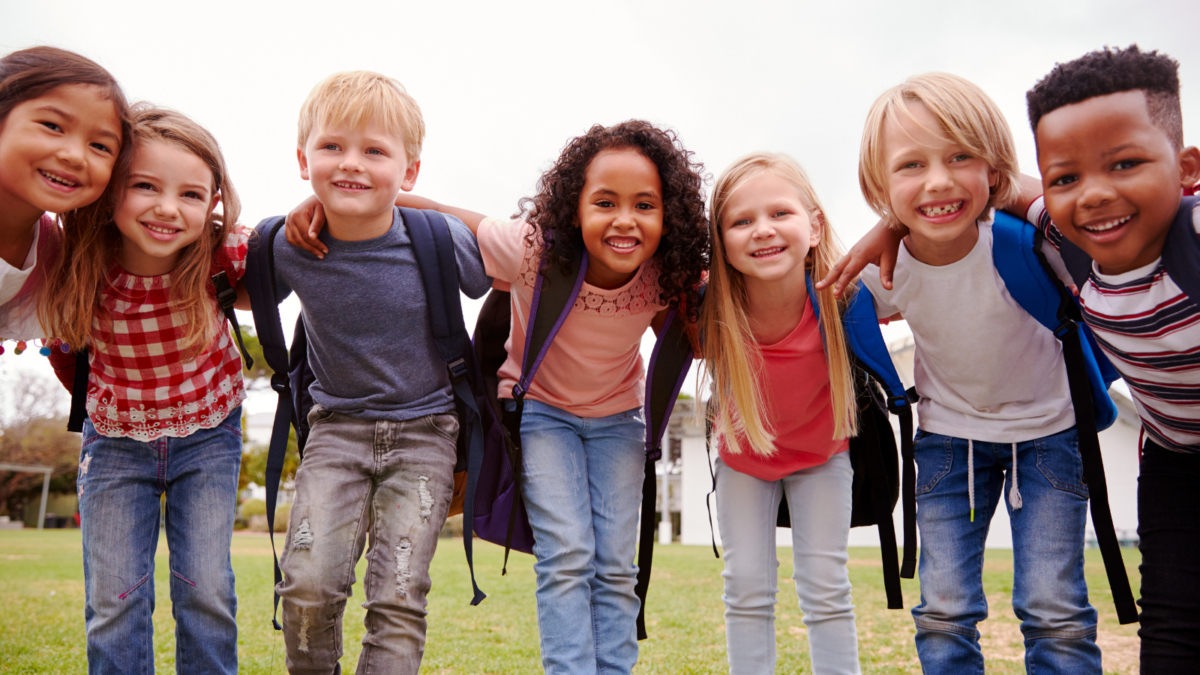
Why Some Children Feel Nervous About Going to School
Understanding why your child is nervous about going to school makes it easier to address and overcome their anxieties. Here are some of the most common causes of back-to-school nervousness.
Fear of the Unknown
People generally do best when they know what to expect, and unknown situations can cause anxiety. Psychologists note that some nervousness can actually be helpful because it prepares us to pay attention, adapt, and respond to new situations. But those feelings can be uncomfortable too. Starting or going back to school comes with a lot of uncertainty, and it’s completely normal for kids to worry about the unknown.
Separation From Parents
Separation anxiety is especially common among preschoolers and kindergarteners who haven’t spent much time away from their family. “Kids who normally have a little trouble separating from mom and dad will see their anxiety peak during times of stress or transition,” notes Rachel Busman, PsyD, in an article for the Child Mind Institute.
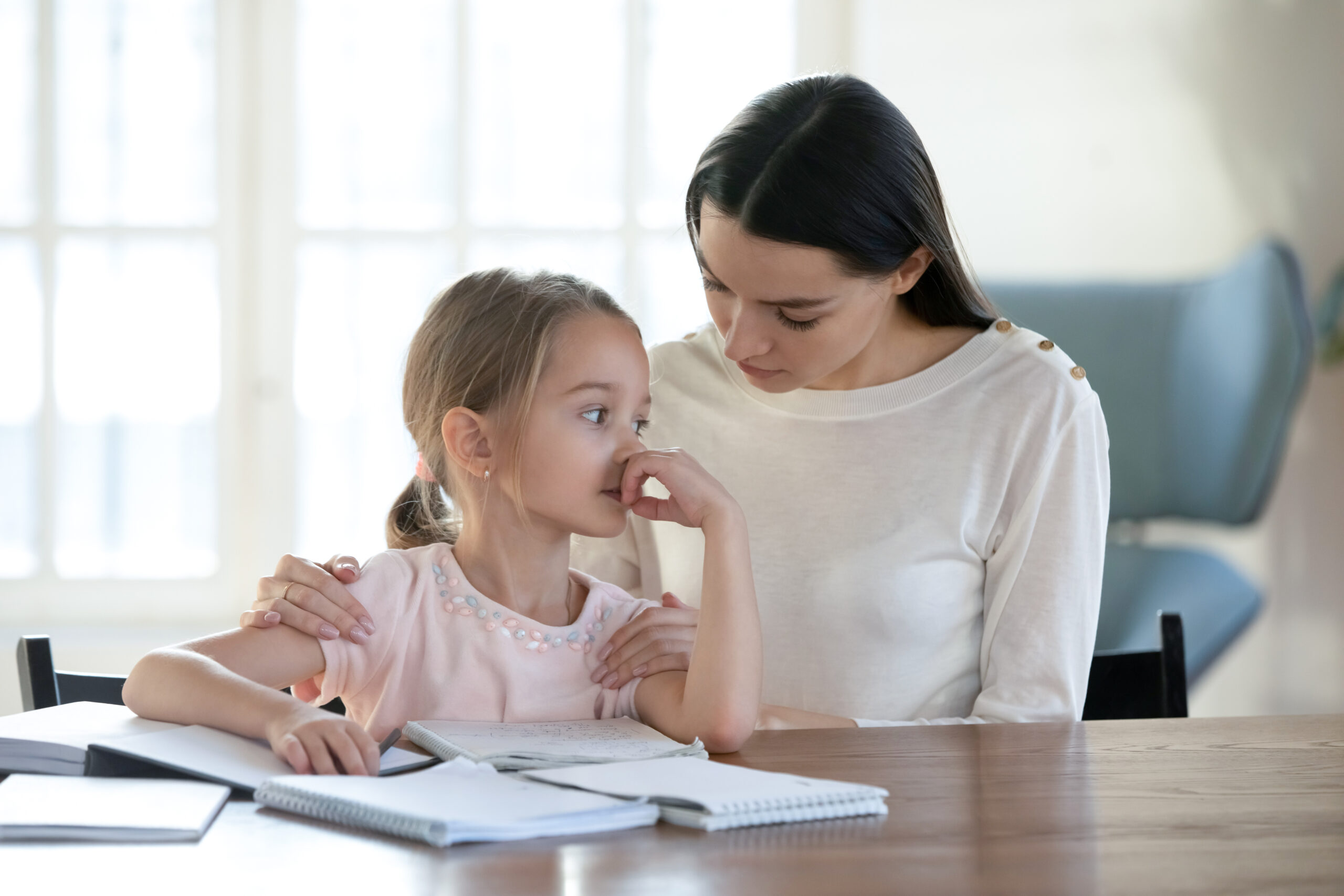
Changes in Routine
The uncertainty of new routines can be troubling for some kids, especially those who thrive on predictability. Shaking things up may be particularly hard for children with autism or other forms of neurodivergence.
New Social Interactions
Some kids dive right into new groups, embracing all the new friends they find. But many others worry about their ability to make friends or get along with their new classmates. They might also worry about whether they’ll like their teacher—and whether their teacher will like them.
Concerns About Academic Expectations
Students may worry about whether they’ll be able to keep up with their peers or meet teacher or parent expectations. This is especially true for older students who’ve already experienced some academic challenges.
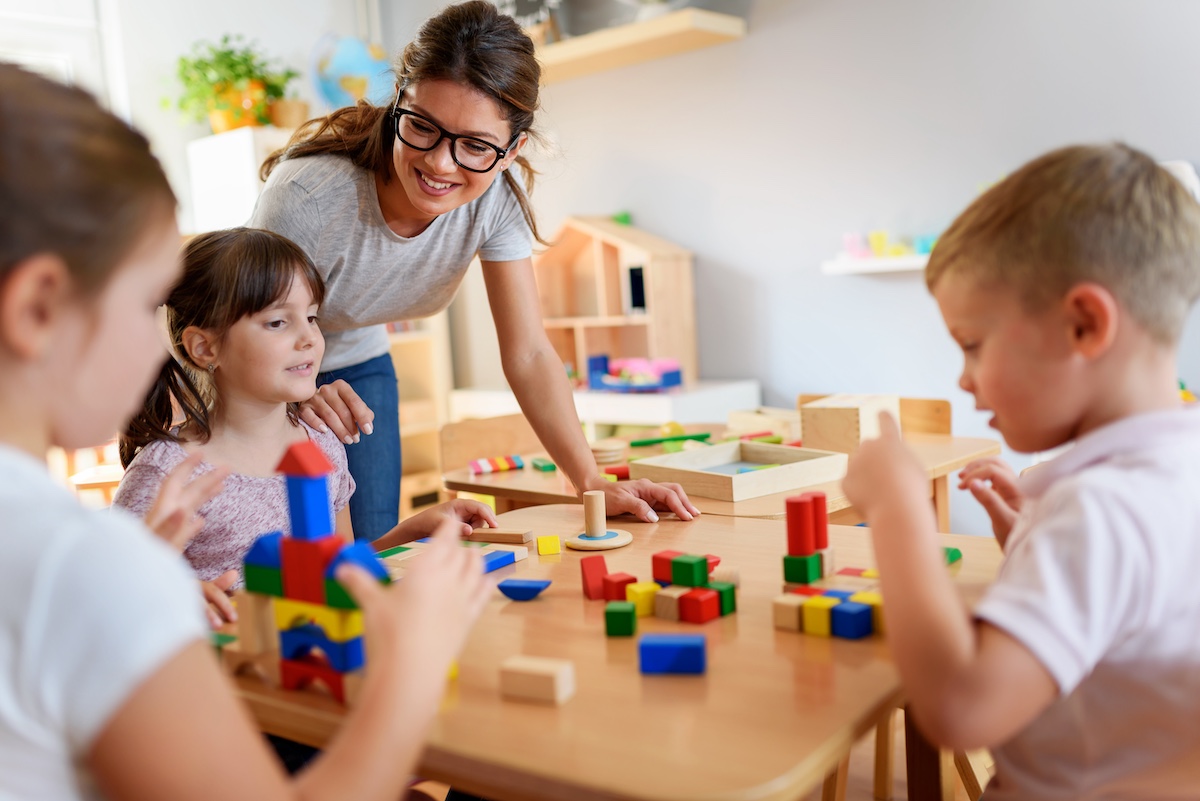
Parents and Back-to-School Anxiety
As a parent, if you’re feeling nervous yourself, that’s normal too! Research shows that parents experience a range of emotions when their child starts or goes back to school. These include “being unsure about what to expect, worried about how their child would adjust, stressed about the changes to routines and logistics associated with the transition, and feeling a sense of pressure to support their child.”
In the same study, “Parents noted that they, too, had to be ready for the transition, and recognised that it could also be emotionally stressful for them to adjust to new social situations, routines, and a changing relationship with their child.”
Fortunately, many of the same strategies that work for kids also help adults! As you work with your child to prepare for and feel more comfortable about school, you’ll likely find your own nervousness settling down a bit too.
Acknowledge and Validate Back-to-School Anxiety
Dismissing big feelings doesn’t make them go away. In fact, emotional validation helps children develop resilience and self-awareness. Take a look at how some simple language swaps can help you acknowledge your child’s concerns and work toward overcoming them.
| Instead of… | Say… | Why It Works |
| “Don’t be scared.” | “It’s okay to feel nervous.” | Helps kids understand their feelings are real and normal |
| “There’s nothing to worry about.” | “Lots of kids feel a little nervous about school.” | Assures kids that they’re not alone in the way they feel |
| “You’ll be fine.” | “This is a big change, and new things take some getting used to.” | Acknowledges the challenges ahead without amplifying them |
| “Stop crying.” | “I know you feel upset. Let’s talk about what’s worrying you.” | Validates emotions and offers practical support |
| “Be brave.” | “You can feel nervous and still do hard things.” | Builds coping skills instead of pressuring kids to suppress emotions |

Develop Positive, Realistic Expectations About School
Every child experiences school in different ways. Like any new adventure, going to school is full of new and exciting possibilities. However, there are also aspects that your child may not always enjoy, and it’s okay to be honest about that.
Encourage them to approach each new day with an open mind, and let them know you’ll be there to help them throughout the back-to-school transition and beyond.
Share Experiences and Answer Questions Honestly
Children feel more secure when they know what to expect. Kids will likely have many questions and may even ask some of them over and over again. Share what you know, and encourage older siblings or friends to talk about their experiences too. (Remember, some aspects of school have changed a lot since you were a student!)
School is certainly important, but avoid putting too much pressure on your child. Remind them that teachers are there to help them learn things that they need to know and want every student to do well. Let them know that if they struggle, there will always be people to help support them along the way.

School Transition Tip: Playing “school” can help kids develop a sense of what classroom life will be like. Take turns being student and teacher, with friends or even toys as fellow students.
- Help children learn more about what to expect at school with our collection of back-to-school songs & videos for kids.
Focus on Excitement, Fun, and Opportunities
Starting school creates endless opportunities for kids to grow and learn far beyond academics. Realizing the wide variety of new fun experiences can help children redirect anxiety to positive anticipation instead.
School Transition Tip: Try making a list of things your child is looking forward to. such as:
- Making friends
- Playing new games
- Learning to read and write
- Learning new fun facts about the world
- Doing arts and crafts projects
- Having fun on the playground at recess
- Eating lunch in the cafeteria
- Discovering new sports in gym class
- Singing and playing instruments in music class
- Taking field trips to new places
- Keep adding fun and playfulness to back-to-school time with our printable school-themed jokes for kids.
Read Books About Starting School
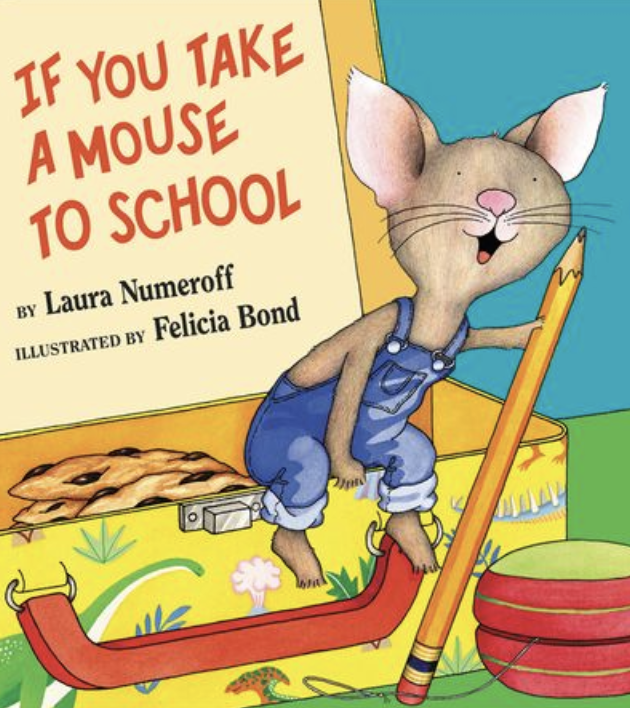
Stories allow children to process emotions through characters, encouraging them to imagine themselves as part of the action. Work a few back-to-school books into your daily reading routine to build confidence and excitement as the big day approaches. Here are a few options to pick from:
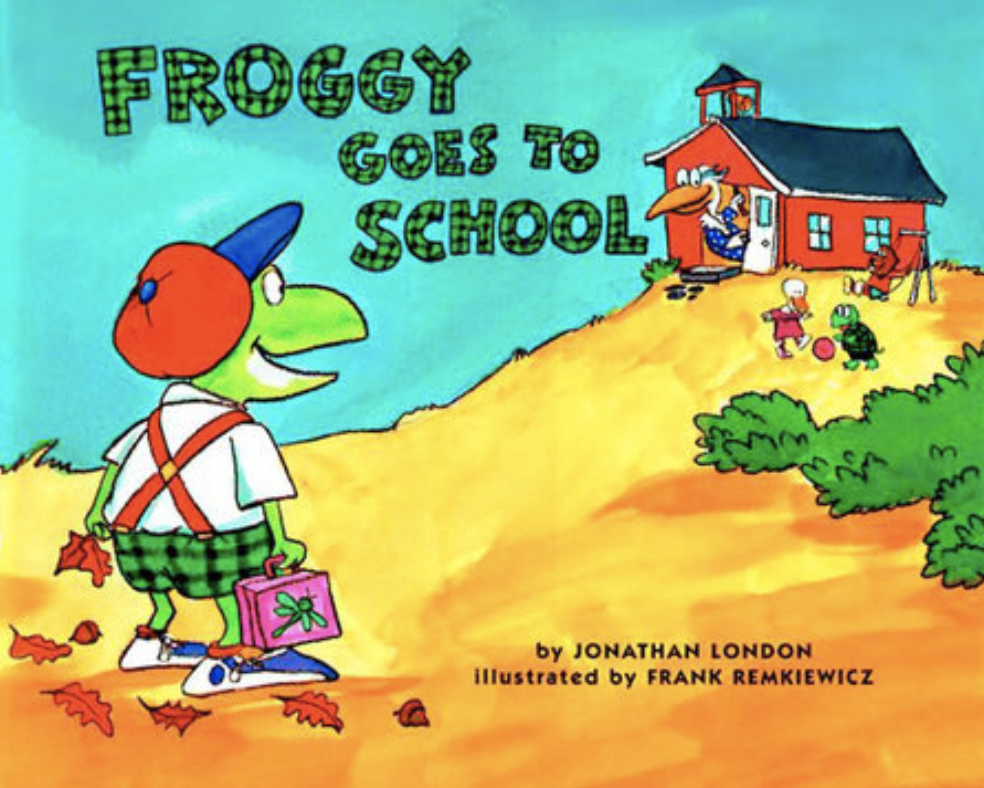
Books About Starting Preschool
- Maisy Goes to Preschool by Lucy Cousins
- Open the Preschool Door by Christopher Santoro
- Pete the Kitty’s First Day of Preschool by Kimberly & James Dean
- The Night Before Preschool by Natasha Wing
- Rosie Goes to Preschool by Karen Katz

See our full list of 60 back-to-school books for kids here!
Books About Starting Kindergarten
- Miss Bindergarten Gets Ready for Kindergarten by Joseph Slate
- The Twelve Days of Kindergarten by Deborah Lee Rose
- Kindergarten, Here I Come! by D.J. Steinberg
- The King of Kindergarten by Derrick Barnes
- Mom, It’s My First Day of Kindergarten! by Hyewon Yum
Back to School Books For Anxious Kids
- First Day Jitters by Julie Danneberg
- The Kissing Hand by Audrey Penn
- School’s First Day of School by Adam Rex
- Dear Teacher by Amy Husband
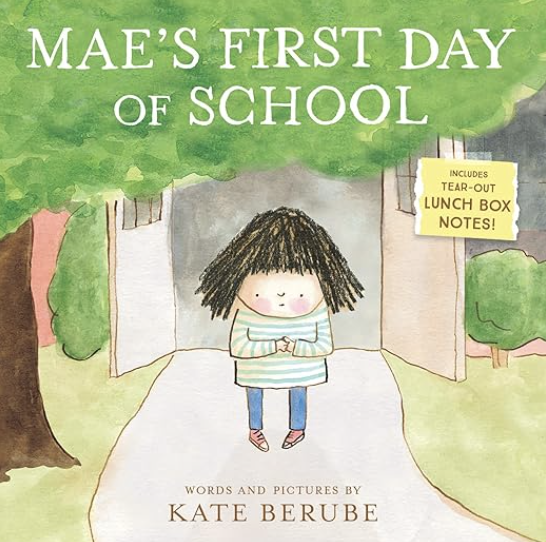
- Mae’s First Day of School by Kate Berube
School Transition Tip: Attending story time at the library can help prepare kids for similar school activities, encouraging them to practice sitting still and listening.
Fight Back-to-School Anxiety By Building Key Skills
Confidence grows when kids feel capable. Prepare your child for school by developing independence, social skills, and academic readiness in advance.
Help Children Build Independence
Schools and classrooms require kids to perform a variety of tasks independently, and helping them develop the skills they’ll need can increase their confidence and reduce anxiety.
Preschool Readiness
Important Skills:
- Manage bathroom needs
- Share and take turns
- Follow basic instructions
- Put on and take off shoes/jacket
- Hold and use a pencil or crayon
Kindergarten Readiness
Important Skills:

- Open and close lunch/snack containers
- Tie or fasten shoes, zippers, buttons, etc.
- Use safety scissors
- Personal hygiene: Blowing nose, cover mouth when coughing or sneezing, washing hands
- Sitting still and paying attention for 10–15 minutes
Teach and Practice Social-Emotional Skills
Many kids worry about making new friends, and developing their social skills through modeling and practice can make the experience easier.
School Transition Tip: Try simple role-playing activities to encourage social-emotional learning.
| Skill | Actions | Sample Language |
| Introduce Yourself | • Walk up to the person but don’t stand too close • Make eye contact • Smile • Speak confidently | “Hi, my name is Jackson. What’s yours?” |
| Ask to Join a Game | • Watch first to understand the game • Try not to interrupt • Ask politely | “That looks like fun! Can I play too?” |
| Invite Others to Play | • Ask nicely—don’t order or demand | “Do you want to play tag with me?” |
| Take Turns | • Be aware of others who are waiting to try something • Share equipment or space • Ask politely if you’d like a turn | “Do you want to try shooting a basket next? Here’s the ball.” “Could I please go next?” |
| Use Kind Words | • Say “please” and “thank you” • Tell others when they’re doing a good job • Don’t call people names or be rude | “You’re so good at shooting baskets! Can you please teach me how to do it?” |
| Manage Frustration | • Take a deep breath • Use calm words to explain how you feel • Don’t yell or get physical | “Lily, it’s my turn to go next. When you cut in front of me, that made me mad. Could I please have the ball?” |
- Learning how to play with others is a big part of making new friends. Cooperative play, where kids play together to reach a common goal, is a milestone in social development. Learn more in our article Cooperative Play Explained: Why It Matters, and How to Encourage It
Build Academic Readiness
Today’s kindergarten curriculum programs place more emphasis on academics than even a few decades ago. Your child will likely feel more confident starting school with a few academic skills under their belt, like counting to at least 10, knowing the alphabet, recognizing colors and shapes, and an awareness of how books and printed words work.
School Transition Tip: ABCmouse is an excellent way to build academic readiness for preschool, kindergarten, and early elementary students. Through online games, educational videos, and interactive activities, kids progress at their own pace as they learn reading, math, science, and more.
Learn more about how ABCmouse can help your child start school with confidence!
More Free Educational Resources from ABCmouse!
- Pattern Activities for Preschoolers and Kindergarteners
- Number & Counting Activities for Preschoolers
- Fun Reading Activities for Preschool Through 2nd Grade
- Letter Recognition Activities for Preschoolers
- Number Sense Activities for PreK and Kindergarten
- Shape Activities for Preschoolers and Kindergarteners
- Letter Sound Activities for Young Children
- Alphabet Coloring Pages for Preschoolers
- Free-to-Play Educational Games by Subject and Grade
Make the Unknown More Familiar to Help Ease Back-to-School Jitters
Making school feel more familiar can reduce your child’s uncertainty about it. Even adults will agree that it’s easier to feel comfortable about a situation when you can picture it more clearly and have a sense of what to expect. Help your child get acquainted with the school grounds, before and after school locations and routines, and the teachers and staff they’ll see each day.
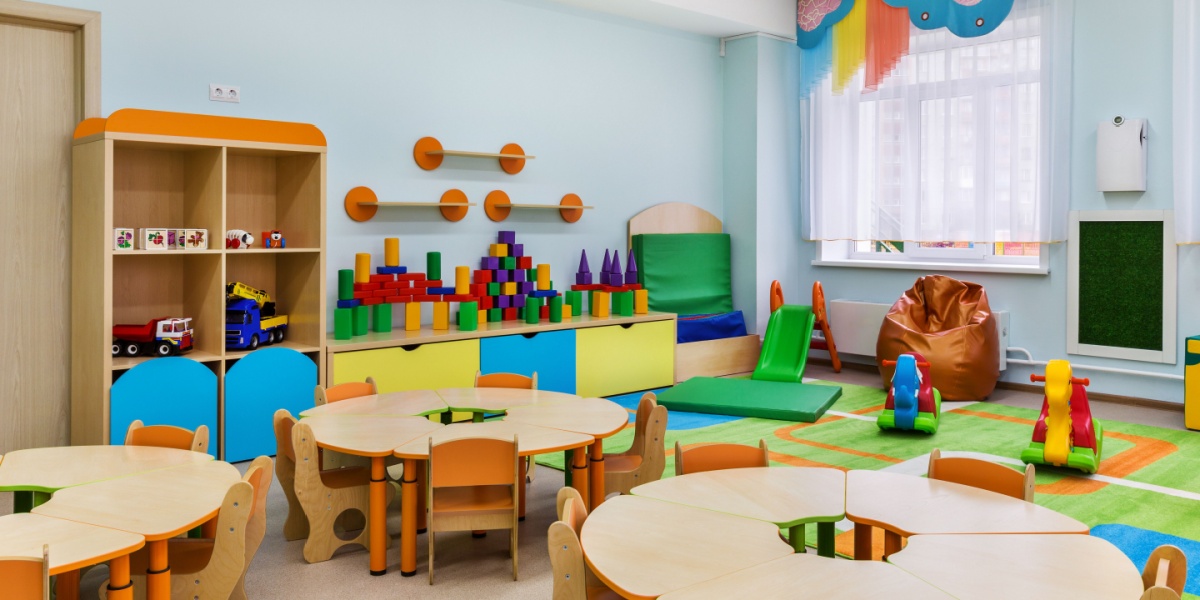
Visit the School in Advance
Many schools offer tours to incoming students, often as group orientation activities during the summer months. For kids who feel overwhelmed in large groups, contact the school to ask for a smaller, private tour before larger group orientation activities get underway.
If your child has siblings or friends already attending the school, ask them to show your child around when you visit for school activities. You might even be able to take them to join their siblings for lunch one day!

School Transition Tip: Don’t limit yourself to the school building. If it’s allowed, take younger children to explore the playground or other public spaces. This will help children realize all the fun that’s coming their way!
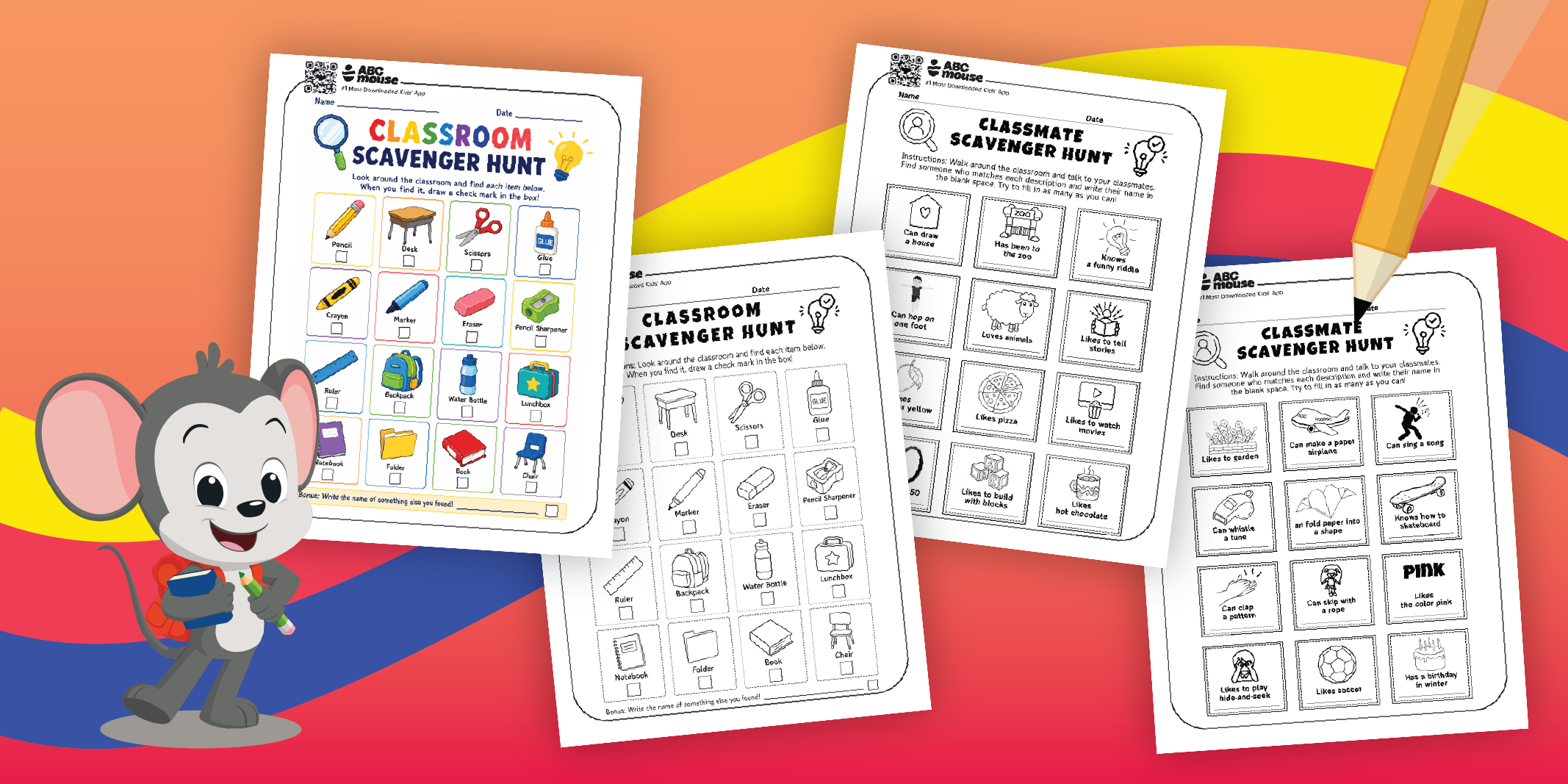
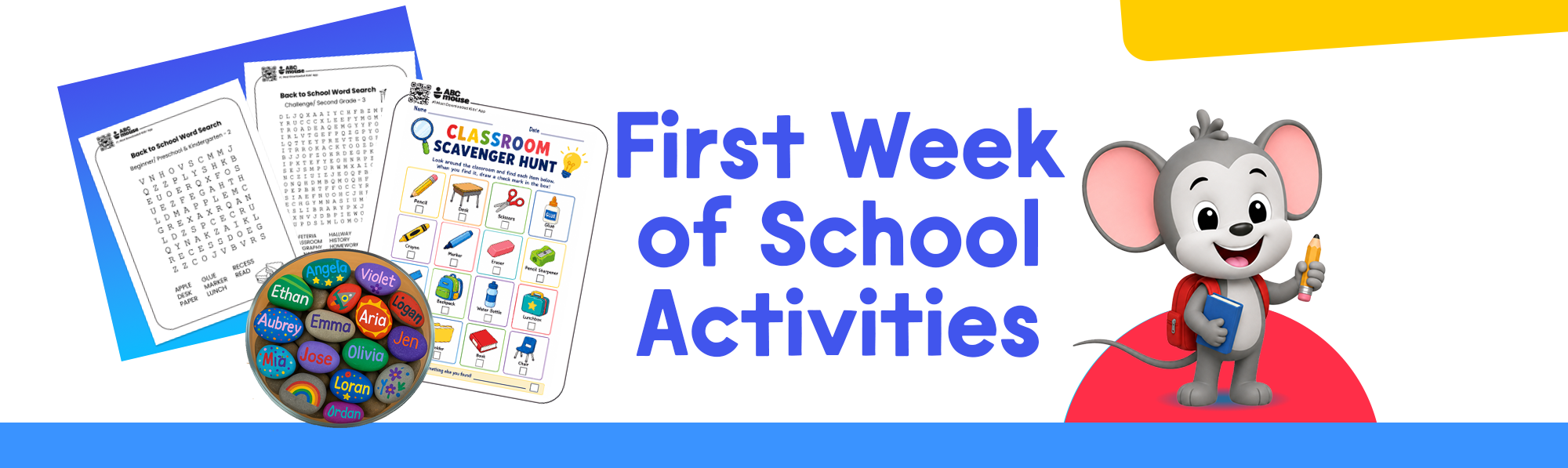
- Use our Printable Classroom Scavenger Hunts to help your child spot different school supplies in their classroom.
Build a Relationship With Teachers and Staff
School Open Houses and Meet-the-Teacher events are a terrific way to help kids feel comfortable about going back to school. In addition to getting an up-close look at their classroom, children can meet the teachers and support staff they’ll rely on for the year to come and see a few of their new classmates.
Take time to chat with your child’s teacher for a minute or two, and be sure to get information about how to communicate with them throughout the year. Establishing a strong relationship up front will make it easier to tackle any challenges that pop up in the future.
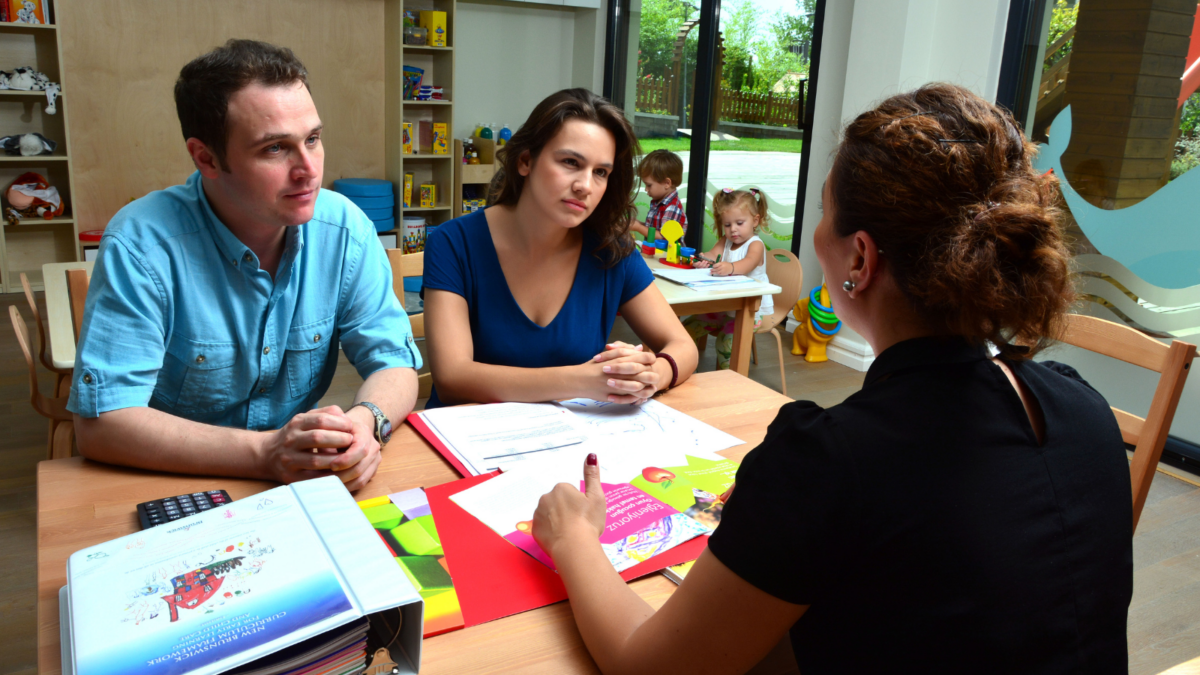
School Transition Tip: Talk to your child about anything they’d like their teacher to know about them before school starts. For instance, you might want to share that your child focuses best when they sit near the front of a classroom or that they’re feeling especially nervous about eating in the cafeteria.
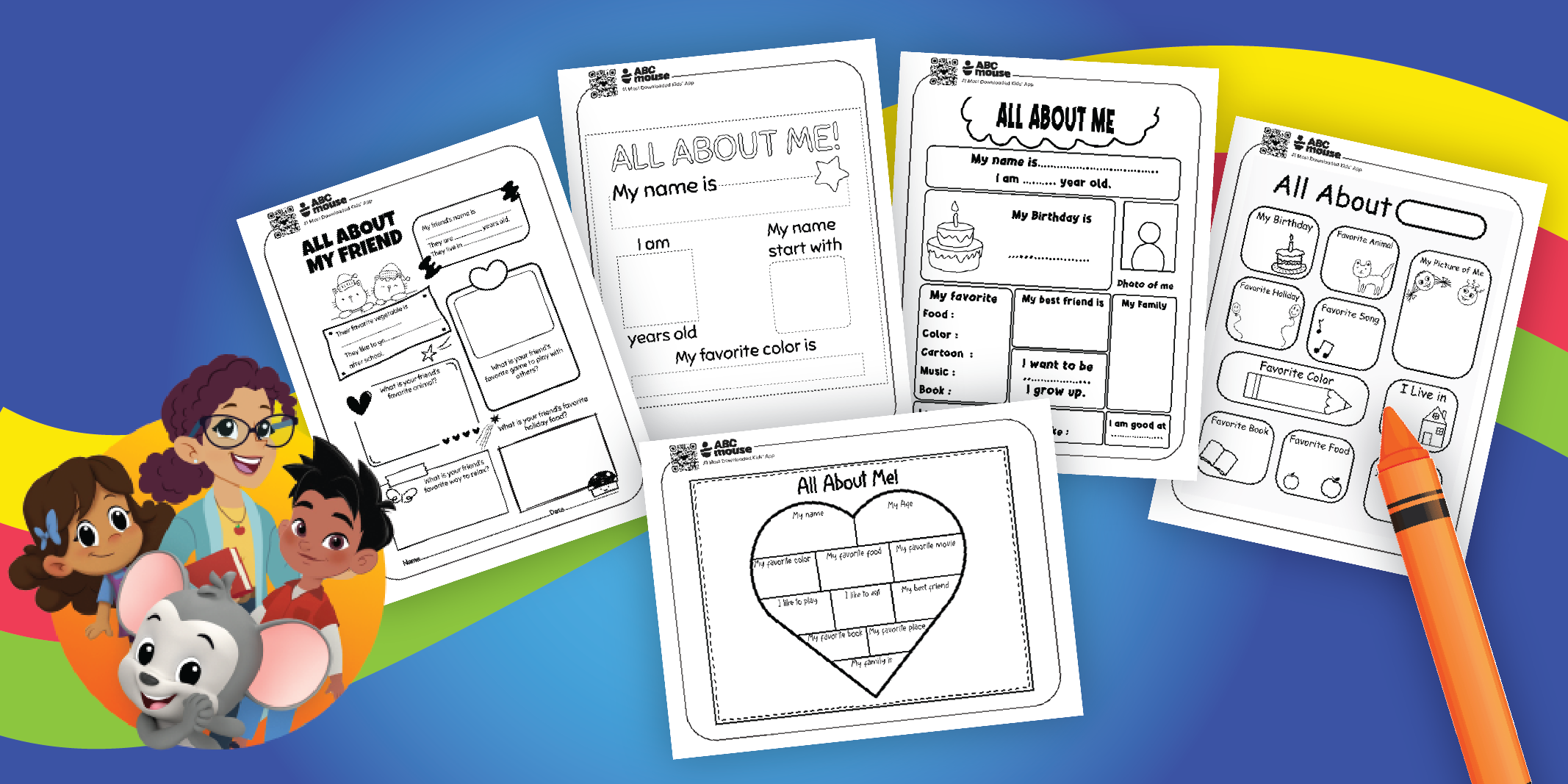
- Help your child’s teacher get to know them with our Printable All About Me Worksheets
Ease Into the School Routine Before the First Day
Predictable routines increase feelings of safety and confidence, so don’t wait until the first day of school to begin earlier bedtimes or eating lunch on a schedule. Practicing routines in advance helps them become familiar. It also gives you a chance to work out the kinks, figuring out which routines need a little tweaking to fit your family best.
You’ll also want to work on your before and after school routines. Before school, practice getting dressed, washing up, eating breakfast, brushing teeth, and completing any early chores in the time you’ll have available. In the afternoon or evening, make a schedule for homework, family time, free time, etc., and begin practicing it early.
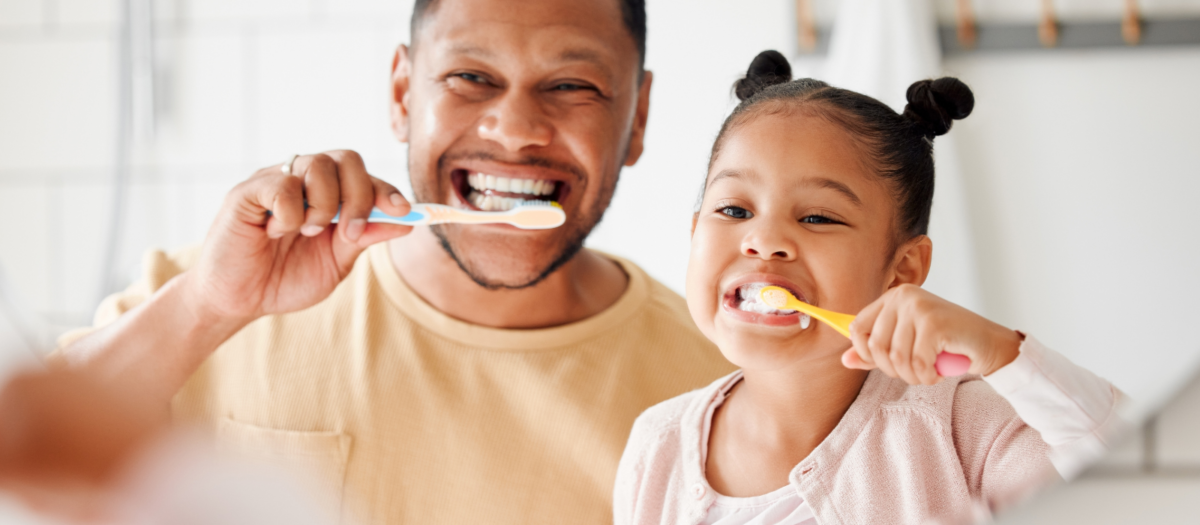
In the week or two leading up to the first day back, begin making these adjustments:
- Earlier bedtimes: Start your nighttime routine a bit sooner each evening, working your way down to school night bedtimes.
- Morning wake-ups: Do the same in the mornings, building predictable alarm times into your day.
- Scheduled meals: Kids eat on a schedule at school (and lunchtime can be very early in some cases). Practice having breakfast and lunch at the times your child will experience during the school year, and limiting snacks at other times.
- Homework time: Decide when and where your child will do schoolwork each day, and start now with some review activities to get them back into learning mode.
School Transition Tip: Be sure to include preparing for the next day into your after-school routine. Before they go to bed, your child should have their backpack ready to go, clothes picked out for the next day, and all necessary items assembled by the door.
- Use our printable routine and chore charts to start working on your morning and after-school routines. There’s even an option to encourage healthy habits and learning.
Give Kids More Ownership Over the Back-to-School Transition
Involving children in back-to-school decisions and preparations can give them a greater sense of control, which may help ease anxiety. Let them take part in tasks such as choosing supplies, picking out their school snacks, or completing simple forms so the new school year feels like something they are helping prepare for—not something simply happening to them. It also helps reassure them that all the back-to-school preparations have been completed.
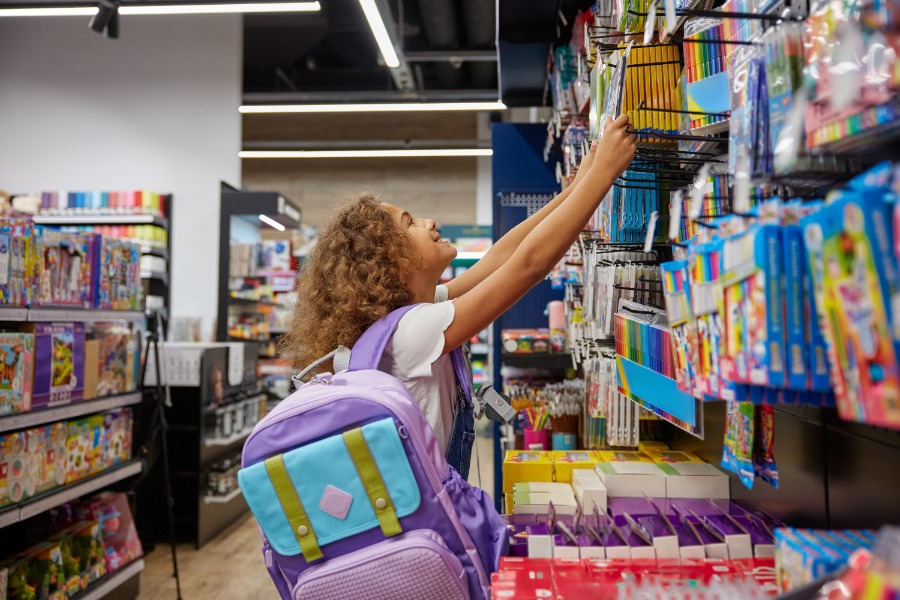
Make Back-to-School Shopping a Family Affair
Back-to-school shopping can be fun! Turn it into an event, with a special meal or treat before or after. Print out a list of supplies, and let your child cross off each item as they pick it out. Even if you do most of your shopping online, try to make time for a quick trip to the store in person to pick out at least a few supplies. You can even let children participate in the check-out process!
School Transition Tip: Give older students a shopping budget for clothes, shoes, or supplies, then let them make their own choices about the items they need and want.
- Use our printable Back-to-School Checklist to help make sure you and your child have everything ready for the new school year.
Invite Students to Help With Back-to-School Prep
There’s a lot to do in the run-up to the first day, and even very young kids can help with some of it! Here are a few options to try:
- Have your child sit with you as you fill out forms, asking them for some of the information.
- Talk to them about a bedtime they feel is fair
- Create your morning and nightly routines together
- Make a list of foods they can have for lunch and a list for snack
- Pick some lively or calming songs to play in the morning
- Plan a few simple breakfasts to eat during the week
- Ask them to help you arrange a place to do schoolwork
- Pick a corner to keep all their school items in one place.
School Transition Tip: Let older children take responsibility for as many back-to-school activities as possible. Consider letting them handle things like choosing their own lunch foods, planning their snack each day, or making sure they have everything on the school supplies list.

Create a Comforting Goodbye Routine
Separation anxiety at school can be a real challenge for some families. You’ll both feel better with a quick, confidence-building goodbye routine to start each day. Yours might include:
Goodbye Phrases
Parent: “You’ve got this!”
Child: “I’ve got this.”
Parent: “I believe in you!”
Child: “I believe in me too!”
Parent: “See you later, alligator!”
Child: “After a while, crocodile!”
Parent: “Make it a good day!”
Child: “I’ll try my best!”
Both: “Kiss, hug, wave—be brave!”
More Goodbye Actions
- Special handshake, high-five, or wave
- Thumbs up
- Hug and/or kiss
- Fist bump
- Blowing a kiss
- Dance move
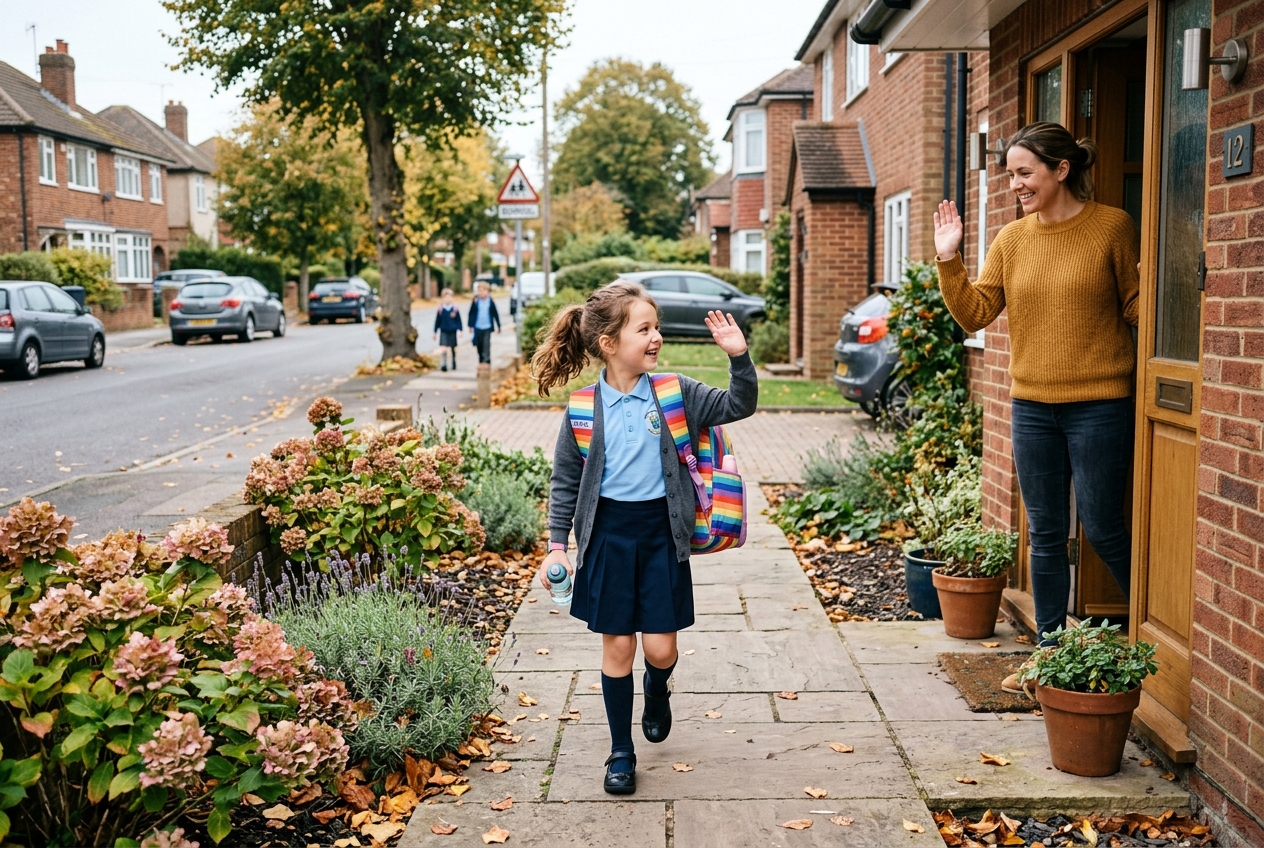
School Transition Tip: Long goodbyes often increase anxiety, so keep your goodbye routine short and simple. And don’t be surprised if your child stops using the routine over time—this is a sign they’ve built the confidence they need to feel comfortable on their own!
Jitters vs. Unhealthy Anxiety: When to Seek Additional Support
It’s normal for kids to feel a bit nervous about going back to school, but keep an eye out for indications that your child’s anxiety may be more significant. Experts recommend watching for worries and fears that are so strong they disrupt usual routines or family life or those that linger well beyond the first week or two of school. Symptoms include:
- Persistent trouble with sleep
- Excessive checking and rechecking of supplies and materials
- Repeated requests for assurances
- Excessive practice of new routines and schedules
- Refusal to talk about school at all
- General social withdrawal as the new year approaches
- Severe irritability and mood swings
- Constant physical complaints like headaches, stomachaches, nausea, and vomiting
- Refusal to get on the school bus or other transportation, regular pleas to stay home, or multiple calls to be picked up early
School Transition Tip: One or two of these behaviors is likely nothing to worry about, but if the symptoms add up, talk to your child’s pediatrician for more information.
More Fun Ways to Build School Confidence and Excitement
Crafts and Free Coloring Pages
Free Printable Activities
Remember, feeling nervous about school is very common among students of all ages. Confidence develops over time, so be patient with your child as the new school year gets underway. With a little preparation and encouragement, you can help your child feel more comfortable and even excited about going back to school!
-

How to Help Kids Feel Comfortable Going Back to School
Help kids feel comfortable going back to school with simple tips to ease back-to-school anxiety, prepare for preschool or kindergarten, and build confidence.
-

Back-to-School Resources for Parents & Teachers (2026)
Discover free back-to-school resources for parents and teachers, including printables, activities, checklists, books, and school readiness tips.
-

Printable Back to School Word Searches for Kids (Free PDF Worksheets)
Free printable back-to-school word searches for kids featuring easy, intermediate, and challenging puzzles with answer keys for classroom learning and fun.
-

Back to School Songs and Videos for Kids
Make the first day of school fun with back-to-school songs and videos that help kids build confidence, learn routines, and get excited to learn.
-

Free Printable Classroom Icebreakers
Free printable classroom icebreakers with Would You Rather Questions and Classroom Scavenger Hunts to help students connect and build community.
-
Free Printable All About Me Worksheets
Free printable All About Me worksheets for preschool, kindergarten, and elementary students. Perfect for back to school, self-expression, and fun classroom activities.
-

160+ School Jokes for Kids (Free Printable!)
Discover 160+ free printable school jokes for kids, including classroom puns, knock-knock jokes, and funny one-liners for back-to-school fun.
-

40 Fun First Day of School Activities & Games
Discover 50+ first day of school activities, icebreakers, games, crafts, and first week ideas for preschool through 2nd grade classrooms.