
Fascinating Pennsylvania Facts for Kids (Free Printable List)
Find out what makes the Keystone State such a cool place!
Share
Rolling mountains, rushing rivers, and thriving cities … you’ll find all this and more in Pennsylvania! The state’s history stretches back thousands of years, from its earliest inhabitants to its key role in founding the United States. Learn more about this beautiful state with our big roundup of fascinating Pennsylvania facts for kids. Plus, get free printables to share with students in the classroom or kids at home.

PENNSYLVANIA STATE FACTS
State Nickname:
The Keystone State
Date of Statehood:
December 12, 1787
State Capital:
Harrisburg
State Colors:
Blue and Gold
State Dog:
Great Dane
State Song:
Pennsylvania
State Motto:
Virtue, Liberty, and Independence
State Animal:
White-Tailed Deer
State Fish:
Brook Trout
State Tree:
Eastern Hemlock
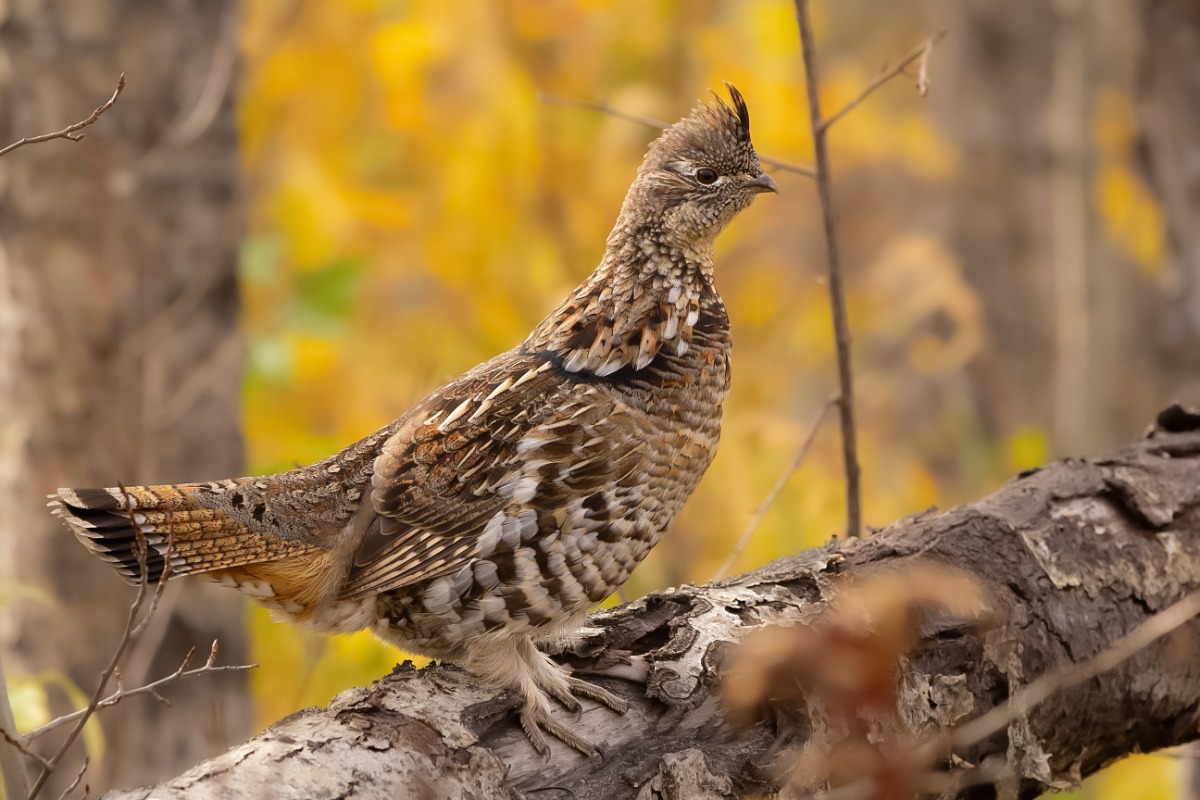
State Bird:
Ruffed Grouse
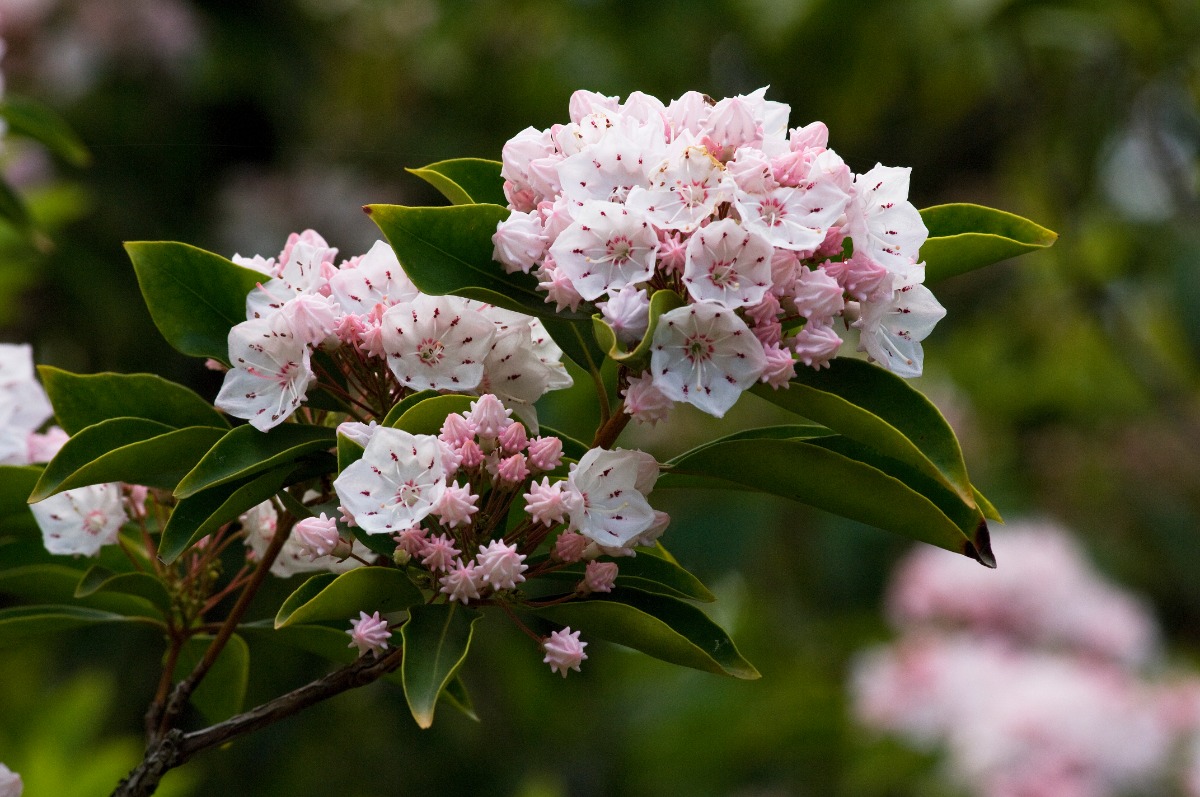
State Flower:
Mountain Laurel
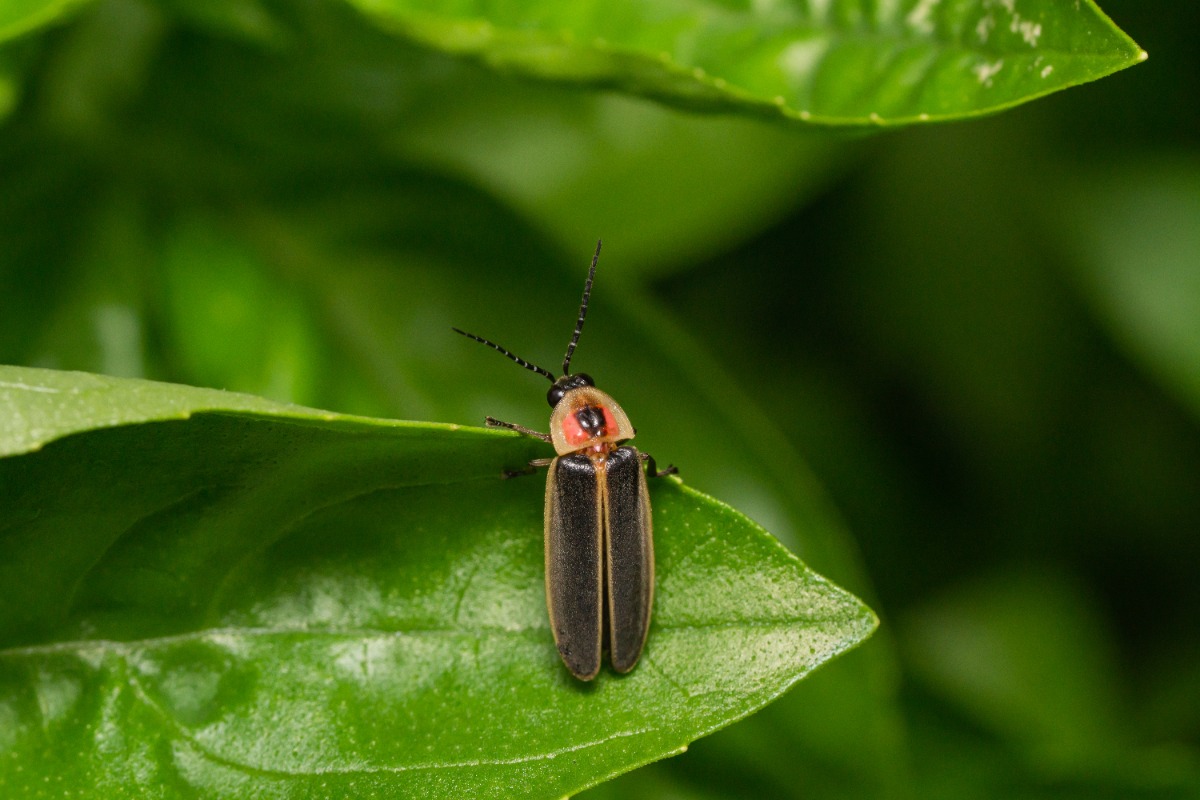
State Insect:
Firefly
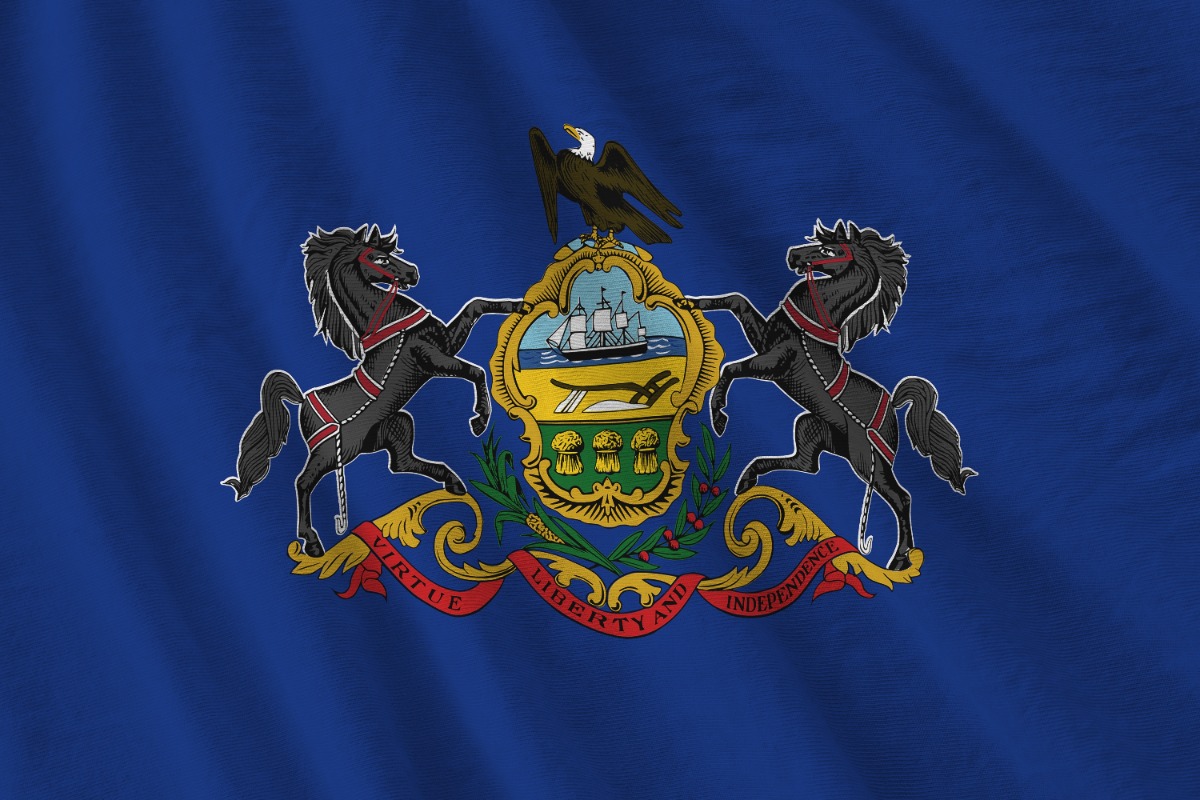
State Flag:
State coat of arms on a field of blue
?
DID YOU KNOW?
The deep blue background of the Pennsylvania flag is the same as that on the U.S. flag
PENNSYLVANIA FUN FACTS
Fun Fact #1:
Pennsylvania ranks #32 in size in the United States, at about 44,820 square miles. More than 13 million people live there, making it the 5th largest state by population.
Fun Fact #2:
America’s first zoo opened in Philadelphia in 1874. It was first planned in 1859, but the Civil War delayed its opening by 15 years.
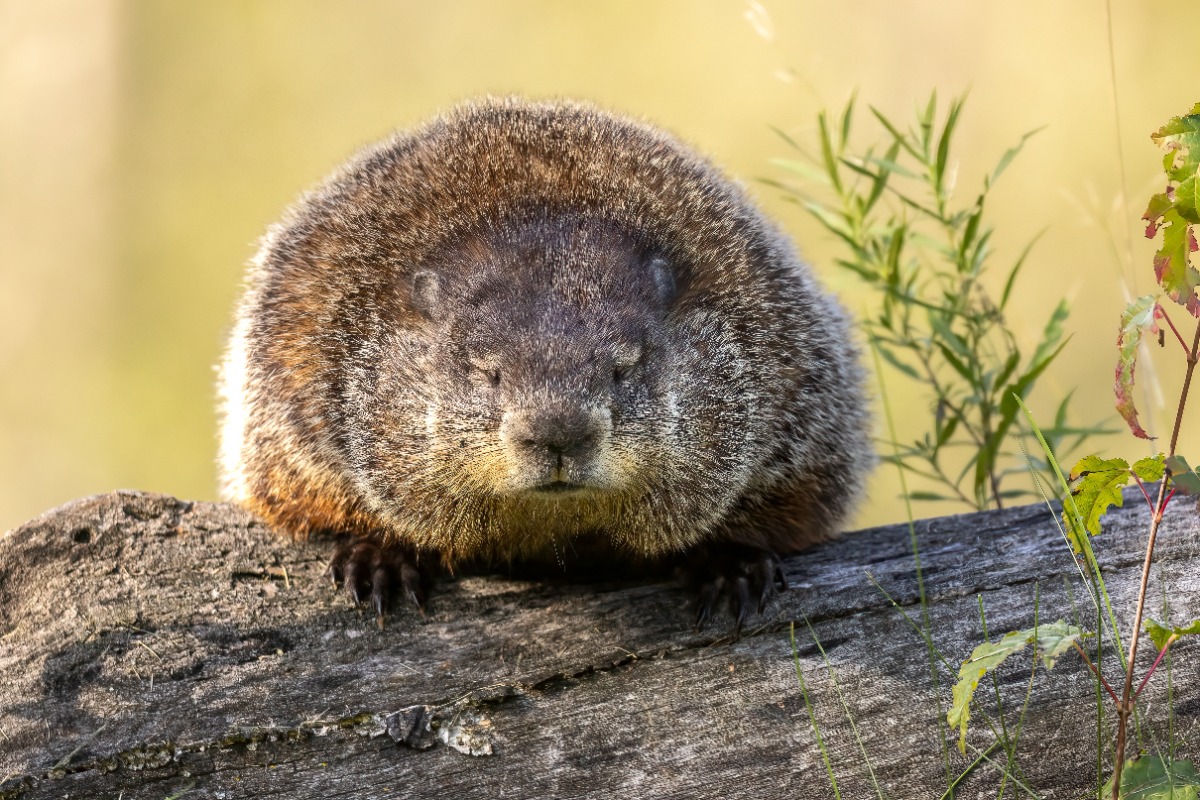
Fun Fact #3:
Punxsutawney, Pennsylvania is home to the famous groundhog, Phil, who “predicts” whether it will be an early spring by whether or not he sees his shadow. Groundhog Day is held on February 2 each year.
Fun Fact #4:
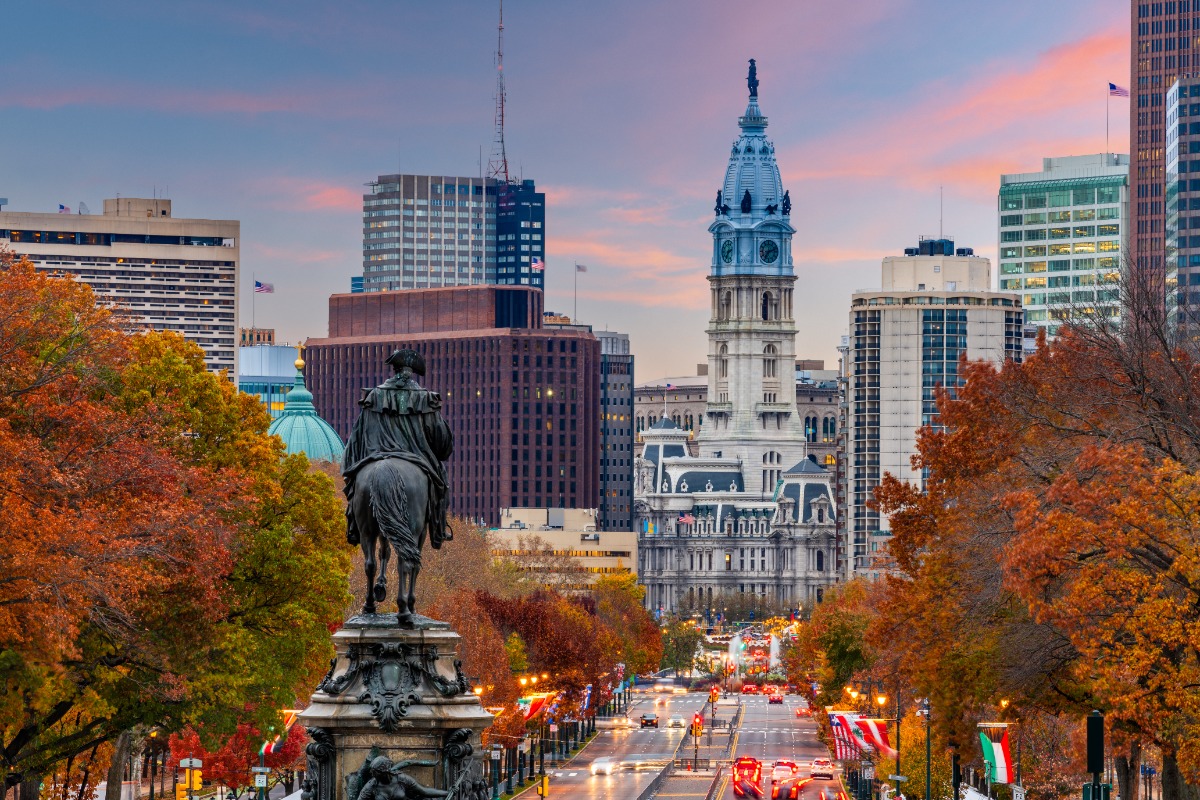
Philadelphia is the largest city in Pennsylvania and the 6th largest in the U.S., with nearly 1.6 million residents. Other major cities include Pittsburgh, Allentown, Reading, and Erie.
Fun Fact #5:
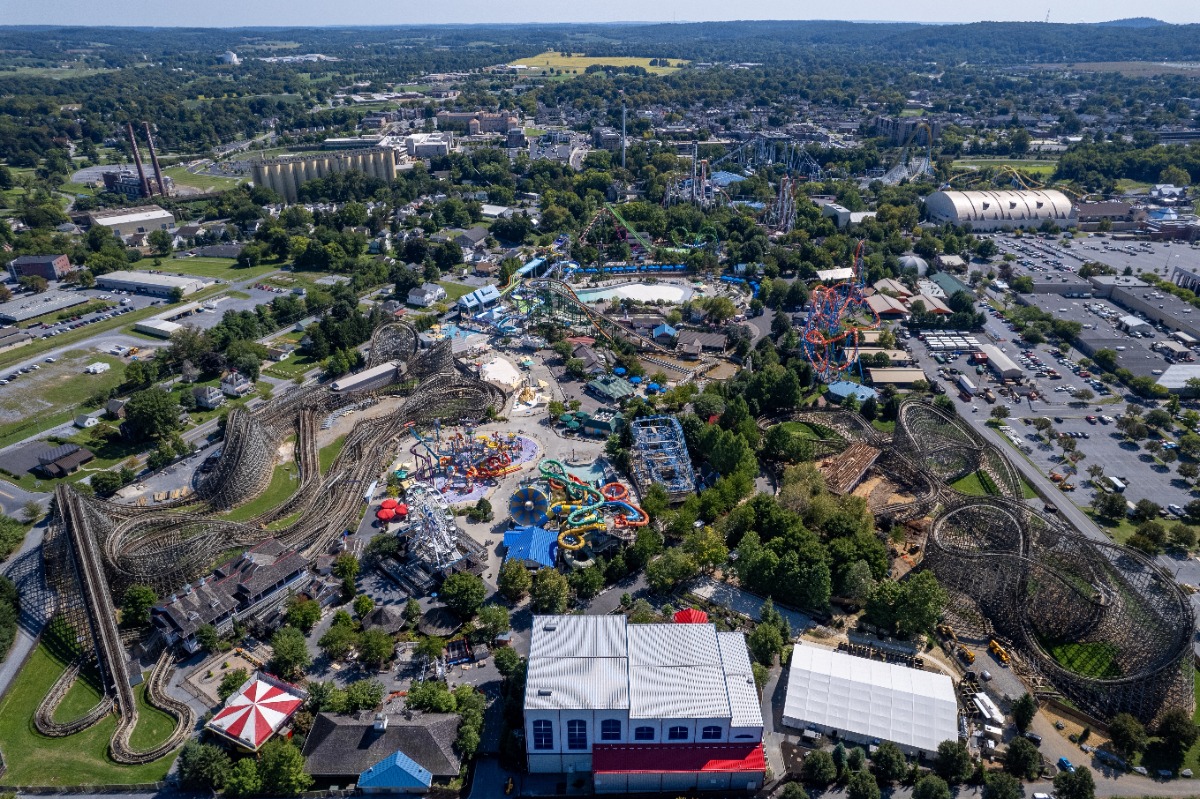
The town of Hershey was built by Milton Hershey for employees of his chocolate factory. Today, you can visit Hershey’s Chocolate World to learn more about how the sweet treats are made, plus ride roller coasters and more at Hersheypark.
Fun Fact #6:
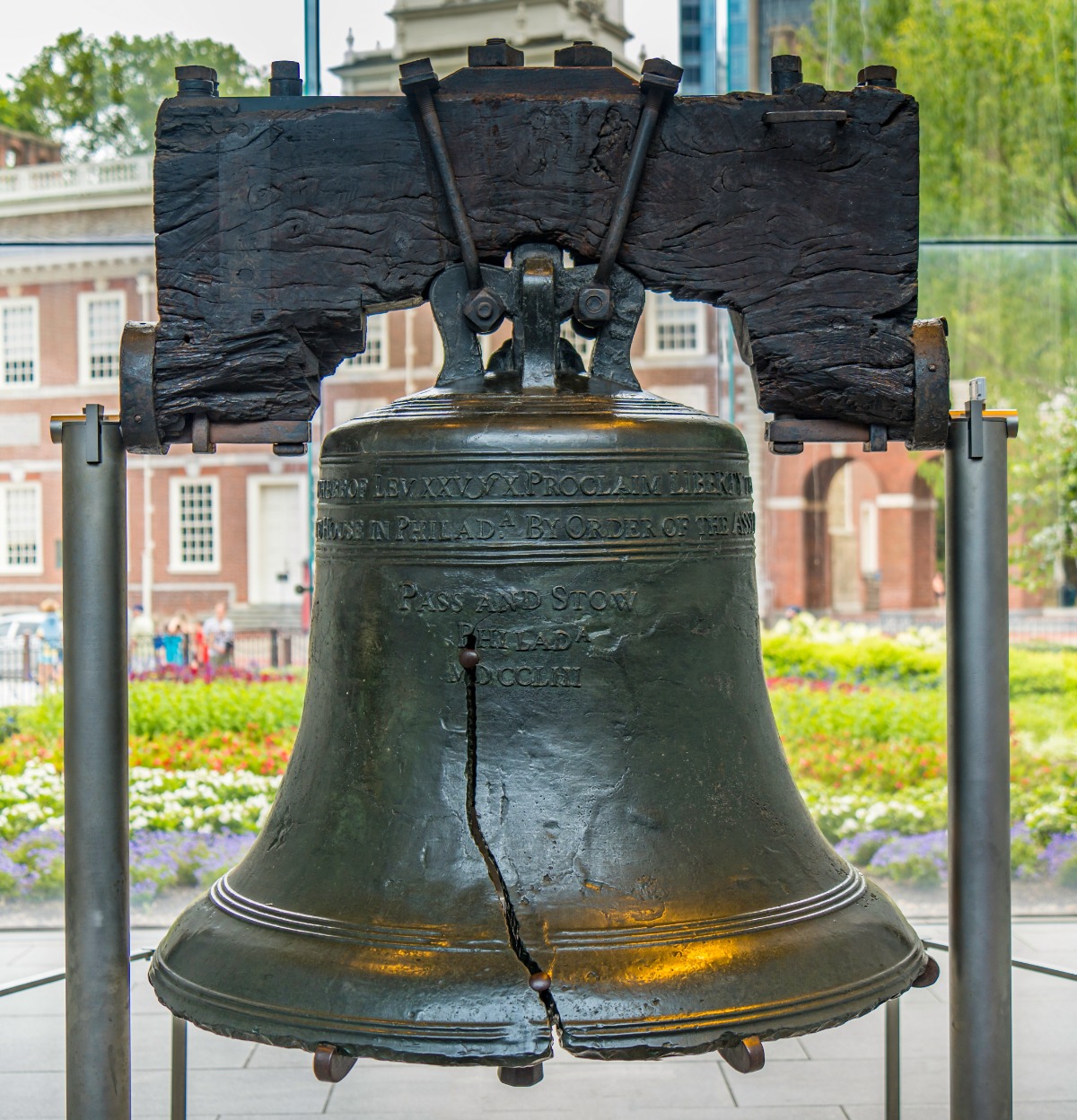
The Liberty Bell was made in 1752 to hang in the Philadelphia State House and call lawmakers to important meetings. The bell likely first cracked in the 1840s due to years of use. To fix it, workers widened the crack to prevent the edges from vibrating against each other. The wide crack seen in the bell today is this repair work! However, the bell later cracked in another spot and is now a silent symbol of America’s past.
Fun Fact #7:
More than 60% of all the mushrooms grown in the U.S. as a food crop come from Pennsylvania, making it the Mushroom Capital of the World.
Fun Fact #8:
Two U.S. presidents were born in Pennsylvania: James Buchanan, who served from 1857 to 1861, and Joe Biden, who served from 2021 to 2025.
Fun Fact #9:
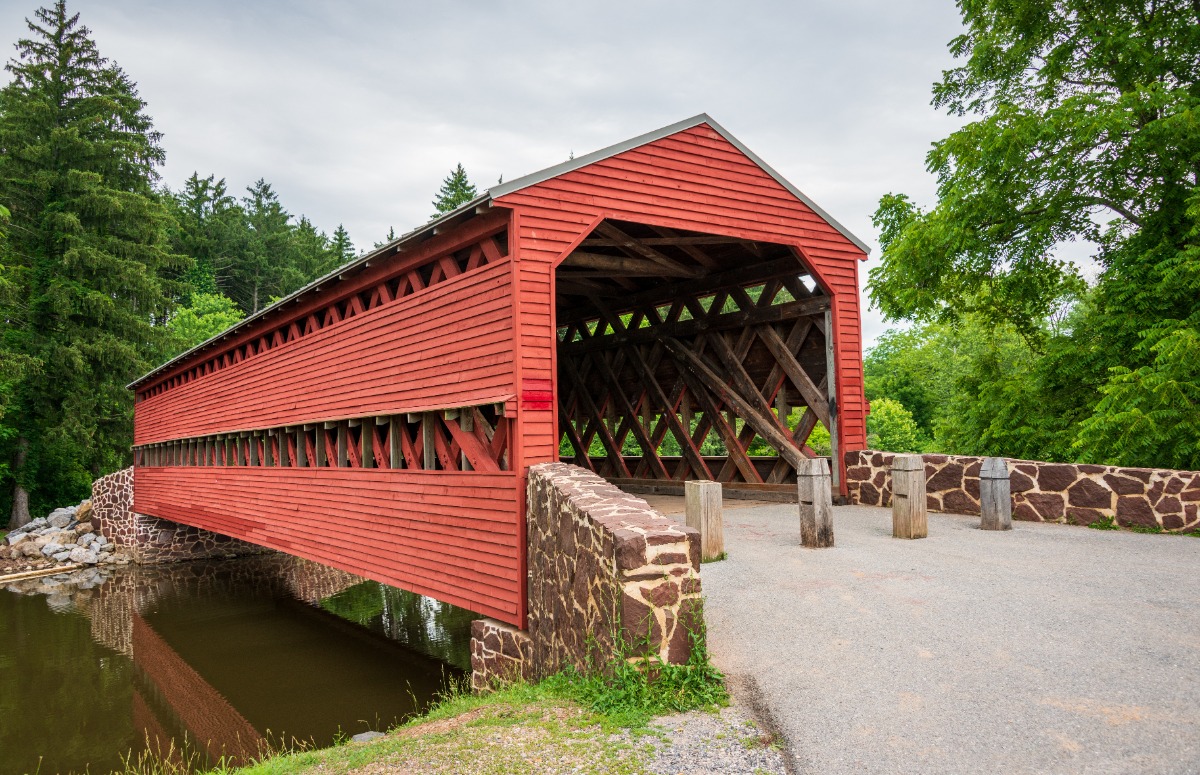
Pennsylvania has nearly 200 covered bridges still standing, more than any other state in the U.S.
Fun Fact #10:
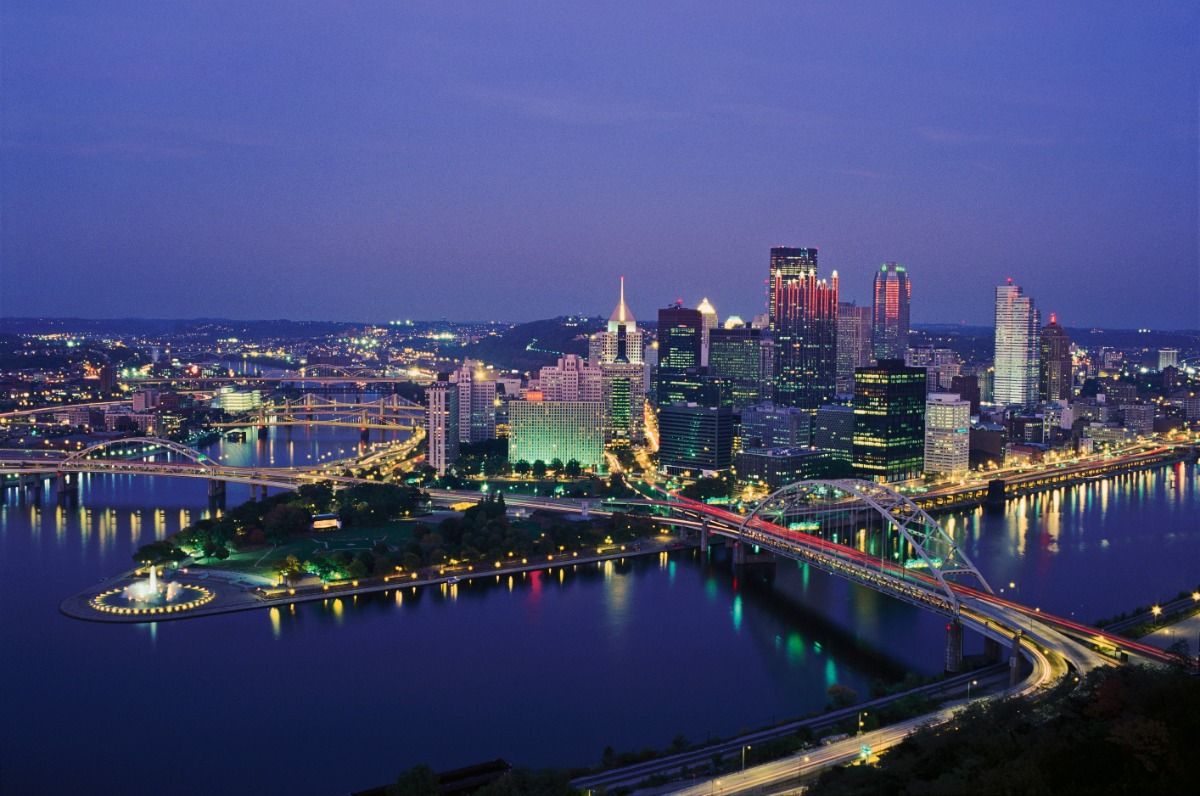
Pittsburgh is built where three rivers meet, and the city has 446 bridges to help people get across them, giving it the name “City of Bridges.”
PENNSYLVANIA GEOGRAPHY FACTS
Regions/Physiographic Provinces:
Central Lowland, Appalachian Plateaus, Ridge and Valley, New England, Piedmont, and Atlantic Coastal Plain
Climate:
Humid Continental
Location:
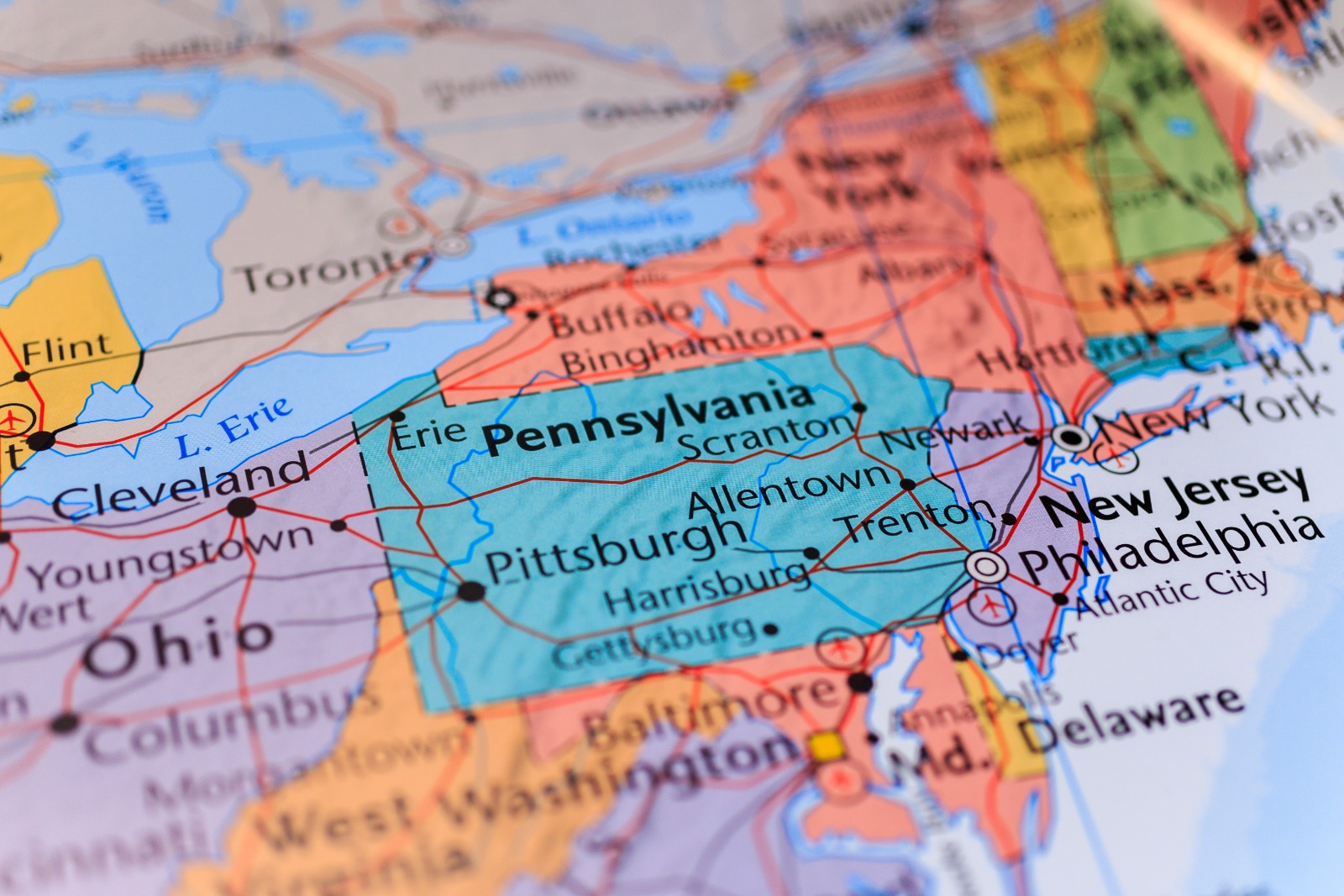
Eastern United States. To the north, it meets New York, while its southern boundary touches both Maryland and a small portion of West Virginia. On the east, Pennsylvania is separated from New Jersey by the Delaware River, and to the west it borders Ohio. In its northwest corner, the state has a short stretch of coastline on Lake Erie.
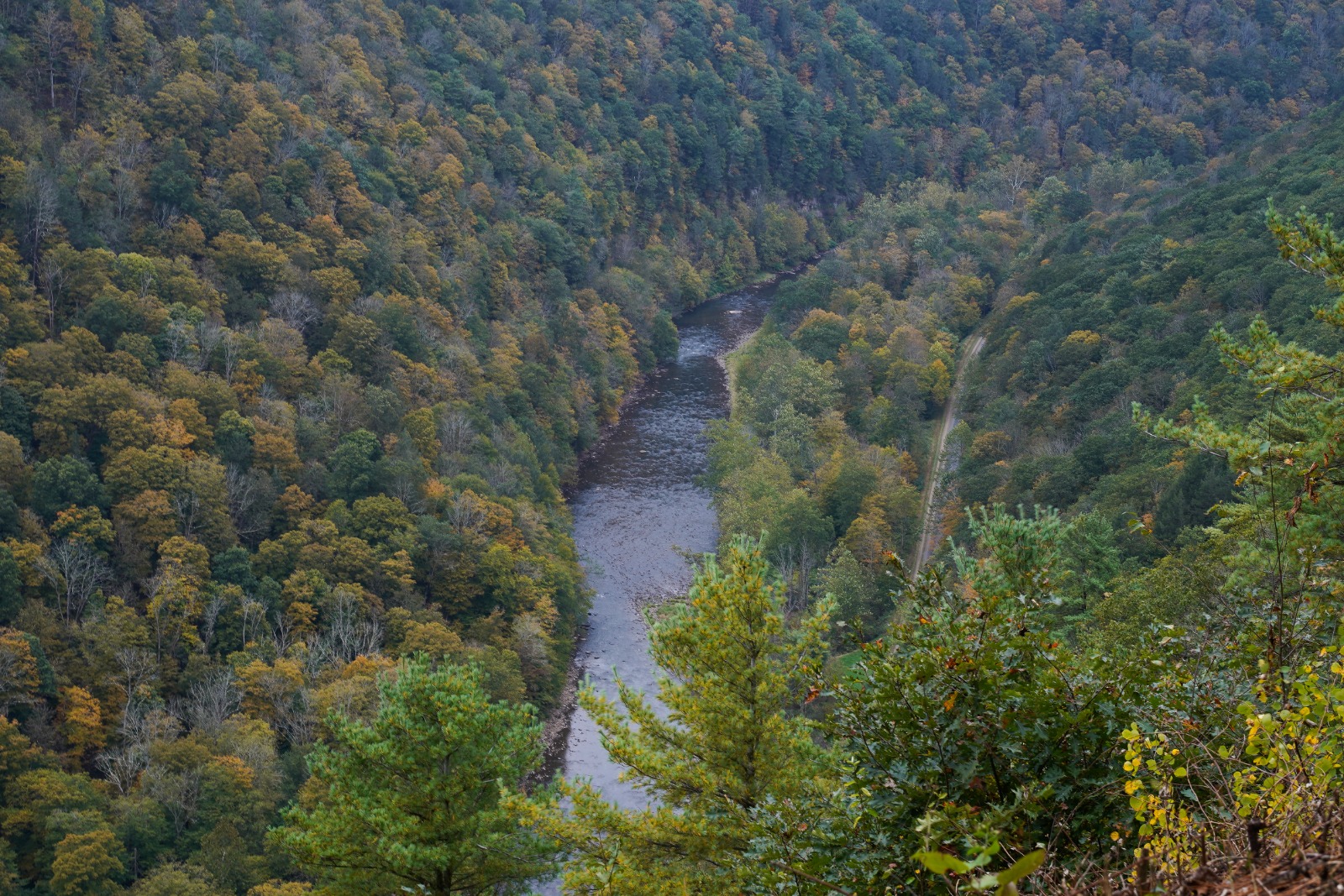
Pine Creek Gorge
Landmarks:
Appalachian Mountains, Allegheny Plateau, Great Valley, Delaware Water Gap, Hawk Mountain, Penn’s Cave, Pine Creek Gorge
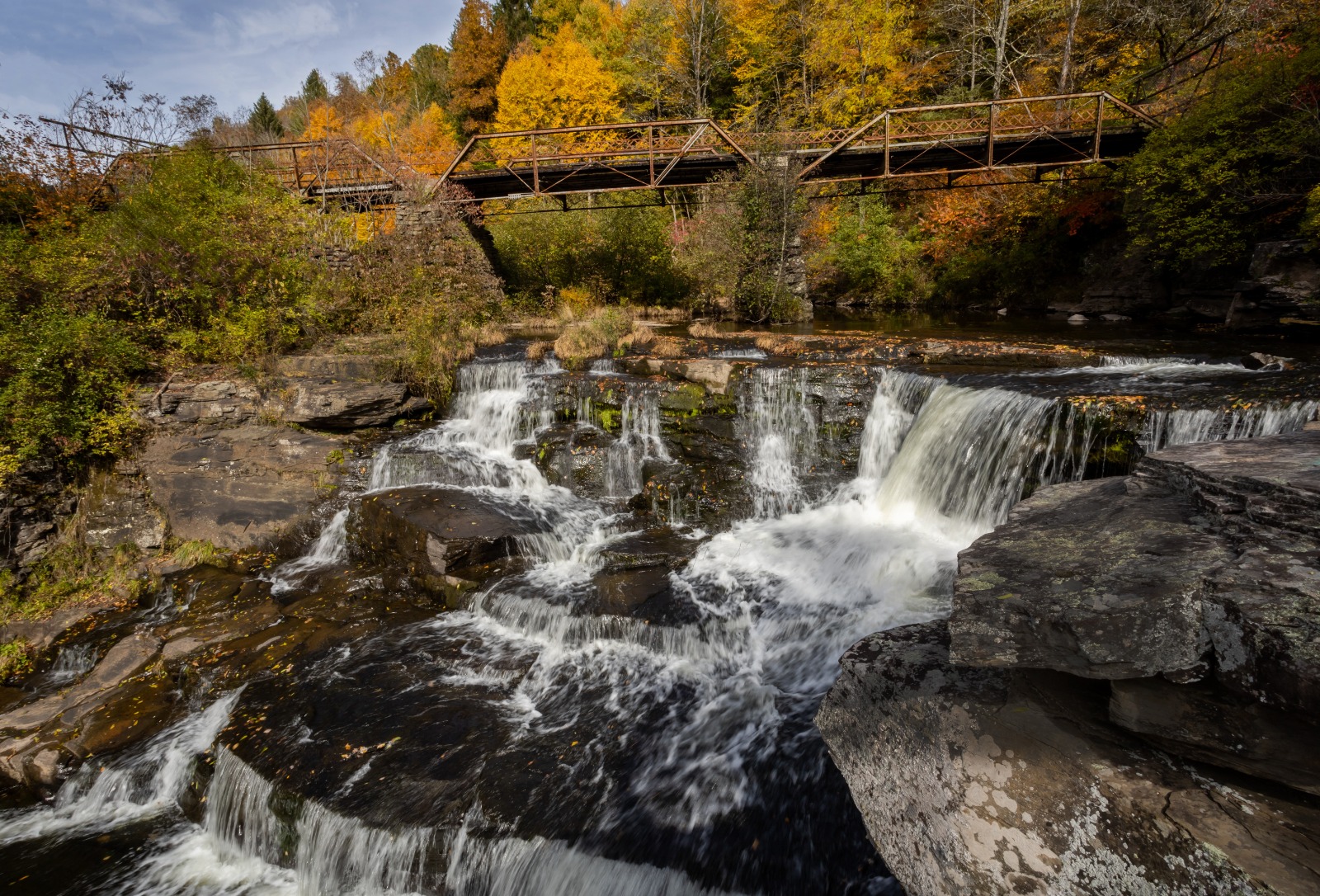
Tanner Falls in the Poconos Mountains
Blue Ridge Mountains:
The Appalachian Mountains run across much of Pennsylvania, with small mountain ranges like the Poconos, the Allegheny Mountains, the Endless Mountains, and Blue Mountain.
?
DID YOU KNOW?
Around 230 miles of the Appalachian Trail run through Pennsylvania, from the southern end at the Pennsylvania/Maryland border north to the Delaware Water Gap, where it enters New Jersey.
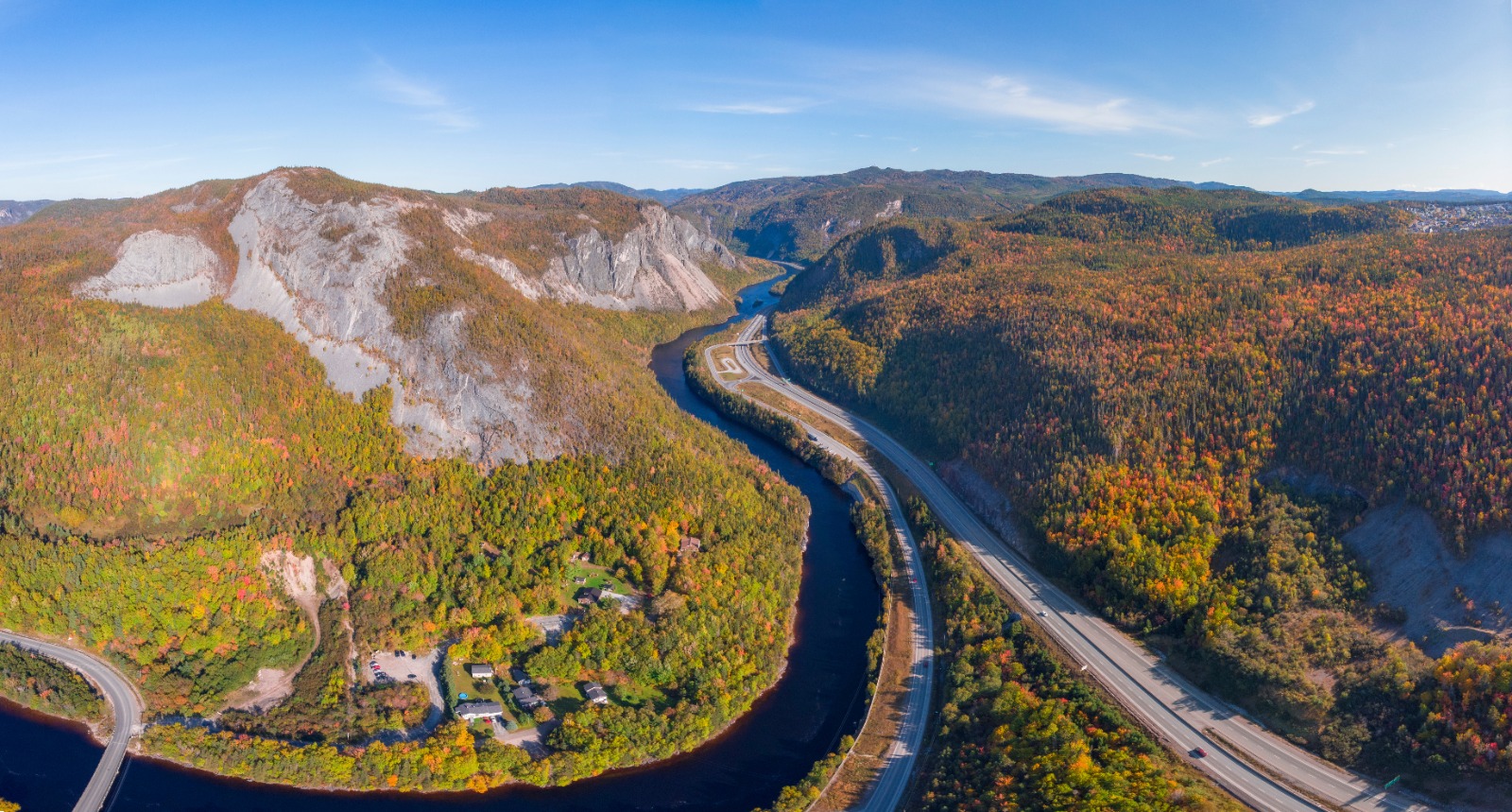
Delaware Water Gap
Delaware Water Gap:
This 40-mile long natural gorge was formed by the Delaware River cutting through the Kittatinny Ridge. It’s up to 1200 feet deep in some places.
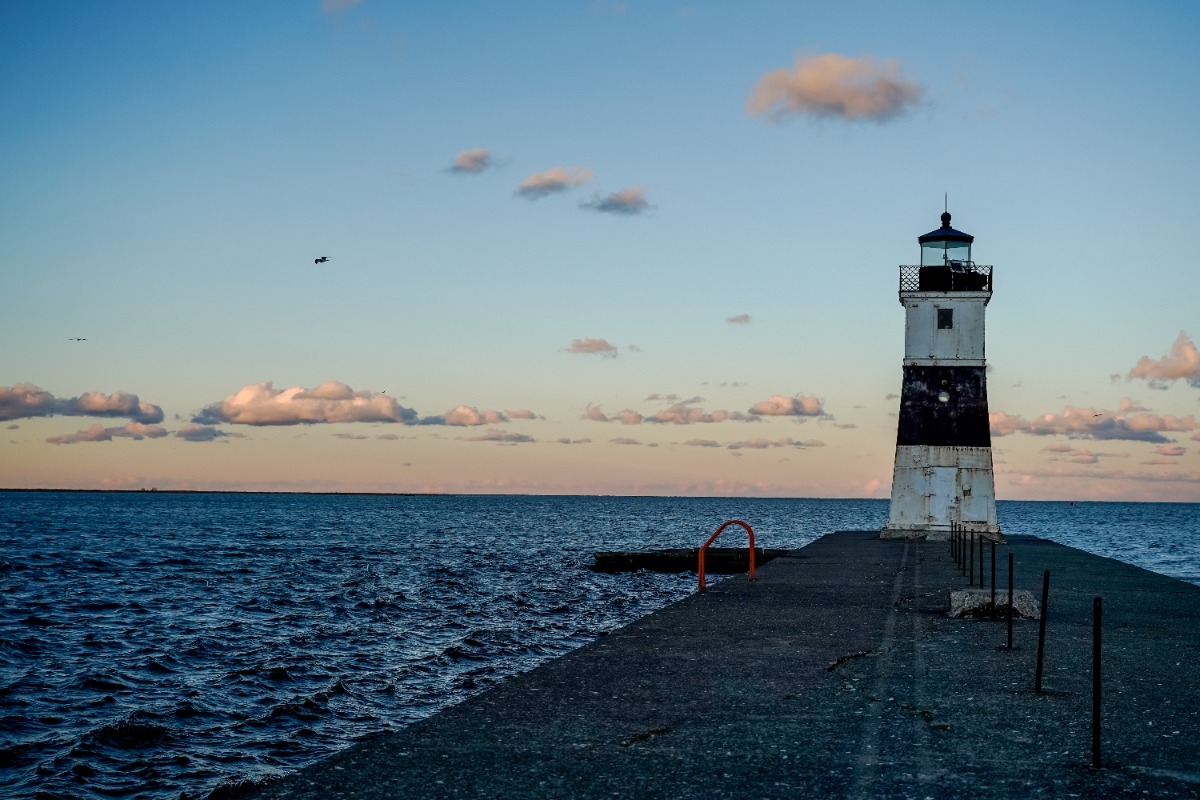
North Pier Lighthouse On Presque Isle, Erie
Lake Erie Coastline:
Pennsylvania runs along southern Lake Erie for about 51 miles.
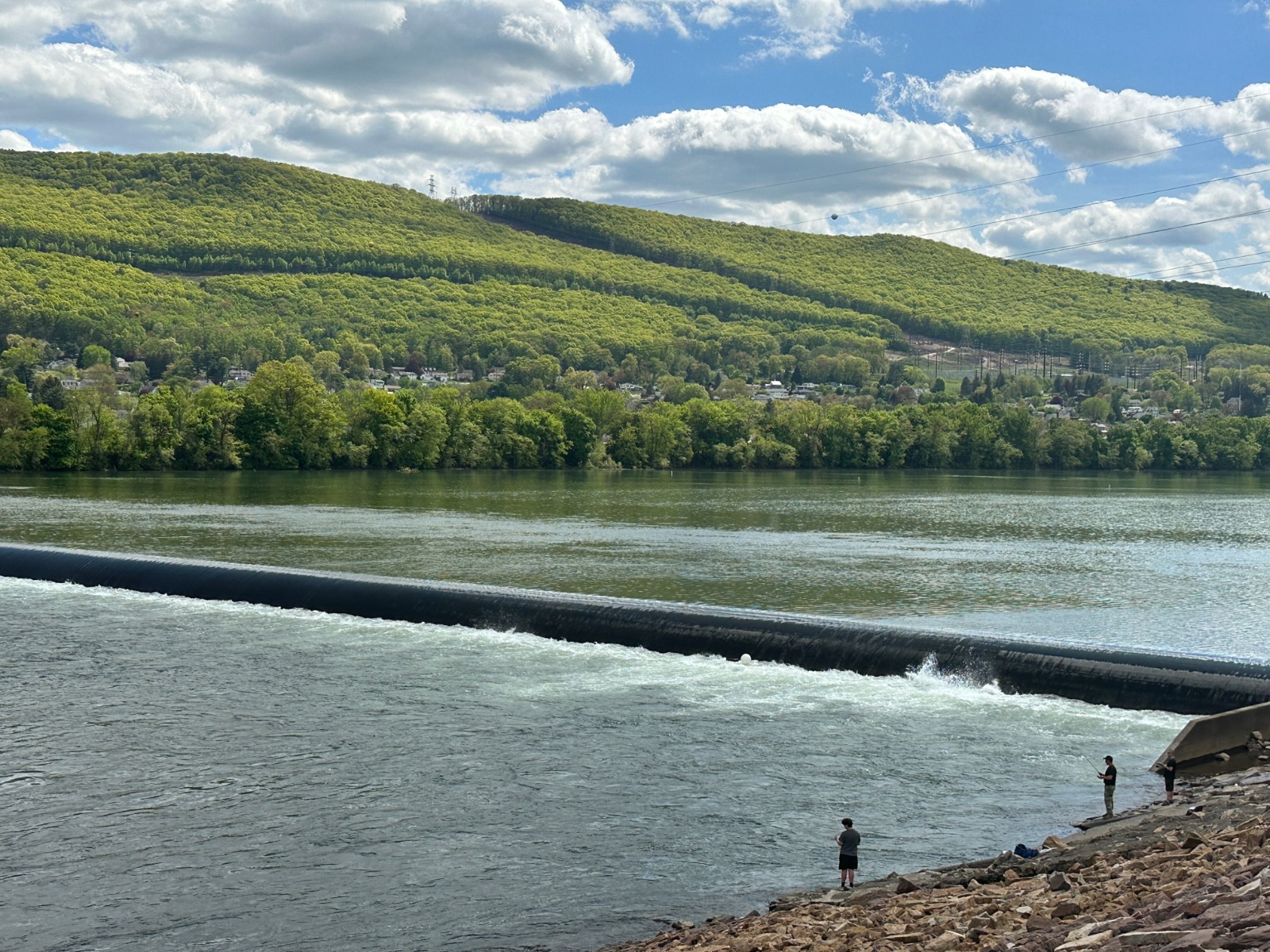
Susquehanna River
Major Rivers:
The longest river is the Susquehanna, followed by the Ohio, Allegheny, Delaware, and Monongahela.
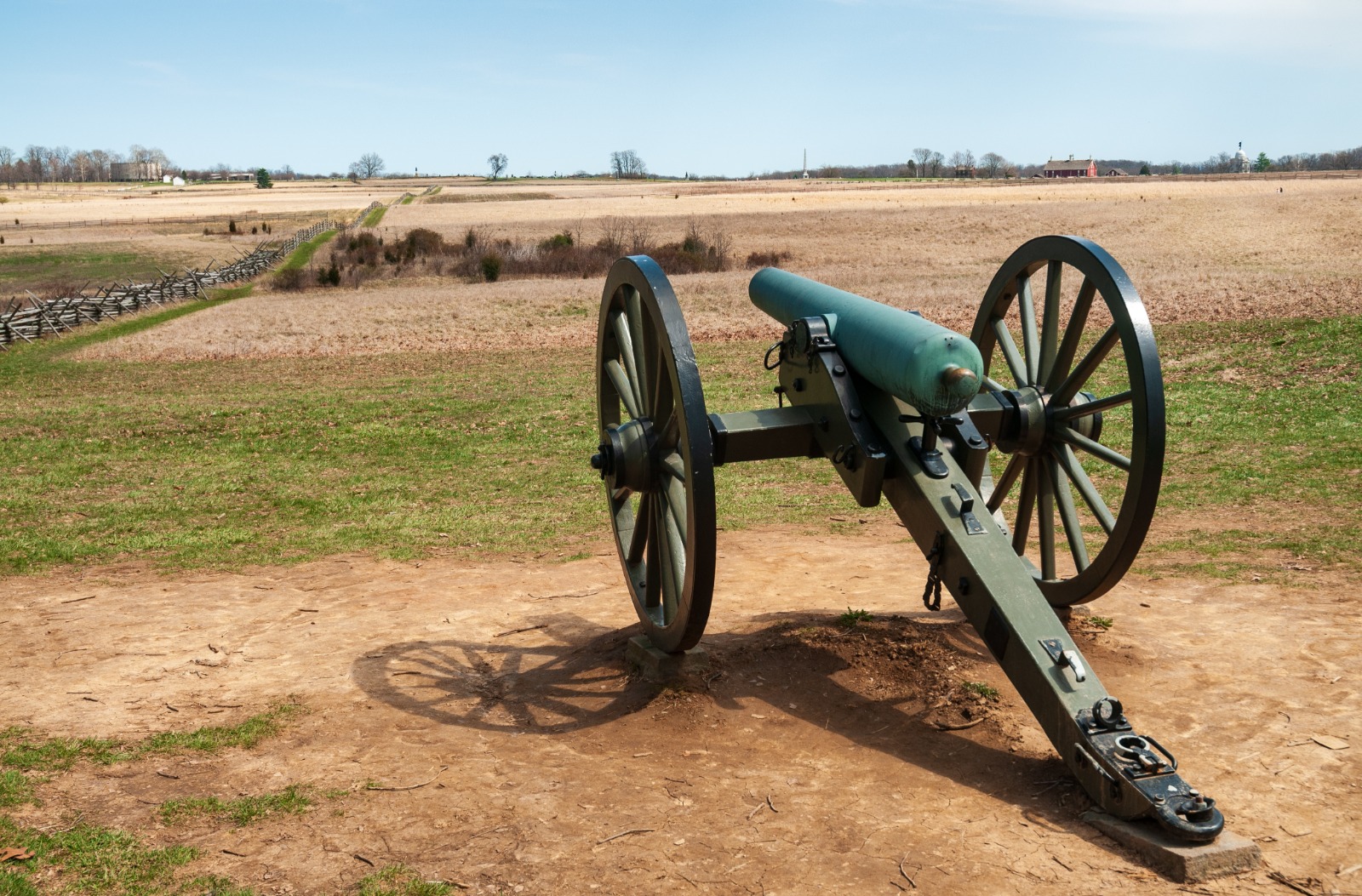
Gettysburg National Military Park
National Monuments and Historical Parks:
Gettysburg National Military Park, Valley Forge National Historical Park, Independence National Historical Park, Flight 93 National Memorial, Delaware Water Gap National Recreation Area
Selected State Parks:
Ohiopyle State Park, Presque Isle State Park, Rickets Glen State Park, Cook Forest State Park, Point State Park
Highest and Lowest Point:
Mount Davis (3,213 ft) and the Delaware River Estuary (sea level)
?
DID YOU KNOW?
Pittsburgh is built where the Allegheny and Monongahela Rivers meet to form the Ohio River.
PENNSYLVANIA WILDLIFE & NATURE FACTS
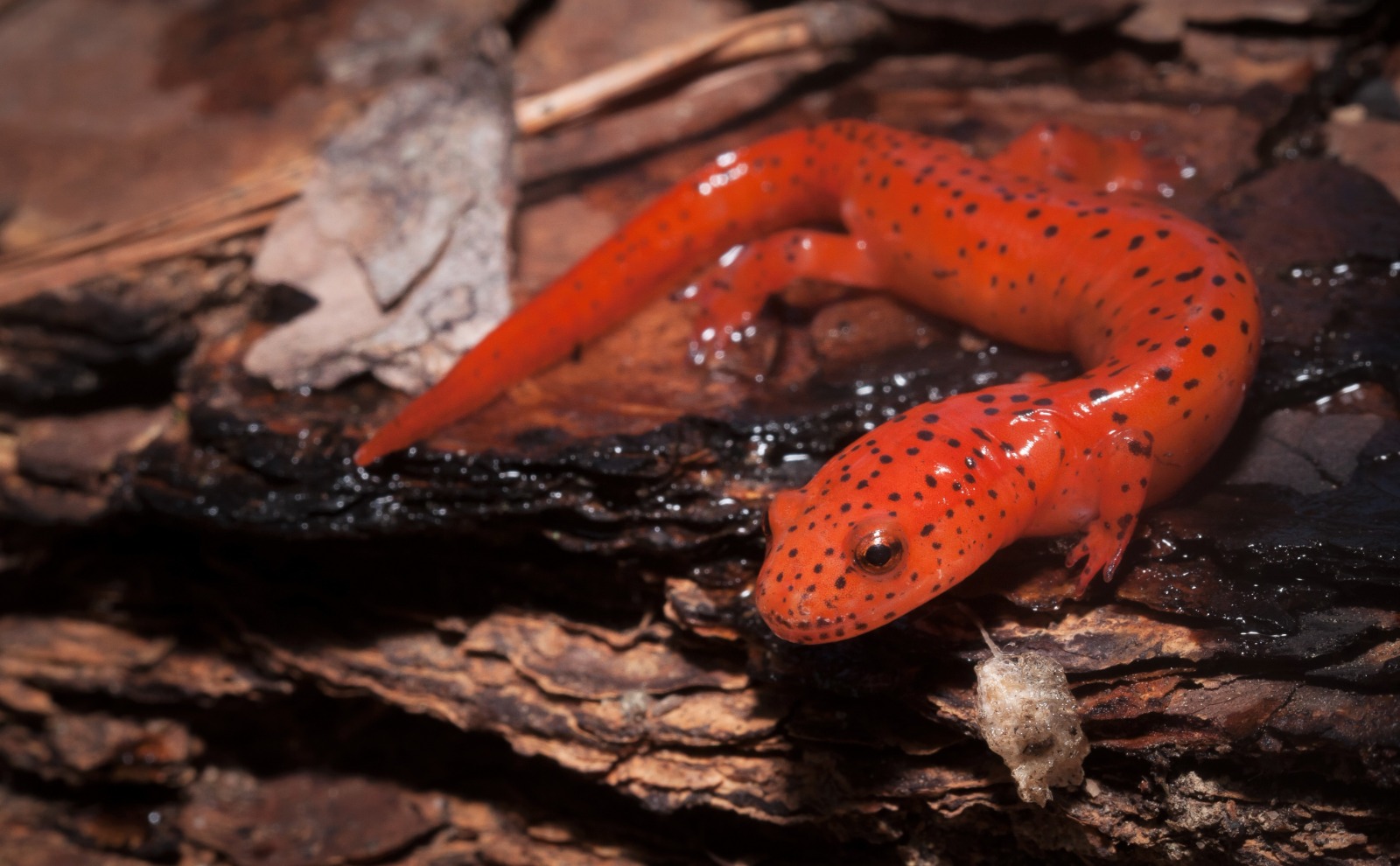
Northern red salamander
Common Reptiles and Amphibians:
Eastern newt, northern red salamander, green frog, eastern American toad, garter snake, eastern ratsnake, common snapping turtle, northern map turtle
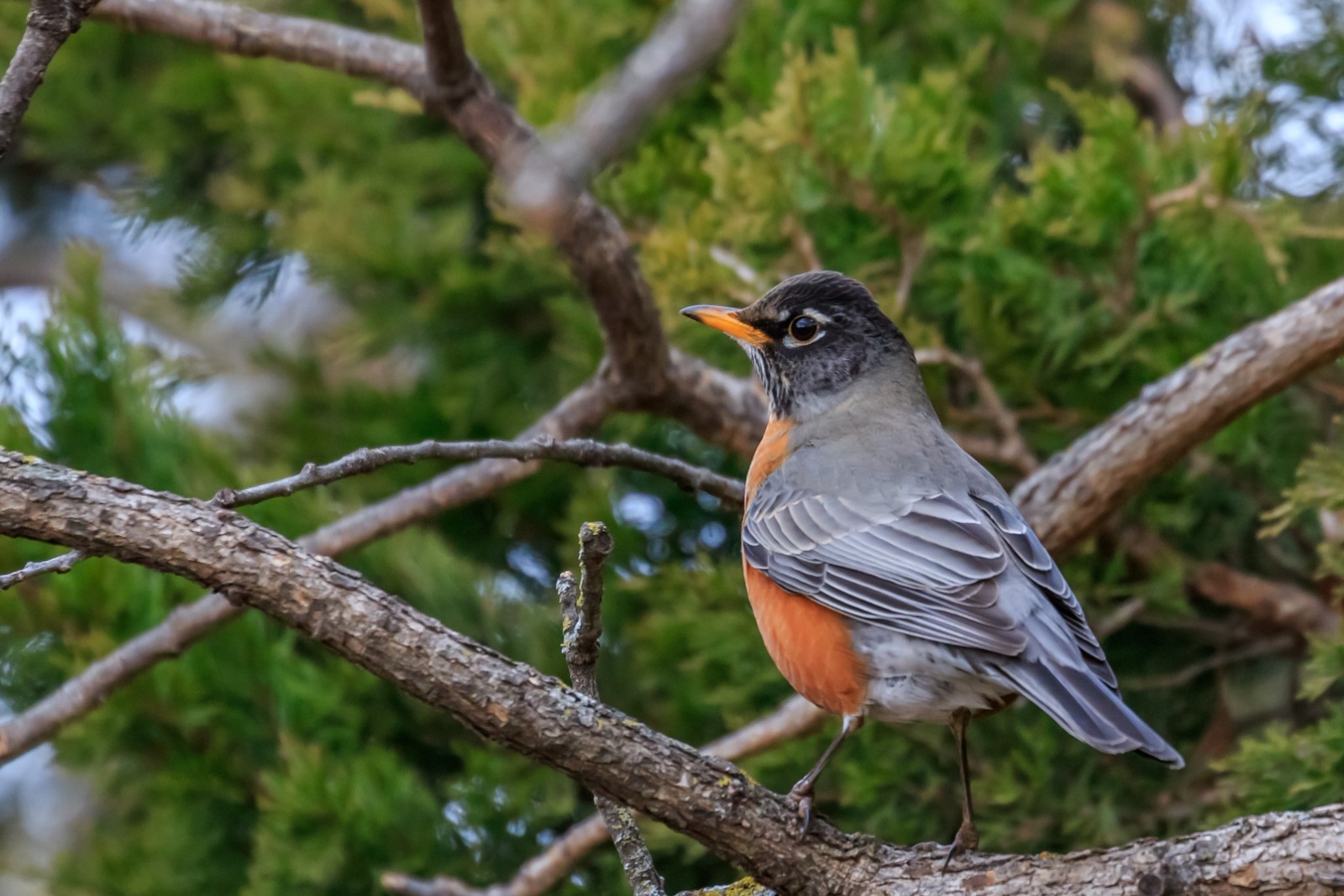
American robin
Common Birds:
American robin, northern cardinal, blue jay, mourning dove, American goldfinch, chickadee, woodpecker, wild turkey, red-tailed hawk, mallard duck, eastern bluebird, tufted titmouse, hermit thrush, cedar waxwing, great horned owl
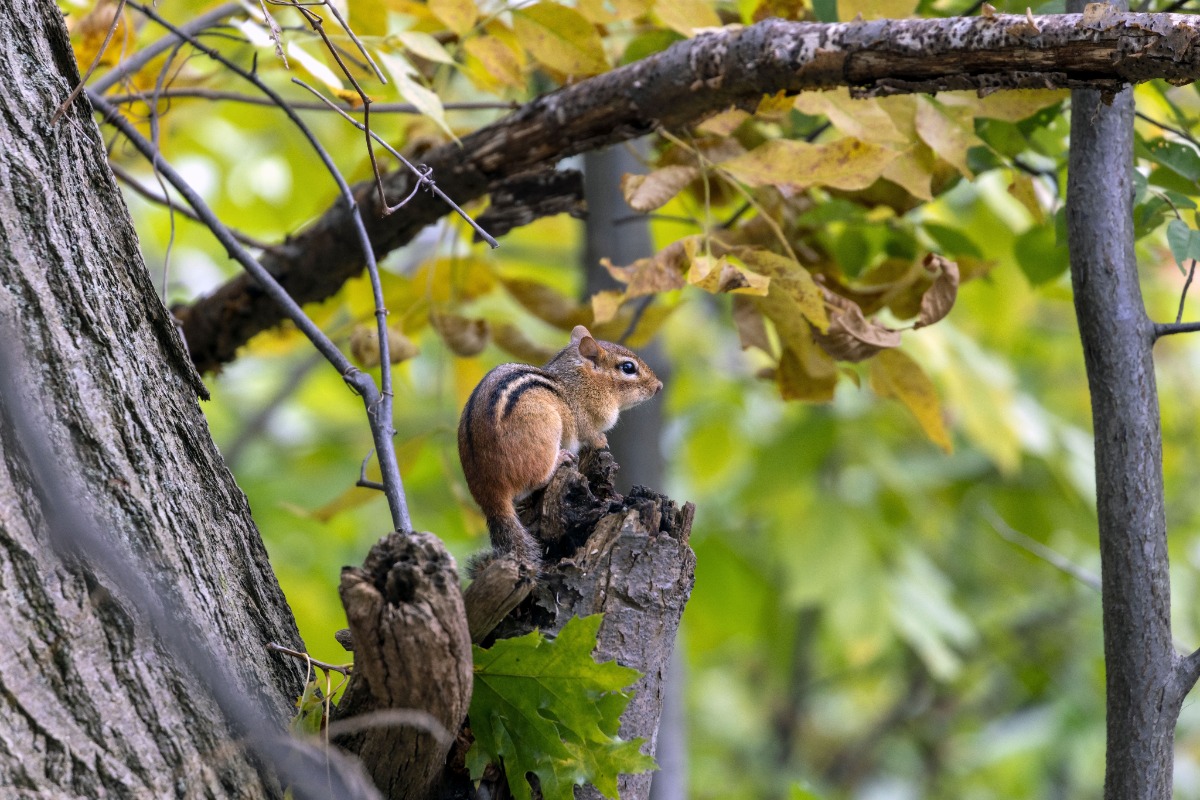
Eastern chipmunk
Common Mammals:
Black bear, elk, muskrat, spotted skunk, big brown bat, beaver, bobcat, eastern chipmunk, eastern cottontail, gray fox, mink, opossum, raccoon, river otter, white-tailed deer, woodchuck
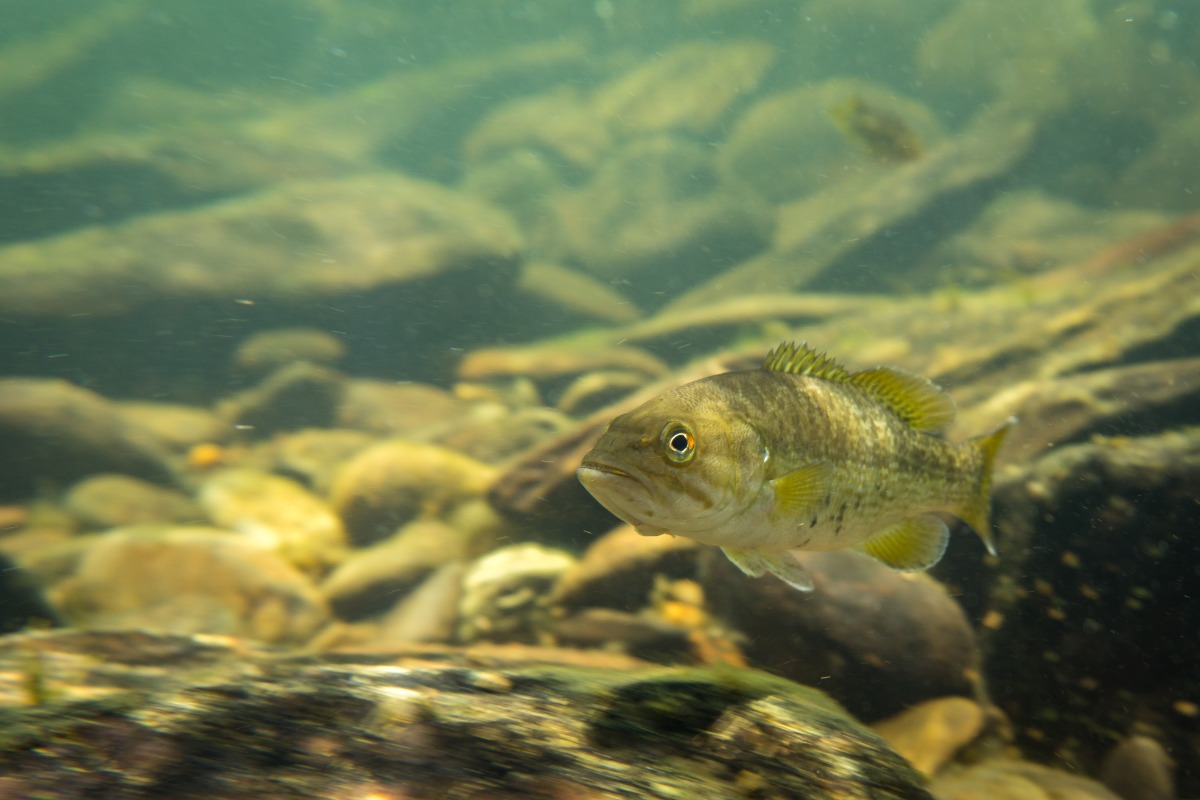
Smallmouth bass
Common Fish:
Largemouth bass, smallmouth bass, bluegill, sunfish, walleye, northern pike, muskellunge (muskie), rainbow trout, brown trout, brook trout, channel catfish, flathead catfish, crappie, yellow perch, shad
Selected Endangered/Threatened Species:
Allegheny woodrat, piping plover, little brown bat, northern flying squirrel, least shrew, American eel, American ginseng, swamp pink, pink lady’s slipper
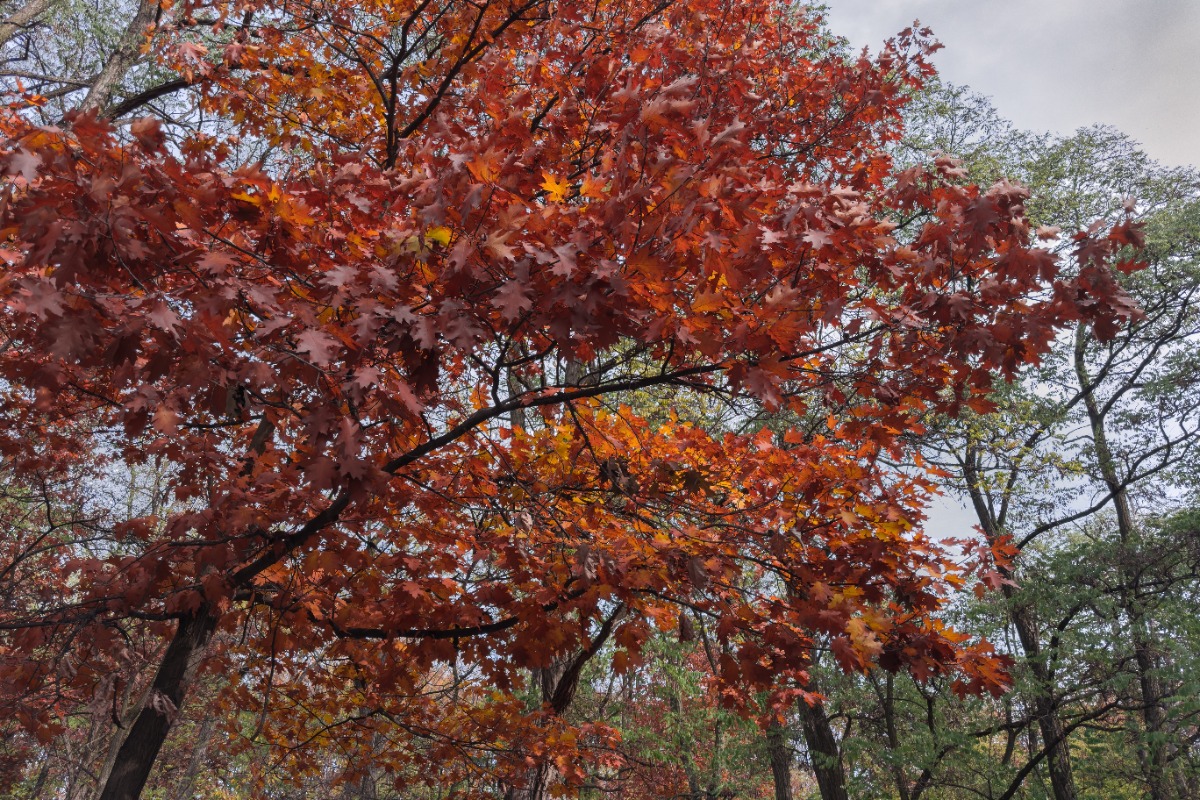
Northern red oak
Common Trees:
Northern red oak, chestnut oak, shagbark hickory, red maple, tulip poplar, sugar maple, black cherry, aspen, birch, hemlock, ash
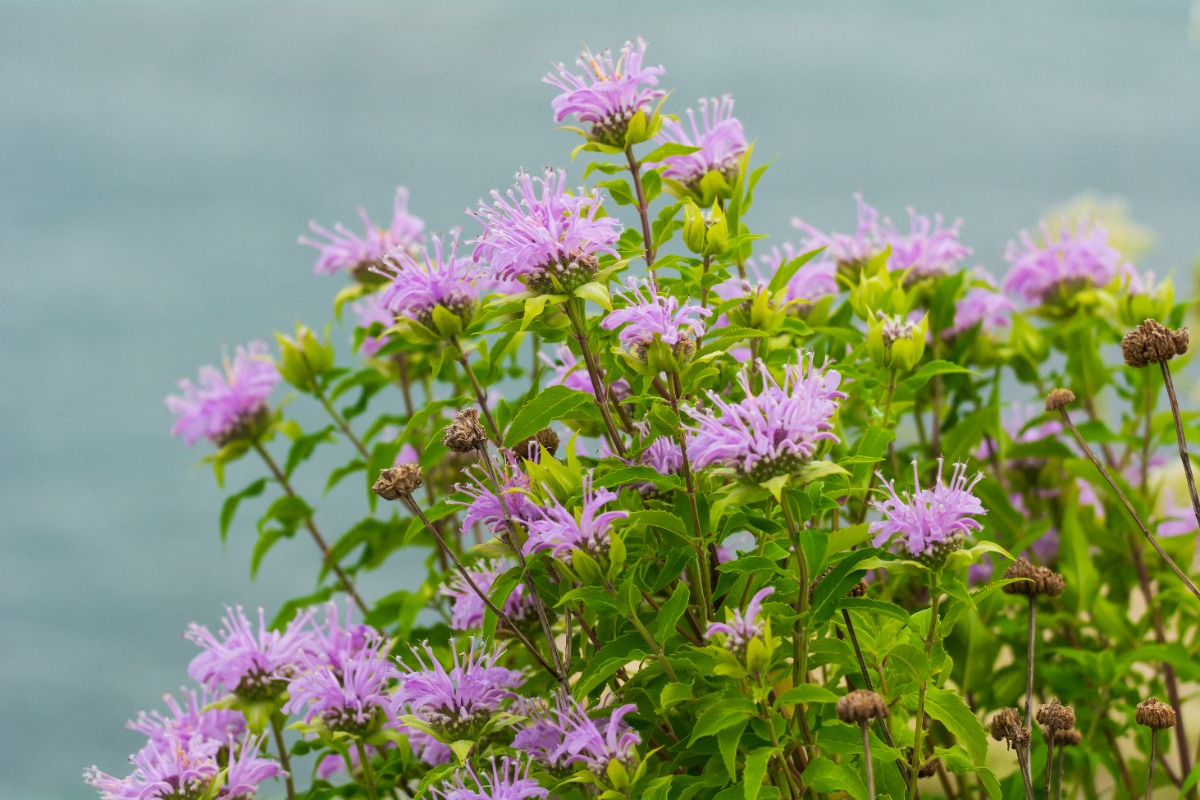
Wild bergamot
Common Plants and Flowers:
Mountain laurel, wild bergamot, black-eyed Susan, cardinal flower, trillium, bloodroot, jack-in-the-pulpit, goldenrod, asters, purple coneflower, columbine, bee balm, bluebells, Solomon’s seal, Virginia bluebell
Selected Invasive Species:
Japanese knotweed, multiflora rose, garlic mustard, purple loosestrife, Norway maple, tree-of-heaven, autumn olive, emerald ash borer, zebra mussel, Asian carp, gypsy moth, feral hog, house sparrow, European starling, rusty crayfish
?
DID YOU KNOW?
Elk were extinct in Pennsylvania by the late 1800s, but they were reintroduced starting in 1913. Today, the state has one of the largest free-ranging elk herds in the eastern U.S.
The emerald ash borer is a beetle that kills infested ash trees in just 3 to 5 years. This invasive insect has killed more than 37 million ash trees across Pennsylvania.
PENNSYLVANIA HISTORY FACTS
First Inhabitants:
The earliest people arrived in the area after the last Ice Age, between 16,500 and 10,000 years ago. They hunted mammoths, used stone tools, and lived in small family groups that moved with the seasons.
Woodland Culture:
As the land warmed, the indigenous people learned to cultivate crops. They moved among different encampments for fishing, hunting, and farming, making pottery and building burial mounds in some areas.
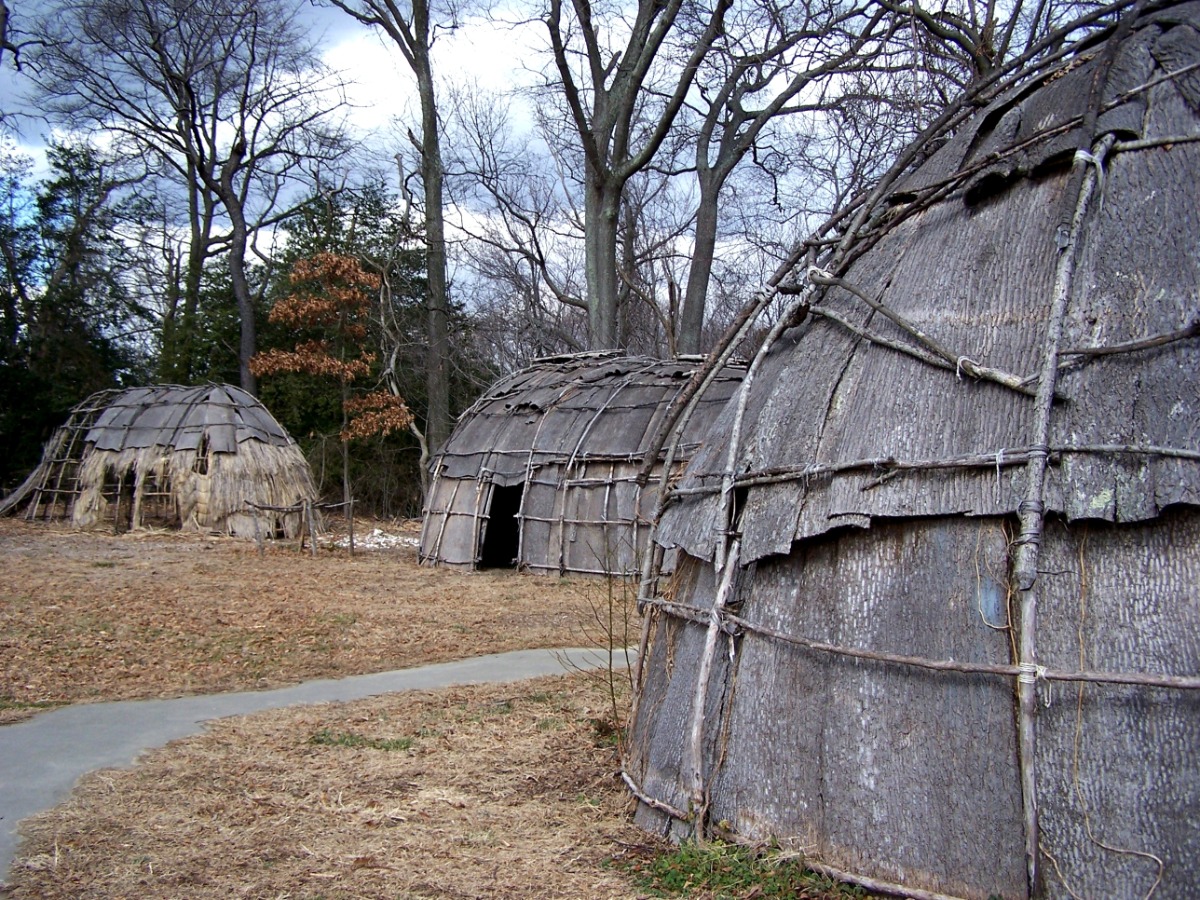
Bark-covered wigwams were home to the Lenape, Shawnee, and Susquehannock Nations
Regional Tribes:
Over time, the indigenous people formed into the major cultures that the Europeans encountered in the 16th century. The Lenape lived in the east, throughout the Delaware River valley. The Susquehannock lived mainly along the Susquehanna River watershed, while Shawnee communities lived in parts of western and central Pennsylvania, and the Erie lived along the lakeshore.
?
DID YOU KNOW?
Lenape farmers grew crops known as the Three Sisters. Corn stood tall in the middle, supporting vining bean plants, while squash plants shaded the roots and kept weeds from growing.
European Explorers:
Captain John Smith of England met the Susquehannock in 1608, while English explorer Henry Hudson, sailing for the Dutch, explored the mouth of the Delaware River in 1609. The short-lived colony of New Sweden was taken by the Dutch in 1655, who lost it to the British in 1664.
William Penn:
In 1681, King Charles II gave the land to William Penn, the son of an admiral that the king owed money to. Penn initially named his new colony New Wales, but the king later changed it to Pennsylvania to honor the admiral.
?
DID YOU KNOW?
William Penn was a Quaker and wished his new colony to be a place where this religious group could worship in freedom. He called its first major settlement Philadelphia, meaning “City of Brotherly Love.”
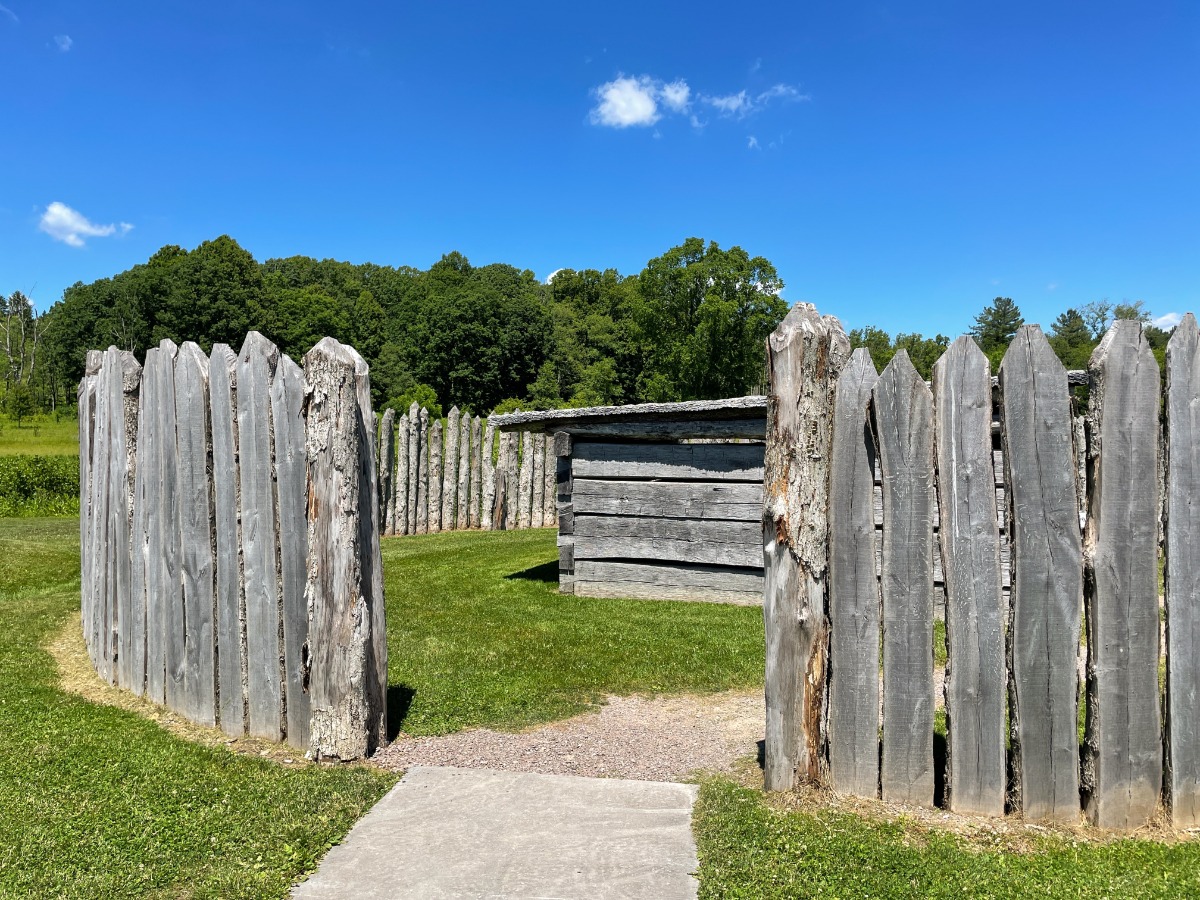
Fort Necessity National Battlefield, the opening battlefield of the French and Indian War
French and Indian War:
This war (1754–1763) was fought in Pennsylvania and other areas between the British and the French over land and rivers. Native American tribes joined different sides, and when the British won, more settlers moved into Pennsylvania, changing life forever for the Native peoples.
Declaration of Independence:
As the 13 colonies grew and flourished, they began to feel they were treated unfairly by England. Colonists eventually banded together and signed the Declaration of Independence in Philadelphia in 1776. In the American Revolution, Pennsylvania was the site of important battles like Germantown and Brandywine, as well as the brutal Valley Forge winter encampment.
Statehood:
After the war ended, delegates from each of the 13 colonies met in Philadelphia to write the new country’s constitution. When Pennsylvania ratified this constitution on December 12, 1787, it became the second official state.
Railroads and Industry:
The introduction of the railroads over the Allegheny Mountains and throughout Pennsylvania meant the state could ship resources like coal and iron ore across the new country. Soon, cities like Pittsburgh were at the forefront of the new steel industry, and the state became an important economic center.
Abolition and the Civil War:
Pennsylvania was the first state to pass the Act for the Gradual Abolition of Slavery (1780) and played an important part on the Underground Railroad. One of the most important battles of the Civil War happened at Gettysburg—the Union Army stopped the Confederacy’s invasion of the North. Historians now recognize this as the turning point of the war.
?
DID YOU KNOW?
Abraham Lincoln delivered the famous Gettysburg Address in Pennsylvania in 1863. The speech lasted only a few moments, but has become one of the most recognized of all time.
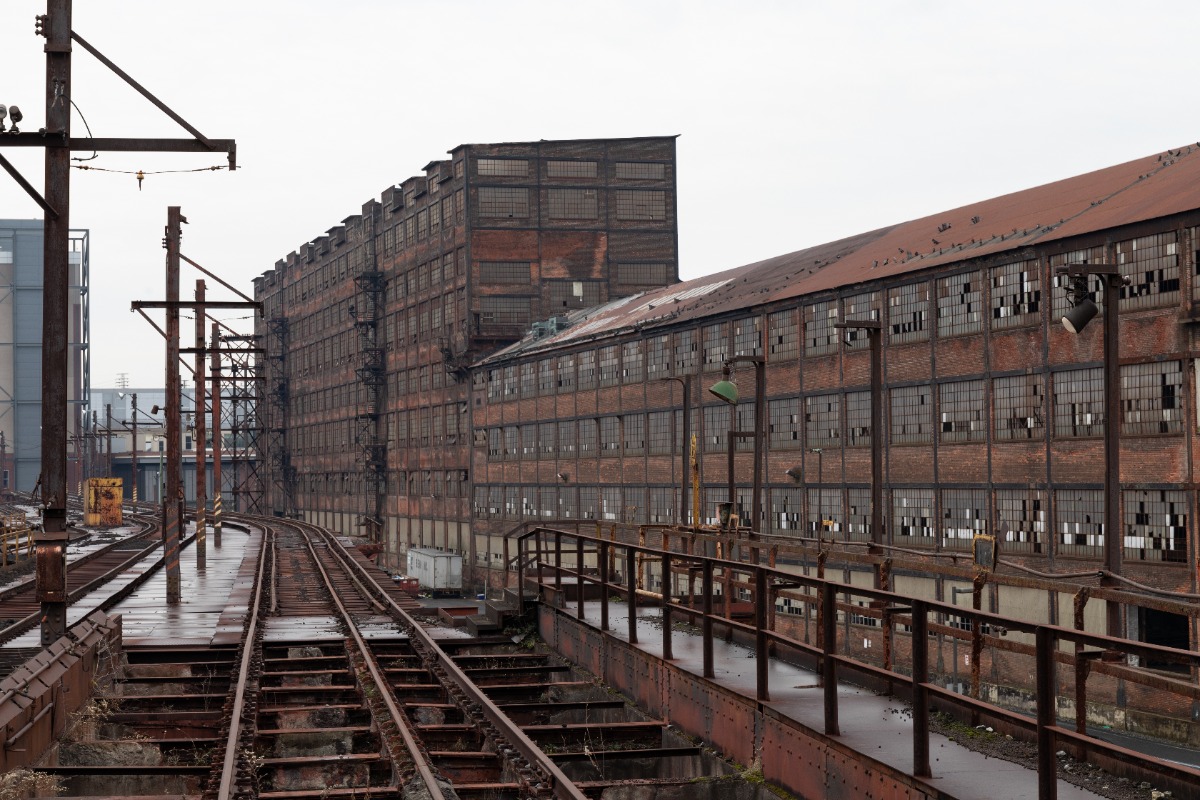
Abandoned warehouses running alongside the Rust Belt
Going in the 20th Century:
After the Civil War, industry in Pennsylvania skyrocketed. The state mined resources like coal, oil, and iron ore, and manufactured steel. Hershey made the state the chocolate capital of the world, while Heinz made ketchup a household necessity. After World War II, though, many steel factories moved overseas, and Pennsylvania became part of the area known as the Rust Belt.
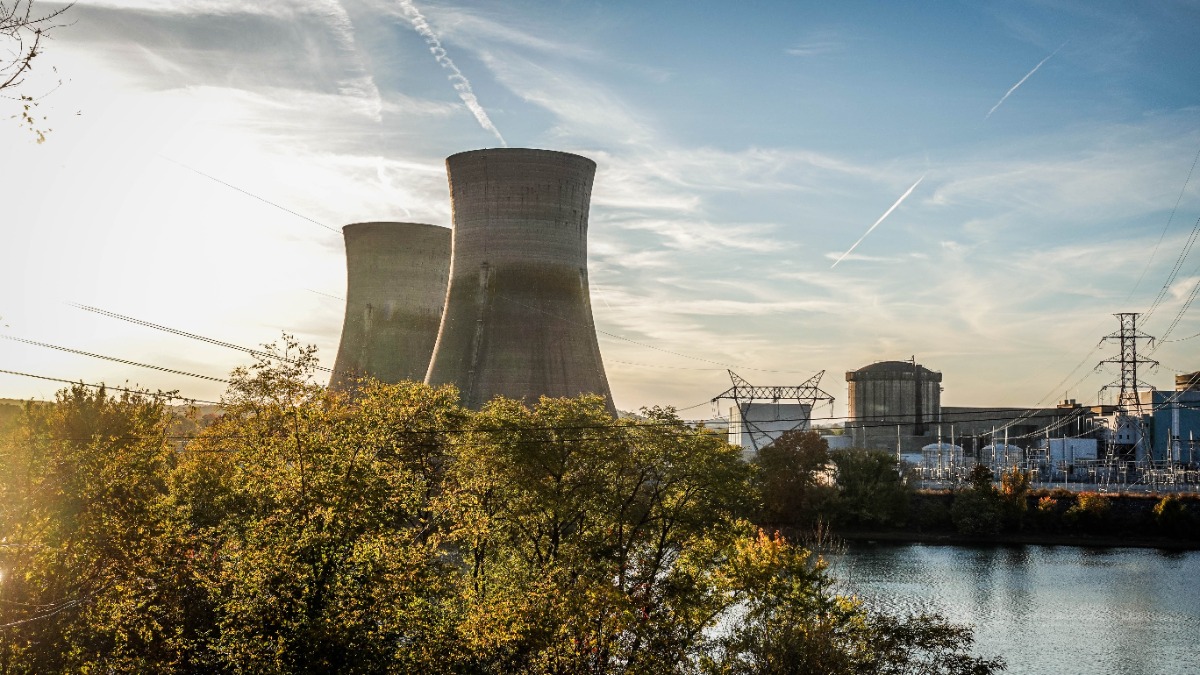
Three Mile Island Power Plant
Three Mile Island:
In 1979, this nuclear power plant near Harrisburg experienced a partial reactor meltdown that caused small radioactive releases. Though authorities were able to prevent a major accident, this incident led to important safety changes in nuclear power in the U.S.
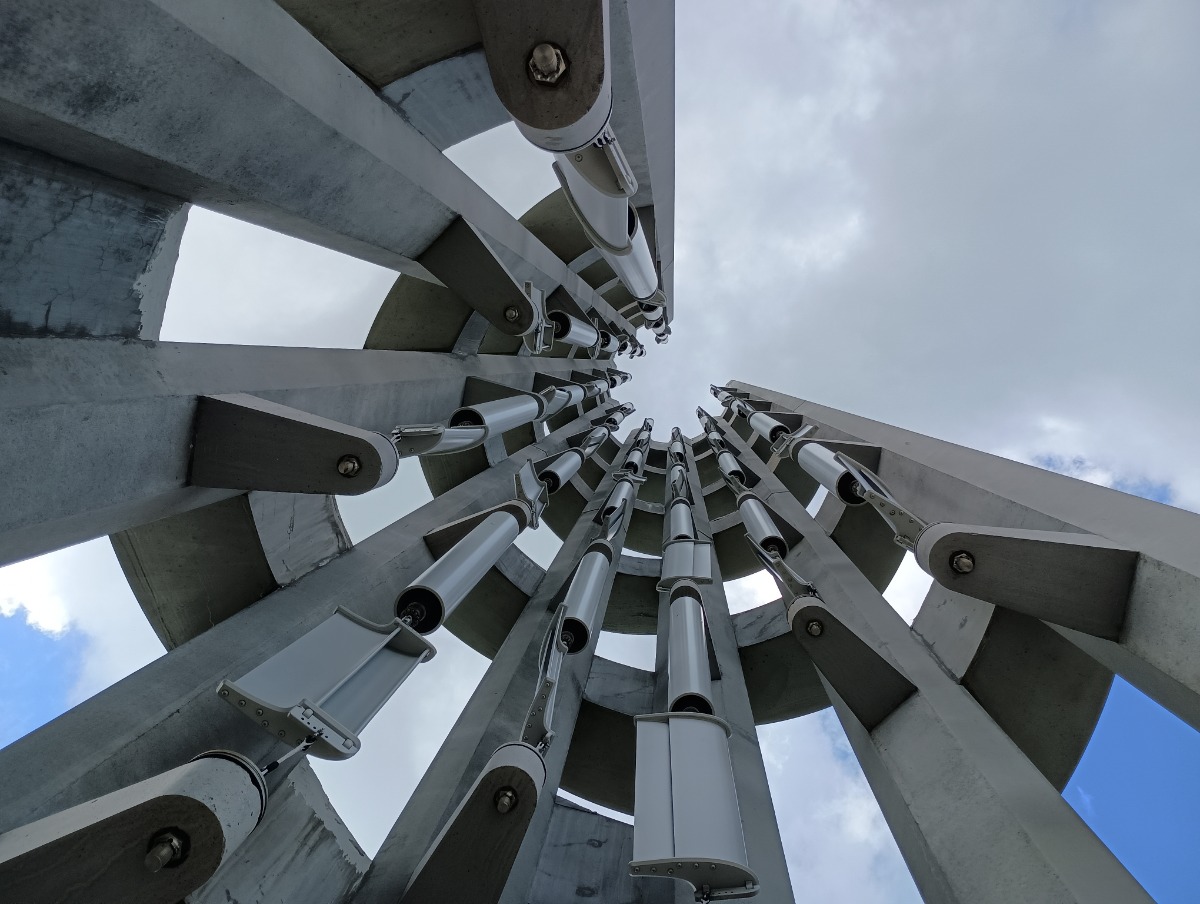
Flight 93 Memorial
Flight 93:
This was one of the planes hijacked during September 11, 2001. Passengers on the plane worked together to stop the hijackers, and the plane crashed in Pennsylvania. Though everyone on board died, they saved many more lives on the ground. Today, you can visit the Flight 93 Memorial southeast of Pittsburgh.


Looking for Fun Learning Activities?
More Activities…
-

Thanksgiving Crafts and Activities
Keep kids entertained with 35+ Thanksgiving games, crafts, and printables—perfect for classrooms, family gatherings, or holiday fun.
-

Pipe Cleaner Christmas Tree Craft
Create festive holiday fun with this easy Pipe Cleaner Christmas Tree craft for kids! Using simple materials like pipe cleaners, a wooden skewer, and beads, children…
-

Letter D Crafts and Activities
Discover fun and easy Letter D crafts for preschoolers using common household items! From making doors that reveal hidden Ds to crafting a playful DIY dog,…
-
Letter C Crafts and Activities
Explore creative ways to teach preschoolers the letter C with fun, simple crafts like making a caterpillar, cotton ball clouds, or carrot stamps. These engaging activities…
-

Vowel Activities for Kids
Engage kids in learning vowel sounds with 18 fun activities and games! From sorting vowel sounds to treasure hunts, these hands-on activities will help children practice…
-
Leaf Prints Craft for Kids
Celebrate fall with this easy Leaf Prints craft for kids! Using natural leaves, paint, and paper, children can create colorful and textured prints that capture the…