
100+ Illinois Facts for Kids (Free Printable List)
Share
There’s so much for kids to learn about the Land of Lincoln! Whether you live in the state or will just be traveling through, print out these fun Illinois facts for easy entertainment and learning.
From Chicago’s towering skyscrapers to the Mississippi River valley, Illinois is full of beautiful places and fascinating stories! Learn Illinois state symbols, explore its geography and wildlife, and discover the state’s history from ancient days to modern times.
Use our free printable fact sheets, maps, and more to share interesting Illinois information with kids in the classroom or at home.

ILLINOIS STATE FACTS
State Nickname:
The Prairie State
Date of Statehood:
December 3, 1818
State Capital:
Springfield
State Slogan:
Land of Lincoln
State Amphibian:
Eastern Tiger Salamander
State Song:
Illinois
State Motto:
State Sovereignty, National Union
State Animal:
White-Tailed Deer
State Snack Food:
Popcorn
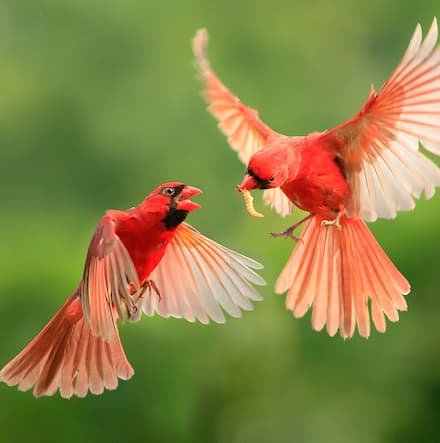
State Bird:
Northern Cardinal

State Flower:
Violet
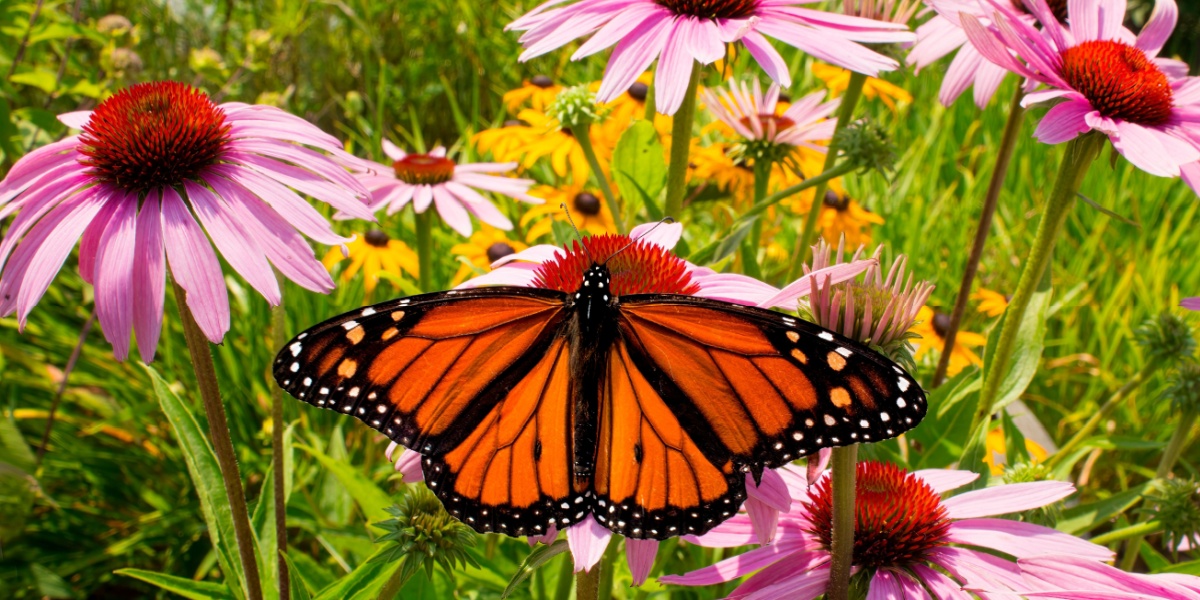
State Insect:
Monarch Butterfly
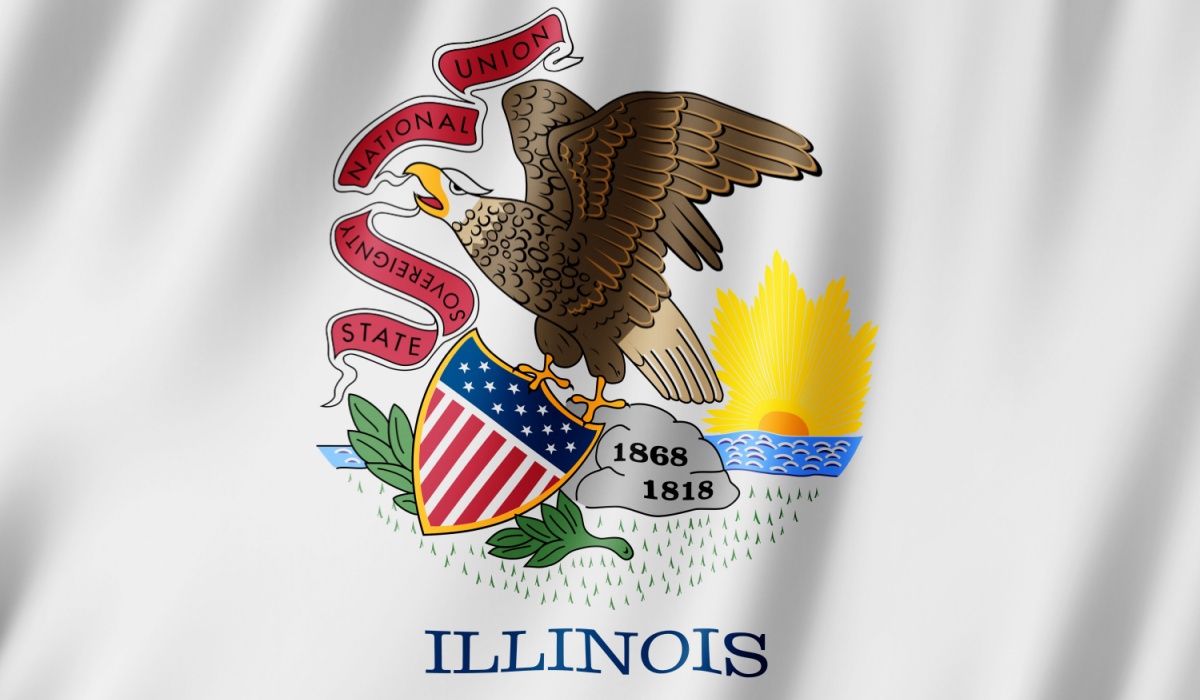
State Flag:
Flag of Illinois
?
DID YOU KNOW?
Chicago is the largest (and most famous) city in Illinois, but it’s not the capital. That honor belongs to Springfield, where Abraham Lincoln lived from 1837 to 1861.
ILLINOIS FUN FACTS
Fun Fact #1:
Illinois is #24 on the list of U.S. states by size, at 55,593 square miles. It’s the 7th most populous state, with 12.5 million residents.
Fun Fact #2:
The first capital of Illinois (until 1819) was Kaskaskia, named for the local indigenous people. In 1881, the town was nearly wiped out by floods when the Mississippi River shifted its course to the east, leaving Kaskaskia separated from the rest of the state!

Fun Fact #3:
Illinois was home to the very first McDonald’s franchise. It opened in 1955 with only nine menu items!
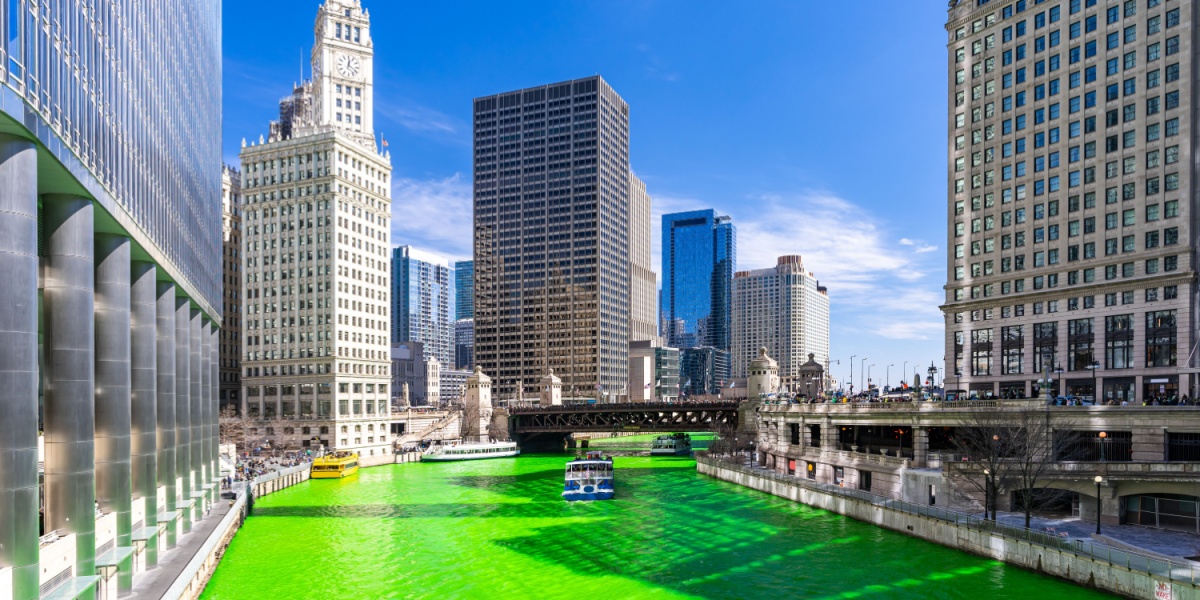
Fun Fact #4:
Every year, the city of Chicago dyes its river bright green to celebrate St. Patrick’s Day.
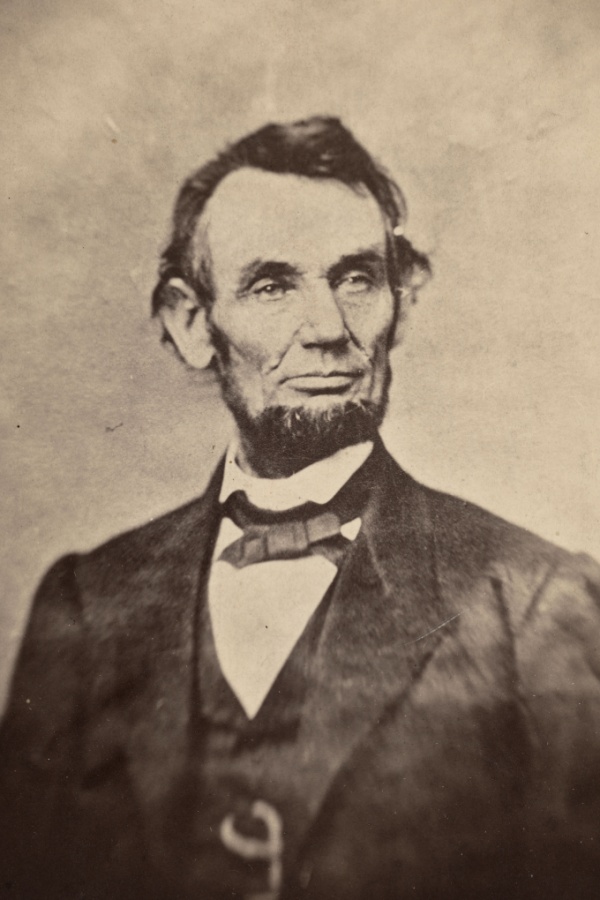
Fun Fact #5:
Four U.S. presidents have roots in Illinois. Ronald Reagan was born here, though he was living in California when he became president. Abraham Lincoln is famous for being from Illinois, though he was actually born in Kentucky. Ulysses S. Grant and Barack Obama were also living in Illinois when they were elected.
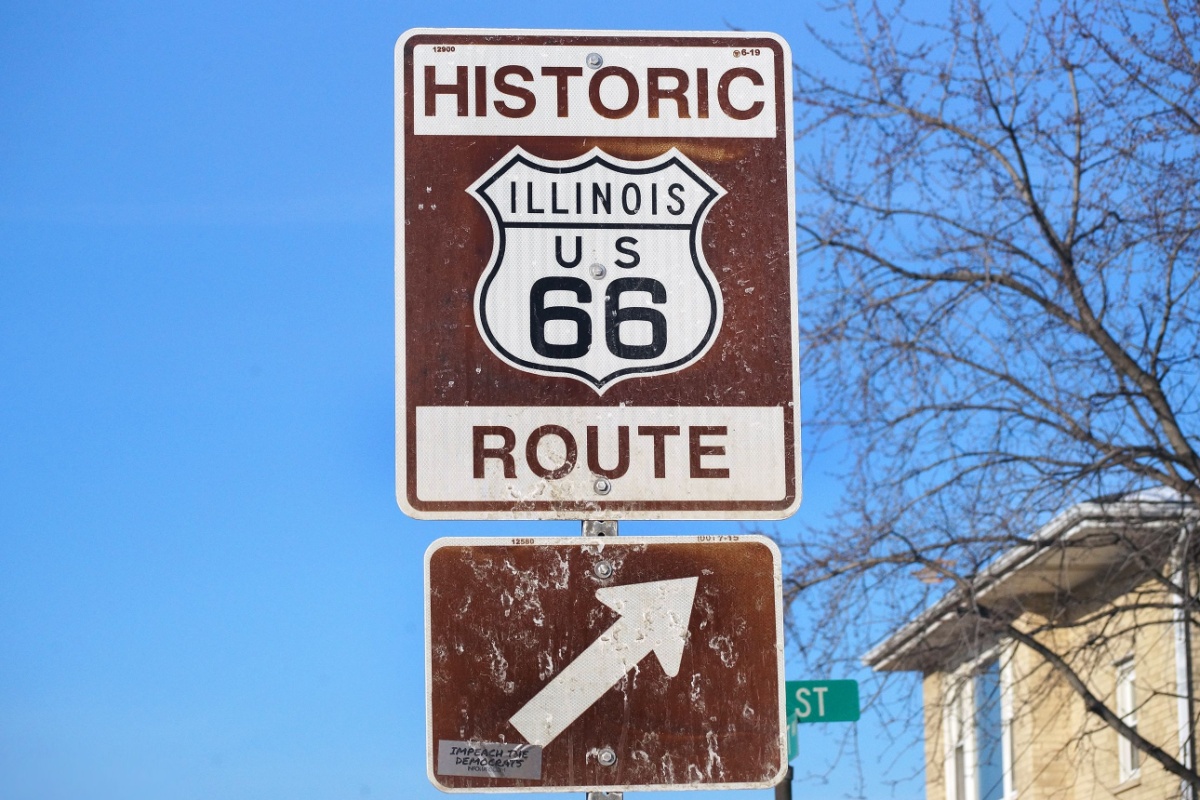
Fun Fact #6:
The scenic American highway Route 66 begins in Chicago, Illinois. As the famous song says, “It winds from Chicago to L.A. / More than two thousand miles all the way.”
Fun Fact #7:
The world’s first skyscraper was completed in Chicago, Illinois in 1885. The Home Insurance Building stood a towering 10 stories tall and 138 feet high.
Fun Fact #8:
You’ll find the world’s largest ketchup bottle in Collinsville, Illinois. The 170 foot tall “bottle” is actually a water tower!

Fun Fact #9:
In 2016, the Chicago Cubs won the World Series, the first time since 1908. The 108 year stretch in between was the longest “drought” in baseball history!
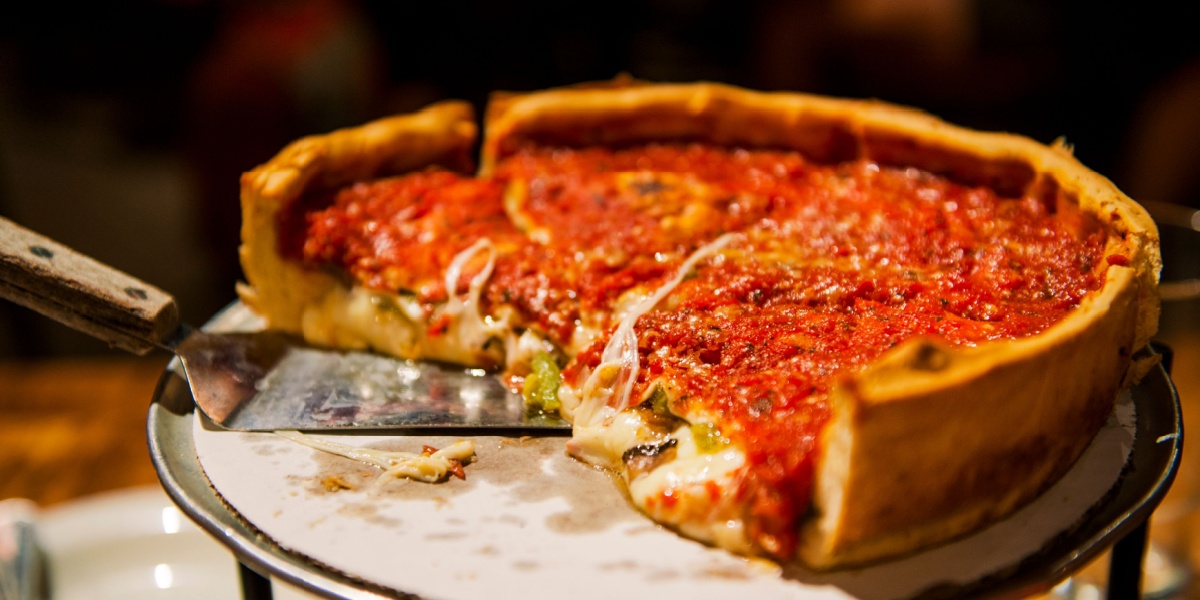
Fun Fact #10:
Chicago’s famous deep dish pizza is really more like a casserole, and is usually eaten with a knife and fork. It includes the traditional ingredients of crust, sauce, cheese, and toppings, but deep dish pizza puts the sauce on top of the cheese.
ILLINOIS GEOGRAPHY FACTS
Regions:
Northern, Central, Southern
Climate:
Humid Continental
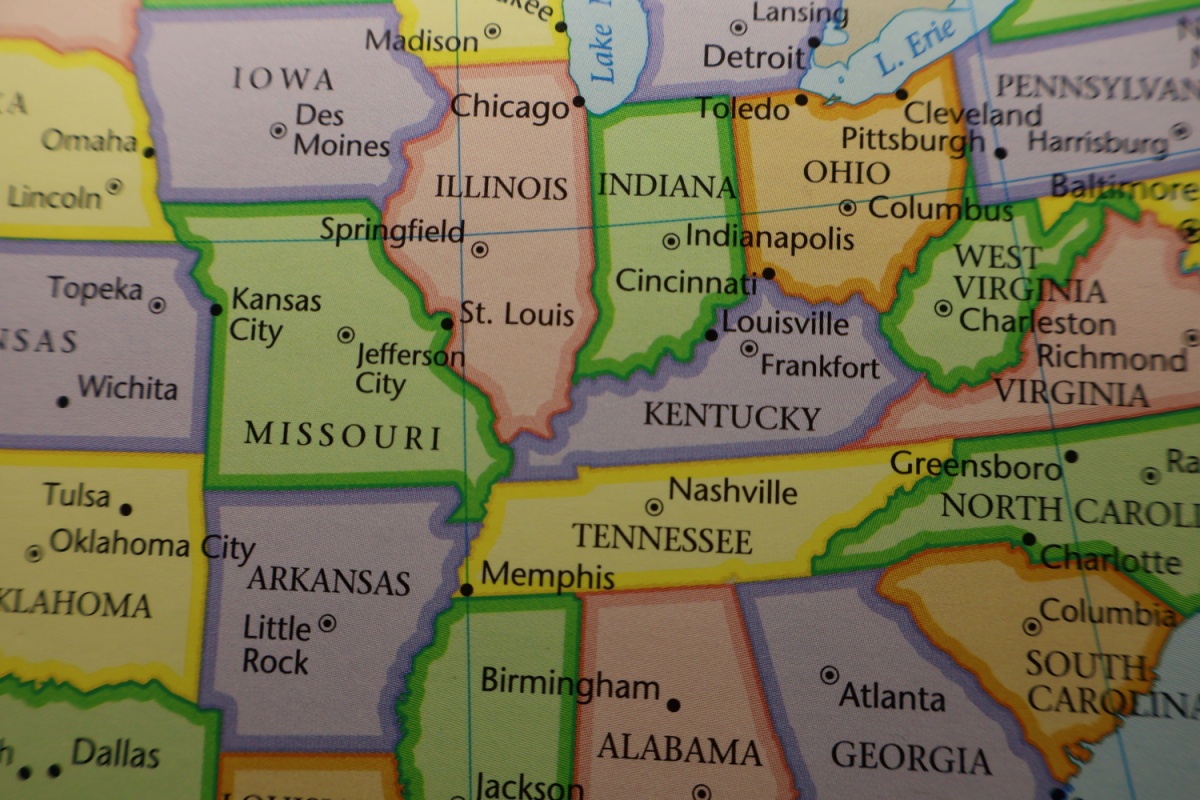
Location:
To the north, Illinois touches Wisconsin. On the east, it’s bordered by Indiana and Lake Michigan, one of the Great Lakes. The south edge is formed by the Ohio River, which separates Illinois from Kentucky. On the west, the Mississippi River creates the border with Missouri and Iowa.
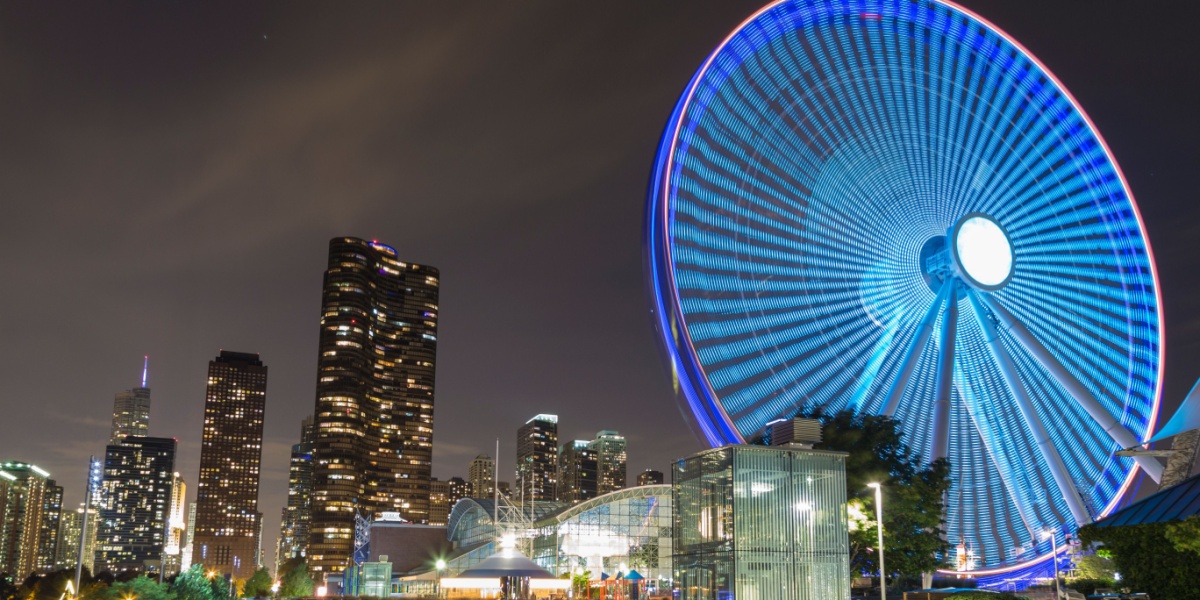
Navy Pier in Chicago
Landmarks:
Willis Tower, Cahokia Mounds, Lincoln’s Home and Lincoln’s Tomb, Chicago Riverwalk and Navy Pier, Field Museum, Shedd Aquarium, and Adler Planetarium
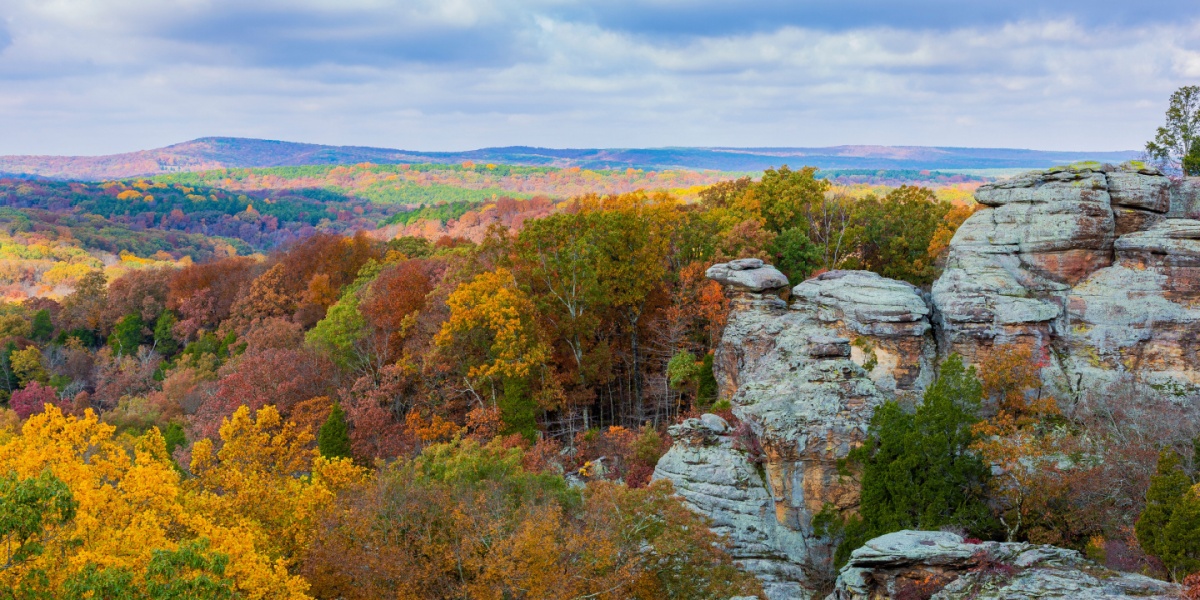
Camel Rock, Shawnee National Forest, Illinois
Shawnee National Forest:
Located in Southern Illinois, this area is hilly and full of forests, cliffs, and caves. It’s famous for its amazing rock formations at Garden of the Gods, where visitors can see huge sandstone towers and beautiful views of the countryside.
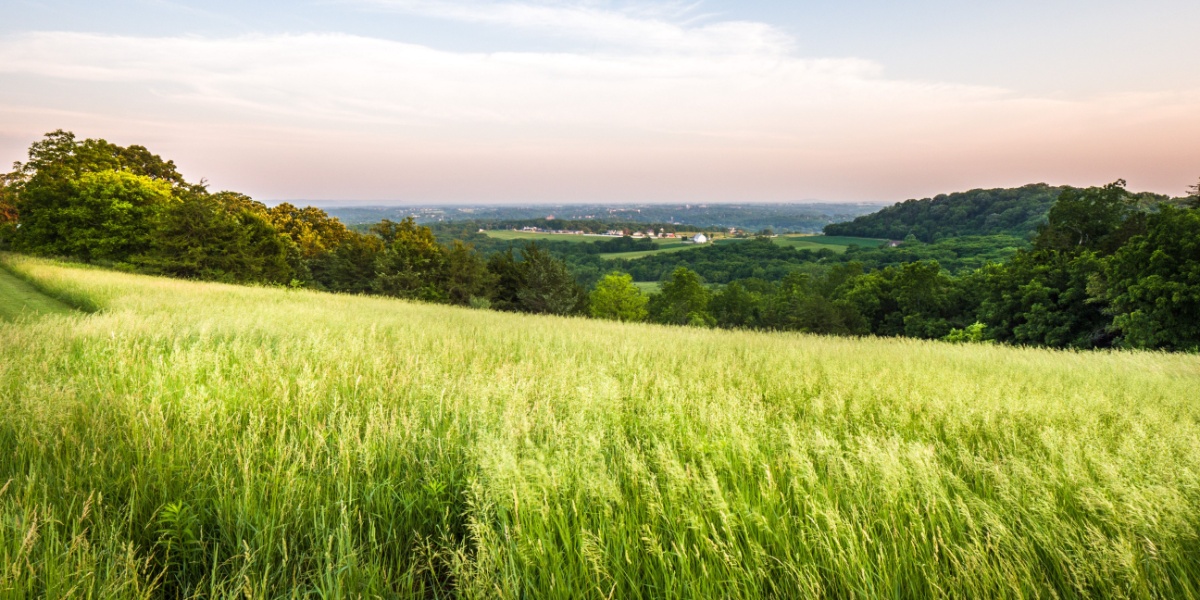
Driftless area of Illinois
Driftless Area:
Though most of Illinois was flattened by glaciers during the Ice Age, a small part of the northwestern area around Galena was not. This area has steep hills, deep narrow valleys, and tall waterfalls not found in the rest of the state.
Corn Belt:
Large parts of Illinois are flat or gently rolling, making excellent farmland for crops like corn. Illinois also grows soybeans, wheat, oats, hay, and more.
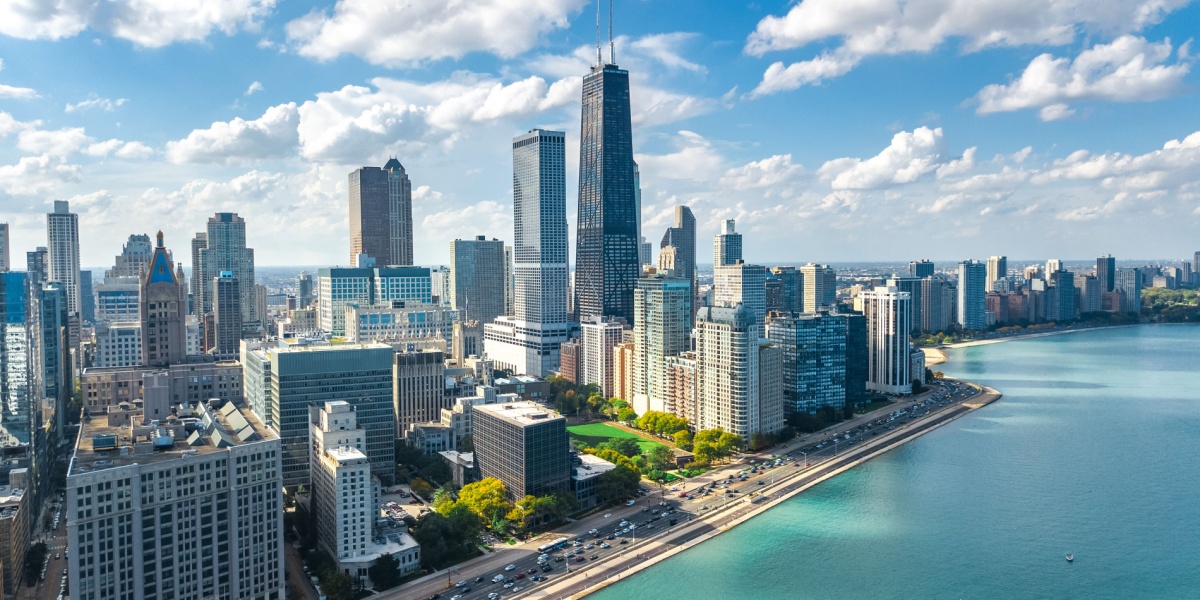
Chicago Skyline
The Windy City:
Chicago is the largest city in Illinois, and the third largest city in the United States (after New York City and Los Angeles). More than 2.7 million people live there!
Great Lakes State:
Illinois has 63 miles of shoreline along Lake Michigan. The city of Chicago sits on this coastline.
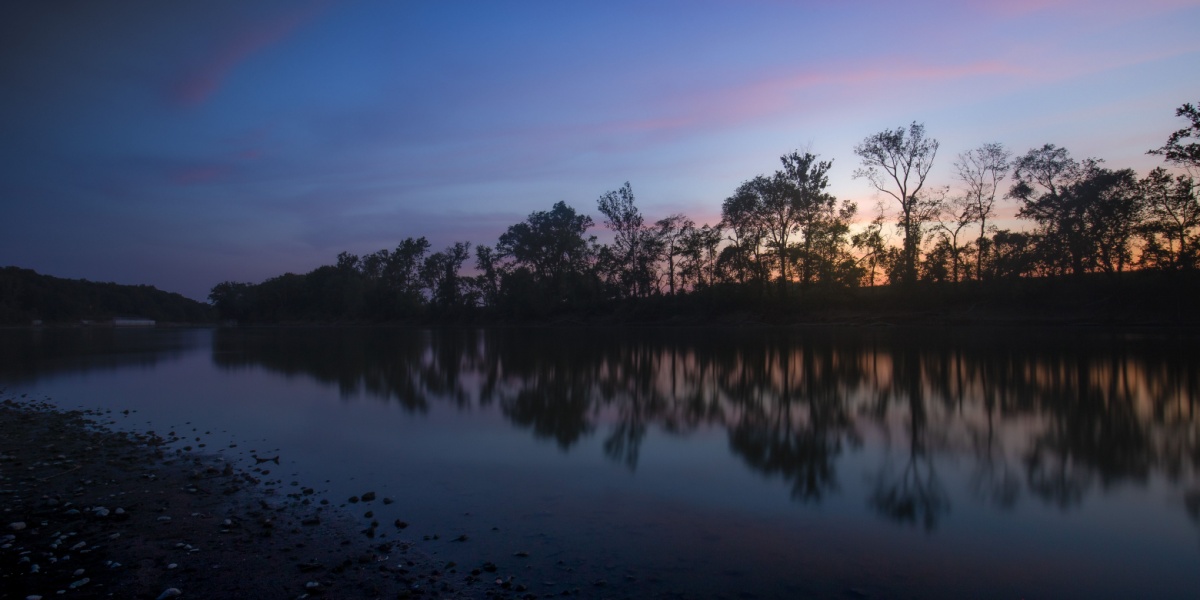
Wabash River in Illinois
Major Rivers:
Mississippi, Ohio, Illinois, Wabash, Little Wabash, and Kaskaskia
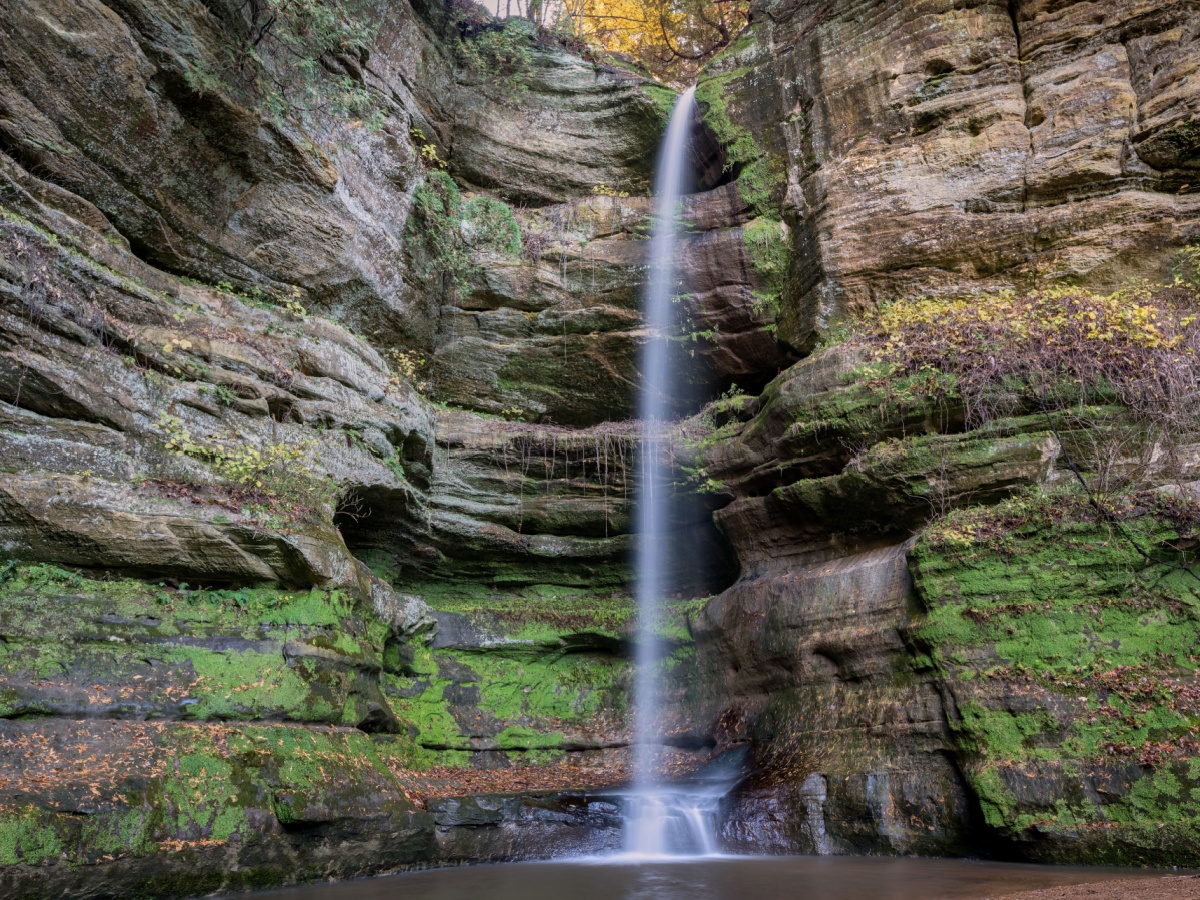
Starved Rock State Park
Selected State Parks:
Starved Rock State Park, Matthiesen State Park, Giant City State Park, Pere Marquette State Park, Illinois Beach State Park
The Cahokia Mounds:
The Cahokia Mounds are the largest pre-Columbian Native American site north of Mexico.
Highest and Lowest Points:
Charles Hill (1235 feet) and the place where the Ohio and Mississippi Rivers meet (280 feet)
?
DID YOU KNOW?
More than three-quarters of Illinois is made up of farmland.The state is consistently ranked among the top two states for the production of soybeans and corn in the U.S., growing almost 15% of the country’s supply.
ILLINOIS WILDLIFE & NATURE FACTS
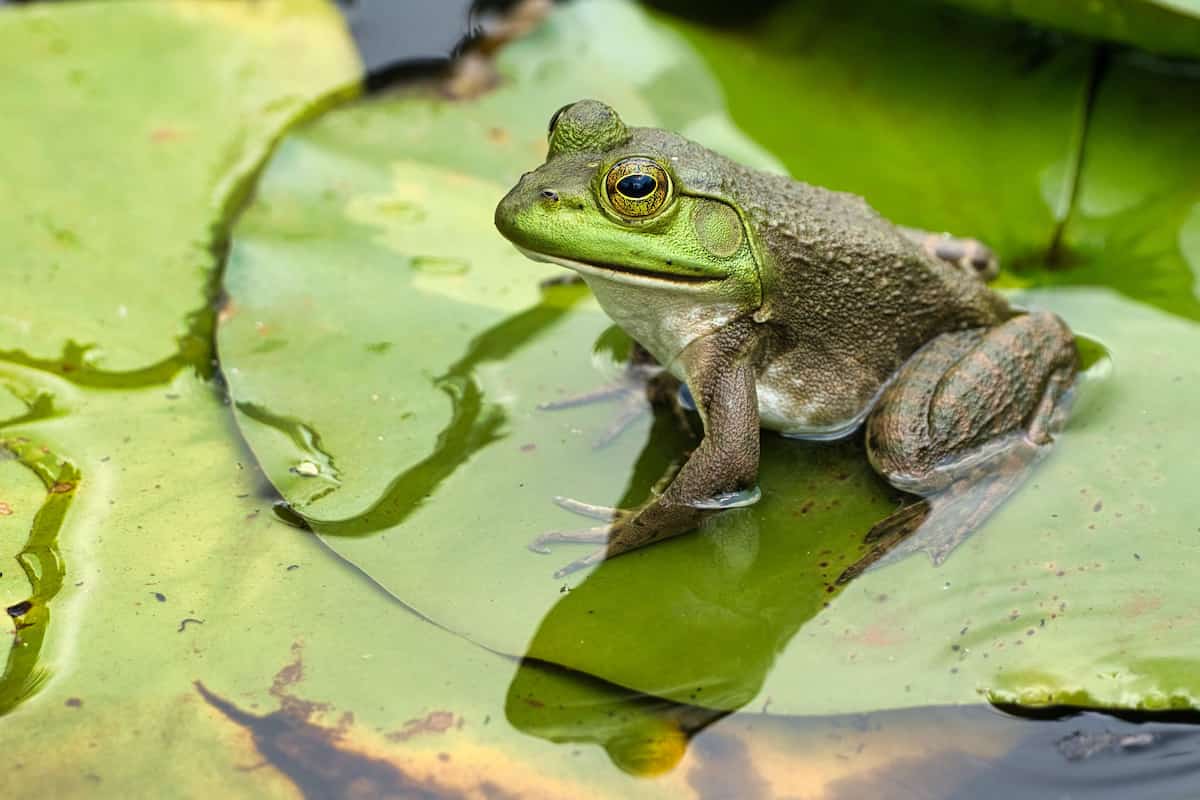
American Bullfrog
Common Reptiles and Amphibians:
American bullfrog, green treefrog, spring peeper, eastern foxsnake, northern water snake, copperhead, North American racer, snapping turtle, eastern box turtle, painted turtle, pond slider, spotted salamander, Eastern tiger salamander, little brown skink
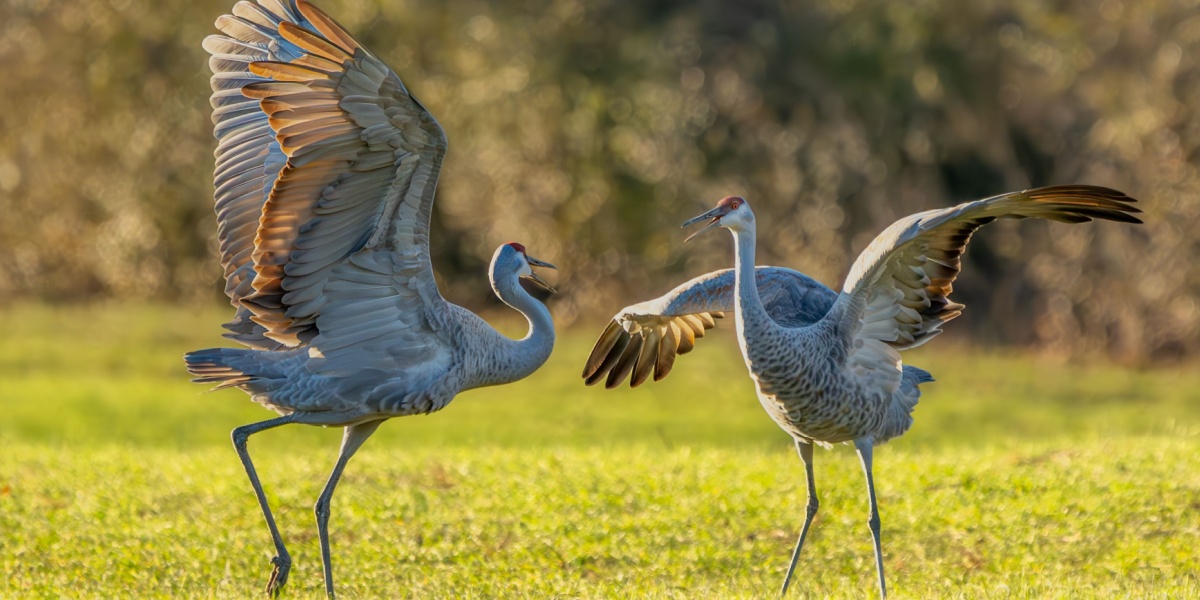
Sandhill Cranes
Common Birds:
American crow, Canada goose, Eastern wild turkey, mallard, sandhill crane, mourning dove, blue jay, black-capped chickadee, house sparrow, red-tailed hawk, tufted titmouse, red-bellied woodpecker, American goldfinch, ruby-throated hummingbird
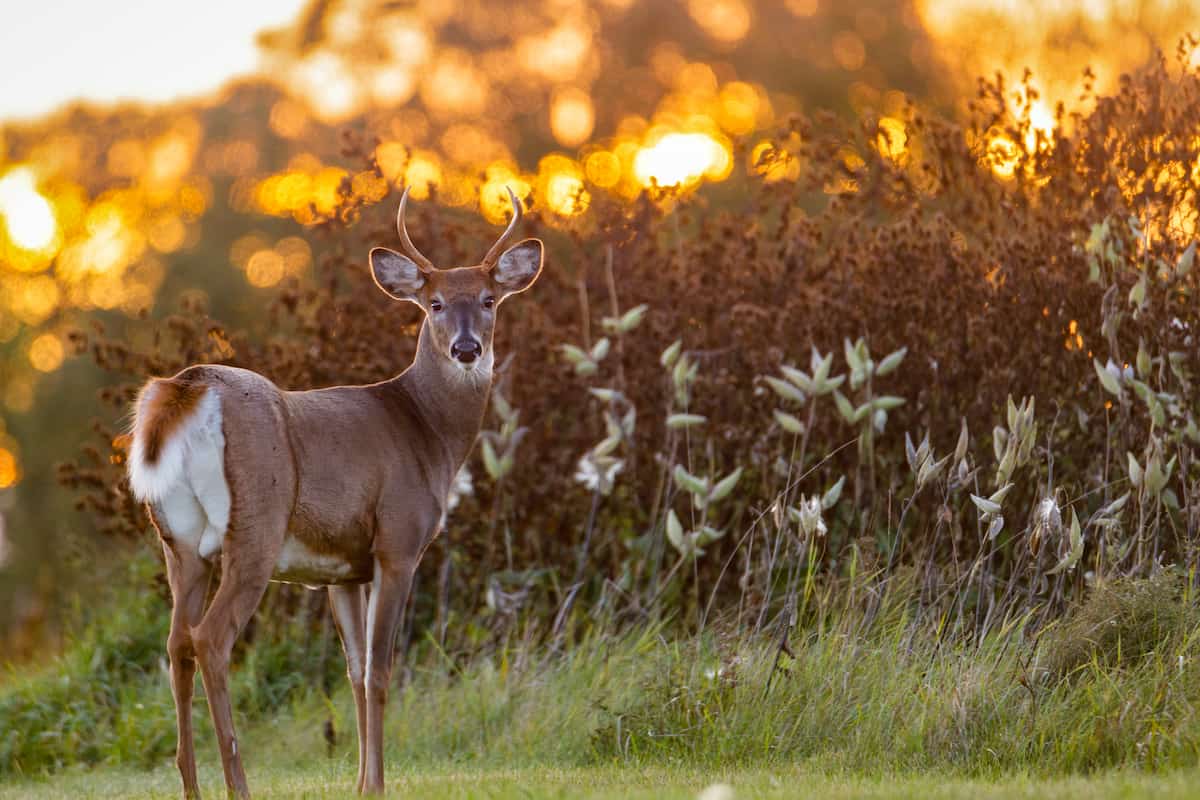
White-tailed Deer
Common Mammals:
Bobcat, coyote, eastern cottontail rabbit, raccoon, striped skunk, tree squirrel, Virginia opossum, chipmunk, woodchuck, muskrat, white-tailed deer
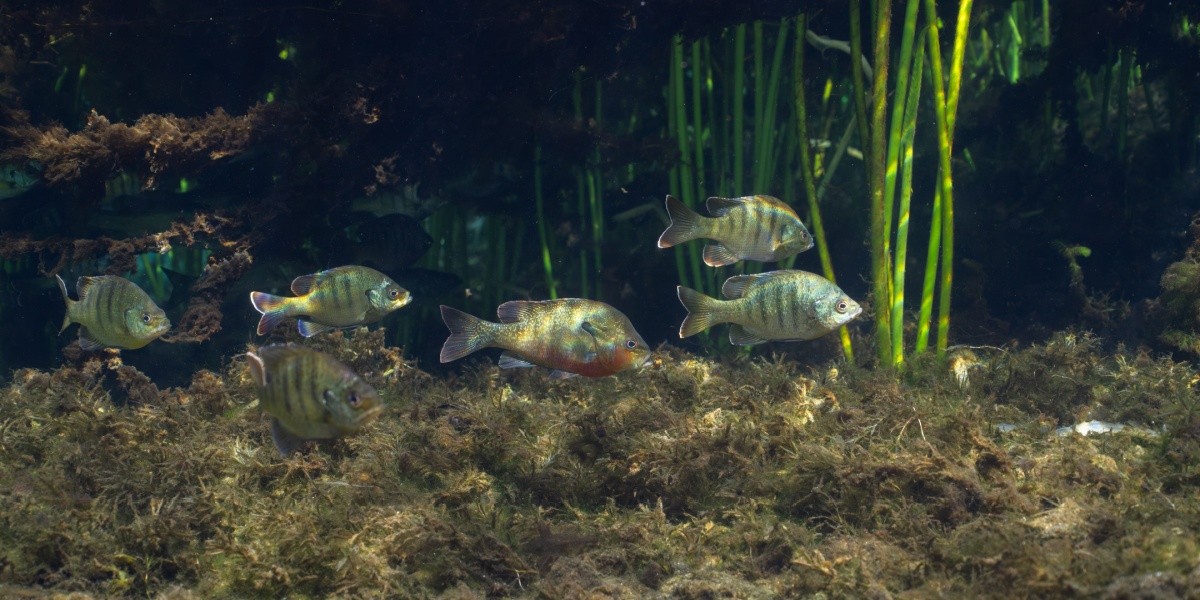
School of bluegill and sunfish
Common Fish:
Bluegill, largemouth bass, smallmouth bass, crappie, sunfish, walleye, yellow perch, common carp, channel catfish, Northern pike
Selected Endangered Species:
Lake sturgeon, silvery salamander, hellbender, spotted turtle, short-eared owl, piping plover, Karner blue butterfly, primrose violet
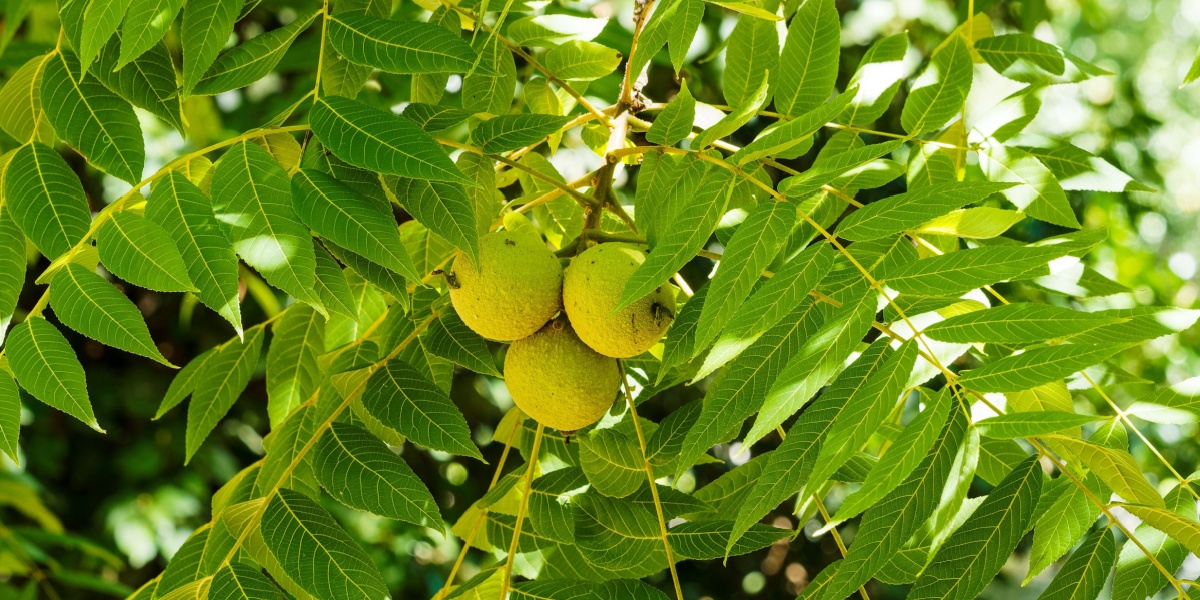
Black Walnut Tree
Common Trees:
Black oak, black walnut, eastern cottonwood, flowering dogwood, persimmon, redbud, red cedar, sassafras, shagbark hickory, sycamore, tulip poplar

Black-eyed Susan
Common Plants and Flowers:
Black-eyed susan, butterflyweed, cardinal flower, common milkweed, tall ironweed, goldenrod, purple coneflower, wild bergamot
Selected Invasive Species:
Tree of heaven, Callery pear, crownvetch, zebra mussel, Asian carp, Eurasian collared dove, wild boar, emerald ash borer, spongy moth (formerly called gypsy moth)
?
DID YOU KNOW?
Coyotes are highly adaptable and live throughout the Chicago area, including parks and suburban neighborhoods.
The American bison once thrived on the prairies of Illinois, but they were wiped out by the late 1800s. Today, they’ve been reintroduced to places like Midewin National Tallgrass Prairie.
ILLINOIS HISTORY FACTS
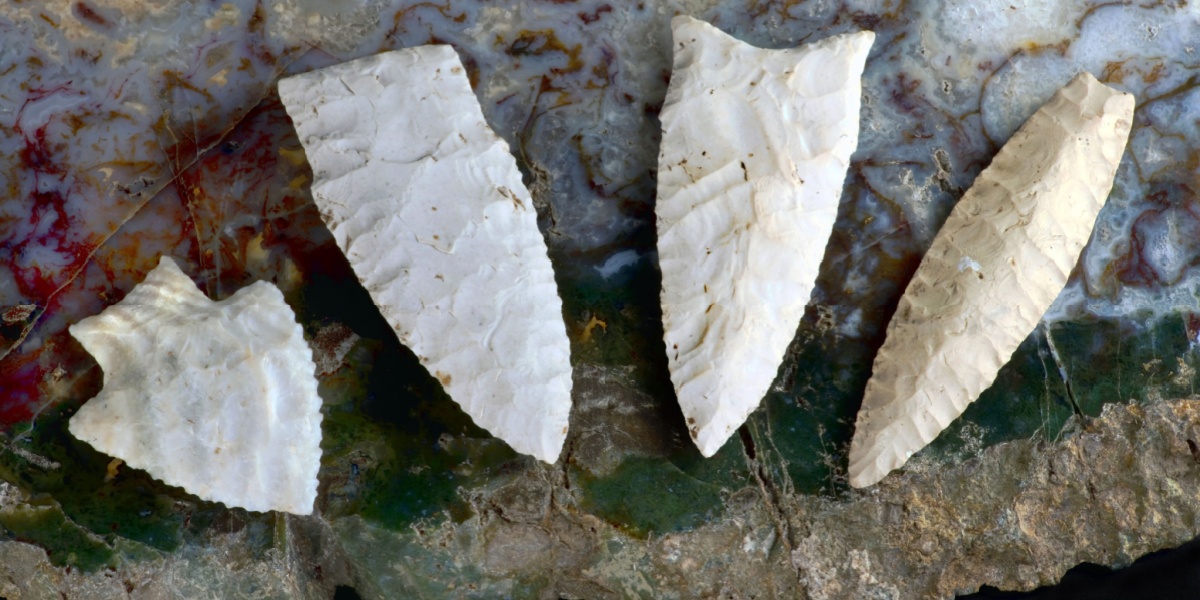
First Inhabitants:
People arrived in what is now Illinois around 12,000 to 13,000 years ago, at the end of the last ice age. Archeologists have found spearheads known as “Clovis points” in the area, used by ancient people who hunted large animals like mastodon and caribou.
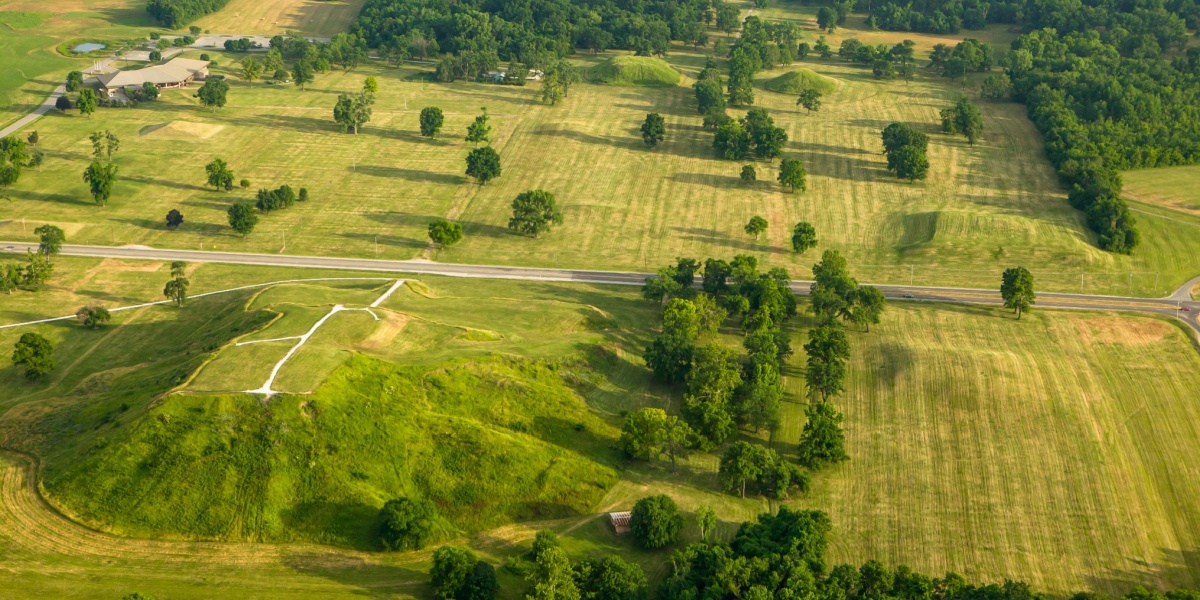
Aerial View of Cahokia Mounds State Historic Site
Cahokia:
When this Native American society was at its peak around the 1100s, this huge settlement covered more than 4,000 acres and was home to almost 20,000 indigenous people. The people were mound builders as well as farmers and traders, with a vibrant culture and community.
?
DID YOU KNOW?
The people of Cahokia built more than 100 earthen mounds. Monk’s Mound is the largest—it’s taller than a ten-story building!
Illinois Confederation:
Also known as the Illiniwek or Illini, the Illinois Confederation was a group of 12 to 13 related Native American tribes who lived in the area from at least the 1500s. The main tribes were the Cahokia, Kaskaskia, Michigamea, Peoria, and Tamaroa.
Jacques Marquette and Louis Joliet:
These French explorers were the first Europeans to travel through what is now Illinois in 1673. They explored the Mississippi River by canoe, befriended Native American tribes, and claimed the land in the name of France.
Frontier Settlement:
Following in Joliet’s footsteps, fur traders quickly moved into the Illinois area to trap and sell animals like beavers. By the late 1700s, European settlers began to move into the area, sometimes pushing out the Native tribes who had lived here for centuries.
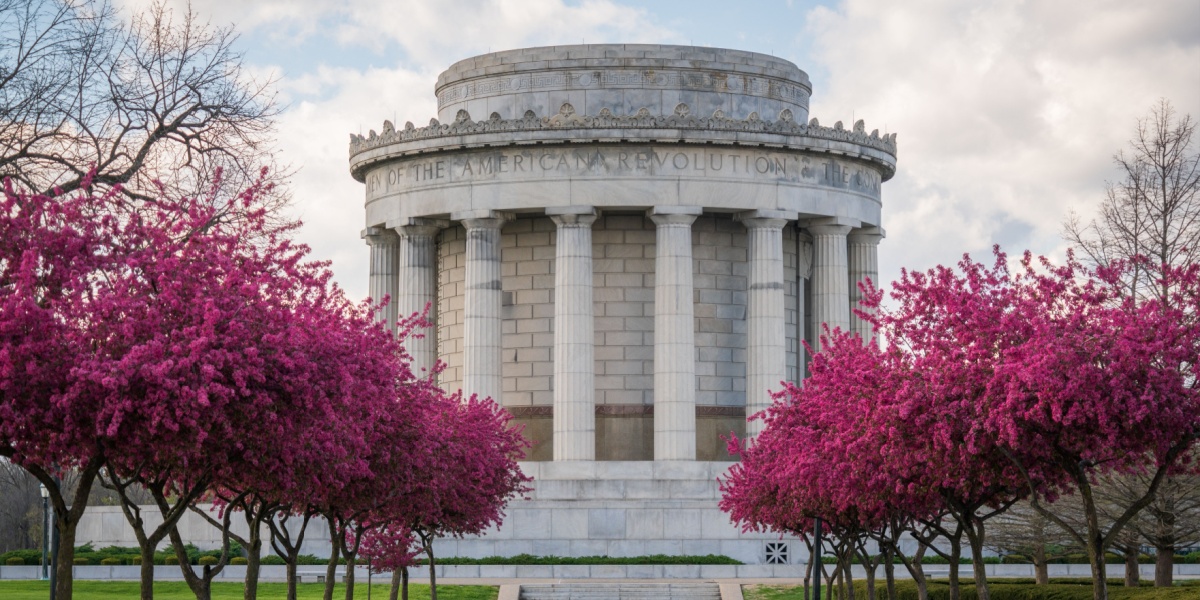
The George Rogers Clark National Historical Park
George Rogers Clark:
This American Revolutionary War hero helped the new United States take over the Northwest Territory, which included Illinois. In 1778, he led the troops that captured British forts in Kaskaskia and Vincennes, and convinced many Native people to side with the Americans over the British.
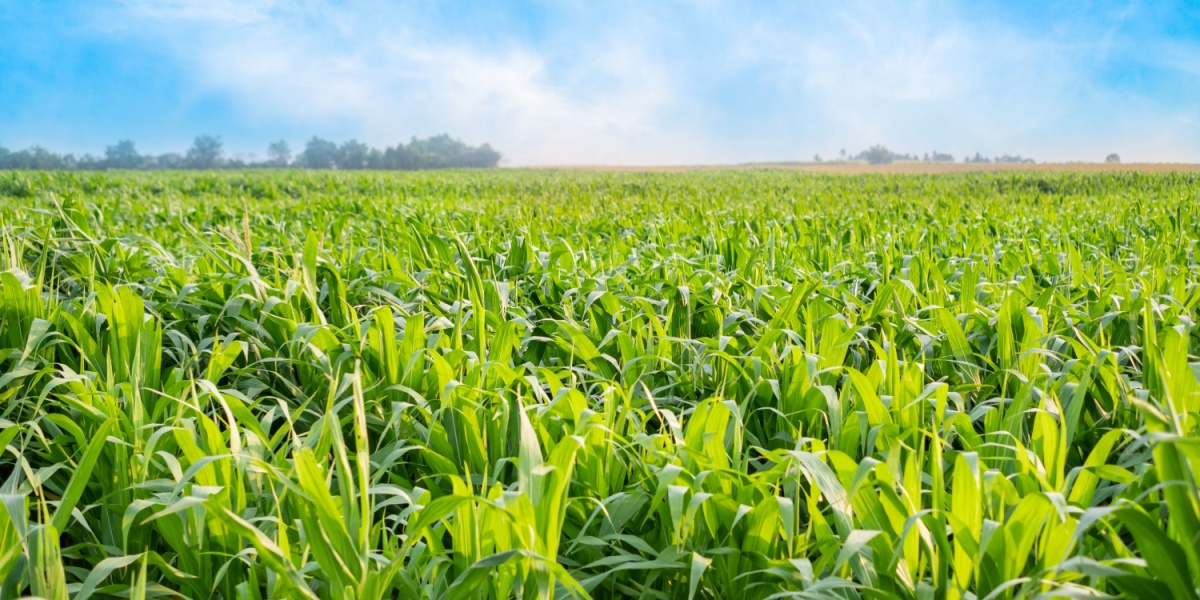
Corn field
Statehood:
Though only about 35,000 people lived in the territory at the time (mainly in the south), Illinois was granted statehood on December 3, 1818. Soon after, farmers learned how to break through the tough prairie sod to the fertile soil beneath, and before long, thousands of acres were planted with crops like corn.
Saukenuk and Black Hawk:
As new settlers flooded in, they forced most of the Native American tribes out, including those who had lived in the large Saukenuk village for nearly 100 years. In 1832, a Sauk leader named Black Hawk led 1000 of his people back to Saukenuk to live and farm. There they fought the Illinois militia and U.S. Army, eventually losing and being forced to move west.
Chicago Town:
In the late 1700s, a trading post was established where the Chicago River meets Lake Michigan, and in 1803 the U.S. built Fort Dearborn there. By 1833, the area had grown into a large settlement known as Chicago Town, which was incorporated as a city in 1837.
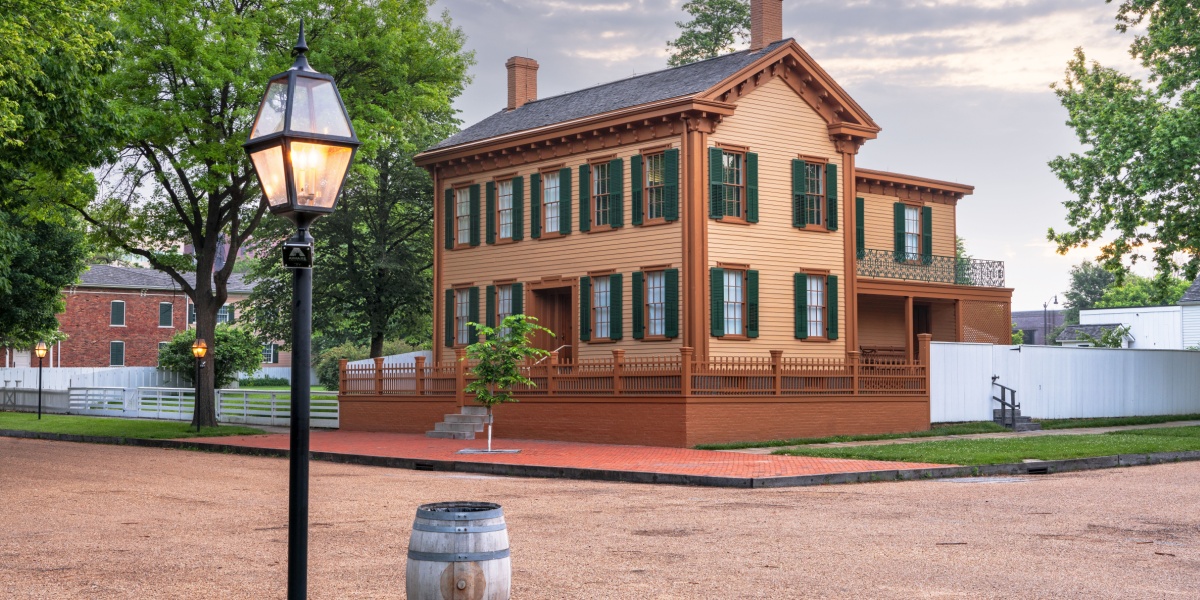
The Lincoln Home National Historic Site
Land of Lincoln:
Abraham Lincoln moved to Illinois when he was very young, and worked as a farmer, rail-splitter, and store clerk. Eventually, he became a lawyer, then served in the Illinois state government and the U.S. House of Representatives. In 1860, while living in Springfield, Illinois, he was elected President of the United States. There are many historic sites in Illinois celebrating President Lincoln’s life.
Great Chicago Fire:
On October 8, 1871 a fire started on Chicago’s southwest side, likely started in or near the O’Leary property, but the exact cause is unknown.The blaze spread quickly, burning an area 4 miles long and 1 mile wide before it was finally put out by rain the next day. Though a huge part of the city was destroyed, the railroad tracks survived, and the “Great Rebuilding” began almost immediately
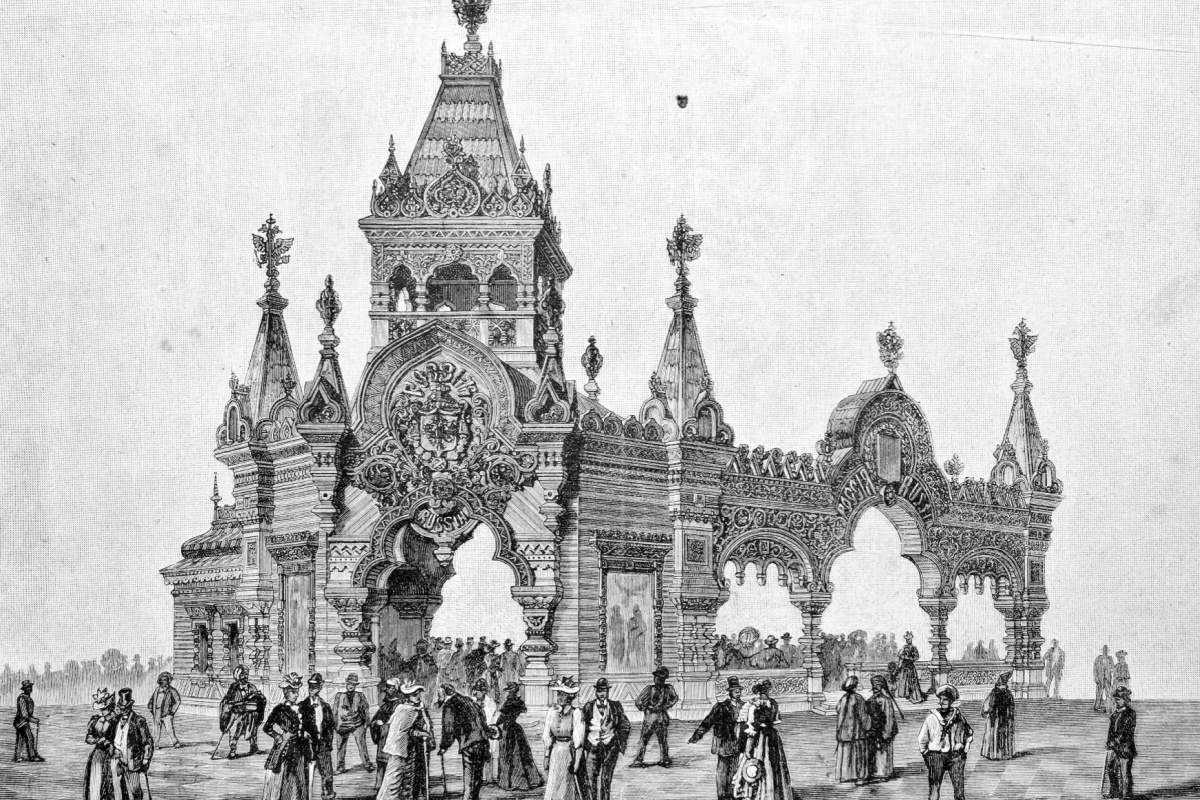
World’s Fair Columbian exhibition in Chicago
World’s Fair:
In 1893, Chicago hosted the Columbian Exposition to celebrate the 400th anniversary of Columbus’s voyage to the New World. Visitors saw such “futuristic” sights as Thomas Edison’s Kinetoscope (the first moving pictures), and the grounds were lit by electric lightbulbs that astounded fairgoers!
Hull House:
In 1889, Jane Addams and Ellen Gates Starr opened Hull House in Chicago to help support newly-arrived immigrants. People of all ages could take classes, join clubs, get food and healthcare, and find friends in their new community.

Trumpet player in jazz band
Great Migration:
Between 1916 and 1970, millions of Black Americans left the southern states to escape unfair laws and treatment. Many came to Chicago, bringing their music (like jazz and blues), food, and traditions. This helped to shape Chicago’s culture as it grew into one of the biggest cities in the U.S.
?
DID YOU KNOW?
The 1893 Columbian Exposition featured the world’s first Ferris wheel, with a 250-foot diameter wheel. Visitors could ride it for 50 cents each.
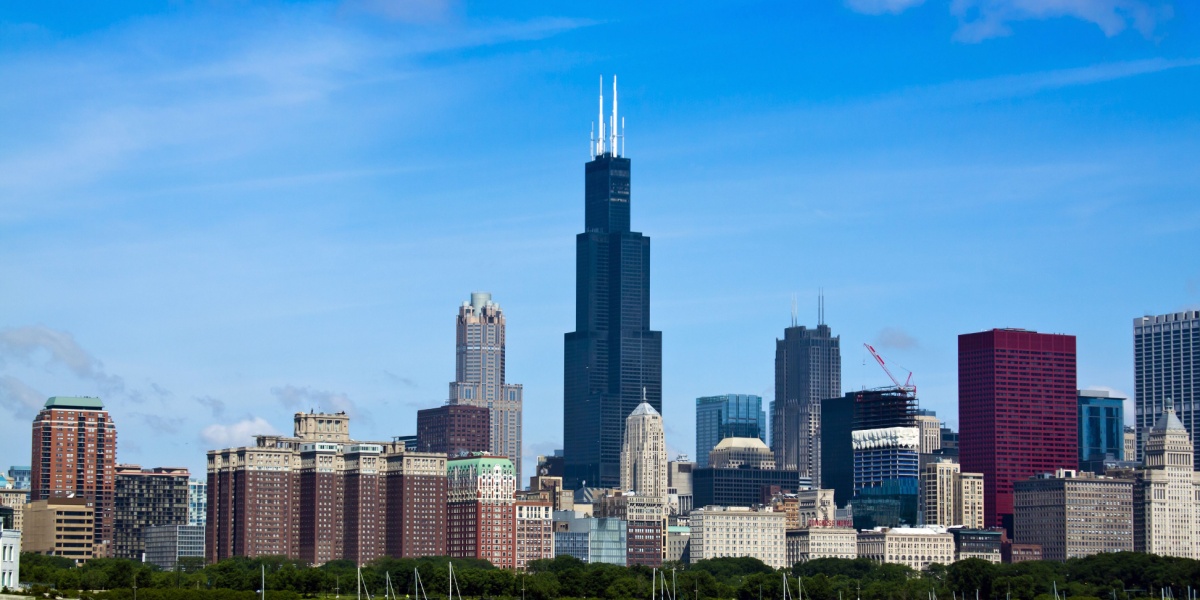
Sears (Willis) Tower in Chicago
Sears Tower:
When it opened in 1973, the Sears Tower was the tallest skyscraper in the world at 1,451 feet, a title it held until 1996. Today it’s known as Willis Tower, and visitors can admire the view from the top of the tallest observation deck in the U.S.!
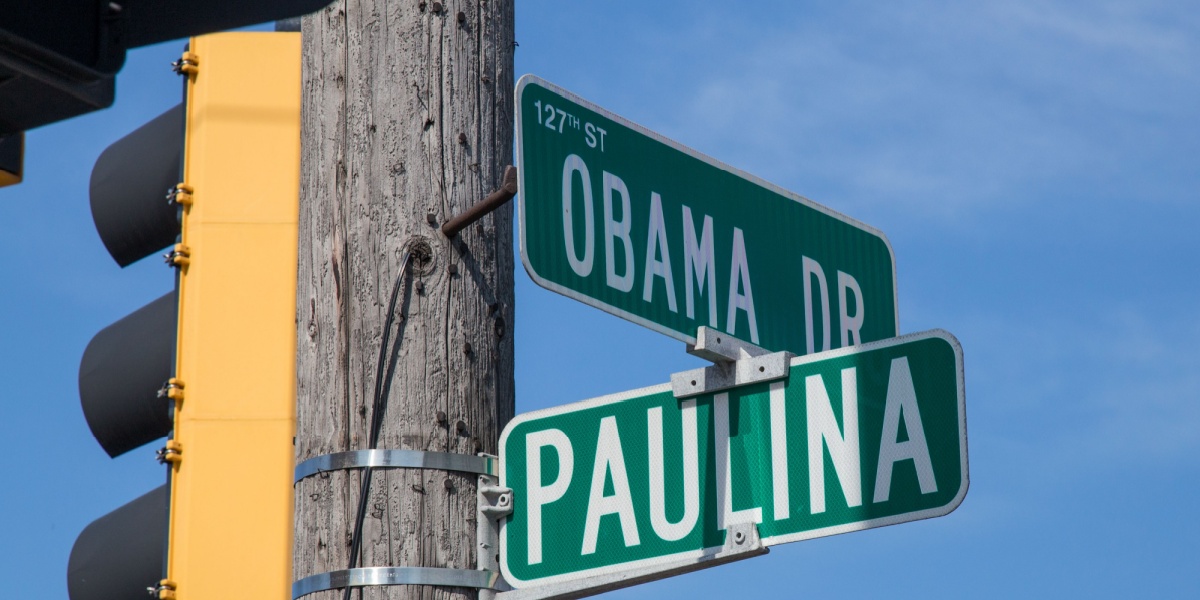
Obama Drive in Calumet Park, Illinois
First Black U.S. President:
In 2008, Democrat Barack Obama was a first-term U.S. Senator from Illinois when he was elected the first Black President of the United States of America. He served two terms as president, and today his Presidential Library is being built in Chicago.


Looking for Fun Learning Activities?
More Activities…
-

Thanksgiving Crafts and Activities
Keep kids entertained with 35+ Thanksgiving games, crafts, and printables—perfect for classrooms, family gatherings, or holiday fun.
-

Pipe Cleaner Christmas Tree Craft
Create festive holiday fun with this easy Pipe Cleaner Christmas Tree craft for kids! Using simple materials like pipe cleaners, a wooden skewer, and beads, children…
-

Letter D Crafts and Activities
Discover fun and easy Letter D crafts for preschoolers using common household items! From making doors that reveal hidden Ds to crafting a playful DIY dog,…
-
Letter C Crafts and Activities
Explore creative ways to teach preschoolers the letter C with fun, simple crafts like making a caterpillar, cotton ball clouds, or carrot stamps. These engaging activities…
-

Vowel Activities for Kids
Engage kids in learning vowel sounds with 18 fun activities and games! From sorting vowel sounds to treasure hunts, these hands-on activities will help children practice…
-
Leaf Prints Craft for Kids
Celebrate fall with this easy Leaf Prints craft for kids! Using natural leaves, paint, and paper, children can create colorful and textured prints that capture the…