What is Roadschooling?
In roadschooling, families combine their homeschool curriculum with the experiential, real-world learning that comes naturally with traveling.
For many families, roadschooling means packing up computers, books, and belongings and traveling the country–often RV-style–in search of unscheduled educational experiences that extend beyond the classroom. Roadschooling has become a growing trend for families looking for flexibility and freedom from the traditional school setting.
Children who are roadschooled have an opportunity to experience their lessons first-hand.
Roadschooling also introduces kids to many new places, helping them learn to appreciate and embrace the local culture of areas beyond their hometown.
For Example: When learning about plant life cycles, a visit to a national park or arboretum provides hands-on learning that kids can touch, see, and smell. A trip to Washington D.C. to view historical documents or monuments during an American history lesson is a fun deviation from textbooks.
Can I afford roadschooling?
Travel costs will likely be your biggest expense on your journey. Some families prepare for roadschooling by saving for several years, selling or renting out their homes, or finding jobs they can perform remotely and while on the road. Here are some of roadschooling’s biggest expenses and few ideas to make the experience more affordable.
Roadschooling’s Main Expenses
- Your mode of travel, which is often a converted school bus, travel van, pop-up camper, or RV.
- If you’re renting an RV, keep in mind costs can include a daily rental fee and mileage.
- Gas to fuel your vehicle
- Nightly rates at campgrounds, RV parks, or hotels
- Groceries and eating out
- Tickets to attractions and parks
Ways to Save Money While Roadschooling
- If purchasing an RV, van, or camper, consider buying one that’s used.
- Make use of campgrounds or state or national parks for overnight accommodations.
- Purchase a curriculum that meets your needs and budget.
- Use free resources such as the Every Kid Outdoors Program, which grants all 4th graders free access to hundreds of parks across the country.
- Make your own meals when possible. Consider buying produce from farmers markets or farm stands as you travel through various towns.
- Research the areas you’re heading to, seeking out discounts, specials, and reduced rates.
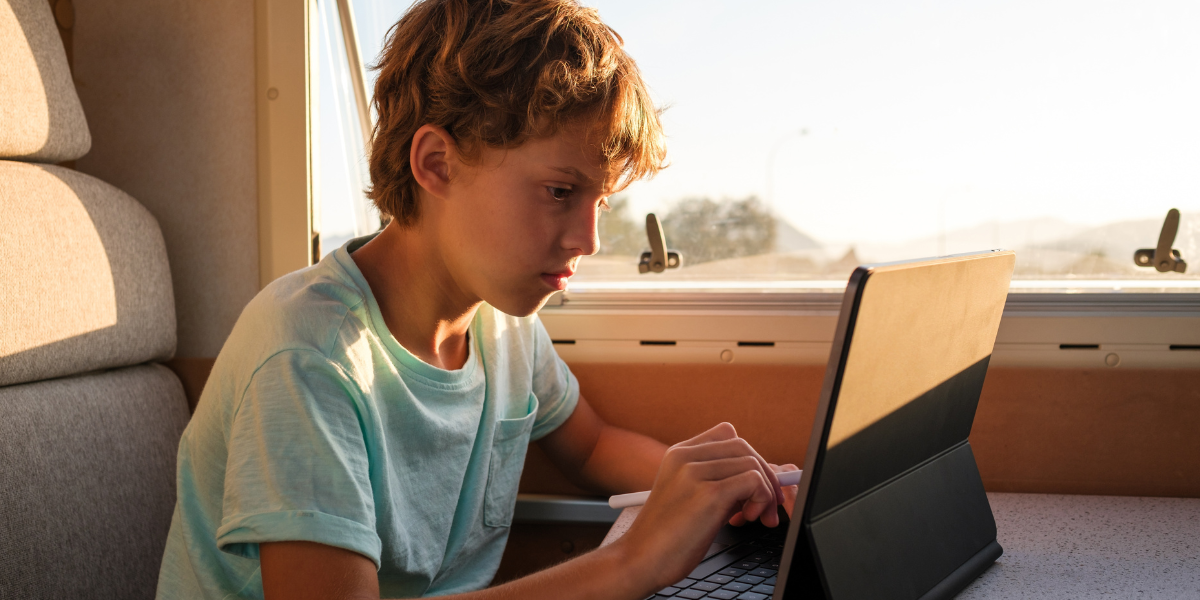
What are roadschooling laws?
Roadschooling families need to establish residency within a “home state” with a physical address, and then must follow the homeschooling laws of that state. Some states require families to be physically present in-state for a specified length of time.
What are some benefits of roadschooling?
Roadschooling offers the freedom to experience learning together as a family and the time to discuss the day’s adventures during drives or dinner. It exposes kids to new adventures and interests while allowing a chance to bond closely as a family. Roadschooling also typically means more time being active outdoors and a more immersive way to learn about different topics, areas, and cultures.
Are there downsides to roadschooling?
It can sometimes feel harder to make permanent friends while on the road. Some families may miss being part of familiar social groups and regular structured activities and sports. Some roadschoolers also struggle with a lack of structure and motivation if the excitement of visiting different places trumps learning. Parents might also struggle finding a balance between traditional and experiential learning. Unreliable Wi-Fi can also be a challenge when traveling in remote places.
What does a typical day of roadschooling look like?

Roadschool changes from day-to-day, depending on if a family is traveling that day or exploring the area they’re visiting. Regardless, each day seizes opportunities to learn, whether it’s wandering a local museum, trying out foods in a street market, or studying the language and geography of the area.
Families often work more formal studies into their roadschooling with various types of curriculum, including textbooks, workbooks, online curriculum, and more.
More from ABCmouse:
-

How Educational Games Can Boost Learning for Young Children
Discover how educational games can boost learning for young children by making learning fun and engaging. Explore research-backed benefits, practical examples like “The Boy Who Cried…
-

Tips For Blending Sight Word Games into Your Child’s Learning
Integrate engaging digital sight word games into your child’s learning routine to boost reading and spelling skills. Discover practical tips for establishing a consistent learning schedule,…
-

What are High Frequency Words? (First 100 Printable List)
Find a printable list of 100 high frequency words for your child, along with tips and insights on teaching them effectively. Discover the difference between high…
-

First Grade Math: How to Help a Struggling Student
Discover effective strategies to support a struggling first grader in key math concepts like addition, subtraction, and telling time. Explore practical tips for fostering a positive…
-
10 Expert-Recommended Methods for Teaching Letter Sounds
Discover expert tips for teaching letter sounds with this guide, featuring 10 methods to help your child progress in reading. Engage with interactive, sensory activities to…
-
How to Teach Number Recognition to Preschoolers
Discover effective strategies for teaching number recognition to preschoolers, essential for early math learning. Includes fun, hands-on activities and games to engage young learners. Start building…