How Educational Games Can Boost Learning for Young Children

Digital games are a popular educational tool for young children because of their ability to make learning feel fun. New concepts are presented as engaging and interactive games with colorful graphics, animations, and playful sound effects. This approach not only keeps the learning environment lively and enjoyable, it creates a sensory-rich experience, appealing to children’s sense of sight, sound, and touch, as they tap and drag items on the screen.
Research and Digital Learning
Research suggests that digital learning games can positively impact learning, as seen in this study from the Journal of Educational Psychology, which determined the following.
“Well-designed games can motivate students to learn less popular subjects, such as math, and that game-based learning can actually get students interested in the subject matter—and can broaden their focus beyond just collecting stars or points.”
This is according to Dr. Jan Plass, a professor at NYU’s Steinhardt School of Culture, Education, and Human Development and one of the study’s lead authors, who shared details about the study in an NYU.edu news release.
Thanks to technological advances, children can play digital educational games almost anywhere, whether they’re in the car, waiting for an appointment, or reinforcing learning at home. The convenience of accessing these games on various devices means that learning can take place anywhere and anytime, fitting seamlessly into daily routines and allowing children to practice in short, focused bursts.
For parents who may be concerned about their child’s screentime, the American Academy of Pediatrics published a study recommending time limits on digital media use for children aged 2 to 5, suggesting “no more than 1 hour per day to allow children ample time to engage in other activities important to their health and development.” The study also encouraged parents to “change to educational and prosocial content and engage with their children around technology.”

Digital Learning Examples
Knowing research suggests benefits to educational games for children, let’s take a closer look at how certain educational games can appeal to younger children, such as kindergarteners.
The Boy Who Cried Wolf
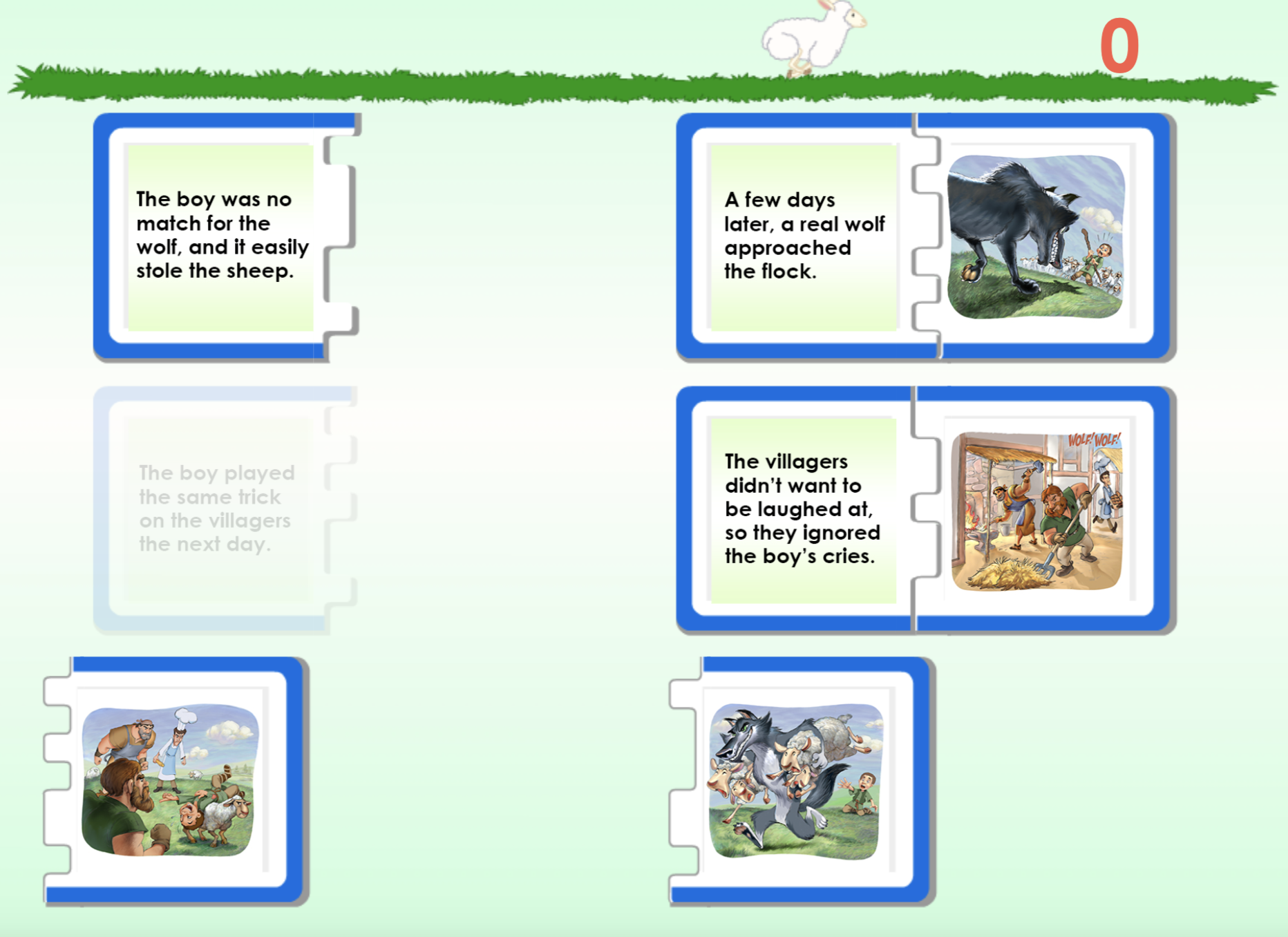
As children play this game, they see and hear sentences read from the classic tale, The Boy Who Cried Wolf. They’ll then match the sentences they hear to the image on the screen that depicts the scene being described. This game gives children an opportunity to practice critical thinking, reading comprehension, and listening skills.
Why It Works for Young Learners
As children play this game, they see and hear sentences read from the classic tale, The Boy Who Cried Wolf. They’ll then match the sentences they hear to the image on the screen that depicts the scene being described. This game gives children an opportunity to practice critical thinking, reading comprehension, and listening skills.
Plenty of Patterns
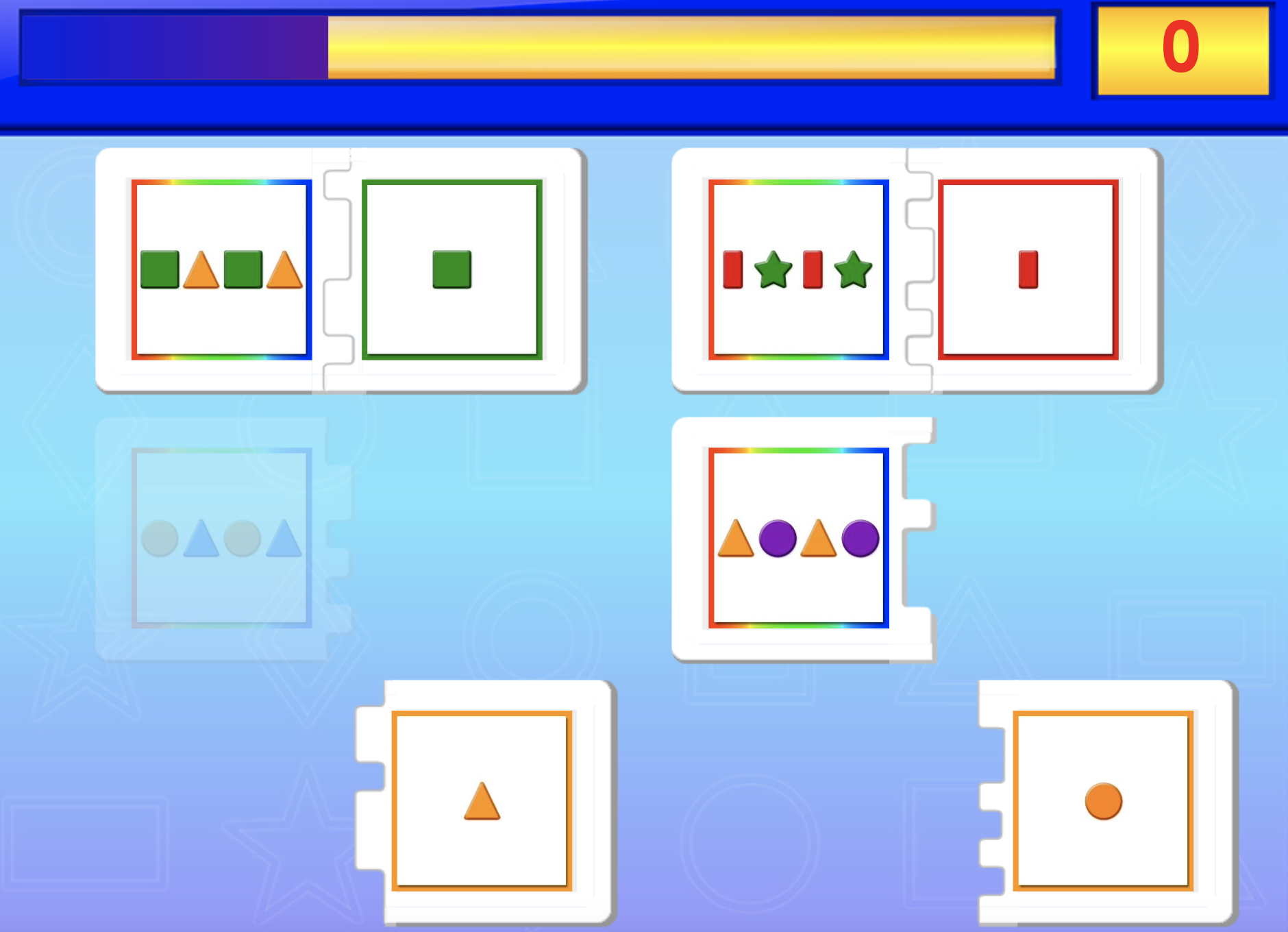
This game challenges players to practice recognizing and completing sequences of patterns created with various shapes and colors. As children enjoy the challenge of completing the patterns with puzzle pieces, they’ll also practice shape and color recognition and critical thinking skills.
Why It Works for Young Learners
Understanding the concept of patterns can take a bit of practice, and this game makes repeated practice entertaining. When children can have fun while learning a new concept, they’re more motivated to practice it. This game also features lively and encouraging voices that further motivate young learners to keep going.
Advanced Hungry Anteaters
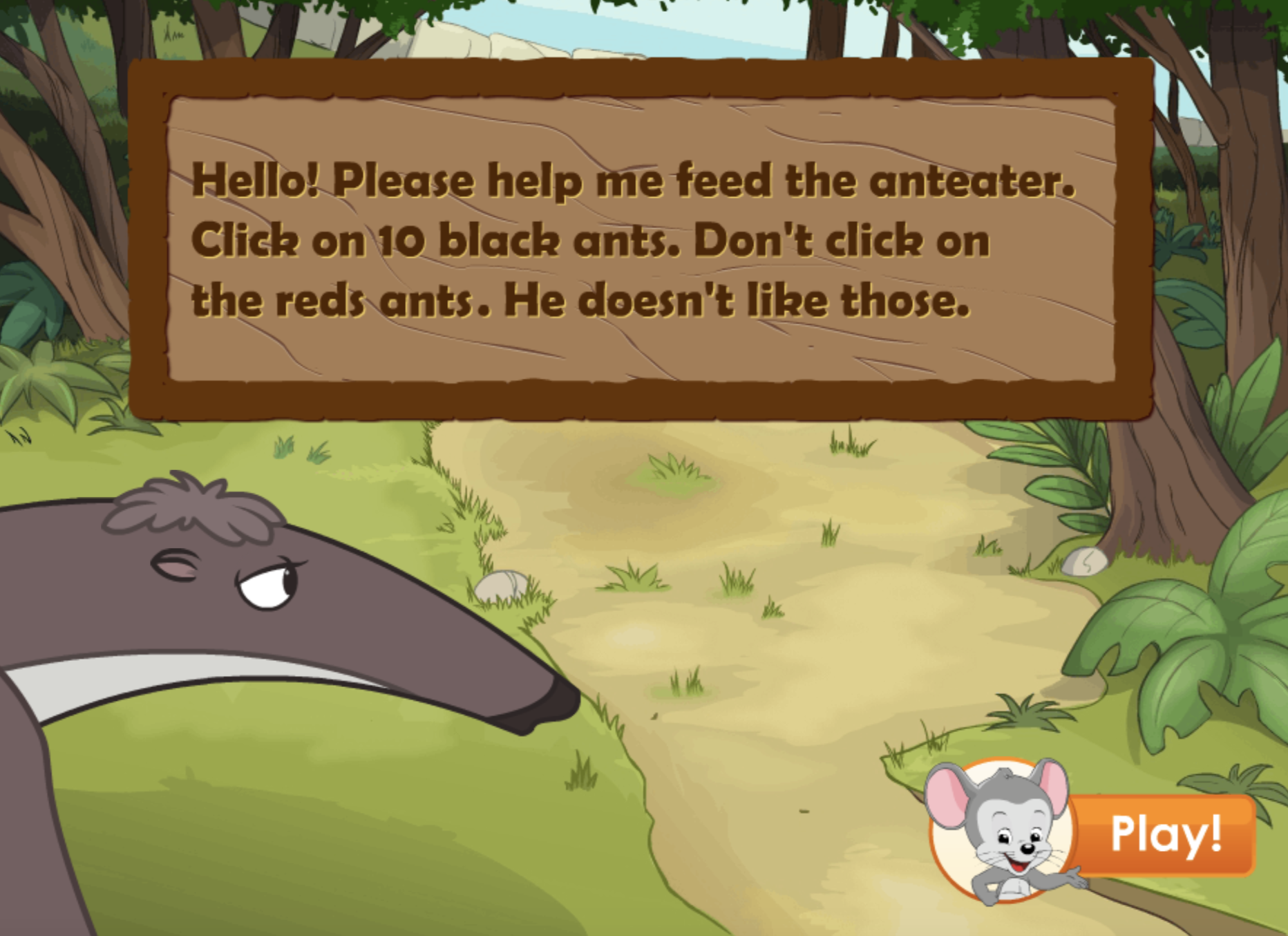
In this game, children feed the anteater ants–but he only wants 10 ants and they all have to be black ants, helping kindergarteners with counting skills and color recognition.
Why It Works for Young Learners
This game’s learning focus is counting. While a child could easily count out 10 objects on their own, this game adds an element of age-appropriate entertainment to the act of counting–children get to feed a silly-looking anteater as they practice their counting skills and brush up on their color recognition skills.
Word Family Tile Match
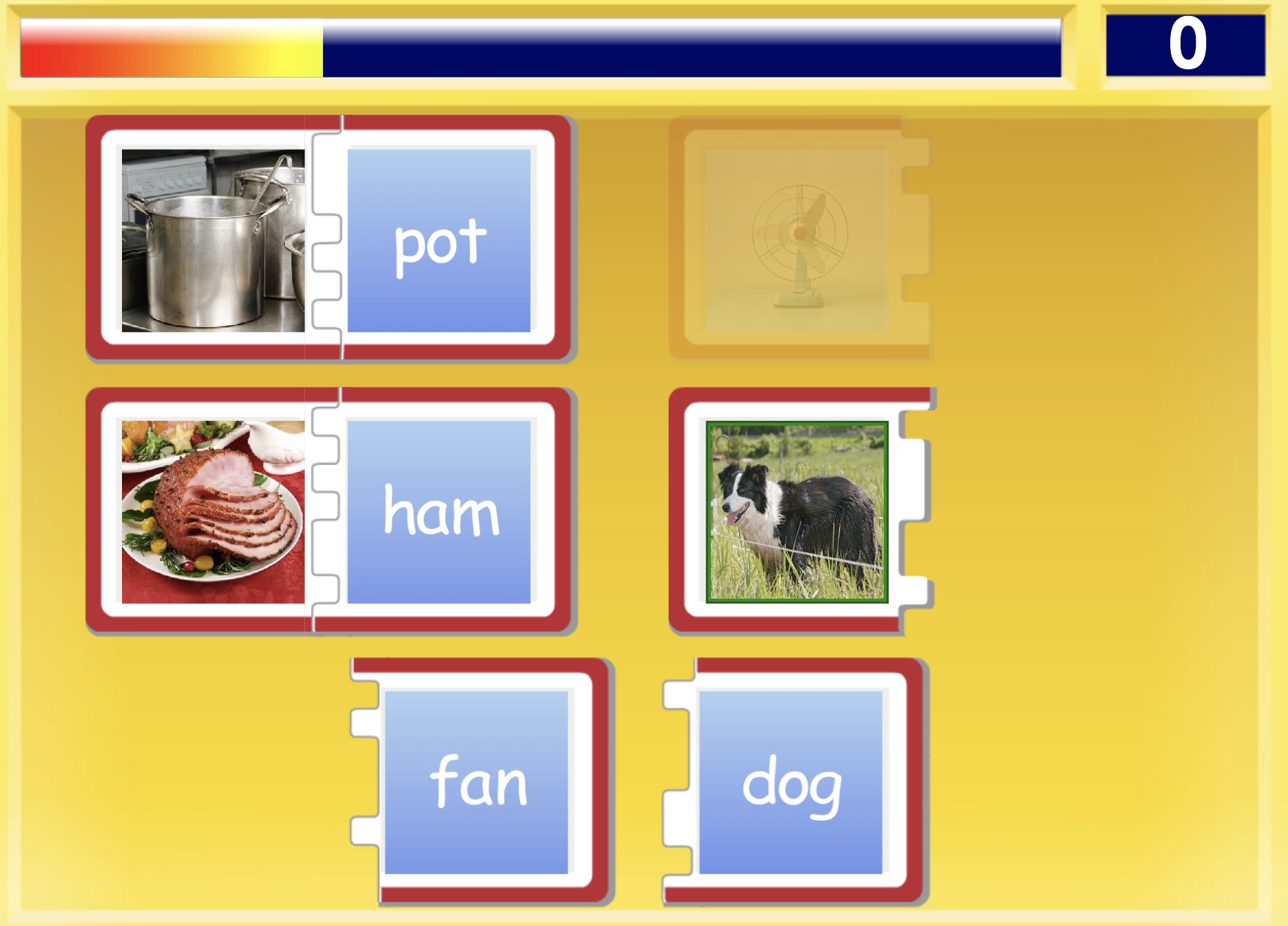
Children can use their word recognition skills to practice matching consonant-vowel-consonant (CVC) words with the corresponding pictures, picking from four images and four different CVC words. This game creates an opportunity for children to practice word recognition, spelling, and critical thinking skills.
Why It Works for Young Learners
CVC words are a primary focus for young children who are learning phonics and spelling. This game adds play to spelling and vocabulary practice, inviting kids to engage with a digital version of a classic memory game. Children will hear the words, see the words, and actively engage with the words, helping children connect with the idea of word families in multiple ways.

Looking for More Fun Learning Activities?
Related Activities
-

Easy Banana Ghosts Halloween Snack for Kids
Make easy banana ghosts with bananas and chocolate chips for a fun Halloween snack kids can help create in just a few simple steps.
-

ABCmouse Launches Parent Perks, Giving Families More from One Membership
ABCmouse launches Parent Perks, giving Premium members access to savings on family-focused products and services with their subscription.
-
Easy Cracker Spider Halloween Snack for Kids
Make easy cracker spider Halloween snacks with kids using round crackers, pretzel legs, a creamy spread, and candy eyes for a fun edible craft.
-
Easy Mason Jar Jack-O’-Lantern Craft for Kids
Make a glowing mason jar jack-o’-lantern with kids using orange paint, a paper pumpkin face, and a battery-operated tea light for Halloween fun.
-

Easy Pipe Cleaner Pencil Monster Craft for Kids
Make a silly pipe cleaner pencil monster with this easy Halloween craft for kids using colorful pipe cleaners, googly eyes, and pencils.
-
Easy Ping Pong Ball Ghost Craft for Kids
Make friendly ping pong ball ghosts with tissue paper, yarn, and a marker in this easy Halloween craft for preschoolers, kindergarteners, and kids.