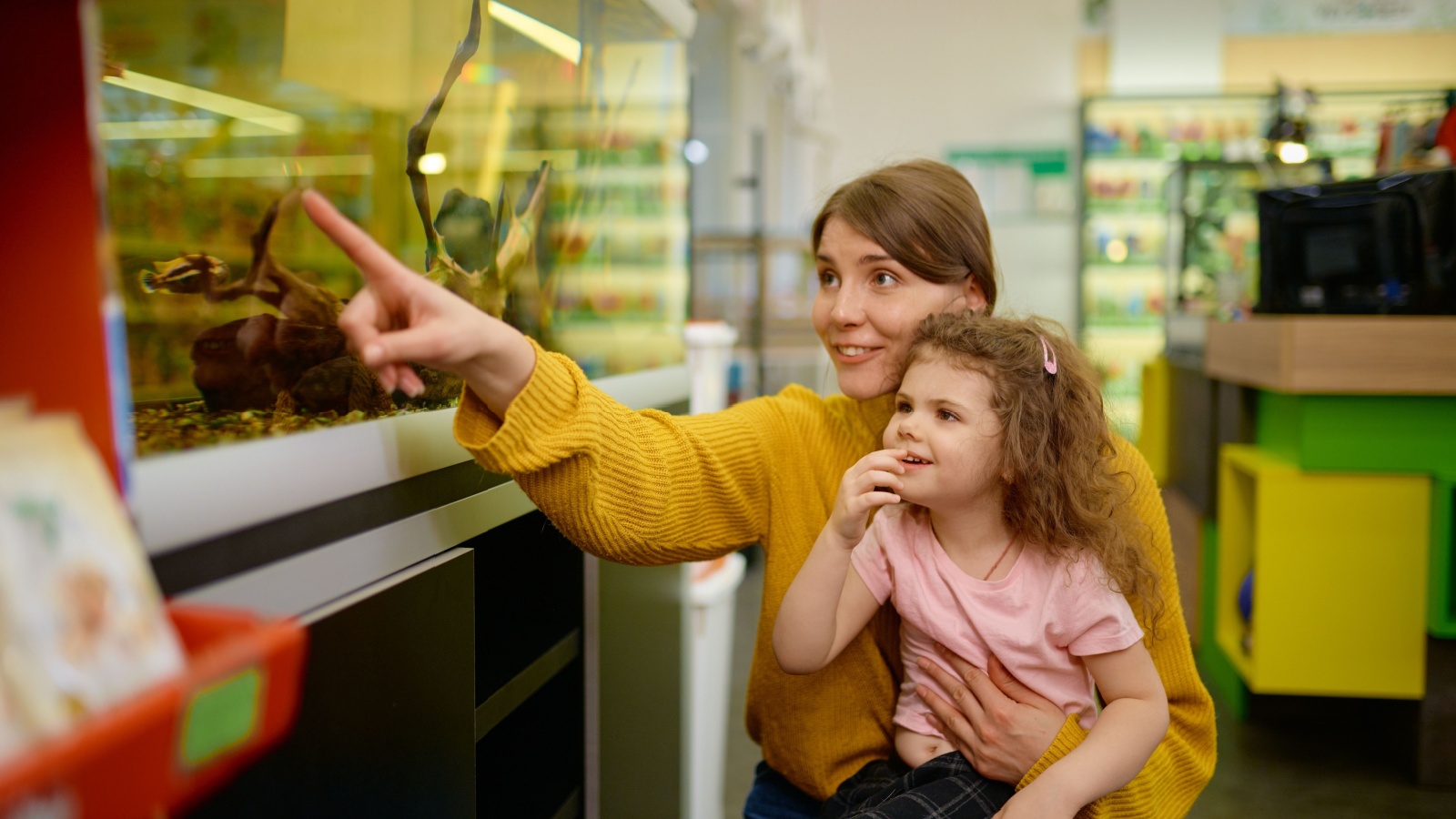
What Is Unschooling?
Learn more about this child-led approach to learning and how to add it to your homeschooling approach.
If you’ve been exploring the option of homeschooling, you’ve probably stumbled on the term “unschooling.” Let’s explore the basics of unschooling, its benefits, and how it can work for your family.
Unschooling is a unique, flexible approach to education that allows children to learn through their own interests and experiences.
What is Unschooling?
Unschooling is a form of homeschooling that emphasizes child-led learning. Unlike traditional schooling where children are taught a set curriculum and follow a defined schedule, unschooling allows children to learn based on their interests and passions. There is no set curriculum, tests, or grades. Children are free to explore their world and learn through their experiences.

Despite its name, unschooling is an active and intentional approach to education rather than a passive and unstructured one. Unschoolers prioritize the process of active learning and personal growth over a structured, traditional academic curriculum.
What Does Unschooling Look Like?
Every homeschool is different, and every family’s approach to unschooling will be unique to their interests, goals, and lifestyle. However, an unschooling family typically sees every moment of the day as a potential learning experience. This tends to be true for most homeschoolers.
In unschooling, learning is based on joining children in their exploration of day-to-day activities. A child’s interests often naturally involve letters and reading; counting and sorting objects; observing nature and landmarks; and understanding their community and the world around them. These topics are explored without formal academic instruction. Instead, learning takes place around real-life activities as they occur and at the pace of the child, following how deeply they want to explore something.

For example, if a child wanted to help cook dinner, their home educator might show them a recipe to follow and discuss measurements and fractions or work on reading the recipe and introducing new words or letter sounds. Learning could even include sensory skills, like how the ingredients feel and smell.
Or, walking by a historic building in town could lead to conversations or research about architecture, new versus old, the history of the community, people who help maintain buildings, and more.
Unschooling trusts a child’s natural curiosity to open opportunities for learning and relies on everyday moments to create a framework for education. Unschoolers can also incorporate educational materials and resources into their learning environment.
Is Unschooling Legal?
Homeschooling is legal in all 50 states, and unschooling is a form of homeschooling. Each state has unique homeschool laws, but no state specifies the legality of unschooling.
If you’re considering unschooling, you’ll want to read the requirements for your state and determine how unschooling fits into the homeschooling steps your state requires.
Some states require detailed recordkeeping, progress reports, portfolios, or mandated subjects. If you’re an unschooler in a high-regulation state, you’ll likely need to track attendance and coursework and create a portfolio of child-led work. As your child follows a self-led path, it’s common for their interests to fall under the umbrella of required subjects.
Benefits of Unschooling
Children who unschool experience growth and development through self-led education. There are many benefits to homeschooling this way.
Love of Learning
Unschooling is thought to encourage a love of learning by allowing children to pursue their interests.

Independent Thinking
Because unschooling prioritizes self-directed learning, children can strengthen their independent thinking skills as they make choices about their education.
Creativity
Unschooling helps to support creativity by giving children the freedom to explore topics in depth and in a way that appeals to them.
Individuality
Each child shapes their learning journey, making it unique to them, which can help to promote individuality in children.
Flexibility
Unschooling can help to create a flexible environment that can accommodate various schedules.
How to Start Unschooling
If you are interested in unschooling, here are some quick steps to help you get started:
- Check State Laws
Check your state’s homeschool laws and determine how to best approach unschooling while following requirements.
- Pick Curriculum
Decide if you will use a curriculum to help support your goals with unschooling. We offer a learning program for children ages 2-8 with ABCmouse and for children ages 8-13 with Adventure Academy. Learn more about both programs below.
- Connect with Others
Seek out other families who use unschooling. You’ll find many online and local communities offer support and resources for homeschooling families.
- Let Children Lead
Follow your child’s lead, letting them explore their interests and passions as intently as they wish.
- Let Go
Let go of expectations. Unschooling has no tests or grades, so relax and enjoy the journey!
More from ABCmouse:
-

How to Teach Subtraction
Discover effective strategies for teaching subtraction to kids, with tips on focusing on understanding over memorization and making learning enjoyable. Ideal for parents and educators.
-
Sight Word – Resources
Explore the world of sight words with ABCmouse! Get free lists and engaging activities designed to boost your child’s reading skills and make learning to read…
-

What Skills Should Your Preschooler Have Before They Start School?
Ensure your preschooler is ready for school with list of essential skills. Discover key abilities for a smooth transition to preschool.
-

Kindergarten Vocabulary List–Words Your Kids Should Know
Explore 30 essential kindergarten vocabulary words that unlock communication, enhance comprehension, and foster cognitive development. Learn engaging ways to incorporate them into daily life for a…
-

10 Strategies for Helping a Struggling Reader
“Discover key signs of a struggling reader, including difficulties in decoding, comprehension, fluency, and more. Find practical strategies and activities to support and improve your child’s…
-
10 Easy Steps to Help Teach a Child to Read
Explore ABCmouse’s approach to teaching children to read in 10 easy steps, tailored for various age groups. From daily reading habits to advanced concepts, make reading…