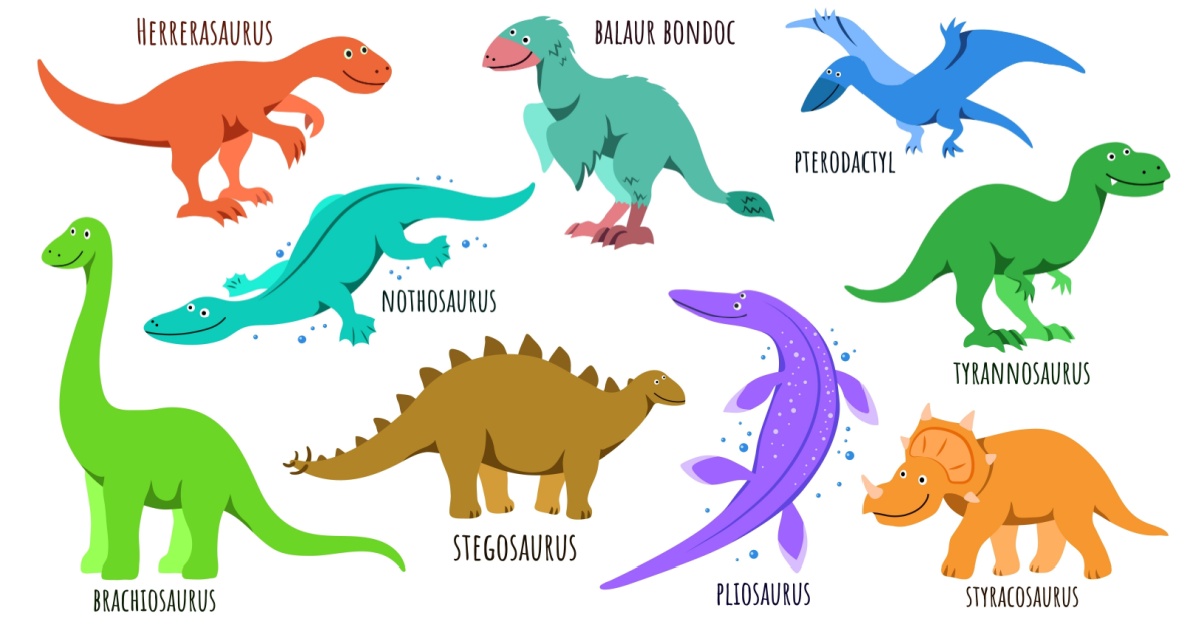
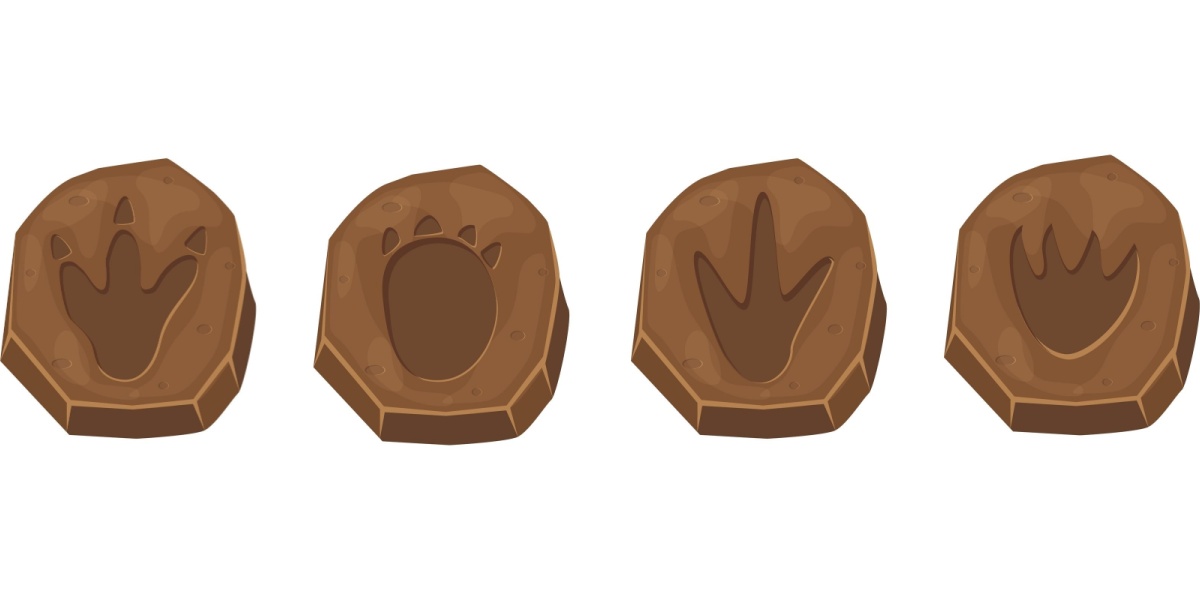
Dinosaurs spark endless curiosity in kids, and this big list of dino names is the perfect way to explore their prehistoric world together. From towering plant eaters to fast, feathered hunters, this collection introduces a wide variety of dinosaurs that kids will enjoy learning about. Whether they’re fascinated by giant herbivores, intrigued by horned dinosaurs, or eager to discover new species they’ve never heard of before, our guide is packed with a variety of dinos to appeal to every young enthusiast.
Most Popular Dinosaurs
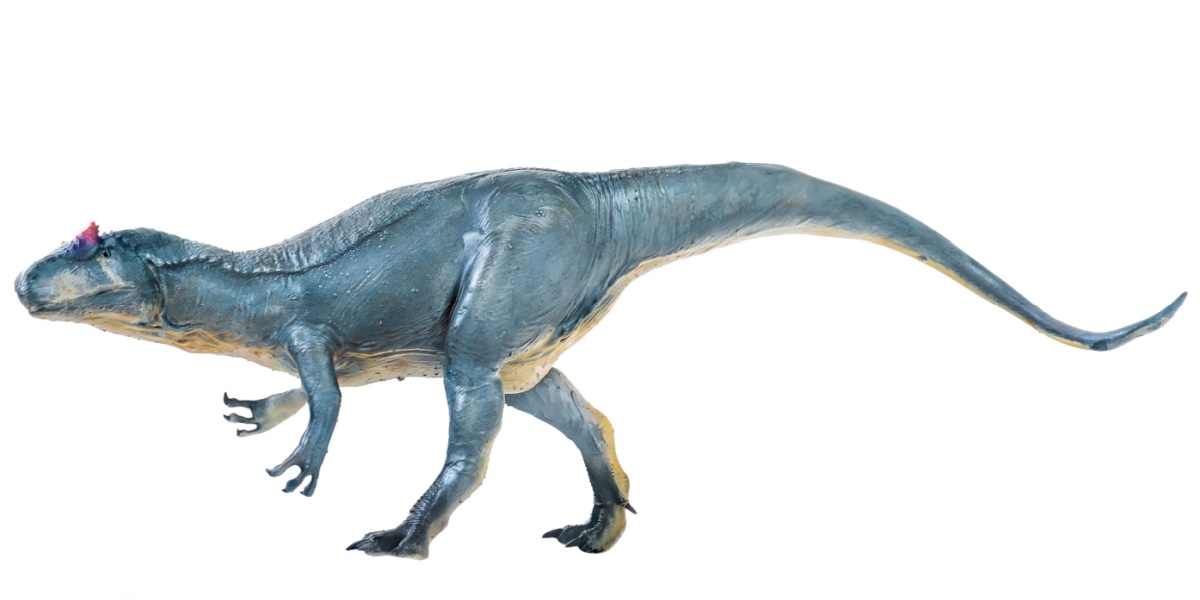
Allosaurus
Apatosaurus
Giganotosaurus
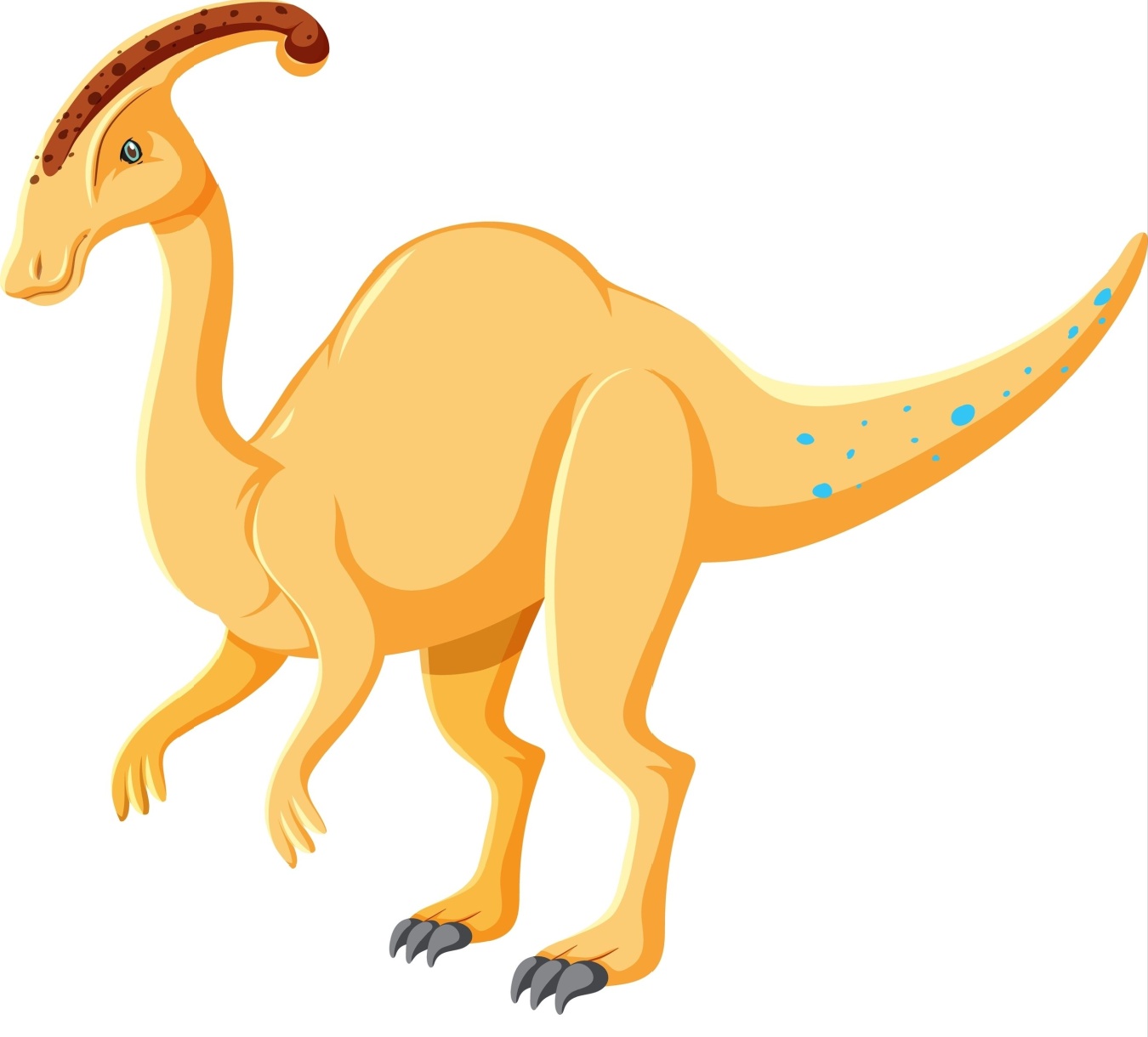
Parasaurolophus
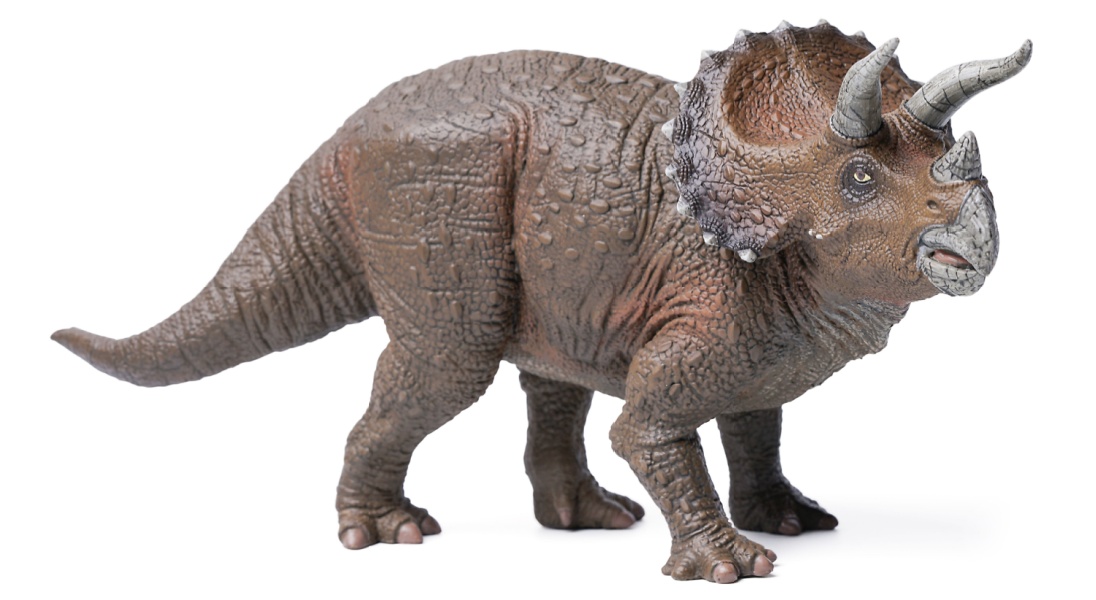
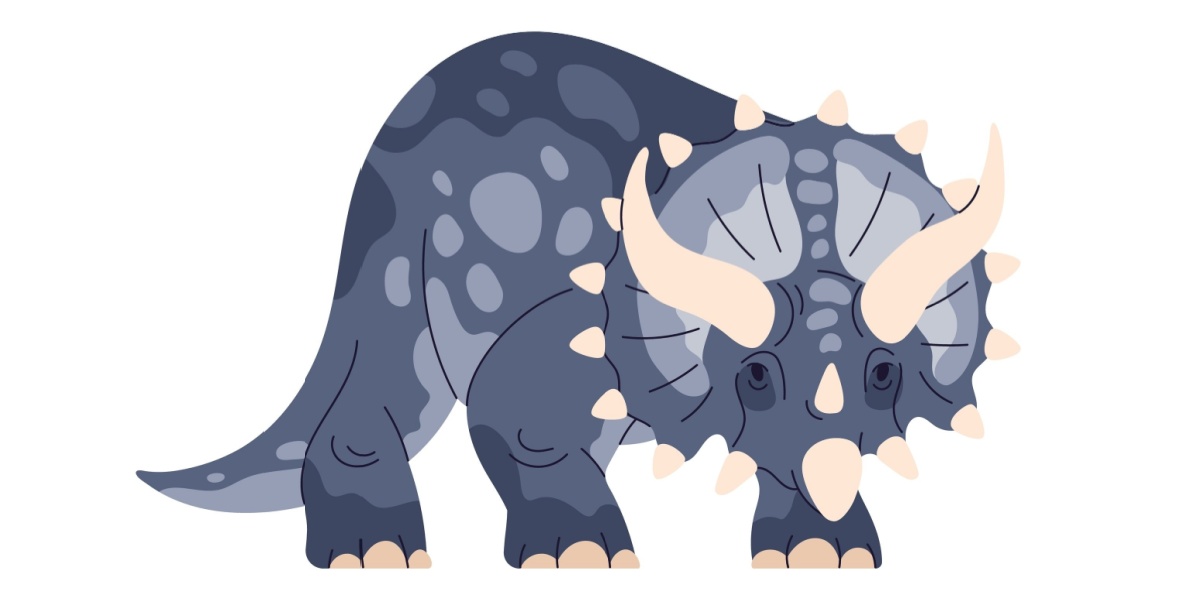
Triceratops
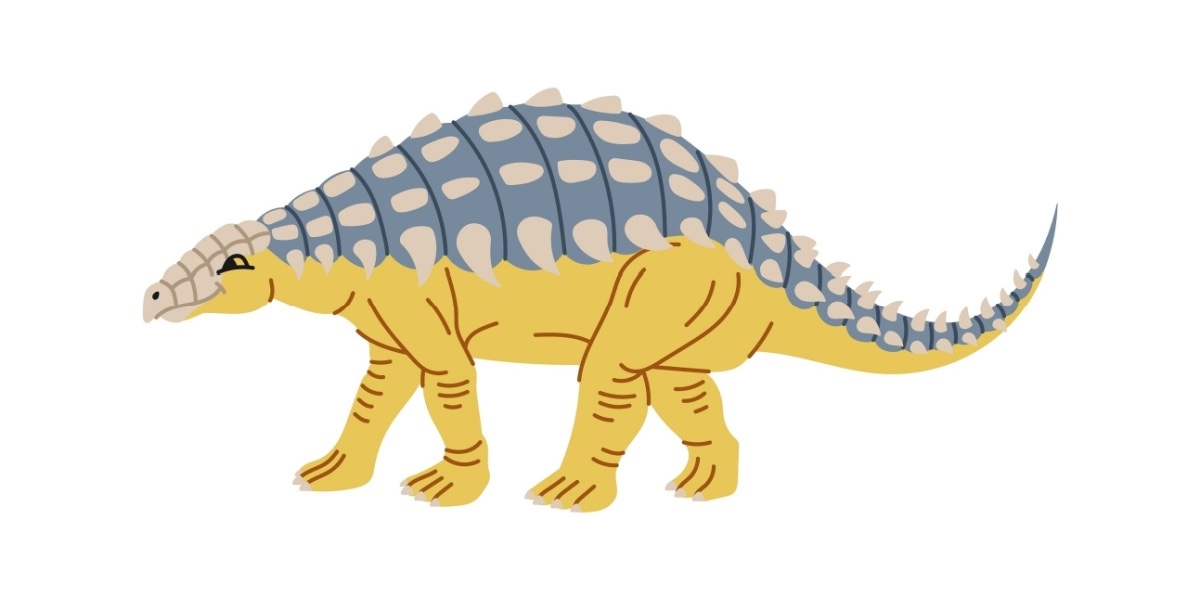
Ankylosaurus
Brachiosaurus
Iguanodon
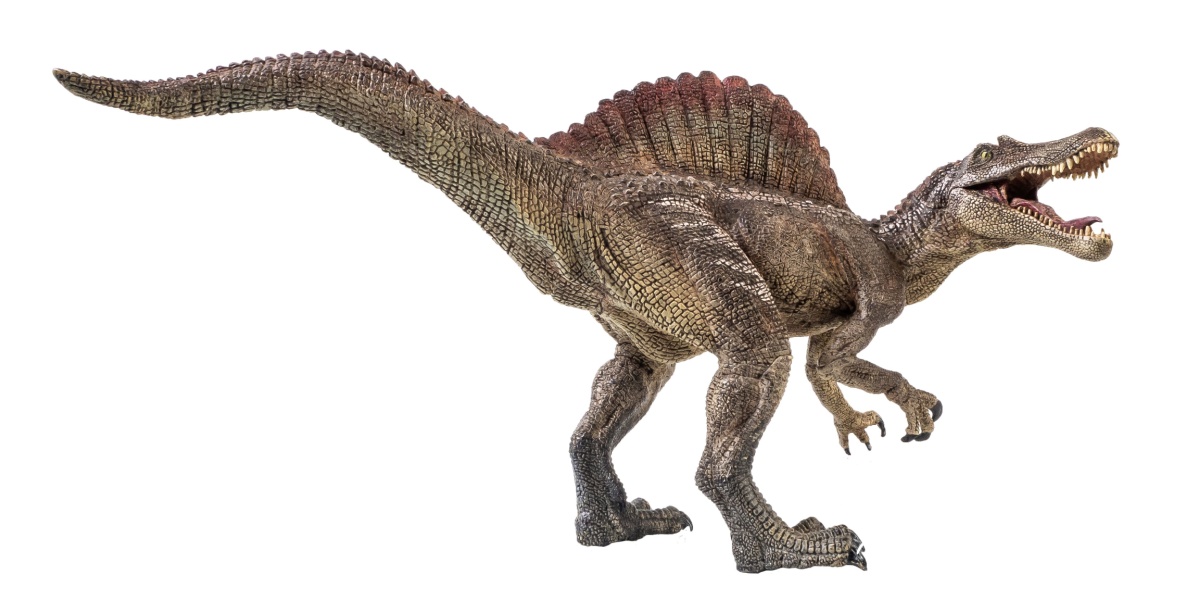
Spinosaurus
Tyrannosaurus rex
Carnotaurus
Diplodocus
Pachycephalosaurus
Stegosaurus
Velociraptor
Allosaurus
Triceratops
Spinosaurus
Biggest Dinosaurs Ever Discovered
Did you know some dinosaurs were longer than a blue whale or taller than a four-story building? These giant dinosaurs are some of the largest creatures to ever walk the Earth. Scientists learn about their size by studying fossil bones, trackways, and complete skeletons found around the world.
Here are a few of the largest dinosaurs ever discovered:
Argentinosaurus – One of the largest known dinosaurs; may have weighed as much as 10 elephants.
Patagotitan – A huge long-necked titanosaur from Argentina. Brachiosaurus – A tall sauropod with long front legs that helped it reach treetops.
Dreadnoughtus – A massive dinosaur whose name means “fear nothing.”
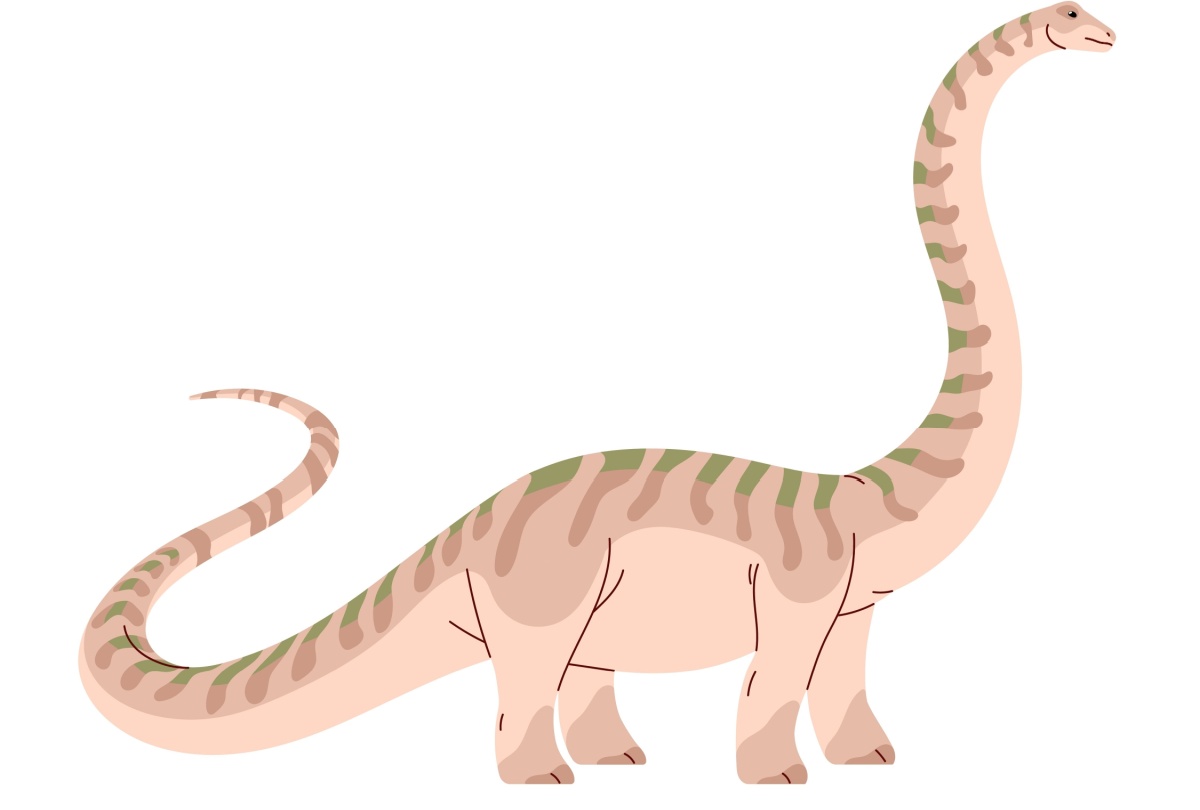
Apatosaurus – A giant plant eater with a long neck and tail.
Supersaurus – one of the longest dinosaurs, with a neck and tail that stretched over huge distances.
Sauroposeidon – an extremely tall dinosaur that could reach leaves high up in the trees.
These enormous dinosaurs were all plant eaters, and their size helped protect them from predators.
Large Meat-Eating Dinosaurs (Carnivores)
These carnivorous dinosaurs are known for their sharp teeth and hunting skills:
Acrocanthosaurus
Compsognathus
Majungasaurus
Stenonychosaurus
Albertosaurus
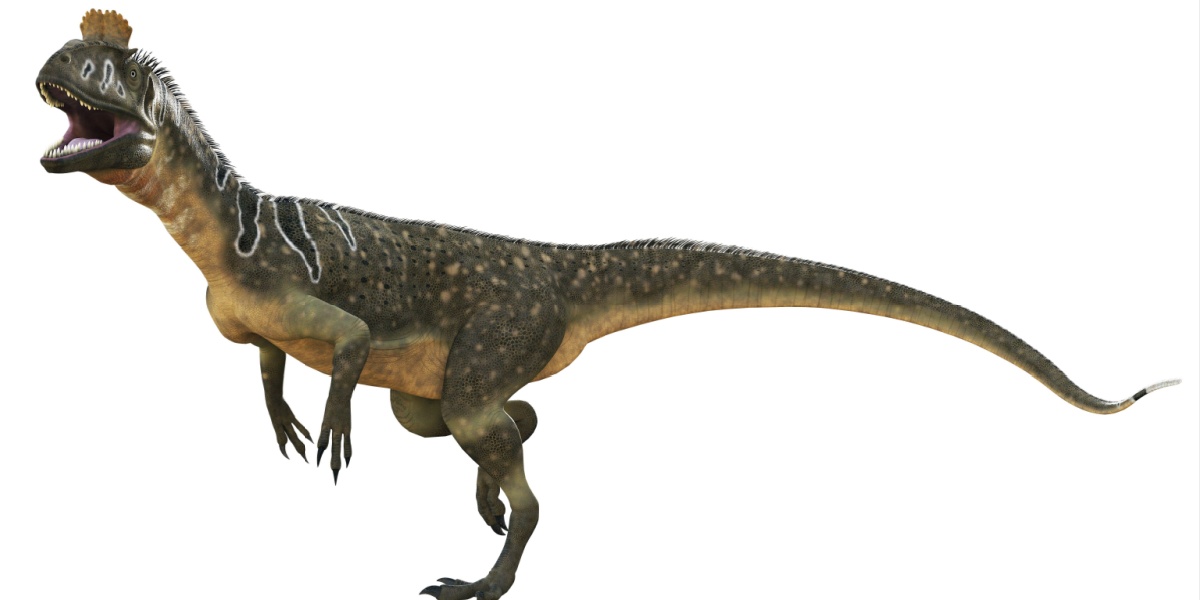
Cryolophosaurus
Mapusaurus
Struthiomimus
Ceratosaurus
Daspletosaurus
Megalosaurus
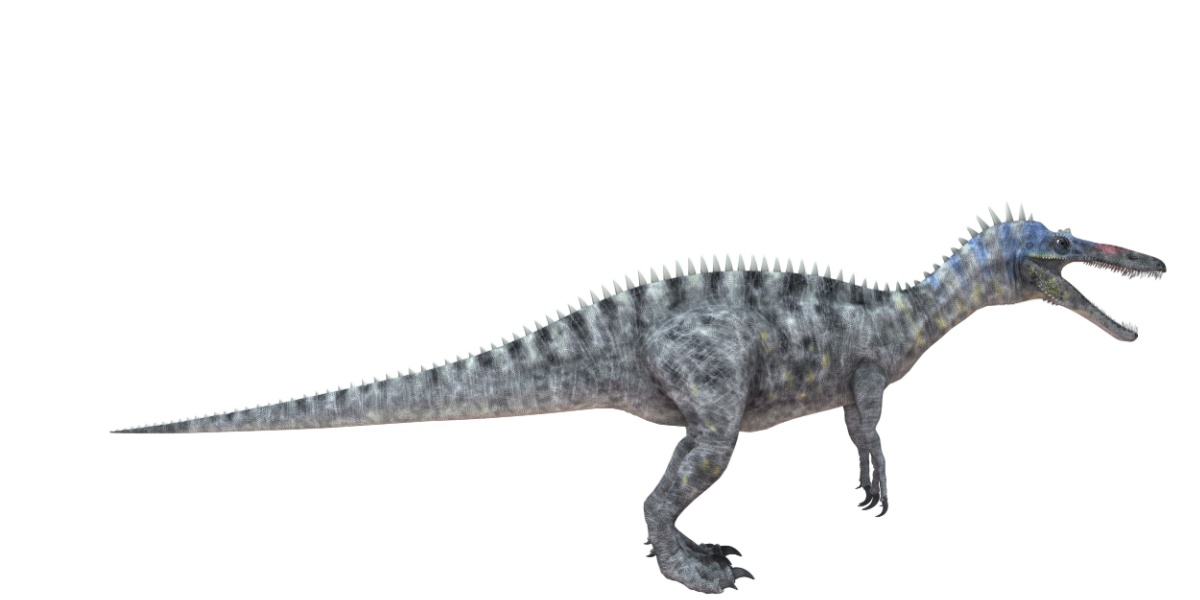
Suchomimus
Coelophysis
Dilophosaurus
Monolophosaurus
Tarbosaurus
Herrerasaurus
Saurornithoides
Acrocanthosaurus
Suchomimus
Cryolophosaurus
What’s a theropod?
Theropods were a group of dinosaurs that walked on two legs and usually ate meat. They had sharp teeth or claws, long back legs for running, and many of them were fast hunters. Some theropods were small, and others (like T. rex) were huge. Scientists also know that many theropods had feathers, and birds today are actually modern theropods!
Plant-Eating Dinosaurs (Herbivores)
Long-Necked Herbivore Dinosaurs
Argentinosaurus
Brontosaurus
Euhelopus
Patagosaurus
Barosaurus
Camarasaurus
Omeisaurus
Saltasaurus
What are Sauropods?
Sauropods were huge, long-necked dinosaurs that walked on four legs and ate plants. They had long tails, small heads, and big bodies. Their long necks helped them reach leaves high up in trees or plants near the ground. Some sauropods were the largest animals to ever walk on land!
Armored Herbivore Dinosaurs
Edmontonia
Euoplocephalus
Nodosaurus
Sauropelta
Horned HerbivoreDinosaurs
Centrosaurus
Chasmosaurus
Pachyrhinosaurus
Styracosaurus
Torosaurus
Duck-Billed HerbivoreDinosaurs
Corythosaurus
Gryposaurus
Lambeosaurus
Ouranosaurus
Edmontosaurus
Hadrosaurus
Maiasaura
Shantungosaurus
What does herbivore and carnivore mean?
These terms are related to what a creatures eats. Herbivores eat plants, carnivores eat meat, and omnivores eat both. Learn more about the words and the animals that follow each type of diet in our Herbivore, Omnivore, and Carnivore Animal Words for Kidsarticle.
Small & Fast Dinosaurs
Dryosaurus
Hypsilophodon
Lesothosaurus
Scutellosaurus
Heterodontosaurus
Leaellynasaura
Feathered or Bird-Like Dinosaurs
Anchiornis
Bambiraptor
Microraptor
Utahraptor
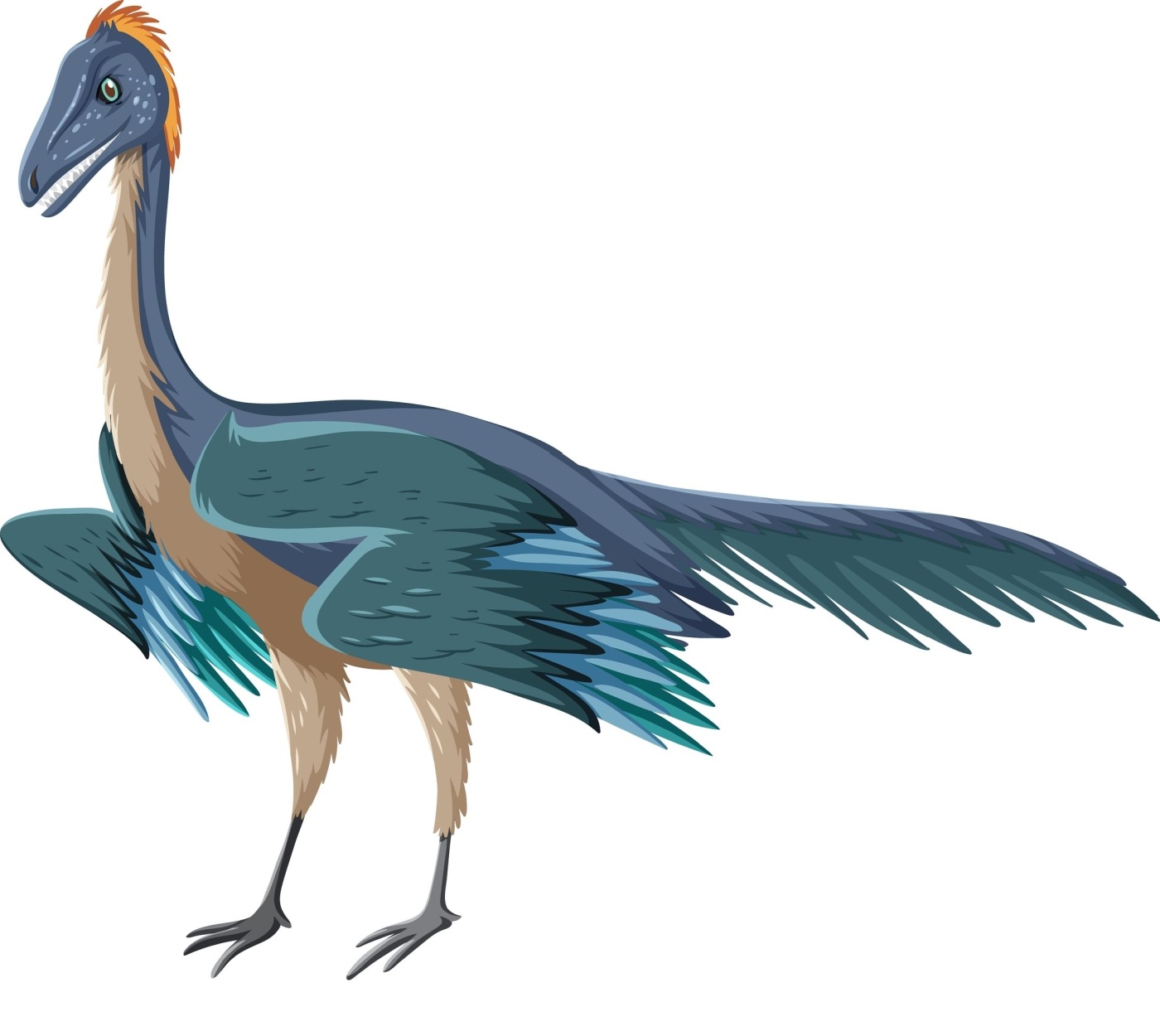
Archaeopteryx
Deinonychus
Sinosauropteryx
Velociraptor
Dinosaurs from Different Periods
Dinosaurs from the Triassic Period
Eoraptor
Mussaurus
Plateosaurus
Riojasaurus
What is the Triassic Period?
The Triassic Period was a time over 200 million years ago, from about 252 to 201 million years in the past, when the very first dinosaurs began to appear.
Dinosaursfrom theJurassic Period
Allosaurus
Compsognathus
Huayangosaurus
Mamenchisaurus
Apatosaurus
Dilophosaurus
Kentrosaurus
Megalosaurus
Brachiosaurus
Diplodocus
Shunosaurus
Stegosaurus
Camarasaurus
Dryosaurus
What is the Jurassic Period?
The Jurassic Period was a time long, long ago (about 200 to 145 million years in the past) when many famous dinosaurs lived.
Dinosaurs from the Cretaceous Period
Deinocheirus
Oviraptor
Quetzalcoatlus
Therizinosaurus
Gallimimus
Protoceratops
What is the Cretaceous Period?
The Cretaceous Period was the last part of the Age of Dinosaurs, lasting from about 145 to 66 million years ago. It ended with a massive asteroid impact that caused the dinosaurs to become extinct.
We take your privacy very seriously and will never monetize the Personal Information of any User of our
Services by providing it to a third party in exchange for money. The California Consumer Privacy Act (CCPA)
has a broader definition of the term “sell” which includes disclosing Personal Information to any third
party for valuable consideration. When we work with our advertising partners, we are disclosing certain
information such as cookies for their services, which are of value to us. Under the CCPA you have the right
to opt-out of our disclosure of your Personal Information to third parties for monetary or other valuable
consideration. You may exercise your right to opt-out through the settings on this page. However, please
note that if you opt-out you will not receive special discounts or offers that may be of interest to you. In
addition, if you opt-out, but come back to our site through a different browser or device we will not be
able to recognize you, so you will still have to opt-out again.
Manage Cookie Preferences
Sale of Personal Information Opt-Out
We take your privacy very seriously and will never monetize the Personal Information of any User of our
Services by providing it to a third party in exchange for money. The California Consumer Privacy Act (CCPA)
has a broader definition of the term “sell” which includes disclosing Personal Information to any third
party for valuable consideration. When we work with our advertising partners, we are disclosing certain
information such as cookies for their services, which are of value to us. Under the CCPA you have the right
to opt-out of our disclosure of your Personal Information to third parties for monetary or other valuable
consideration. You may exercise your right to opt-out through the settings on this page. However, please
note that if you opt-out you will not receive special discounts or offers that may be of interest to you. In
addition, if you opt-out, but come back to our site through a different browser or device we will not be
able to recognize you, so you will still have to opt-out again.
Analytics and Performance Cookies
These cookies are used to collect information about traffic to our Services and how
users use the Services.
The information gathered does not identify any individual visitor. It includes the number of visitors to our
Services, the websites that referred them to our Services, the pages they visited on our Services, what time
of day they visited our Services, whether they have visited our Services before, and other similar
information. We use this information to help operate our Services more efficiently, to gather broad
demographic information, and to monitor the level of activity on our Services.
Targeting Cookies
These cookies may be set through our site by our advertising partners. They may be
used by those companies
to build a profile of your interests and show you relevant adverts on other sites. They do not store
directly personal information, but are based on uniquely identifying your browser and internet device. If
you do not allow these cookies, you will experience less targeted advertising.
Functionality Cookies
Always Active
These cookies allow us to remember choices you make when you use our Services, such as remembering your
language preferences, remembering your login details, and remembering the changes you make to other parts of
Services which you can customize. The purpose of these cookies is to provide you with a more personal
experience and to avoid you having to re-enter your preferences every time you visit our Services.
Essential Cookies
Always Active
These cookies are essential to provide you with services available through Services and to enable you to
use some of its features. For example, they allow you to log in to secure areas of our Services and help the
content of the pages you request load quickly. Without these cookies, the services that you have asked for
cannot be provided, and we only use these cookies to provide you with those services.