Share
11 Benefits of Reading Aloud to Children: A Complete Guide with Tips
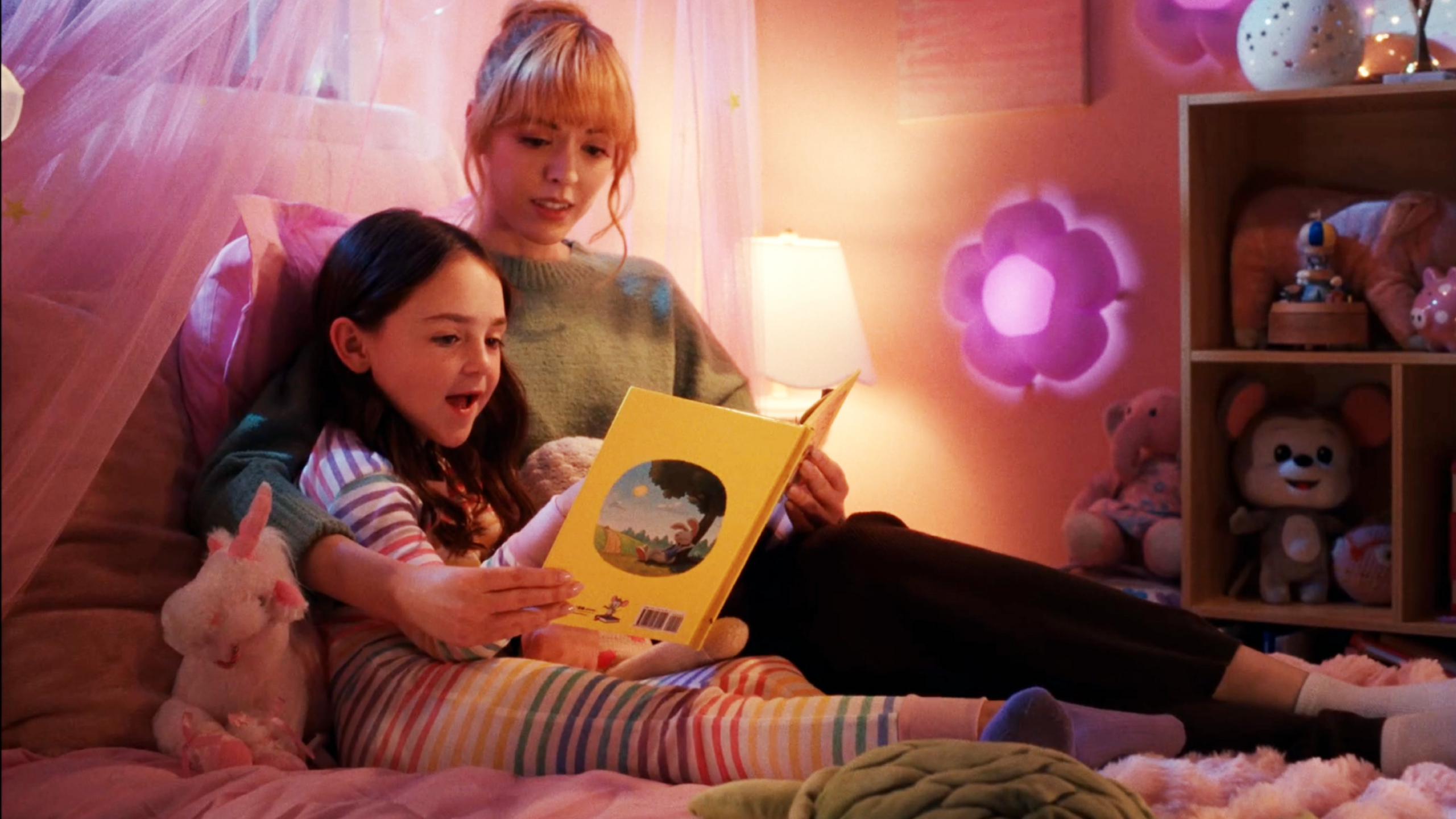
Experts agree: Reading aloud to your child is one of the most important things you can do! Here’s why it matters, and how to do it well.
Why Is Reading Aloud to Children Important?
Reading aloud to children is important because it supports both language skills and cognitive development. The importance of reading to children is backed by research.

Studies show that reading aloud offers huge benefits, such as building a child’s vocabulary, improving their listening comprehension, and fostering an emotional connection. Regular read-aloud sessions enhance early literacy skills and lay the foundation for academic success across all subjects.
A program in Brazilian child care centers that encouraged parents to read aloud with their children showed benefits to parent-child interactions, along with improving children’s language and thinking skills.
Preschool children who are read to more often at home show stronger activity in brain areas that support imagination and understanding stories, according to a 2015 study.
A long-term study found that programs encouraging parents to read and play with their young children can improve kids’ social and emotional skills and reduce behavior problems.
“The single most important activity for building the knowledge required for eventual success in reading is reading aloud to children.”
The landmark U.S. report Becoming a Nation of Readers
What is reading aloud? Reading aloud to children means reading books or stories out loud to a child, modeling fluency and expression while building vocabulary, listening comprehension, background knowledge, and a love of reading. Research shows it is one of the most effective ways to support early literacy and brain development.
What Happens in a Child’s Brain During Read-Aloud Time?
Reading aloud isn’t just a way to entertain kids—it actually activates the brain areas responsible for language, memory, and comprehension, strengthening the neural connections essential for learning now and in the future. Here are some of the brain benefits of reading aloud with your child:
Activation of Language Centers
In 2015, researchers scanned the brains of children as they listened to stories being read aloud. These scans showed strong activity in the parts of the brain linked to language development and comprehension.
A 2025 study supported these results, stating: “Parental reading engages brain regions related to … language abilities and future reading skills in children even prior to reading age. Parental reading is important for the development of these brain regions.”
Neural Pathway Strengthening
When parents regularly read and talk about books with their children, they repeatedly activate and strengthen the brain networks that support language and learning.
A 2017 study found that reading aloud supports language development, executive function, and social-emotional processing in preschool-age children.
Comprehension vs. Decoding
Reading is about more than decoding (sounding out) words—kids must also understand what they’re reading (known as reading comprehension). Children understand complex language long before they can read it.
Reading aloud to children helps them practice listening comprehension, building the vocabulary, knowledge, and understanding of stories they’ll need for later independent reading success.
Cognitive Flexibility and Imagination
When kids listen to stories read aloud, they use their imagination to picture the characters and settings, predicting what might happen next and connecting the story to their own personal experiences.
This helps them develop cognitive flexibility—the ability to look at ideas from different perspectives and adjust their thinking when learning new information. Research shows that children with stronger cognitive flexibility also have stronger reading comprehension skills.

Benefits of Reading Aloud to Children
Ultimately, reading aloud may be the simplest and most important thing you can do to support your young child’s development. Research consistently shows that children who experience regular shared reading sessions gain important advantages in language, literacy, and emotional development. Take a look at this impressive list of the benefits of reading aloud, and learn more about each one below.
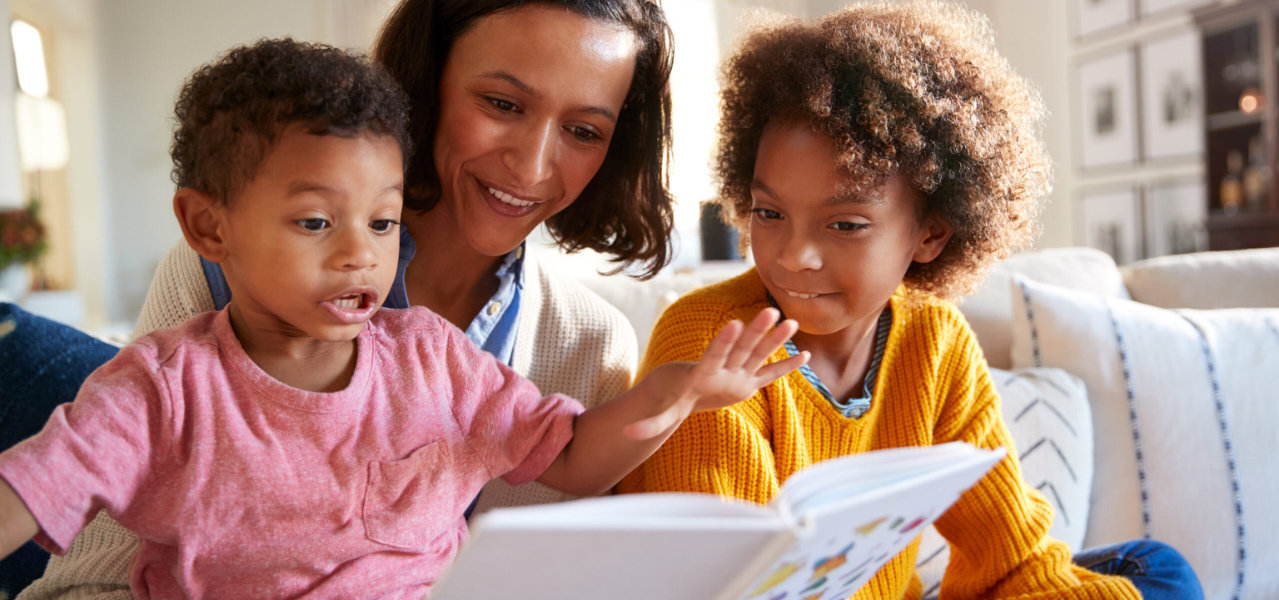
11 Key benefits of reading aloud to children include:
1- Expands Vocabulary
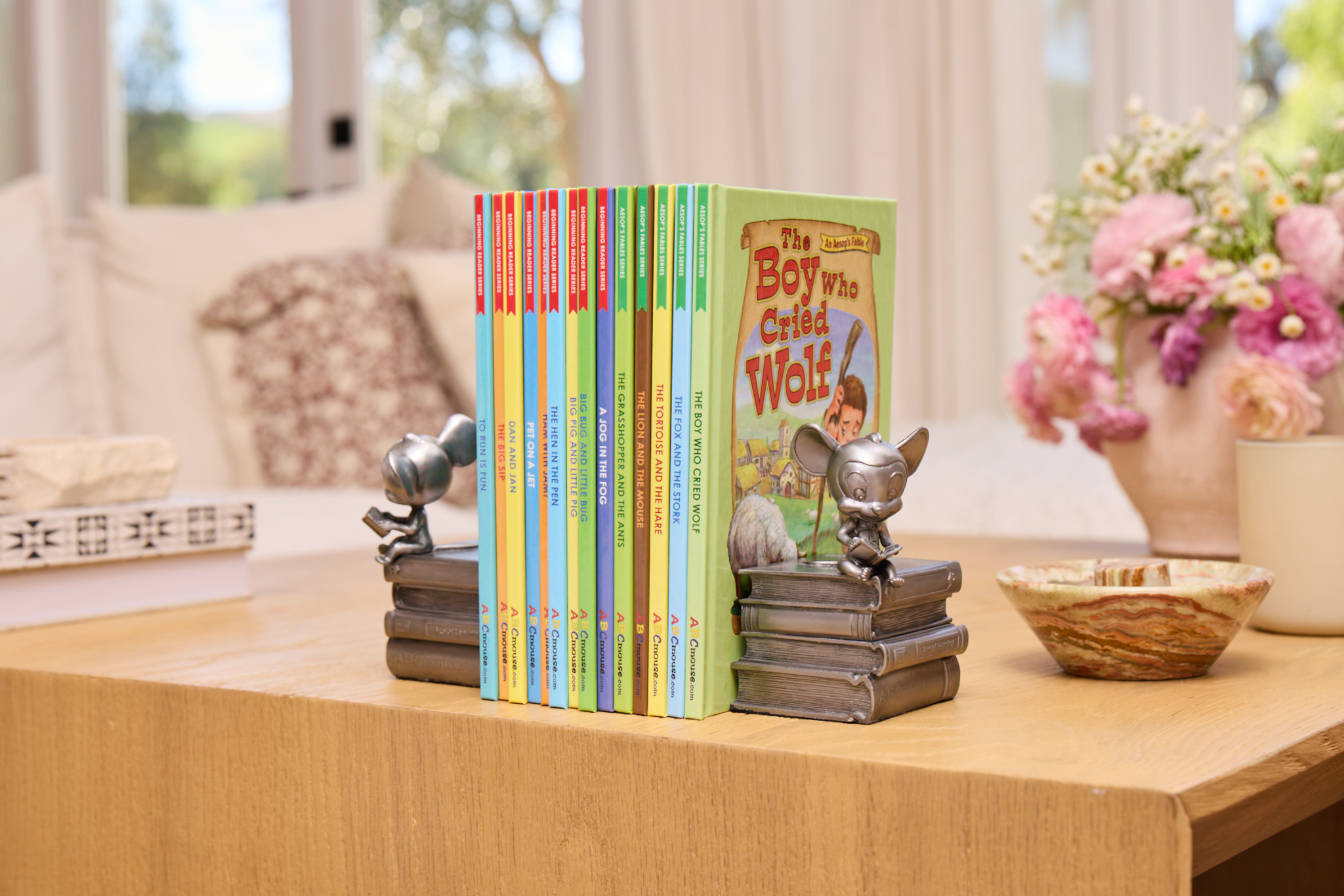
Books (both fiction and non-fiction) use language that kids might not be exposed to in their everyday life.
Take a look through the pages of some of your child’s favorite picture books, and you’ll likely find words you’re unlikely to use personally on a regular basis. When you read aloud to your child, you help them discover and define new words to enrich their vocabulary.
2- Improves Listening Skills
Listening to stories helps young children improve their understanding of spoken language, known as listening comprehension. It’s easier for children to understand complex words and ideas when they hear them spoken, rather than encountering them for the first time while learning to read. Research shows that listening comprehension plays an important role in later independent reading success, ensuring children comprehend what they’re reading instead of just sounding out words.
3- Builds Background Knowledge
Reading aloud introduces your child to new ideas, places, and words, building their background knowledge: the information and experiences they have about the world. Background knowledge is key for later independent reading comprehension.
“The more you can read
The more things you will know.”
Dr. Seuss
4- Supports Emotional Development and Empathy
In a study of 38 children ages 6–8, researchers found that a nightly bedtime reading routine over two weeks was associated with improvements in empathy and creativity. Children who paused to discuss characters’ feelings and possible actions showed greater gains in creative fluency (the ability to generate ideas) than those who read straight through.
Reading aloud gives parents and kids the chance to talk about what they’re reading, helping kids develop their social-emotional skills and enabling them to find the words to express how they feel.

5- Improves Attention Span
To understand a story, you must pay attention to the details and follow along with the plot. Reading aloud to your child helps them build these key skills, strengthening and increasing their attention span over time.
6- Boosts Early Literacy Skills
Reading aloud from a very young age builds the pre-reading skills kids need, including:
- print awareness
- phonological awareness (the ability to recognize and work with the sounds of spoken language, including syllables, rhyme, and individual sounds)
- phonemic awareness (the understanding that words are made up of individual sounds)
Listening to stories also develops sequencing and narrative skills: the ability to understand, tell, and retell stories.
7- Helps Develop Reading Fluency and Comprehension
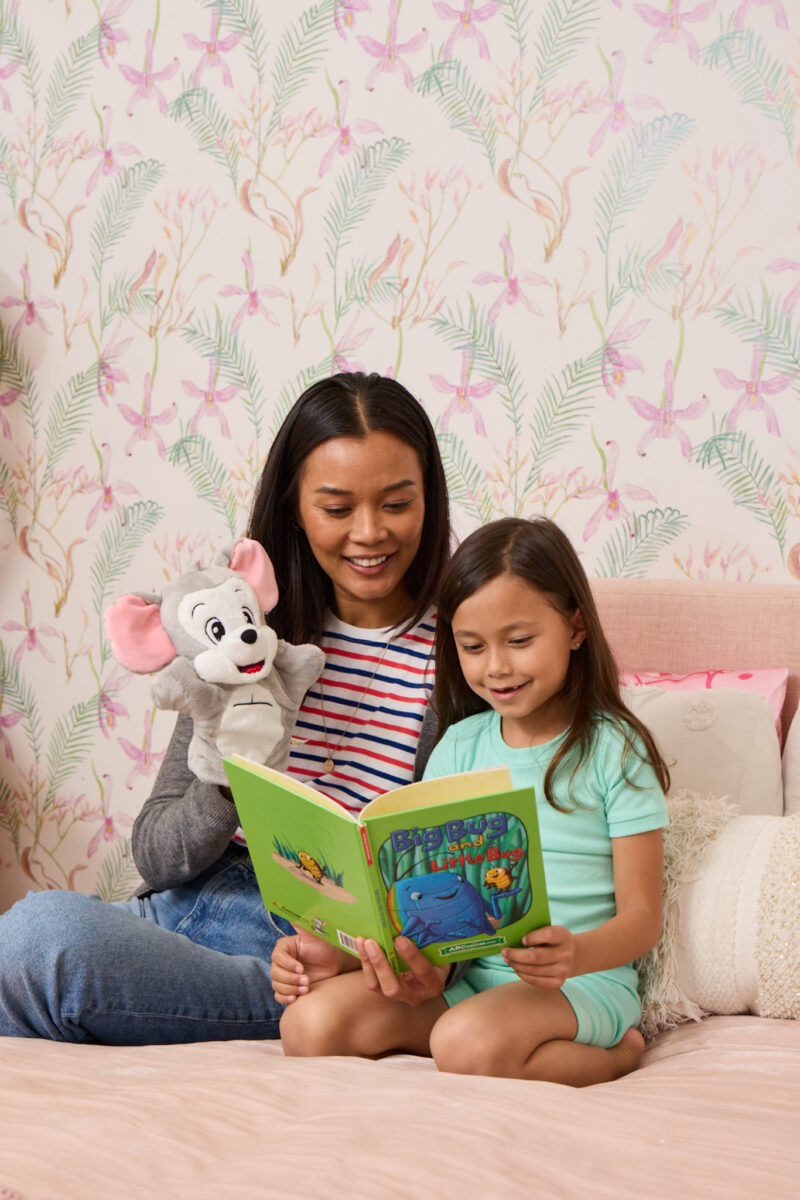
According to the Science of Reading, reading fluency and comprehension are just as critical as vocabulary and phonics. In other words, kids need to be able to do more than just sound out words—they need to understand the text and make personal connections as they read. They also need to learn proper pacing and expression, all of which adults can model and support through read-alouds.
8- Increases School Readiness
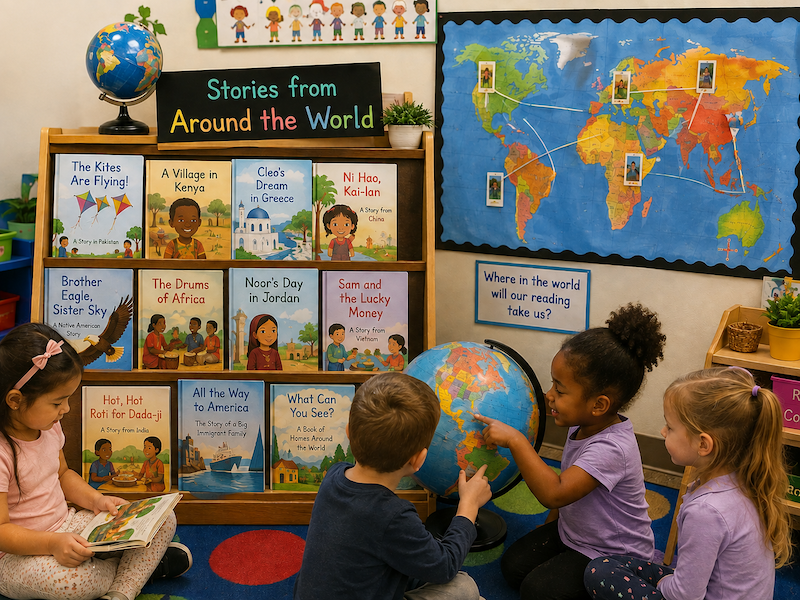
When you read aloud to your child, you help them start school ready to listen, understand, and engage. As we’ve seen, reading builds early literacy skills, background knowledge, listening skills, vocabulary, attention span, and social-emotional skills. All of these help prepare children for success as they begin their formal school years.
9- Strengthens Parent-Child Bond
Over and over again, researchers have found that reading aloud to your child helps you build positive emotional connections with them.
10- Reduces Stress and Anxiety
Listening to a story read aloud is a calming, mindful activity for kids. When you make it part of a predictable routine (such as bedtime storytime), you build a sense of security and comfort. What’s more, reading aloud may even help to reduce the stress you experience as a parent!

11- Encourages a Lifelong Love of Reading
Research shows that when parents and children share regular enjoyable read-aloud time, those kids are more likely to enjoy reading for pleasure later in life. Help your child develop a positive view of books and reading, and you’ll turn them into lifelong readers!

Read-Aloud Strategies and Tips for Parents and Teachers
Reading aloud is about more than just the words on the page. It’s a shared experience that brings stories to life for kids, helping them learn and grow in a variety of ways. Here’s how to read aloud to kids so they really reap the benefits.
➙ Use Appropriate Pacing
Read at a comfortable speed—slowly enough so kids can follow along, but not so slowly that they stop paying attention.
Examples: Slow down for dramatic parts or when new information is introduced. Pause to let kids laugh or comment as you read.
➙ Incorporate Expression and Voice Variation
“Do the funny voices!” Kids love it when adults put expression and emotion into their read aloud stories. Read in a conversational tone, changing your pitch or volume to bring characters to life and keep children engaged.
Examples: Take cues from the text—whisper when a character whispers, speak more loudly when they shout. Try to make each character sound different if you can.
➙ Make It an Interactive Experience
Sometimes, your read aloud goal might be to lull your child into a sense of calm (or even sleep). But for other read aloud sessions, make things interactive.
Examples: Let your child turn the pages, and ask them to point to pictures or words they recognize. Incorporate fun gestures or actions you both perform as you read. If you’re reading a favorite story, pause so they can fill in what comes next.
➙ Ask Open-Ended Questions
Encourage reading comprehension and critical thinking by asking questions about the story as you read.
Examples: “Why do you think the elephant was sad?” or “What other ways could they have tried to reach the balloon?”
➙ Encourage Predictions
Reading a new story? Ask kids to think about what might happen next. This builds their storytelling and imagination skills, teaching them to think ahead and consider multiple points of view.
Examples: “What do you think the chicken will do when she finds her eggs are gone?” or “If you were the mouse, what would you do next?”
➙ Explain New Words Naturally
Weave definitions naturally into your reading rather than making a formal stop to explain each new word. Another option: pause and ask your child what they think the word means rather than automatically defining it for them. Avoid skipping new words or simplifying them; they’re important for developing vocabulary.
Examples: “The goat was furious at the farmer.” You could say, “The goat was furious—which means really, really mad—at the farmer.” Or, you could stop and ask, “What do you think furious means?”
➙ Connect the Story to Real Life
Making personal connections to a story builds empathy and engagement. Stop as you read to point out these connections, or ask your child how they relate to the story.
Examples: “This is just like that time you thought you lost your toy cars at the park!” or “Have you ever seen a starfish? Where did you see it?”
➙ Model Thinking and Reflection
Teach your child to stop and think about what they hear by modeling this thinking out loud. Ponder why a character did what they did, express surprise or disappointment at a plot twist, or talk about how you’d solve a problem.
Examples: “Oh, wow, I can’t believe the farmer did that to the goat! That would make me so mad!” or “I wonder why they didn’t ask the kangaroo for help?”
➙ Leave Time for Questions and Discussion
Throughout your read-aloud session, let your child ask questions or share their thoughts. It’s okay if they interrupt you, as long as their interruptions are related to the story. You can also ask follow-up questions to set up these discussions.
Examples: “You’re right! That does look just like Grandpa’s dog!” or “Have you ever felt like the moose did after he ran away?”
➙ Reread Old Favorites
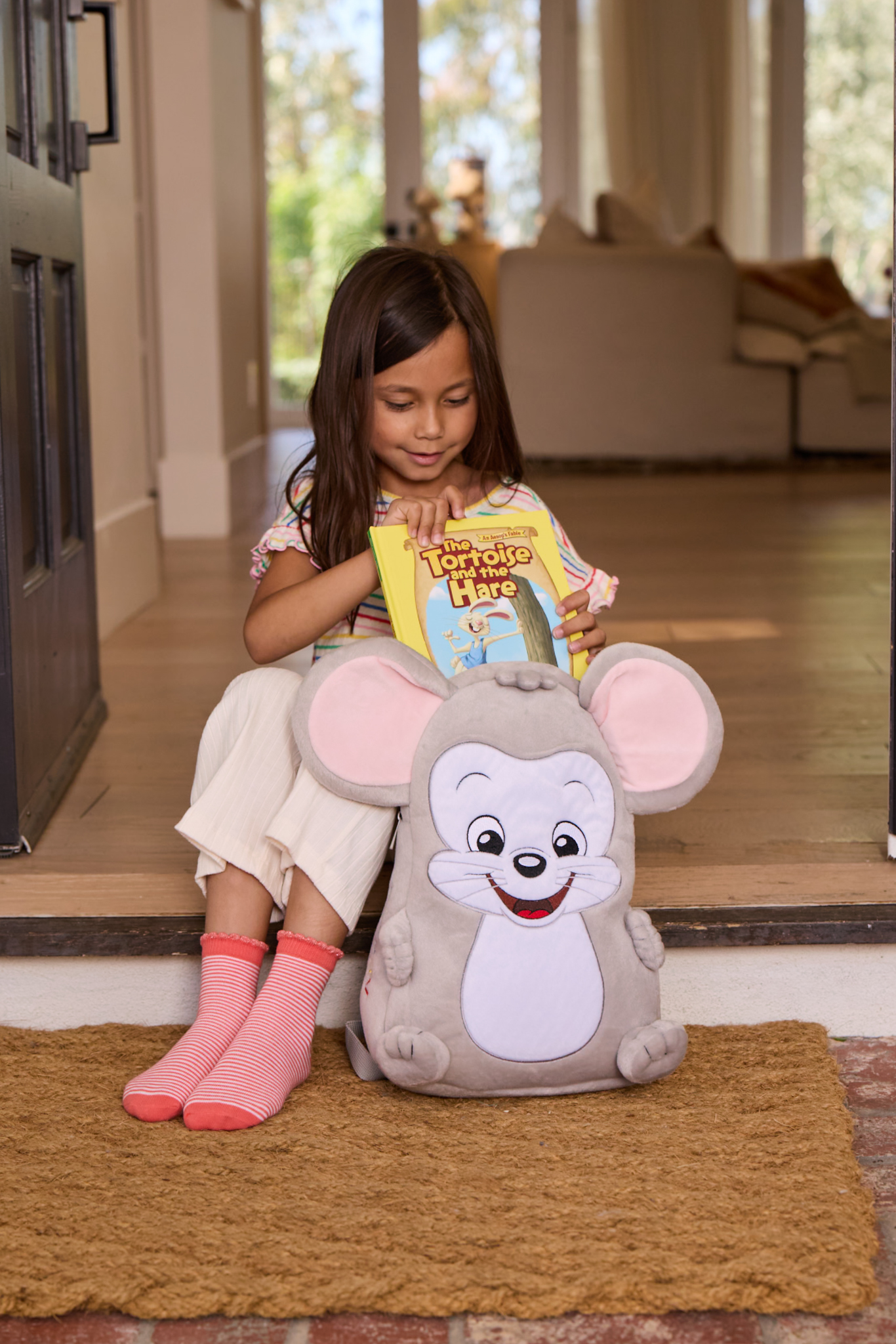
Parents definitely get tired of reading the same books over and over again, but it’s actually really beneficial for kids. Repetition builds comprehension, memory, and confidence. Build these skills by asking your child to help “read” the story by saying what comes next or telling the story themselves using the pictures as cues.
Examples: “Of course we can read that one again! Will you help me as we read?” or “And then the pig said … [pause to let your child fill in the blank].”
➙ Read Aloud at Every Age
Start reading aloud from day one: even newborns benefit from hearing language, rhythms, and intonation. But storytime isn’t only for little kids! A bedtime reading ritual can last all the way through middle school or beyond. Try starting a family book club with older kids, where you all take turns reading aloud from a book and discussing it together.
Examples: Read out loud to babies from board books, helping them follow along. Read a longer book one chapter at a time with older kids at bedtime.
➙ Read Alouds with ABCmouse
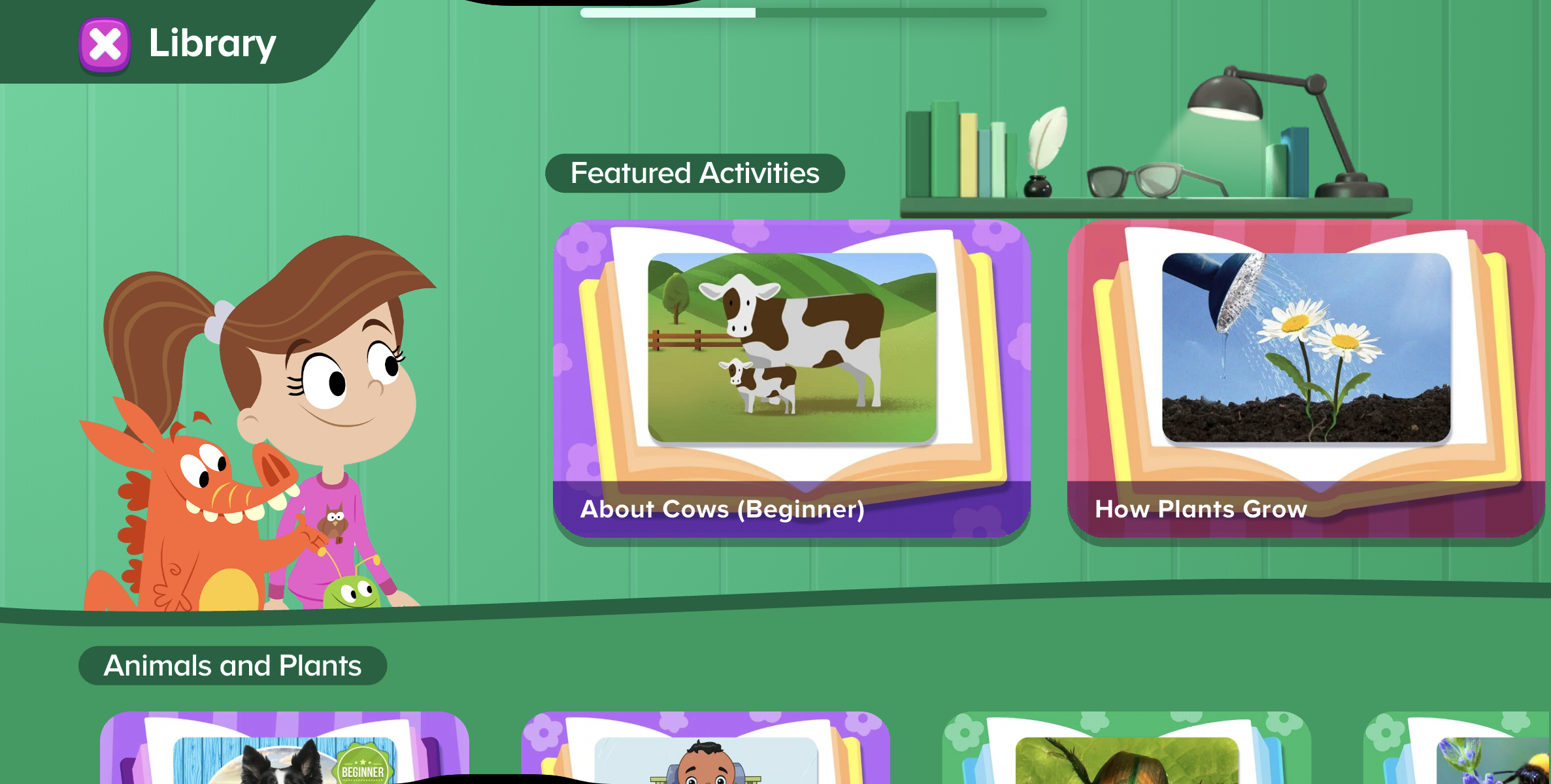
It’s important to prioritize reading aloud personally to your child, but online read aloud videos and books have benefits too. The ABCmouse digital library of read-aloud and read-with-me books models good fluency, pacing, and expression for kids. These books are a great way to entertain your child when you’re not available to read to them yourself, and they expose kids to a big selection of stories you may not have on your shelves at home. Subscribe to ABCmouse today to access the full library and unlock online read-aloud magic for your child!

Reading Aloud to Children FAQ
Why is reading aloud important for children?
Reading aloud strengthens vocabulary, listening comprehension, and brain development while fostering emotional bonding. It builds foundational literacy skills that support long-term academic success and helps children develop empathy and critical thinking abilities.
Is reading aloud good for brain development?
Yes! Research shows a connection between reading aloud and brain development. Reading aloud activates the areas of the brain responsible for language processing, memory, attention, and comprehension. Regular read-aloud sessions strengthen the neural connections that support cognitive growth and learning readiness.
Does reading aloud improve vocabulary?
Yes. Research shows that books often contain language that kids are unlikely to hear in everyday life and conversation. By listening to read-aloud stories at home or in the classroom, kids deepen their vocabulary base naturally in an entertaining way.
How long should I read aloud to my child each day?
Experts recommend reading to your child every day for at least 15 minutes each day. For infants and toddlers, reading sessions can be short—5–10 minutes at a time, several times a day. As children reach preschool and early elementary age, aim for 15 to 20 minutes or more if your schedule allows. Consistent daily interactive reading, even in short sessions, significantly improves vocabulary development and literacy skills.
At what age should I stop reading aloud to my child?
You don’t need to stop reading aloud at any age! Even older children enjoy hearing a story read aloud chapter by chapter. You can continue reading aloud throughout the middle and even high school years—try taking turns with your child as they get older, and tackle more challenging books together.
When to Start Reading to Your Baby?
Parents can start reading to their babies from birth and even during pregnancy, when babies begin to hear sounds around 18–20 weeks. While newborns don’t understand words yet, they benefit from the rhythm, tone, and repetition of language, which supports early brain development and strengthens bonding. As babies grow, they begin to engage more with pictures, sounds, and familiar stories, making reading an enjoyable and interactive experience. Even just a few minutes a day can help build a strong foundation for language, attention, and a lifelong love of books.
Is reading aloud different from helping a child read?
Yes. Reading aloud builds listening comprehension skills and vocabulary, while helping a child read involves decoding (sounding out) words through phonics instruction. Both offer many benefits for kids. Another option is shared reading, where an adult models and guides the reading process, with active participation from students.
What types of books are best for reading aloud?
Use read-aloud time as a chance to expand your child’s vocabulary and exposure to new ideas and concepts. Choose books slightly above their independent reading level, and include a wide variety of genres: fiction, nonfiction, poetry, graphic novels, and more. For help finding new books, check out the ABCmouse recommended reading lists.
Legal disclaimer: Any information, materials, or links to third-party resources are provided for informational purposes only. We are not affiliated with and do not sponsor/endorse these third parties and bear no responsibility for the accuracy of content on any external site. All information provided in this article is current as of October 2026.