The ABCmouse Science Curriculum
Designed for Toddlers through 2nd Grade Learners
The ABCmouse Science Curriculum encourages scientific discovery with age-appropriate lessons and activities that nurture children’s natural curiosity. Young learners begin by observing the world around them before exploring topics such as plants, animals, weather, seasons, matter, forces, space, scientific inquiry, and more. Families can follow the curriculum in sequence or choose activities that match their child’s interests and learning level.
What Your Child Can Learn with the ABCmouse Science Curriculum
⭐ Explore plants, animals, habitats,
and ecosystems
⭐ Discover weather, seasons, and
Earth and space science
⭐ Learn about matter, force and motion,
magnets, and gravity
⭐ Explore the Earth, Moon, Sun, stars,
and our solar system

⭐ Develop observation, questioning,
comparison, and problem-solving skills
⭐ Build scientific vocabulary through books,
games, songs, and videos
⭐ Explore inventors, inventions, and
simple STEM challenges
⭐ And so much more!
Why Parents Choose the ABCmouse Science Curriculum
❤️ Structured early learning science curriculum created by experienced educators
❤️ Introduces life science, Earth and space science, physical science, and STEM concepts
❤️ Supports homeschool families, after-school learning, and classroom reinforcement
❤️ Makes science engaging through games, books, videos, songs, and activities
❤️ Encourages curiosity, exploration, and critical thinking
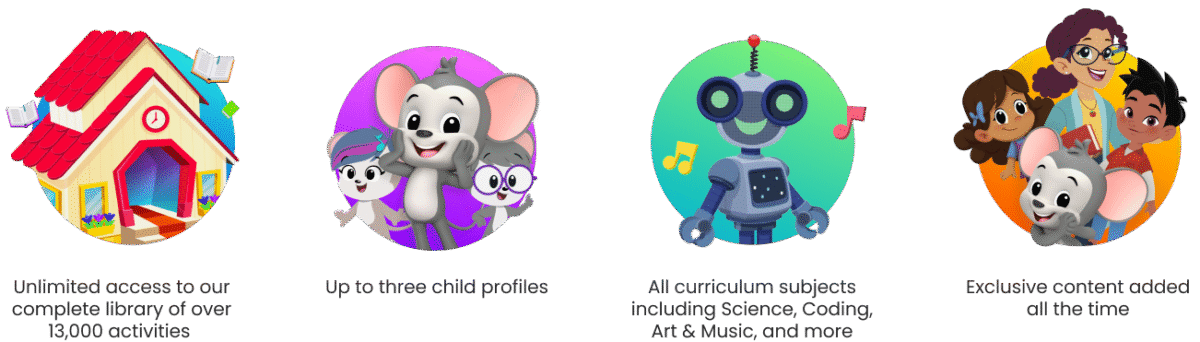
❤️ Includes more than 13,000 educational activities across reading, math, science, social studies, art, coding, and music
❤️ Research-backed curriculum trusted by millions of families
How ABCmouse Makes Science Fun
ABCmouse introduces science through engaging learning experiences that encourage children to observe, ask questions, explore new ideas, and connect science to the world around them.
Learn
Children discover new science concepts through guided lessons, educational books, songs, videos, and age-appropriate instruction.
Practice
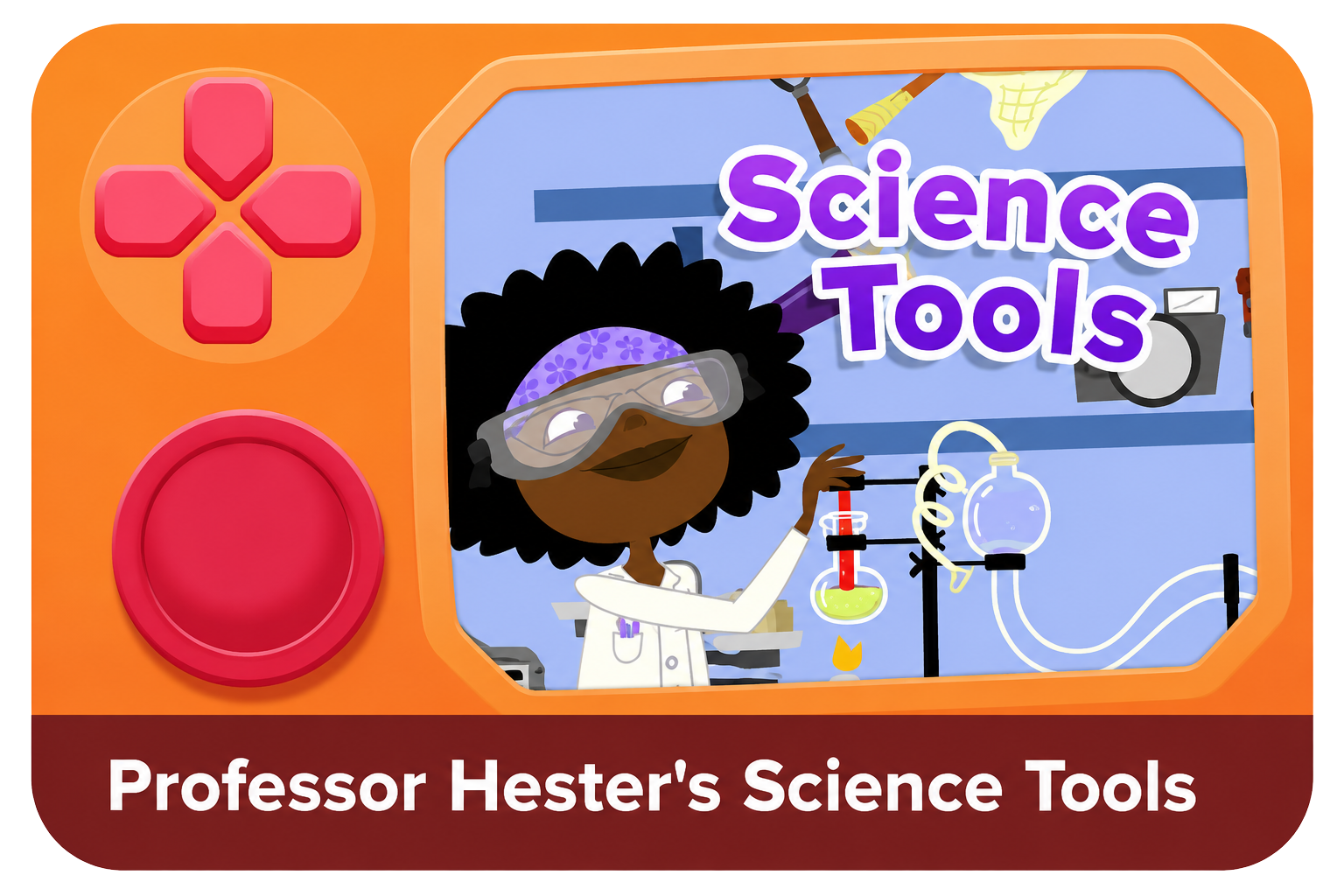
Interactive games, STEM activities, puzzles, and creative learning experiences reinforce science concepts through engaging practice.
Apply
Children apply what they’ve learned to build their understanding around animals, plants, weather, space, healthy habits, and physical science.
Reinforce
Repeated exposure across multiple learning formats helps strengthen scientific understanding while encouraging curiosity and confidence.
How ABCmouse Makes Science Fun
ABCmouse introduces science through engaging learning experiences that encourage children to observe, ask questions, explore new ideas, and connect science to the world around them.
Learn
Children discover new science concepts through guided lessons, educational books, songs, videos, and age-appropriate instruction.
Practice
Interactive games, STEM activities, puzzles, and creative learning experiences reinforce science concepts through engaging practice.
Apply
Children apply what they’ve learned to build their understanding around animals, plants, weather, space, healthy habits, and physical science.
Reinforce
Repeated exposure across multiple learning formats helps strengthen scientific understanding while encouraging curiosity and confidence.
Science Curriculum by Topic
ABCmouse introduces science concepts gradually, allowing children to build knowledge and understanding through captivating lessons, games, books, videos, and activities.
Life Science
Children explore
⭐ Animals
⭐ Plants
⭐ Habitats
⭐ Ecosystems
⭐ Adaptations
⭐ Life cycles
⭐ Human body
⭐ Healthy habits
Life Science Skills Your Child Can Learn
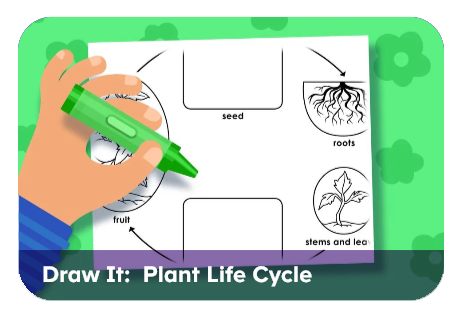
Children explore living things and discover how plants, animals, and people grow and interact with their environments.
Examples Include:
| ✅ Identify plant and animal groups |
| ✅ Explore habitats and ecosystems |
| ✅ Learn about life cycles |
| ✅ Learn about the human body and healthy habits |
Earth & Space Science
Children study
⭐ Weather
⭐ Seasons
⭐ Day and night
⭐ Earth, Moon, and Sun
⭐ Solar system
⭐ Stars
Earth & Space Science Skills Your Child Can Learn
Children discover Earth, weather, seasons, and space while learning about our planet and its place in the universe.
Examples Include:
| ✅ Describe weather patterns |
| ✅ Explain seasonal changes |
| ✅ Identify planets and stars |
| ✅ Understand day and night |
Physical Science
Children learn about
⭐ Matter
⭐ States of matter
⭐ Force and motion
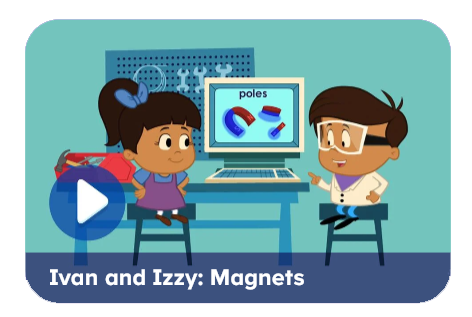
⭐ Magnets
⭐ Gravity
⭐ Observation
⭐ Scientific inquiry
Physical Science Skills Your Child Can Learn
Children explore how objects move, interact, and change through engaging science activities.
Examples Include:
| ✅ Compare solids and liquids |
| ✅ Explore force and motion |
| ✅ Investigate magnets |
| ✅ Observe how different materials behave |
Engineering & STEM
Children build knowledge and skills around
⭐ STEM challenges
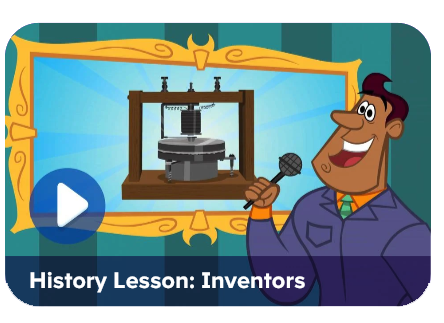
⭐ Inventors
⭐ Inventions
⭐ Problem solving
⭐ Creativity
⭐ Critical thinking
STEM Skills Your Child Can Learn
Children strengthen problem-solving skills through age-appropriate STEM activities inspired by inventors and inventions.
Examples include:
| ✅ Solve age-appropriate design challenges |
| ✅ Explore inventors and inventions |
| ✅ Test and improve simple ideas |
| ✅ Strengthen logical thinking |
Scientific Thinking
Children practice with
⭐ Observation
⭐ Asking questions
⭐ Comparing
⭐ Predicting
⭐ Curiosity
⭐ Exploration
Scientific Thinking Skills Your Child Can Learn
Children learn how scientists observe, ask questions, compare, and explore the world around them.
Examples Include:
| ✅ Solve multi-step problems |
| ✅ Choose efficient strategies |
| ✅ Compare objects |
| ✅ Make predictions |
What’s Included in the ABCmouse Science Curriculum
Your ABCmouse subscription includes a complete early learning science curriculum designed to introduce children to life science, Earth and space science, physical science, engineering, and STEM concepts through engaging, age-appropriate activities. It also includes more than 13,000 educational activities spanning reading, math, science, social studies, art, coding, and music.
ABCmouse is a Comprehensive Curriculum

While this page focuses on our online science curriculum, your ABCmouse subscription also includes complete learning programs across reading, math, social studies, art, coding, and music, with more than 13,000 educational activities for children ages 2–8.
ABCmouse is a Comprehensive Curriculum
While this page focuses on our online science curriculum, your ABCmouse subscription also includes complete learning programs across reading, math, social studies, art, coding, and music, with more than 13,000 educational activities for children ages 2–8.
Frequently Asked Questions
Is ABCmouse a science curriculum?
Yes. ABCmouse includes a structured science curriculum designed for children ages 2–8. As part of your subscription, children explore life science, Earth and space science, physical science, engineering, and STEM concepts through interactive games, books, videos, songs, puzzles, printables, and guided lessons.
Can ABCmouse be used as a homeschool science curriculum?
Yes. Families can use ABCmouse as part of their homeschool routine. The science curriculum can be explored in sequence or by selecting activities that match your child’s interests, age, or current skill level, making it flexible for both full-time homeschool programs and supplemental learning.
What science topics does ABCmouse teach?
ABCmouse introduces a wide range of early elementary science topics, including:
- Animals and plants
- Habitats and ecosystems
- Weather and seasons
- Earth, Moon, Sun, and the solar system
- Matter, magnets, gravity, and force and motion
- Human body and healthy habits
- Engineering, inventors, and STEM activities
The curriculum becomes progressively more advanced as children grow.
What ages is the ABCmouse Science Curriculum designed for?
The ABCmouse Science Curriculum is designed for children ages 2–8, covering toddler, preschool, pre-K, kindergarten, first grade, and second grade science concepts.
Is ABCmouse aligned with elementary science standards?
ABCmouse was created by education experts to introduce many of the science concepts commonly taught in early elementary classrooms, including life science, Earth and space science, physical science, and engineering. Lessons are organized in a logical progression that supports children’s developing understanding of scientific concepts.
Can ABCmouse replace a homeschool science curriculum?
ABCmouse provides a complete early learning science curriculum for children ages 2–8 and can serve as a primary science resource for many families. Others choose to use it alongside hands-on experiments, nature studies, library books, or additional homeschool materials to create a broader science experience.
Does ABCmouse include STEM activities?
Yes. ABCmouse introduces STEM concepts through age-appropriate activities that encourage observation, experimentation, creative thinking, and problem solving. Children explore engineering ideas, inventors, inventions, and simple design challenges while strengthening critical thinking skills.
Does ABCmouse teach kindergarten through 2nd grade science?
Yes. ABCmouse includes science content for kindergarten, first grade, and second grade learners, and even toddlers. As children advance, they explore more complex topics such as ecosystems, climate, the solar system, matter, force and motion, engineering, and scientific inquiry while continuing to build observation and reasoning skills.
ABCmouse Premium
- $14.99/month or $45/year
- Unlimited access to 13,000+ learning activities
- Personalized Learning Paths for up to three children
- Full Reading and Math Learning Paths unlocked
- Full access to Parent Tools
- Safe and 100% ad-free
ABCmouse Basic
- Free
- Limited access to a curated selection of up to 10 learning activities per day
- Only one child profile
- Safe and 100% ad-free

Tip: Premium subscribers can add on access to the ABCmouse Assessments Center (at an additional fee), which provides a clear view of your child’s reading and math progress through short assessments that highlight strengths, growth, and areas where additional support may be helpful.