The ABCmouse Preschool Math Curriculum
Early Math Learning for 3-Year-Olds
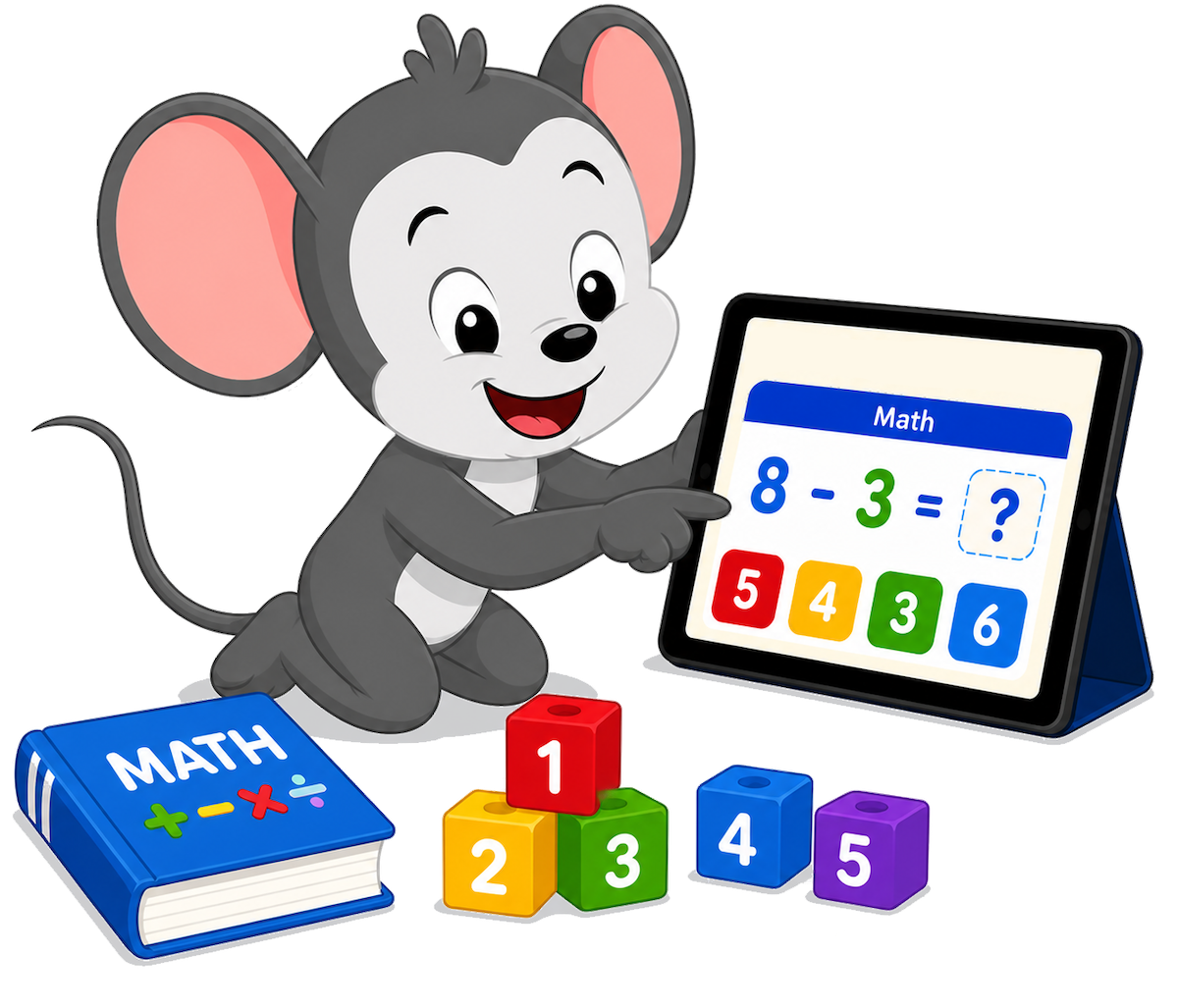
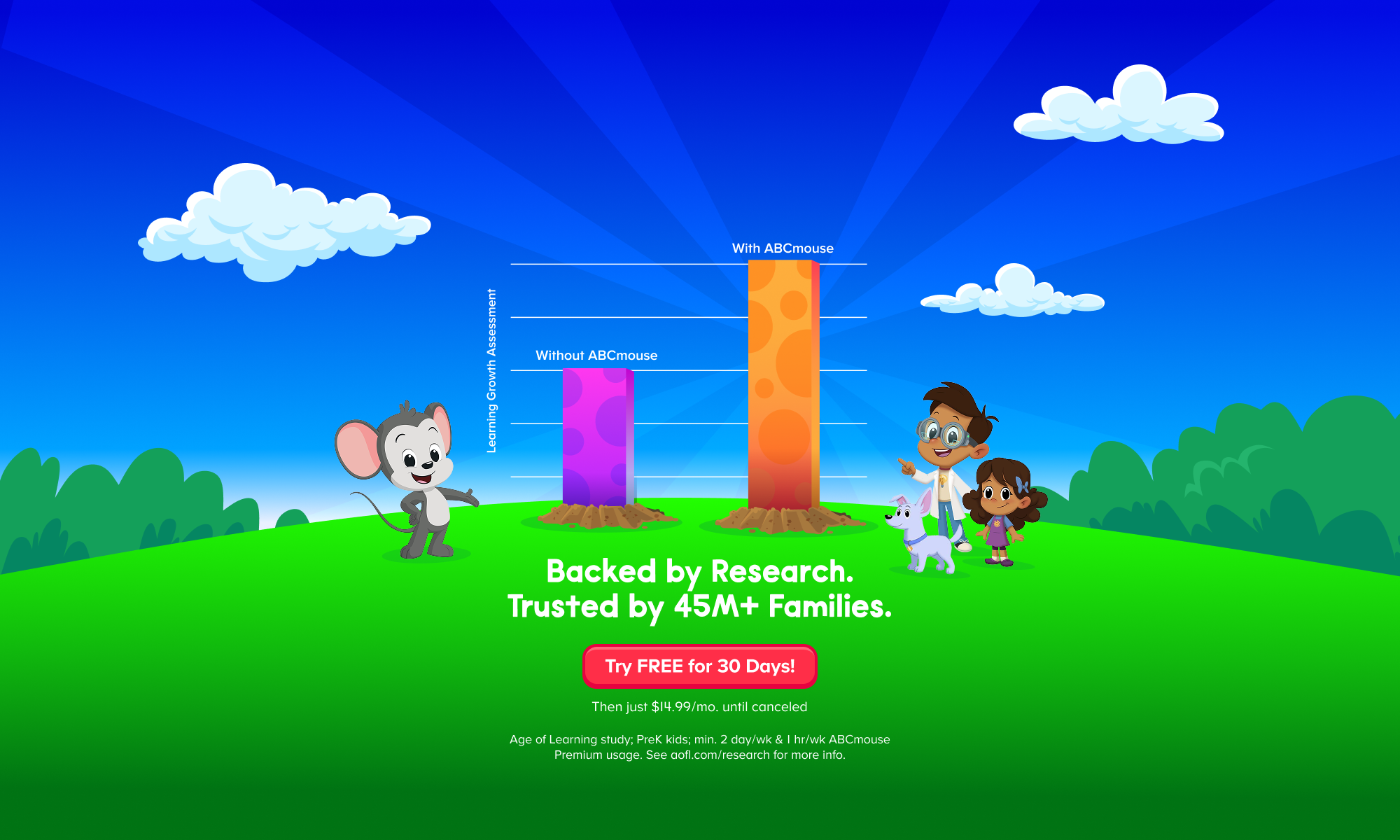
The ABCmouse Preschool Math Curriculum gives young children opportunities to explore important early math concepts at a pace designed specifically for them. Preschoolers begin by comparing quantities and recognizing numbers before progressing to counting, number relationships, shapes, and introductory addition. Interactive activities provide repeated practice while encouraging children to develop early problem-solving and mathematical thinking skills. Plus, research shows that children can double their gains in early math skills with ABCmouse.*
*Age of Learning study; PreK kids; min. 2 day/wk & 1 hr/wk usage. See aofl.com/research for more info.
What Your Preschooler Can Learn with the ABCmouse Math Curriculum
⭐ Recognize and name numbers 1–10
⭐ Count from 1 to 10
⭐ Compare groups using concepts
such as more and less
⭐ Develop early number sense


⭐ Explore beginning addition by adding
one more
⭐ Recognize basic 2D shapes,
including circles, squares, rectangles,
and triangles
⭐ Practice early math concepts through
games, songs, puzzles, and lessons
⭐ And so much more!
Why Parents Choose ABCmouse for Preschool Math
❤️ Preschool math curriculum created by education experts
❤️ Age-appropriate activities for young learners
❤️ Interactive practice with numbers, counting, quantities, shapes, and beginning addition
❤️ Customized learning experiences that allow children to progress at their own pace
❤️ Math games, books, songs, videos, puzzles, and other engaging activities
❤️ Supports homeschool and traditional preschool learning and provides extra practice at home.
❤️ Part of the complete ABCmouse curriculum for children ages 2–8
How ABCmouse Helps Preschoolers Learn Math
ABCmouse introduces preschool math through interactive experiences that give children multiple ways to explore and practice new concepts.
Learn
Preschoolers are introduced to early math concepts through guided lessons, videos, books, and songs.
Practice
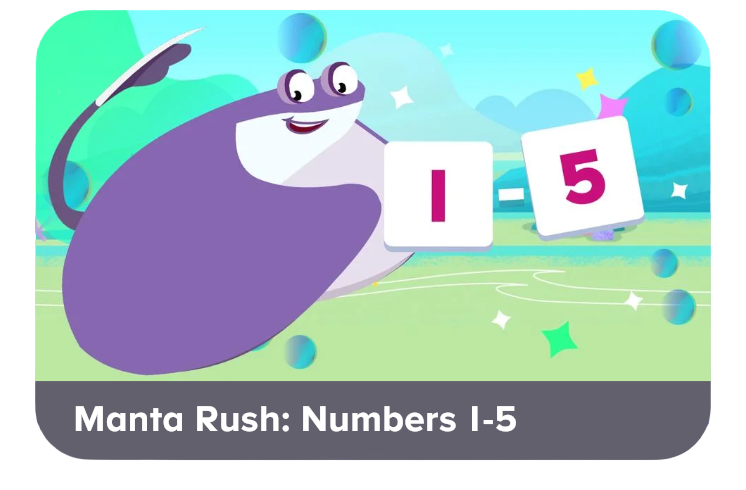
Engaging preschool math games, puzzles, and activities give children repeated opportunities to strengthen new skills.

Apply
Children use what they’ve learned to count objects, compare quantities, identify numbers and shapes, and work through simple math challenges.
Reinforce
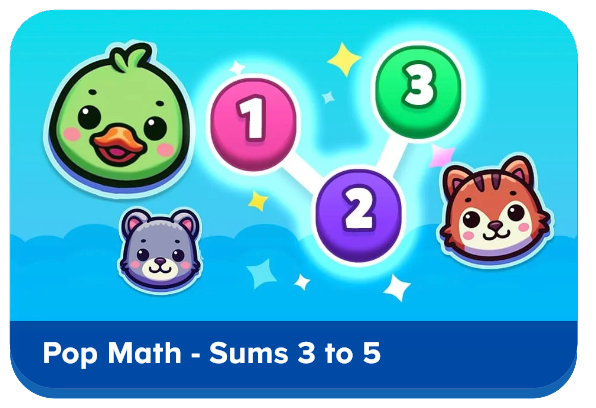
Math concepts appear across different types of activities, giving preschoolers continued practice as they develop their early math skills.
How ABCmouse Helps Children Learn Math
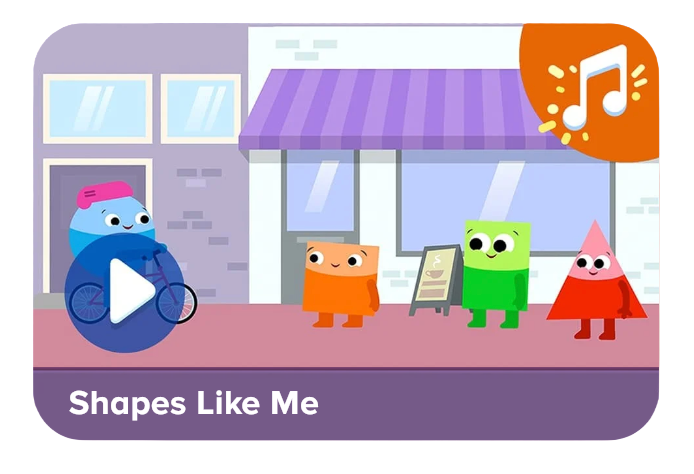
ABCmouse introduces preschool math through interactive experiences that give children multiple ways to explore and practice new concepts.
Learn
Preschoolers are introduced to early math concepts through guided lessons, videos, books, and songs.
Practice
Engaging preschool math games, puzzles, and activities give children repeated opportunities to strengthen new skills.
Apply
Children use what they’ve learned to count objects, compare quantities, identify numbers and shapes, and work through simple math challenges.
Reinforce
Math concepts appear across different types of activities, giving preschoolers continued practice as they develop their early math skills.
Boost Your Preschooler’s Math Skills
The ABCmouse Preschool Math Program focuses on early concepts that prepare children for increasingly advanced math learning.
Numbers and Number Sense
Preschoolers explore the relationship between numbers and quantities while learning to recognize and name numerals.
⭐ Name numerals from 1–10
⭐ Understand number sequence
⭐ Connect numbers with quantities
⭐ Compare groups using more and less
Skills Your Child Can Learn
| ✅ Identify numbers 1 to 10 |
| ✅ Match numbers to quantities |
| ✅ Identify which group has more or less |
| ✅ Add one more to a group |
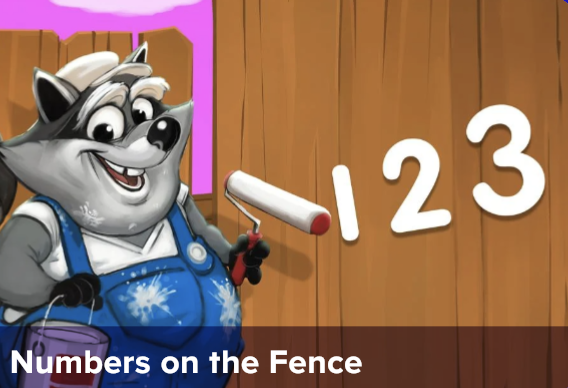
Counting
Interactive activities introduce counting and give preschoolers opportunities to practice counting objects accurately.
⭐ Develop one-to-one correspondence
⭐ Connect counting with quantities
Skills Your Child Can Learn
| ✅ Count from 1–10 |
| ✅ Count objects in a group |
| ✅ Count each object only once |
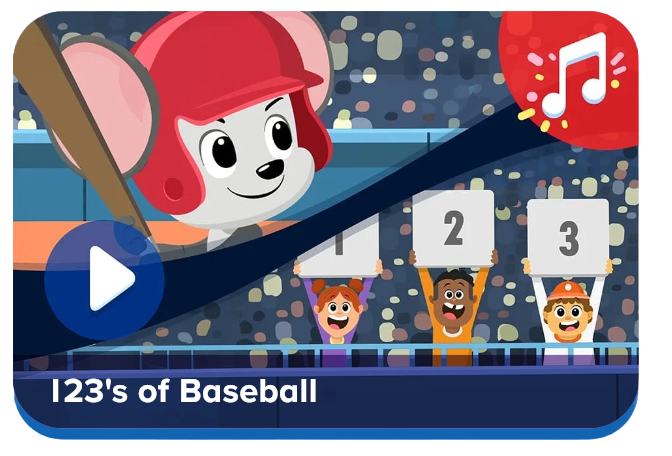
Beginning Addition
Preschoolers are introduced to the idea that quantities can change when another object is added to a group.
Skills Your Child Can Learn
| ✅ Explore the concept of adding “one more” |
| ✅ Develop an early understanding of addition |
| ✅ Recognize how adding changes a quantity |
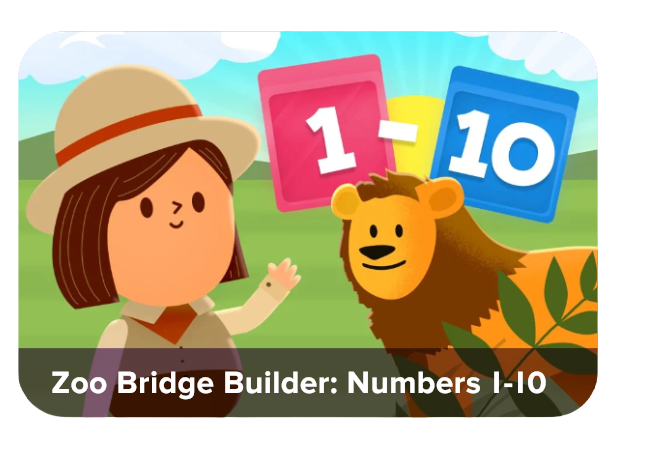
Shapes and Early Geometry
ABCmouse introduces preschoolers to common 2D shapes and encourages them to notice shapes in the world around them.
Skills Your Child Can Learn
| ✅ Recognize circles, squares, rectangles, and triangles |
| ✅ Compare and describe shapes |
| ✅ Find familiar shapes in everyday objects |

What’s Included in the ABCmouse Preschool Math Curriculum
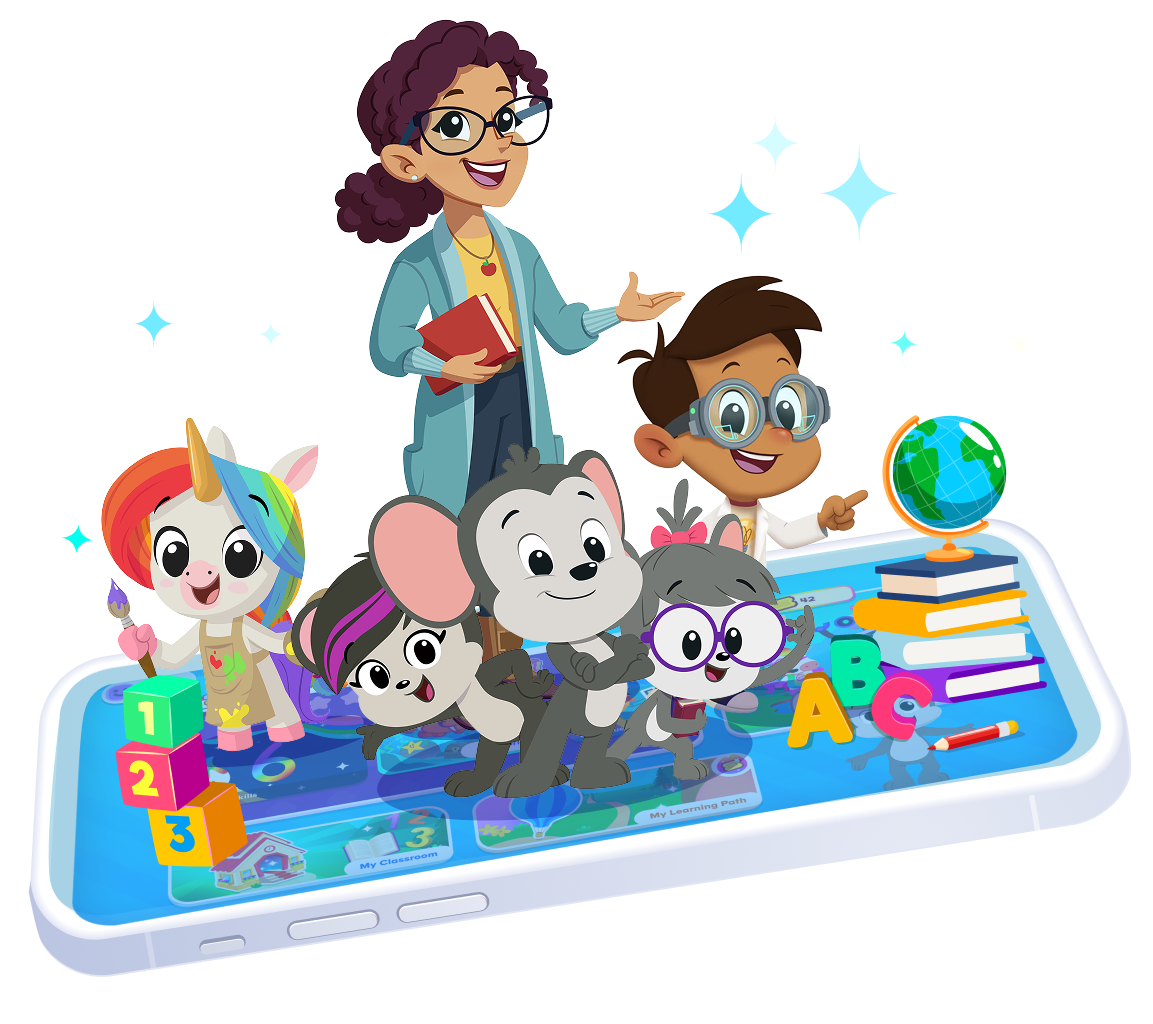
Your ABCmouse subscription includes preschool math learning experiences designed to build early skills with numbers, counting, quantities, shapes, and beginning addition. Children can explore these concepts through games, lessons, books, songs, videos, puzzles, and other interactive activities. Your subscription also includes access to more than 13,000 educational activities across reading, math, science, social studies, art, coding, and music.

ABCmouse is a Comprehensive Curriculum

While this page focuses on our online math curriculum, your ABCmouse subscription also gives your child access to complete learning programs across reading, science, social studies, art, coding, and music, with more than 13,000 educational activities for children ages 2–8.
ABCmouse is a Comprehensive Curriculum
While this page focuses on our online math curriculum, your ABCmouse subscription also gives your child access to complete learning programs across reading, science, social studies, art, coding, and music, with more than 13,000 educational activities for children ages 2–8.
Frequently Asked Questions
What math skills should preschoolers learn?
Preschoolers typically begin developing number sense by recognizing numbers, counting objects, comparing quantities, and exploring basic shapes. The ABCmouse Preschool Math Program introduces skills such as recognizing quantities from 1–5, naming numerals from 1–10, counting to 10, comparing more and less, and beginning addition.
What does the ABCmouse Preschool Math Program teach?
ABCmouse introduces preschoolers to numbers and quantities, counting, number recognition, beginning addition, and early geometry concepts. Children explore these skills through interactive lessons and activities designed for young learners.
How does ABCmouse teach math to preschoolers?
ABCmouse uses a variety of learning experiences, including interactive games, guided lessons, books, songs, videos, and puzzles. Preschoolers can encounter the same math concepts in different formats, providing repeated opportunities to practice new skills.
Does ABCmouse teach preschoolers addition?
Yes. The preschool curriculum introduces the beginning concept of addition through activities involving “one more,” helping children explore how a quantity changes when another item is added to a group.
Does ABCmouse teach shapes to preschoolers?
Yes. Preschoolers can explore basic 2D shapes such as circles, squares, rectangles, and triangles as part of the ABCmouse math curriculum.
Can I use ABCmouse for preschool math at home?
Yes. Families can use ABCmouse for preschool learning at home, including as part of a homeschool routine or for additional math practice outside of preschool.
Is ABCmouse only for preschoolers?
No. ABCmouse is designed for children ages 2–8, so children can continue using the program as they progress from preschool and Pre-K through kindergarten, first grade, and second grade.

ABCmouse Premium
- $14.99/month or $45/year
- Unlimited access to 13,000+ learning activities
- Personalized Learning Paths for up to three children
- Full Reading and Math Learning Paths unlocked
- Full access to Parent Tools
- Safe and 100% ad-free
ABCmouse Basic
- Free
- Limited access to a curated selection of up to 10 learning activities per day
- Only one child profile
- Safe and 100% ad-free

Tip: Premium subscribers can add on access to the ABCmouse Assessments Center (at an additional fee), which provides a clear view of your child’s reading and math progress through short assessments that highlight strengths, growth, and areas where additional support may be helpful.