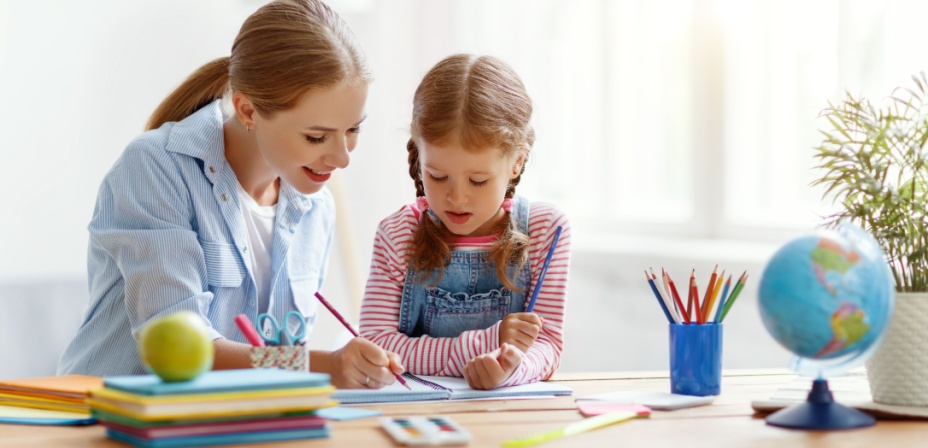
What Is Traditional Homeschooling?
Learn more about the”school-at-home” approach to home education and decide if it’s right for your homeschool.
As more people take an active approach to their child’s education, they may find themselves exploring the option of homeschooling. While there’s a variety of homeschooling styles to pick from, many first-time homeschoolers start with a traditional approach.
Traditional Homeschooling Overview
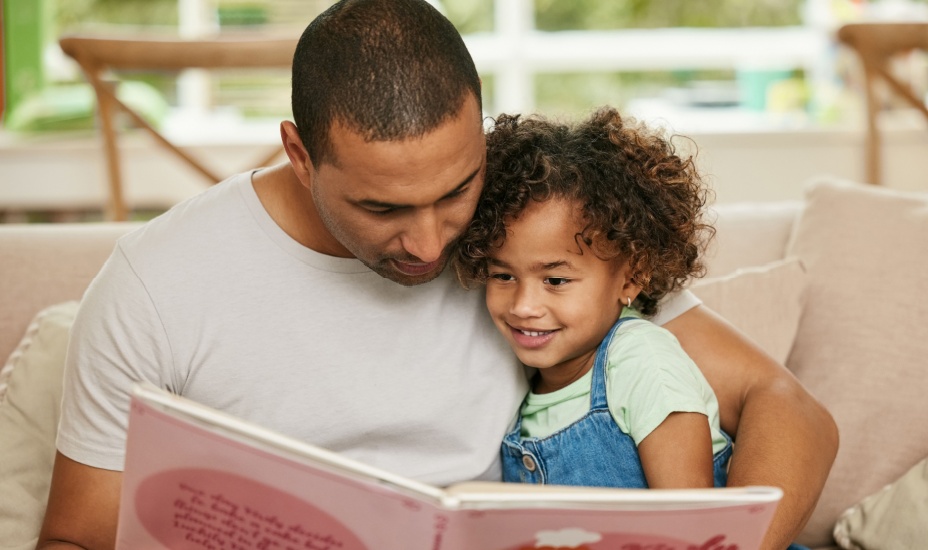
In a traditional homeschool setting, parents or guardians take on the role of primary educator. They focus on creating a learning environment that suits their child’s needs and learning style but is somewhat similar to public education in the structure and delivery of instruction. This approach to homeschooling is also known as “school-at-home.”
When you first think of homeschooling, you most likely envision the traditional homeschooling approach. Essentially, you’re providing the building blocks of a traditional school education from the comforts of your home.
A traditional homeschool approach typically involves a curriculum that follows a structured course of study, which home educators can tailor to their child’s needs, interests, and abilities. If you adopt a traditional homeschooling model, expect to utilize textbooks, workbooks, assessments, online curriculum, and other educational materials that are commonly found in classrooms.

Many families begin their homeschooling journey following a traditional approach because of its familiar, organized structure. Overtime, traditional homeschoolers may migrate into other methods as they build confidence in their ability to homeschool and develop a deeper understanding of what learning approach works best for them.
Is there a specific curriculum for traditional homeschooling?
No, parents and guardians can choose from many curriculum options and can even mix and match materials to create a customized approach that works best for their child. Traditional homeschoolers usually incorporate a variety of materials into their instruction including books, textbooks, educational toys, online coursework, and hard copy curriculum.
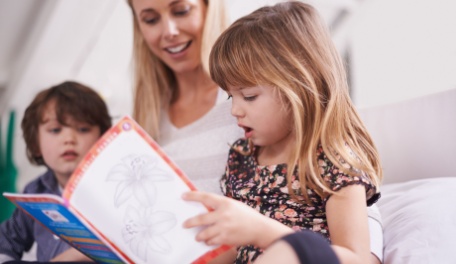
Is it possible to homeschool multiple children at once in a traditional homeschool?
Yes, it is possible to homeschool multiple children at once in a traditional homeschool, although it can require additional planning and organization. Home educators can often find ways to combine subjects or activities to teach multiple children at once or may opt to use a different curriculum for each child based on their individual needs.
Tip: We recommend researching homeschooling laws and regulations for your state and joining a homeschooling support group for guidance and resources.
How much time does traditional homeschooling require?
The amount of time home educators spend on homeschooling depends on state requirements, their child’s needs, and their goals for their homeschool. However, traditional homeschooling typically requires a significant time commitment from parents and guardians as they assume the role of primary educator.

How much does traditional homeschooling cost?
The cost to homeschool will vary from homeschool to homeschool. Expenses will depend on which curriculum you choose, what educational materials you purchase, and the activities you participate in. Another benefit of homeschooling is getting to choose how much you invest in different areas of your child’s education.
Tip: There are many homeschooling methods, and you’ll want to research (or even try) them to help find the best option for your family.
More from ABCmouse:
-

Back-to-School Checklist for Families (Free Printable)
Stay organized with back-to-school checklists, supply lists, and timelines to help your family feel ready for the first day of school.
-

Summer Reading List for Young Readers: Books by Age and Grade
Discover fun summer book lists for kids ages 2–8—perfect for reading at home, on trips, or at the beach!
-

Rhyming Schemes for Kids with Examples
Learn what a rhyme scheme is, see examples from poems and nursery rhymes, and discover fun activities to help kids recognize and practice rhyming patterns.
-

Why Rhyming is Important? (Tips for Teaching)
Discover why rhyming is key for early literacy and how it helps kids develop phonemic awareness. Get expert insights and fun activities to teach rhyming.
-
Rhyming Couplets – With Definitions and Examples
Discover rhyming couplets with fun examples, poetry styles, and engaging activities for kids. Explore famous poems and creative ways to learn rhyme!
-

Easy Ways to Teach Blending Words
Teach young readers to blend words with these fun strategies and activities! Discover phonics blending techniques, examples, and hands-on learning tips.