
Step Up For Students Florida Scholarships: Eligibility, Amounts & How to Apply
Learn how Florida’s Step Up For Students scholarships work, who qualifies, what they cover, and how to apply.
Table of Contents – Jump to Each Section
All About Florida Private School Scholarships (FTC and FES-EO)
All About Florida Personalized Education Program (PEP) Scholarship
All About the Family Empowerment Scholarship for Students with Unique Abilities (FES-UA)
How Do Families Use Step Up For Students Scholarship Funds?
Can You Use Step Up For Students Funds for Educational Apps and Online Learning?
When determining the best educational path for children, Florida families have several scholarship options that can help make different options more accessible, from private school and homeschooling to specialized services for children with unique needs.
Step Up For Students, a nonprofit Scholarship Funding Organization approved by the state of Florida, helps families access and manage several of these programs and use eligible funds for approved educational expenses.
If you’re considering a Florida Step Up scholarship for your child, understanding the different options can help you determine which program may fit your family. Here’s what parents and guardians need to know about Step Up For Students eligibility, scholarship amounts, covered expenses, applications, and using eligible funds for educational resources.
What Is Step Up For Students?
Step Up For Students is a nonprofit Scholarship Funding Organization (SFO) approved by the state of Florida to administer education-choice scholarship programs.
Rather than being one individual scholarship, Step Up For Students administers several programs that help eligible Florida families pay for private school or customize their child’s education with approved educational products and services. The eligibility requirements, scholarship amounts, and approved expenses differ by program.
Step Up For Students Scholarship Options
Private School Scholarships: Florida Tax Credit Scholarship (FTC) and Family Empowerment Scholarship for Educational Options (FES-EO)
Personalized Education Program (PEP) Scholarship
Family Empowerment Scholarship for Students with Unique Abilities (FES-UA)
Step Up For Students also administers a Transportation Stipend for qualifying families.
Florida Private School Scholarships (FTC and FES-EO)
Florida’s Private School Scholarships include the Florida Tax Credit Scholarship (FTC) and Family Empowerment Scholarship for Educational Options (FES-EO). These scholarships primarily help eligible families pay tuition and fees at participating private schools.
Who Is Eligible for a Florida Private School Scholarship?
Florida’s Private School Scholarships are available to eligible K–12 students regardless of household income.
- Students generally must be Florida residents and eligible to enroll in a Florida K–12 public school.
- Although household income does not generally determine whether a student can qualify, it does affect scholarship priority.
- Renewing Private School Scholarship students receive first priority, followed by students whose household income does not exceed 185% of the federal poverty level or who are in foster or out-of-home care.
- Students whose household income falls between 185% and 400% of the federal poverty level receive the next level of priority.
What Do Florida Private School Scholarships Cover?
Private School Scholarships primarily help pay tuition and fees at eligible participating private schools.
Depending on the program and availability of funds after eligible private school expenses are paid, scholarship funds may also be used for approved educational expenses such as:
- Instructional materials
- Curriculum
- Certain eligible postsecondary expenses
- Approved apprenticeship programs
- Eligible standardized tests and assessments
- Contracted services from a public school or school district
- Florida Virtual School tuition when attending as a private-pay student
- Choice Navigator services
Families should review the current Private School Purchasing Guide before making purchases to confirm that an expense is eligible.
How Much Is the Florida Private School Scholarship?
There is not one scholarship amount for every student who applies for the Florida Private School Scholarship. Scholarship funding is established annually by the Florida Legislature, and individual amounts vary based on factors including a student’s grade level and county of residence.
Families can check the current Step Up For Students scholarship funding chart to find the applicable amount for their child.

How Do You Apply for a Florida Private School Scholarship?

- Families apply and manage their scholarships through Education Market Assistant (EMA), Step Up For Students’ online scholarship management platform.
- During the application process, parents or guardians provide required information and documentation. Income information can be used to determine a family’s priority level, although families can choose not to submit income documentation.
- Once a student is determined eligible and receives a scholarship, the parent or guardian must accept it through EMA. Families using the scholarship for private school must then complete the enrollment process with an eligible participating school.
- The student’s Scholarship ID is shared with the selected school, the school submits enrollment information through EMA, and the parent or guardian reviews and approves the enrollment.
What Is the 2026–27 Private School Scholarship Application Deadline?
For the 2026–27 school year:
- Renewal priority application period: February 1–April 30, 2026
- New student application period: February 1–November 15, 2026
Renewing students who applied after April 30 are treated as new applicants.
Certain students, including some dependents of active-duty U.S. Armed Forces members and students in foster or out-of-home care, may qualify for deadline exceptions. Other exceptions may also apply.
Families should check Step Up For Students for the most current application requirements and deadlines.
All About the Florida Personalized Education Program (PEP) Scholarship
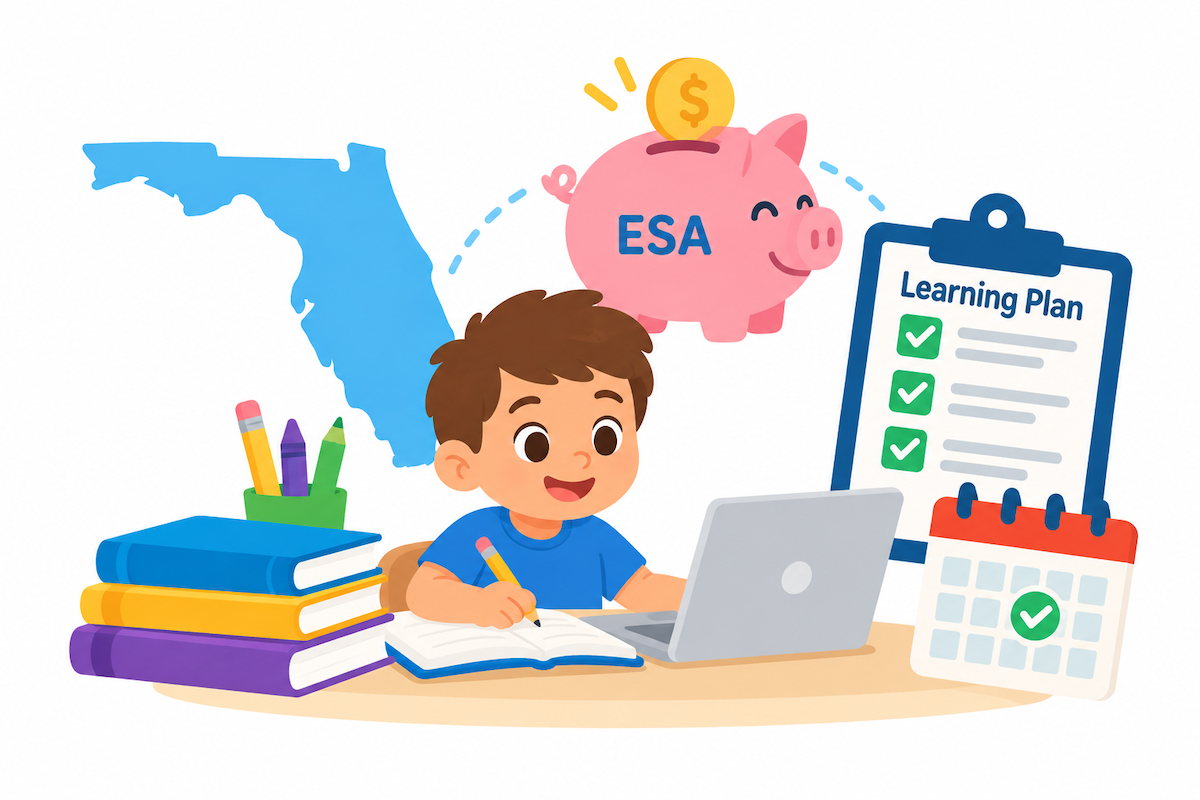
The Personalized Education Program (PEP) Scholarship is an option within the Florida Tax Credit Scholarship that gives families an education savings account (ESA) to customize their child’s education with approved educational products and services.
Unlike a traditional private school scholarship, the PEP Scholarship is designed for families choosing a parent-directed approach to education, including many families who homeschool. However, PEP is legally distinct from Florida’s traditional home education program and allows families to combine different eligible resources based on their child’s learning needs.
Who Is Eligible for the PEP Scholarship?
The PEP Scholarship is designed for eligible students in grades K–12 who are not enrolled full time in a public or private school.
- PEP students are registered through a Scholarship Funding Organization rather than as traditional home-education students with their local school district.
- Families participating in PEP must also meet program requirements, including completing a Student Learning Plan and having the student complete an approved annual assessment.
What Does the PEP Scholarship Cover?
PEP funds can be used for a variety of approved educational expenses, allowing parents and guardians to customize their child’s learning.
Depending on current program requirements, eligible expenses can include:
- Curriculum and curriculum materials
- Instructional materials
- Eligible educational software and applications
- Eligible private school tuition and fees for permitted enrollment arrangements
- Eligible home-education instructional programs
- Full-time private tutoring programs
- Part-time tutoring
- Approved online and virtual education
- Florida Virtual School as a private-pay student
- Dual enrollment
- Certain eligible postsecondary expenses
- Approved pre-apprenticeship programs
- Standardized testing and related administration or proctoring fees
- Contracted services from public schools or school districts
- Choice Navigator services
Families may be able to purchase eligible products and services through available EMA purchasing options or pay out of pocket for qualifying expenses and request reimbursement from their child’s scholarship account.
Because eligible expenses and documentation requirements can change, families should review the current PEP Purchasing Guide before making a purchase.
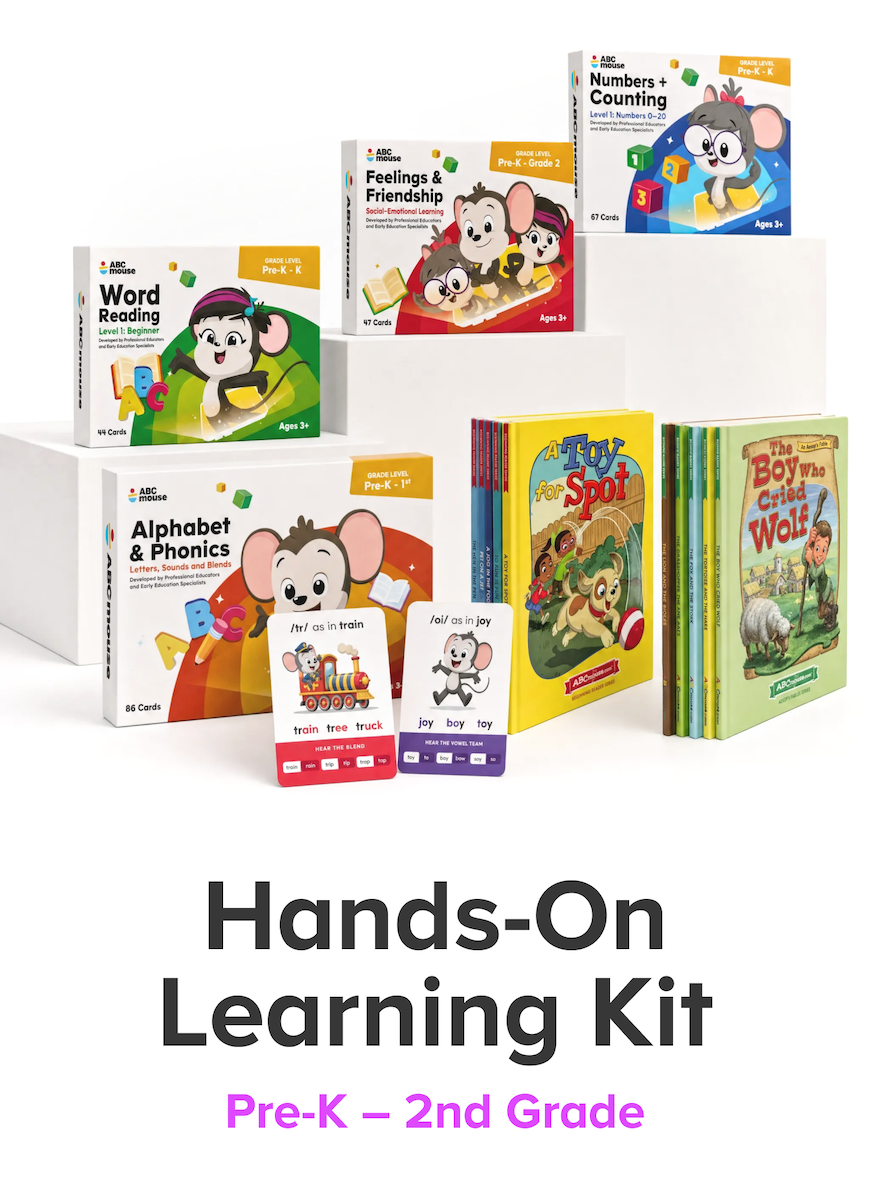
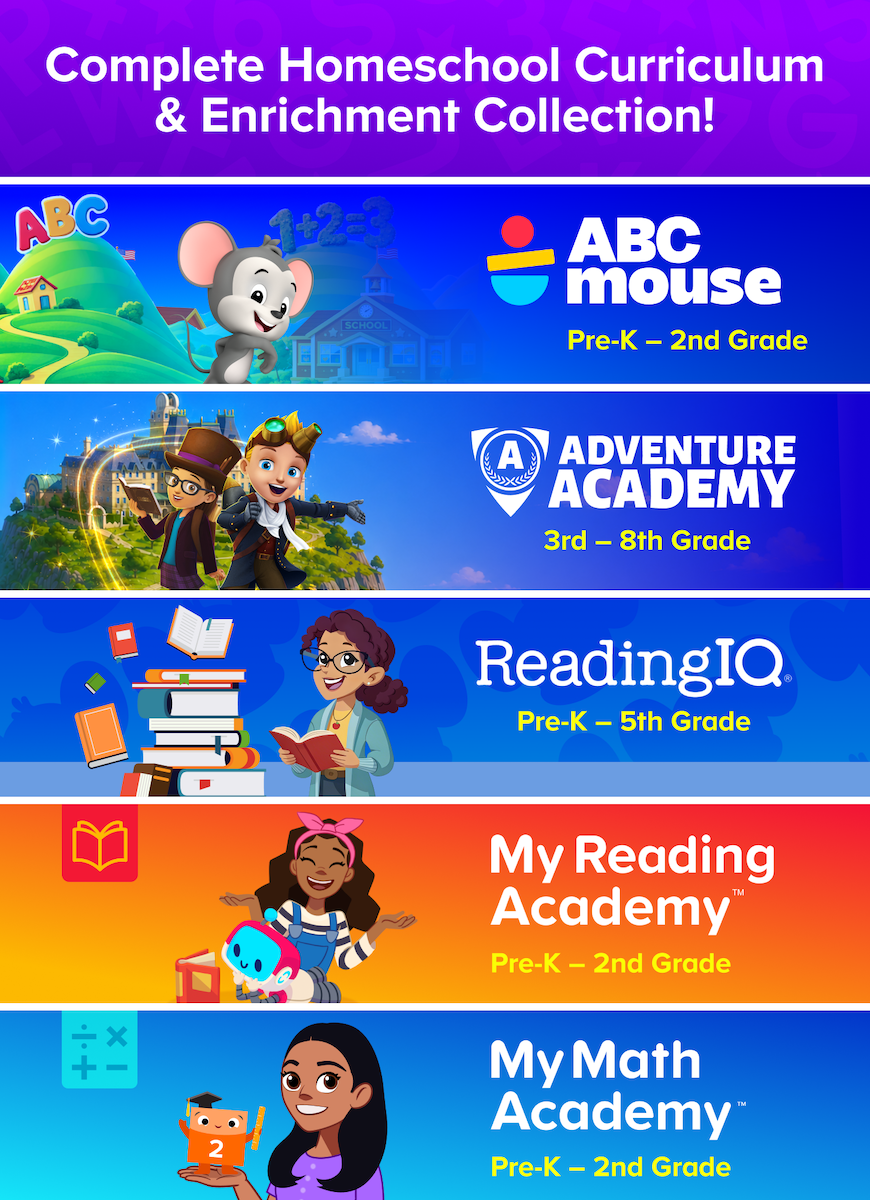
Award-Winning Educational Products Are Waiting for You in the EMA Portal
Search for these Age of Learning products in the Step Up for Students EMA Portal under the MyScholarShop. Each one is created by education experts to support learning from ages 2–13.
How Much Is the PEP Scholarship?
PEP scholarship amounts are established annually by the Florida Legislature and vary based on factors including the student’s grade level and county of residence.
Families can check the current Step Up For Students scholarship funding chart by county to find the applicable amount for their child.
What Are the PEP Student Learning Plan and Assessment Requirements?

Families participating in PEP must annually complete and update a Student Learning Plan (SLP) through EMA. The plan identifies the student’s educational goals and the curriculum, instructional materials, services, and other resources intended to support those goals.
PEP students are also subject to an annual assessment requirement. Prior PEP scholarship students must submit required annual assessment results as part of maintaining eligibility for future scholarship funding or when applicable to switching scholarship programs.
How Do You Apply for the PEP Scholarship?
- Parents and guardians apply through EMA.
- Families create or log in to their EMA account, add their student, complete the appropriate scholarship application, upload required documentation, and submit the application within the applicable application period.
- After receiving a scholarship, families must complete the additional PEP requirements necessary for funding, including the Student Learning Plan.
What Is the 2026–27 PEP Scholarship Application Deadline?
The standard PEP application period for both new and renewing students for the 2026–27 school year was:
- February 1–April 30, 2026
The standard 2026–27 PEP application period is now closed.
Certain families may qualify for deadline exceptions, including qualifying dependents of active-duty members of the U.S. Armed Forces and children in foster or out-of-home care. Families should consult Step Up For Students to determine whether an exception applies to their circumstances.
All About the Family Empowerment Scholarship for Students with Unique Abilities (FES-UA)
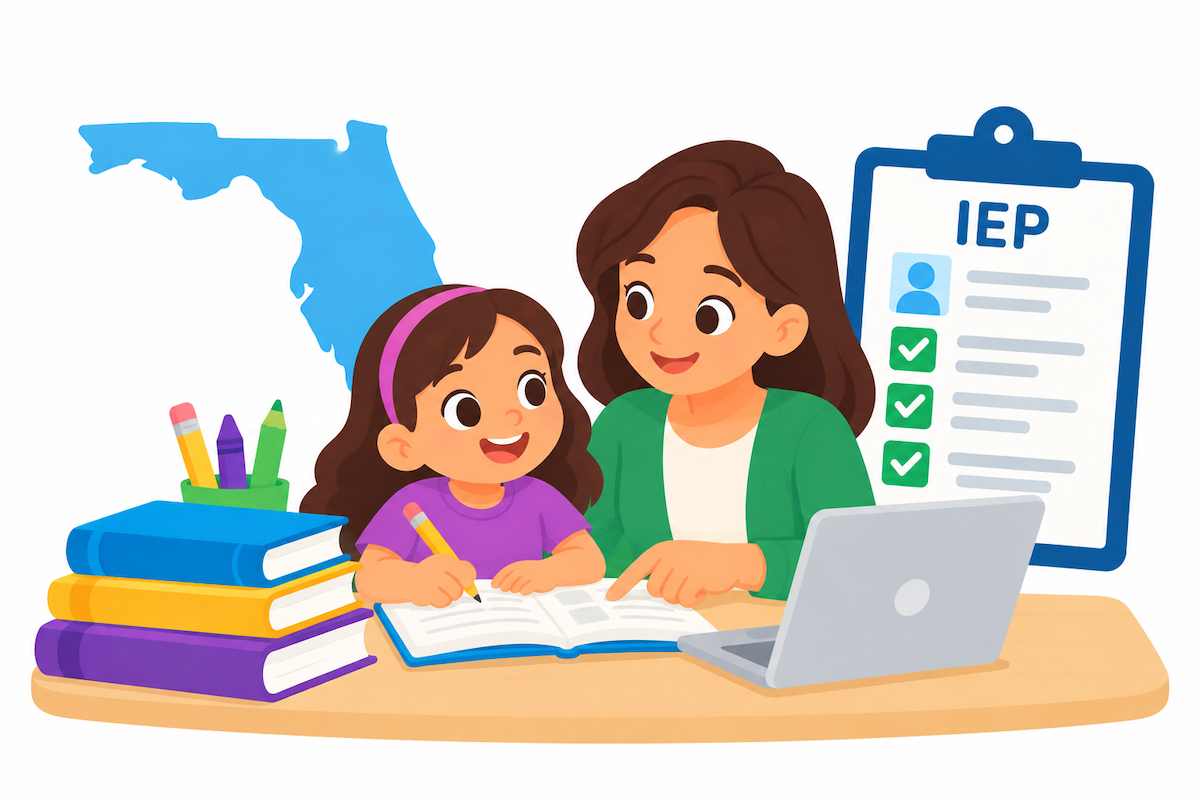
The Family Empowerment Scholarship for Students with Unique Abilities (FES-UA) provides an education savings account for eligible Florida students with qualifying disabilities.
Families can use scholarship funds for approved educational products and services that support their child’s individual educational needs.
Who Is Eligible for the Unique Abilities Scholarship?
To qualify for FES-UA, a student generally must be a Florida resident between ages 3 and 22 or through grade 12, whichever comes first.
Students must turn 3 on or before December 31 of the year they apply and must not turn 22 on or before September 1 of the year they apply. Students must also have a qualifying disability or diagnosis. Qualifying conditions include:
- Anaphylaxis
- Autism spectrum disorder
- Cerebral palsy
- Down syndrome
- Dual sensory impairment
- Emotional or behavioral disability
- Hearing impairment
- High-risk child
- Hospital or homebound
- Intellectual disability
- Language impairment
- Muscular dystrophy
- Other qualifying conditions specified under Florida law
Additional requirements can apply to individual conditions and circumstances, so families should review the current FES-UA eligibility requirements.
What Documentation Is Required for FES-UA?
Families generally establish a student’s eligibility with qualifying documentation such as an eligible Individualized Education Plan (IEP) or a diagnosis from an appropriately licensed medical professional.
The documentation must meet the requirements established for the scholarship. Families should review the current FES-UA application guidance to determine what documentation is required for their child’s specific condition.
What Does the Unique Abilities Scholarship Cover?
FES-UA provides an education savings account that can be used for a variety of approved educational products and services.
Depending on current program rules, eligible expenses can include:
- Eligible private school tuition and fees
- Curriculum
- Instructional materials
- Tutoring
- Eligible therapies
- Specialized services
- Eligible home-education instructional programs
- Approved online or virtual education
- Testing
- Certain eligible postsecondary expenses
- Other qualifying educational products and services
Because the program is designed to support students with qualifying disabilities, eligible expenses can differ from those available through other Step Up For Students scholarships.
Families should review the current FES-UA Purchasing Guide before making a purchase or requesting reimbursement.
How Much Is the Unique Abilities Scholarship?
FES-UA scholarship amounts are established annually by the Florida Legislature.
Individual funding varies based on factors including the student’s grade level, county of residence, and level of special-education services when applicable.
Step Up For Students publishes current FES-UA scholarship amounts so families can determine the funding applicable to their student.
How Do You Apply for the Unique Abilities Scholarship?
- Families apply through EMA and provide the required student, household, residency, and eligibility information.
- Applicants must also provide qualifying documentation establishing the student’s eligible disability or diagnosis.
- Once the scholarship is awarded and accepted, families can manage eligible scholarship expenses through their EMA account according to current FES-UA requirements.
What Is the 2026–27 Unique Abilities Scholarship Application Deadline?
For the 2026–27 school year:
- Renewal priority application period: February 1–April 30, 2026
- New student application period: February 1–November 15, 2026
Renewing students who applied after April 30 are treated as new applicants.
Applications may close early if the program reaches capacity. Certain families can qualify for exceptions to program capacity or other requirements, so families should check Step Up For Students for current information.
How Do Families Use Step Up For Students Scholarship Funds?
Step Up For Students uses the Education Market Assistant (EMA) platform to help families apply for and manage scholarships. How scholarship funds are used depends on the program.
- Private School Scholarship families generally use their scholarships to pay eligible participating schools. Each quarter, the school initiates the payment process by submitting an invoice, which the parent or guardian must review and approve in EMA.
- For education savings account programs such as PEP and FES-UA, eligible purchases can be made using available purchasing options and approved providers. Certain qualifying expenses may also allow families to pay out of pocket and submit a reimbursement request through EMA.

Families should always review the current purchasing guide for their scholarship before making a purchase. A product or service is not automatically an approved scholarship expense simply because it is educational.
Can You Use Step Up For Students Funds for Educational Apps and Online Learning?
Depending on the scholarship and current purchasing guidelines, eligible Step Up For Students funds can be used for certain educational software, applications, subscriptions, curriculum, instructional materials, and online learning resources.
These options can give families additional ways to customize their child’s education and provide learning experiences that complement other curriculum and instruction.
Before purchasing an educational app, subscription, or online learning program, families should confirm that the expense is eligible under their specific scholarship and follow Step Up For Students’ current purchasing requirements.
Find These Products in the Step Up EMA Portal
Eligible Step Up For Students scholarship funds can be used for select Age of Learning educational programs and products.
Depending on scholarship eligibility and current purchasing guidelines, available Age of Learning options can include:
ABCmouse
ABCmouse provides a comprehensive learning program for young learners with educational activities in reading and language arts, math, science, social studies, art, and more.
- Ages: 2–8
- Grades: Toddler through 2nd grade
- Subjects: Reading and language arts, math, science, social studies, art, music, and more
- Learning Paths: Structured Reading and Math Learning Paths guide children through activities that build progressively on their skills.
- Activities: Thousands of educational games, books, videos, puzzles, songs, and interactive learning experiences provide different ways to practice skills.
- Progress tracking: Parent tools help families follow their child’s learning and progress.
- Good fit for: Families looking for a broad early-learning program that covers multiple subjects in one place.
Adventure Academy
Adventure Academy combines educational activities with an immersive multiplayer game environment designed for older learners.
- Ages: 8–13
- Subjects: Language arts, math, science, social studies, and more
- Learning experience: Children explore a virtual world while completing educational activities and quests.
- Activities: The program includes thousands of games, books, videos, quizzes, and other learning experiences.
- Exploration: Children can create their own avatar and explore different areas within Adventure Academy.
- Multiplayer environment: Players can interact with other children within the program’s virtual world.
- Good fit for: Older elementary and middle-school-aged children who enjoy combining academic learning with games and exploration.
My Math Academy
My Math Academy is an adaptive learning program that provides personalized math instruction and practice based on each child’s individual needs.
- Grades: Pre-K through 2nd grade
- Subject: Math
- Personalized learning: The program identifies what a child already knows and provides a learning path based on their current skills.
- Adaptive instruction: Learning experiences continually adjust based on how the child performs.
- Skill building: Children receive instruction and practice designed to build understanding and progress toward mastery of math skills.
- Learning experience: Game-based activities provide opportunities to practice math concepts while receiving feedback and support.
- Progress monitoring: Embedded assessments help measure learning and inform what children work on next.
- Good fit for: Families looking for a dedicated math program that adapts to their child’s skills and progress.
My Reading Academy
My Reading Academy is an adaptive reading program grounded in the Science of Reading that provides personalized literacy instruction for young learners.
- Grades: Pre-K through 2nd grade
- Subject: Reading and literacy
- Personalized learning: Each child follows an individualized learning pathway that adapts as their reading skills develop.
- Foundational reading skills: Instruction includes phonological and phonemic awareness, phonics, sight words, vocabulary, fluency, and comprehension.
- Learning experiences: Children build reading skills through interactive games, instructional videos, books, and other activities.
- Adaptive instruction: The program responds to each child’s performance to provide appropriate instruction and practice.
- Progress monitoring: Caregivers can follow their child’s progress and see how their reading skills are developing.
- Good fit for: Families looking for focused, personalized instruction in foundational reading skills.
Reading IQ
Reading IQ is a digital library that gives young readers access to a collection of books they can explore at home.
- Ages: 2–10
- Focus: Reading and independent reading practice
- Digital library: Children can access more than 1,000 books in one digital collection.
- Reading levels: Books span different reading levels, allowing children to explore material appropriate for their developing skills.
- Reading progression: Children can move toward increasingly challenging books as their reading abilities develop.
- Variety: The library gives children opportunities to explore different books, subjects, and interests.
- Good fit for: Families looking to expand their child’s access to books and encourage regular independent reading.
ABCmouse Shop
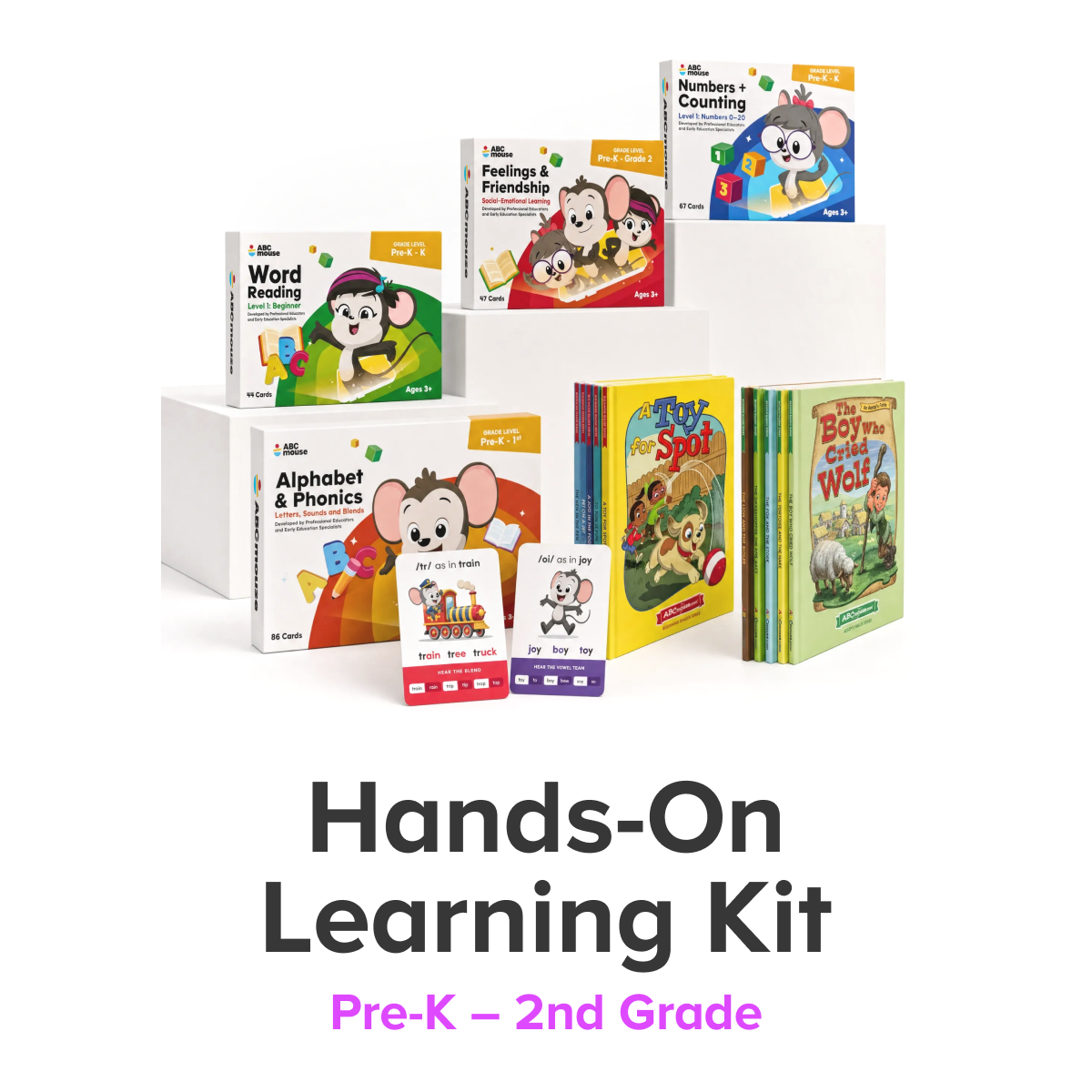
Select educational products available through the Age of Learning Shop may also qualify for purchase with eligible Step Up For Students funds.
- Products: Educational materials and resources designed to support children’s learning beyond the screen.
- Learning at home: Products can provide additional ways for children to practice and reinforce skills.
- Different learning needs: Families can explore available products to find resources appropriate for their child’s age, skills, and educational goals.
- Eligibility: Not every product is necessarily an eligible Step Up expense, so families should confirm current eligibility before purchasing.
Program and product eligibility can vary by scholarship and current Step Up For Students requirements. Families should confirm that a specific Age of Learning program or product is eligible under their scholarship before making a purchase.
Step Up For Students FAQs
What Is the Step Up For Students Transportation Stipend?
Step Up For Students also administers Florida’s Transportation Stipend, which is separate from the three scholarship options described above.
The stipend helps eligible families with transportation expenses when a qualifying K–8 student attends a Florida nonvirtual public school other than the school to which the student is assigned.
Qualifying school options can include certain charter schools, magnet schools, district-operated choice schools, developmental research schools operated by state universities, and schools attended through a district’s open-enrollment policy.
Families interested in the Transportation Stipend should check Step Up For Students for the current award amount, eligibility requirements, and application information.
Is Step Up For Students Based on Income?
Florida’s Private School Scholarships are available to eligible students regardless of household income. However, household income affects the priority in which Private School Scholarships are awarded.
Other Step Up For Students scholarship programs have their own eligibility requirements, so families should review the requirements for the specific scholarship they are considering.
How Much Does Step Up For Students Give Per Child?
There is no single Step Up For Students scholarship amount. Funding varies by scholarship and individual student.
Factors such as grade level and county of residence can affect funding. For FES-UA students, the level of special-education services can also affect the amount.
Because scholarship amounts are established annually, families should use Step Up For Students’ current funding charts to find the amount applicable to their child.
Is PEP the Same as Homeschooling in Florida?
No. Although PEP supports parent-directed education, Florida distinguishes PEP participation from a traditional home-education program registered with a local school district.
PEP students are registered through a Scholarship Funding Organization and must follow PEP requirements, including completing a Student Learning Plan and an approved annual assessment.
Can Step Up For Students Pay for Educational Apps?
Depending on the scholarship and current purchasing rules, certain educational software, applications, subscriptions, and online learning resources can qualify as approved educational expenses.
Families should confirm that a specific product qualifies under their scholarship before purchasing it.
Can Families Use Step Up Funds for Multiple Educational Resources?
Depending on the scholarship, families with an education savings account may be able to use available funds for multiple approved educational products and services.
For example, eligible expenses might include a combination of curriculum, instructional materials, educational software, tutoring, assessments, and other approved resources.
All purchases must comply with the requirements of the family’s specific scholarship.
How Do I Apply for Step Up For Students?
Parents and guardians apply through Step Up For Students’ Education Market Assistant (EMA).
Families create or log in to an EMA account, add their student, select the appropriate scholarship, complete the application, upload required documentation, and submit the application within the applicable application period.
When Is the Step Up For Students Application Deadline?
Application deadlines vary by scholarship and school year.
For 2026–27, new Private School Scholarship and FES-UA applications can be submitted through November 15, 2026, subject to applicable program requirements. The standard PEP application period ended April 30, 2026.
Families should check Step Up For Students for current deadlines and information about any applicable exceptions.

