
The ABCmouse Learning Paths
The ABCmouse Learning Paths: How They Work & What Kids Can Learn
Learn how the ABCmouse Learning Paths in Reading and Math can enhance and customize learning for children ages 2–8.
What Are the ABCmouse Learning Paths?
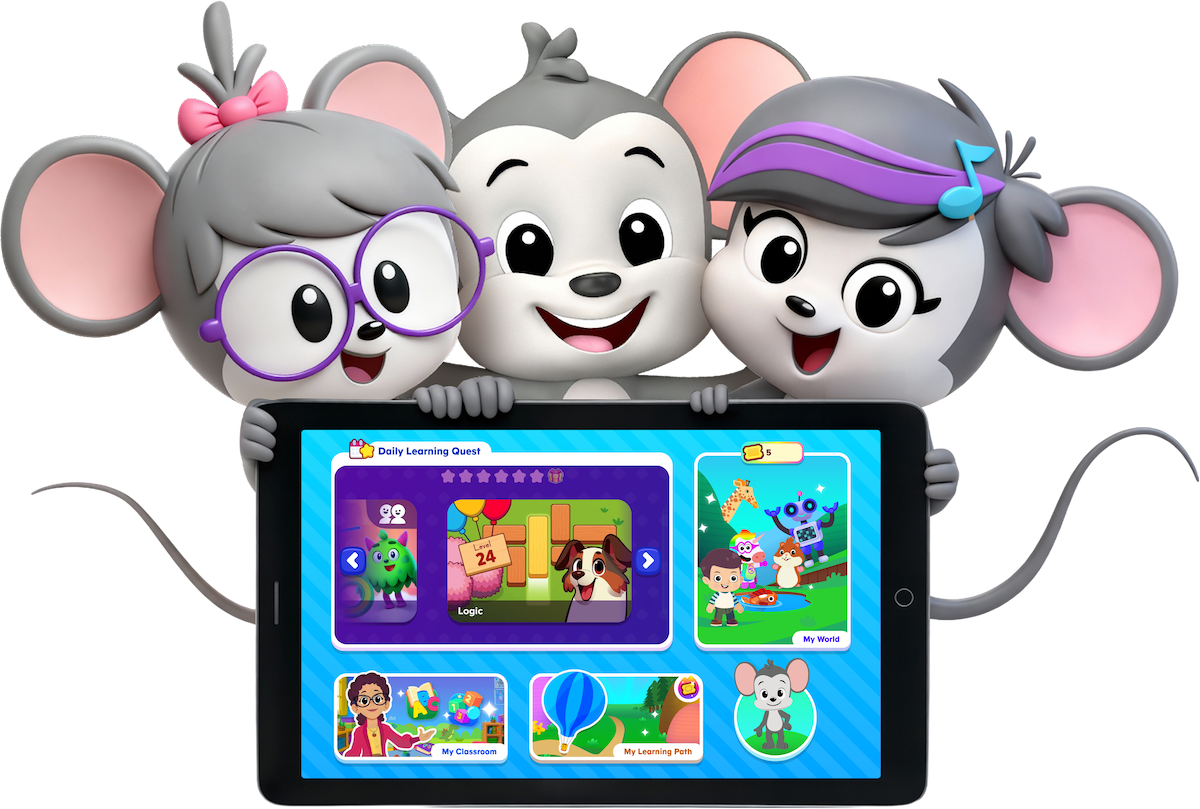
ABCmouse feature two personalized Learning Paths for your child–one in Math, and one in Reading, giving children a step-by-step way to build skills in both subjects from toddlerhood through second grade. Instead of choosing individual lessons at random, children follow a path that builds on what they’ve previously learned in each subject.
Separate Reading and Math Learning Paths guide children through lessons selected and sequenced by curriculum experts, while allowing parents to choose a different grade level for each subject based on their child’s skills. Parents can adjust their child’s Learning Path in both subjects at any time to make the material more or less challenging. Learning Paths are available with a Premium subscription to ABCmouse.
Two Learning Paths Personalized to Your Child
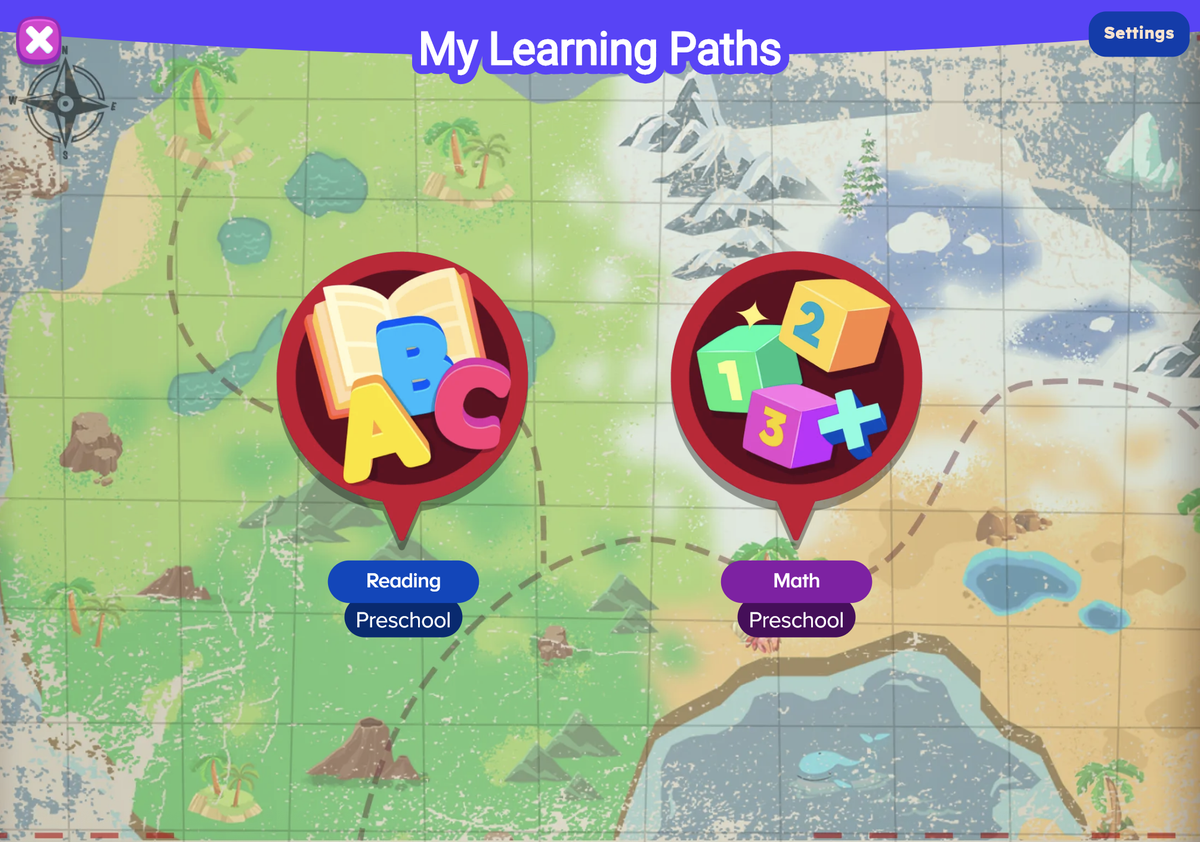
Reading Learning Path
Builds literacy skills through a sequential curriculum appropriate to the child’s selected grade level. Parents can adjust the grade level at any time.
Math Learning Path
Builds math skills through its own sequential curriculum and can be set at a different grade level from Reading.


How the ABCmouse Learning Paths Work
The ABCmouse Learning Paths invite children into different adventures built around carefully sequenced activities designed by education experts to strategically support and advance learning.
Each adventure contains a series of learning activities focused on specific skills and concepts that advance and built on each other. The adventure concludes with a Show What You Know quiz, giving kids an opportunity to demonstrate what they’ve learned.
Parents can pick their child’s Learning Path level and change it at any time in the Settings. Grade levels can be set independently, allowing parents to match their child’s skill level in each subject and allow for more personalized and effective learning.
How the Learning Paths Motivate Children
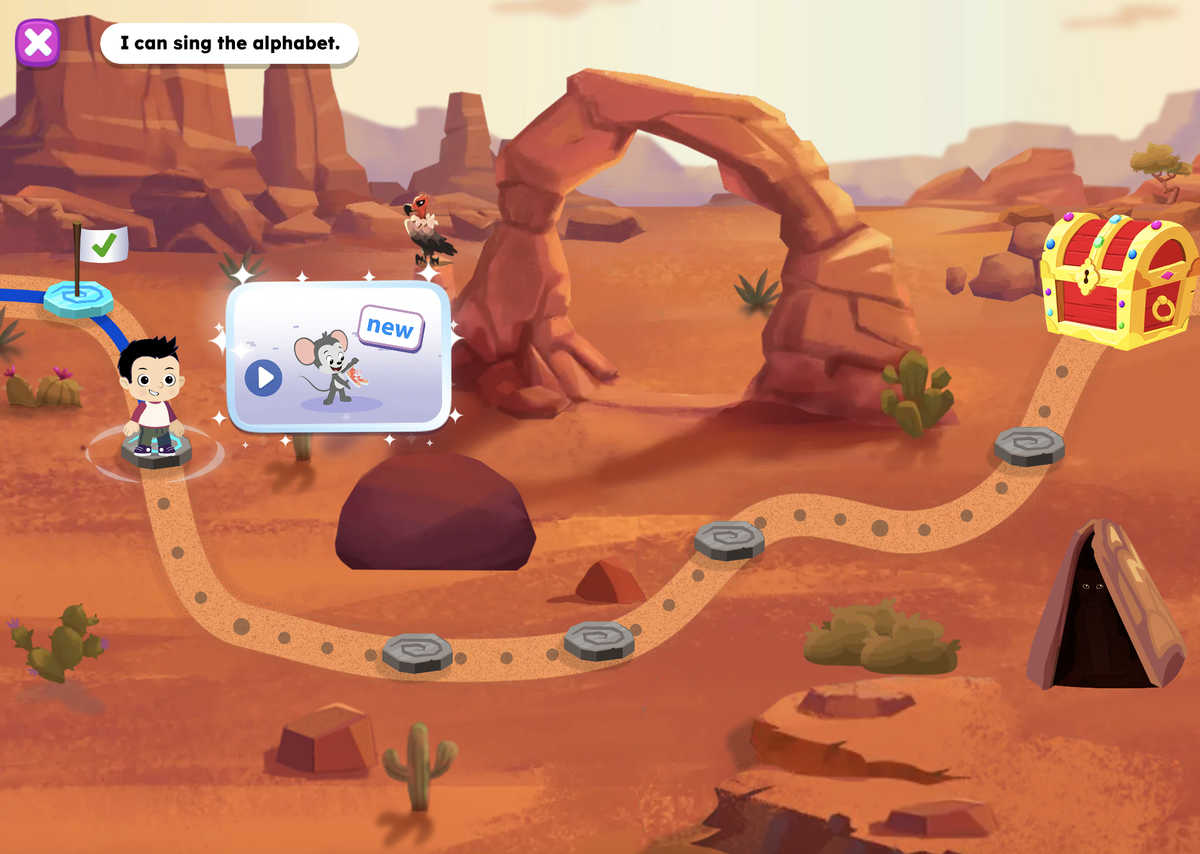
As children complete activities along their Learning Paths, they see their progress in real time, as flags with check marks pop up for every finished activity. When kids reach the end of the path, they’re rewarded by the animated treasure chest waiting at the end clicking open to reveal a prize they can keep in return for their hard work.
Engaging Ways to Learn and Practice
Following a structured curriculum doesn’t mean children have to learn in just one way. ABCmouse uses different types of activities to introduce concepts, reinforce skills, and provide opportunities for practice.
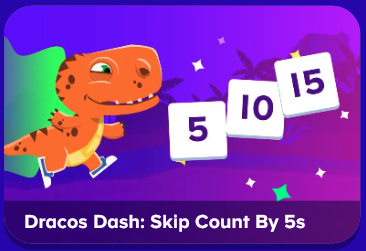
Depending on the lesson, children may encounter interactive games, books, videos, songs, puzzles, guided lessons, and other activities as they move through their Learning Paths. This variety keeps the experience fresh while giving children different ways to engage with Reading and Math concepts.




Tracking Your Child’s Learning Path Progress
Parents can follow their child’s progress in both Reading and Math. Current progress information includes the child’s grade level, current unit, upcoming units, and completed lessons, giving families a clearer picture of where their child is on each Learning Path. Progress tracking can also make it easier for parents to see what their child has been working on and understand what comes next.
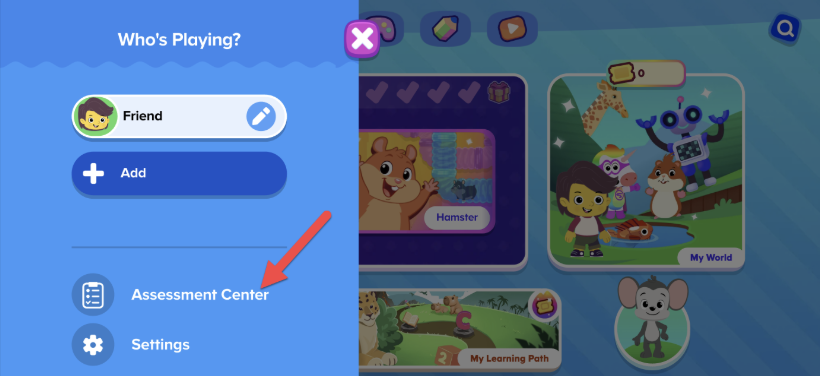
For more detailed insights, Premium subscribers can purchase access to the Assessment Center, which provides short, skill-based assessments in Reading and Math for preschool–second grade. Assessment results reveal areas where a child is succeeding and what they need more practice with.
The ABCmouse Learning Paths by Subject & Grade
Personalize Reading and Math to Your Child’s Level
Children don’t always develop reading and math skills at the same pace. ABCmouse lets parents select each Learning Path’s grade level independently, so a child can work at the level that best matches their current skills in each subject. Parents should keep in mind that changing a grade level resets completed Learning Path activities.
The Reading Learning Path
The ABCmouse Reading Learning Path builds literacy skills step by step, beginning with early language and alphabet awareness and progressing to more advanced reading, comprehension, language, and writing. As children move through the curriculum, they can work on skills such as:
- Alphabet knowledge: Letter recognition, names, sounds, and alphabet order.
- Phonological awareness: Rhymes, syllables, and sounds in words.
- Phonics & word reading: Blends, digraphs, vowel patterns, and multisyllabic words.
- Vocabulary: Everyday and academic words, prefixes, and suffixes.
- Reading fluency: High-frequency words and increasingly challenging texts.
- Literature: Fiction, folk tales, poetry, and informational texts.
- Reading comprehension: Story elements, inferences, point of view, author’s purpose, and text features.
- Language & grammar: Sentences, parts of speech, verb tense, and other language conventions.
- Writing: The writing process and different types of writing.
The Math Learning Path
Children gradually build math skills, from early number awareness and counting to operations, place value, problem solving, geometry, measurement, and data. As children progress, they build on foundational skills and explore increasingly advanced math concepts, such as:
- Number sense: Quantities, number relationships, and comparing numbers.
- Counting: Number sequence, counting objects, and skip counting.
- Numbers & place value: Number lines, place value, and standard and expanded form.
- Addition & subtraction: Operations, number families, and calculation strategies.
- Problem solving: Number sentences, word problems, and problem-solving strategies.
- Shapes & geometry: 2D and 3D shapes and their characteristics.
- Patterns & algebra: Number patterns and early functions.
- Measurement: Length, time, and comparison concepts.
- Data: Tally marks, pictographs, bar graphs, and line graphs.
- Money: Coins, making change, and other money concepts.
The ABCmouse Learning Path by Grade Level
The Learning Paths start at Toddler and advance to Preschool, Pre-K, Kindergarten, 1st Grade, and 2nd Grade. Each grade has its own curriculum and path progression.
Toddler

Early activities introduce children to foundational concepts such as language, vocabulary, alphabet awareness, numbers, quantities, and number sequence.
Preschool

Children build early reading and math skills, including letter names and sounds, vocabulary, listening comprehension, quantities, number recognition, counting to 10, and basic shapes.
Pre-K
The curriculum expands into phonics, high-frequency words, literature, counting and cardinality, reading and writing numbers, comparisons, shapes, and measurement concepts.
Kindergarten
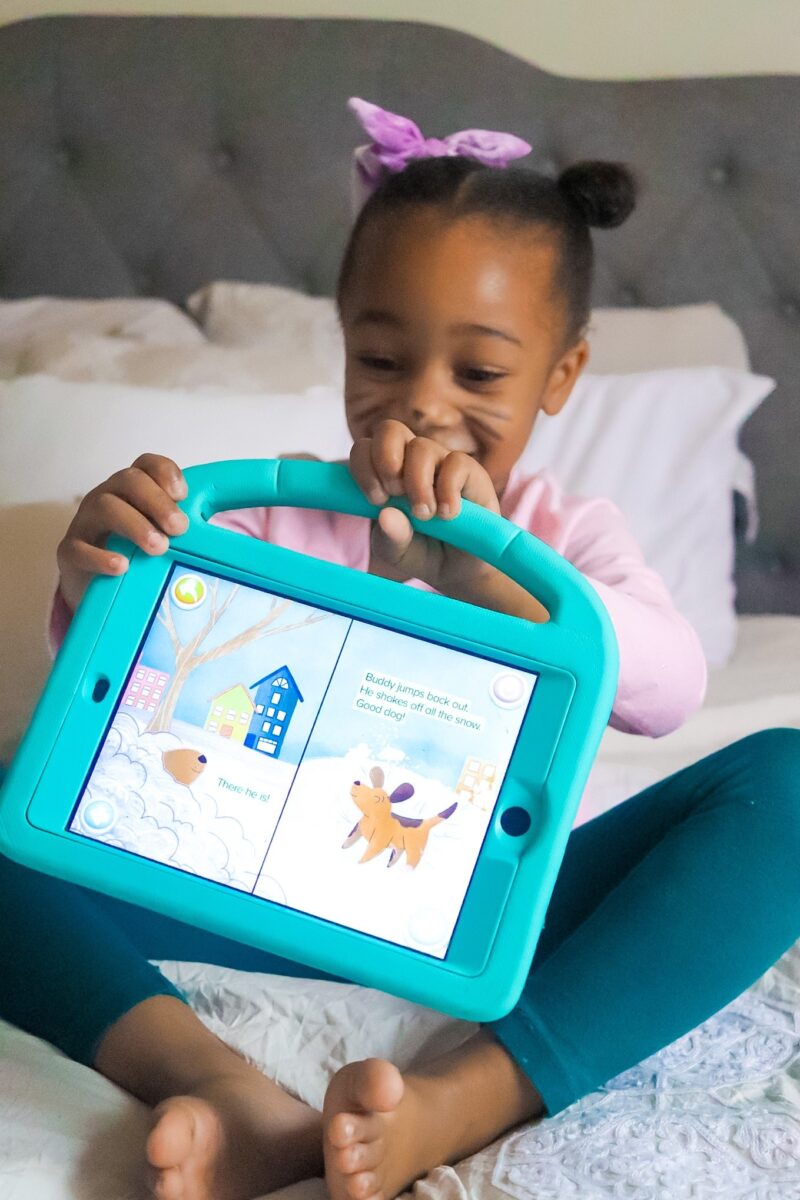
Children work with phonics and spelling, vocabulary, fluency, comprehension, counting to larger numbers, addition and subtraction, shapes, measurement, and other kindergarten skills.
First Grade

First graders encounter increasingly complex reading, language, writing, number, operations, place value, geometry, data, and problem-solving skills while moving along the Reading and Math Learning Paths.
Second Grade

Children continue building reading fluency and comprehension while developing more advanced phonics, vocabulary, language, and writing skills. Math progresses to larger numbers, place value, multi-digit operations, problem solving, geometry, data, and measurement.
The Benefits of the ABCmouse Learning Paths
The Learning Paths bring together structured curriculum, engaging activities, and parent controls in one experience. For families, some of the key benefits include:
- Step-by-step learning: Lessons follow a curriculum sequence designed to build skills over time.
- Separate Reading and Math paths: Each subject can be set to the grade level that best matches a child’s current skills.
- Comprehensive curriculum: Learning progresses from foundational concepts through increasingly advanced Reading and Math skills.
- Varied learning experiences: Games, books, videos, songs, puzzles, and guided lessons provide different ways to learn and practice.
- Progress visibility: Parents can see completed lessons and where their child is currently working.
- Curriculum that grows with children: Learning Paths extend from toddler through second grade.
ABCmouse Learning Path FAQs
What is the ABCmouse Learning Path?
The ABCmouse Learning Paths are structured, sequential curricula for Reading and Math. Children progress through lessons and activities designed to build skills from their selected grade level.
Does ABCmouse have separate Reading and Math Learning Paths?
Yes. Reading and Math have separate Learning Paths, and parents can select a different grade level for each subject based on their child’s needs.
What grade levels are available on the ABCmouse Learning Path?
The Reading and Math Learning Paths include Toddler, Preschool, Pre-K, Kindergarten, First Grade, and Second Grade levels.
Can my child be at different levels on the Learning Path for Reading and Math?
Yes. Parents can set Reading and Math independently. A child can therefore work at one grade level in Reading and another in Math.
Can parents change their child’s Learning Path grade level?
Yes. Parents can change the selected grade level for Reading or Math. However, changing a grade level resets completed activities on that Learning Path.
What does the ABCmouse Reading Learning Path teach?
Reading instruction progresses from early language and alphabet awareness to phonics, vocabulary, fluency, comprehension, language, and writing. The exact skills depend on the child’s selected grade level.
Can parents track Learning Path progress?
Yes. Parents can view information including their child’s current grade level and unit, upcoming units, and completed lessons for the Reading and Math Learning Paths.

